How Efficient Planning and Tracking Drive Tunnel Infrastructure Projects
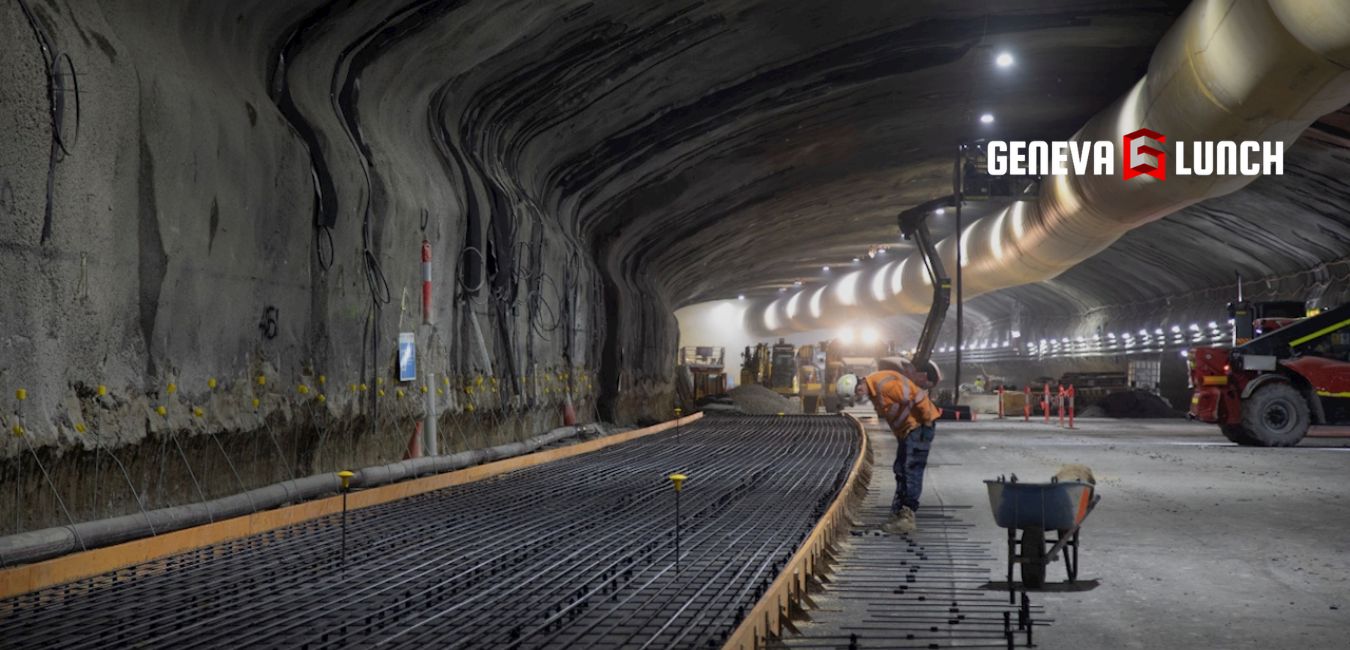
In the world of infrastructure development, tunnel construction stands as a testament to human engineering prowess. From road and rail tunnels to underground utility passages, these construction feats require meticulous planning and precise tracking to ensure successful outcomes. In this post, we’ll explore the significance of efficient planning and tracking in driving tunnel infrastructure projects forward, and the various stages and key aspects involved.
Powering Tunnel Infrastructure Projects: The Vitality of Efficient Planning and Tracking
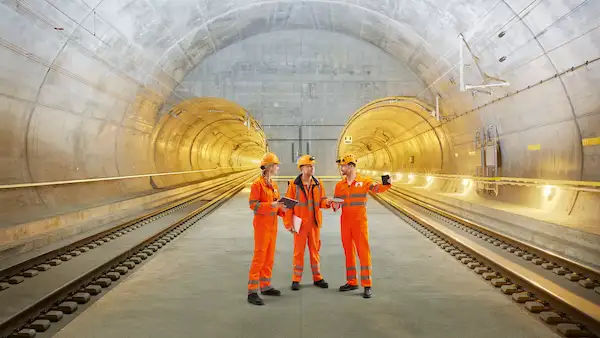
Every successful tunnel construction project begins with a solid foundation of comprehensive planning – much like other construction projects such as highway construction or road construction. From the initial concept to the final execution, efficient planning ensures that all aspects of the tunnel construction project are accounted for, mitigating risks and maximizing efficiency.
1 – Defining Project Objectives
Before embarking on a tunnel construction project, clear objectives should always be established. These objectives serve as guiding principles, outlining the purpose, scope, and desired outcomes of the project. Whether it’s reducing traffic congestion or expanding underground transportation networks, defining objectives helps to focus efforts and resources toward achieving specific goals.
2 – Conducting Feasibility Studies
Feasibility studies form an integral part of the planning phase. They assess the technical, economic, and environmental viability of the project. Experts and engineers evaluate geological conditions, assess potential impacts on the surrounding environment, and determine the project’s financial viability. This in-depth analysis allows project teams to identify potential challenges and devise appropriate strategies to address them.
3 – Creating Detailed Design and Engineering Plans
Once the feasibility of the project is established, detailed design and engineering plans are developed. These plans encompass aspects such as tunnel alignment, structural design, ventilation systems, and safety measures. Efficient planning considers factors like geotechnical conditions, hydrology, and environmental impact, ensuring that the design meets all necessary requirements and standards.
Progress Monitoring and Control
While efficient planning sets the groundwork, effective tracking also has a vital role to play when it comes to ensuring that projects stay on track and within budget. By monitoring progress and controlling project activities, tracking helps to identify potential issues as early as possible, while allowing for timely interventions.
1 – Project Scheduling and Milestone Tracking
A well-defined project schedule is crucial for keeping the project on track. By breaking down the construction process into manageable tasks and setting realistic timelines, project teams can monitor progress against milestones.
2 – Resource Management and Cost Control
Tracking both human and material resources is crucial for effective project management. By monitoring resource allocation and utilization, project managers can identify potential inefficiencies and take corrective measures. Construction cost management software like the products offered by Kahua can help project owners and leaders to manage costs and ensure that the project is delivered on budget.
3 – Quality Assurance and Risk Management
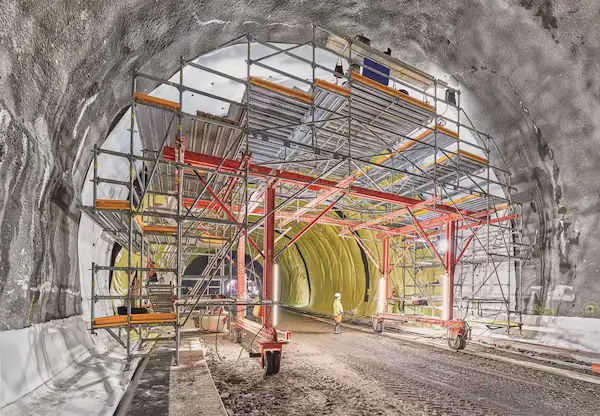
Tracking plays an essential role when it comes to ensuring quality and managing risks throughout tunnel construction projects. Regular inspections and quality checks at various stages help to identify any deviations from design specifications or construction standards. By tracking these issues, appropriate corrective actions can be taken to maintain quality and prevent costly rework.
Collaboration and Communication
Efficiency planning and tracking of a tunnel construction project are not solitary activities. Collaboration and effective communication among the project stakeholders are essential for driving tunnel infrastructure projects toward success.
1 – Stakeholder Engagement
Engaging with all relevant stakeholders, including government agencies, local communities, and utility providers, is crucial for successful project implementation. By involving stakeholders from the early stages, project teams can ensure that any concerns and requirements are taken into account during the planning and tracking processes. Regular communication and consultation with stakeholders create transparency, build trust, and facilitate smoother project execution.
2 – Cross-functional Collaboration
Tunnel infrastructure projects often involve multiple disciplines and expertise. Engineers, architects, environmental specialists, construction workers, and various other professionals must work together and collaborate seamlessly to ensure that project objectives are met. Efficient planning and tracking facilitate effective coordination among team members, ensuring that everybody is aligned with the project goals and working together towards a common purpose.
3 – Communication and Reporting
Clear, timely communication is essential for the success of the project. Regular updates, progress reports, and status meetings enable stakeholders to stay informed about the project’s progress, achievements, and any challenges faced or facing. Transparent communication channels make for easier and faster decision-making, enabling stakeholders to provide valuable input and feedback throughout the project lifecycle.
Technology and Innovations Driving Efficiency
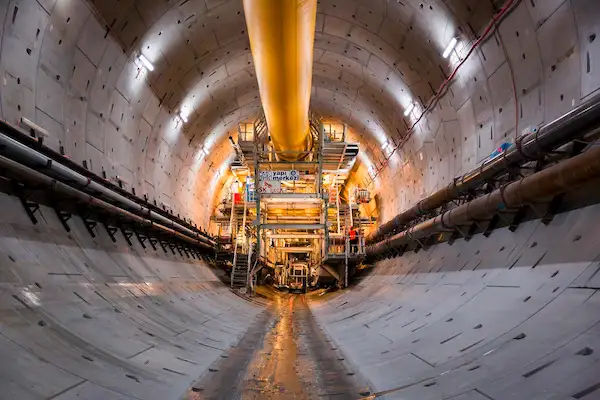
Looking ahead, technology is playing an increasingly important and transformative role in enhancing the efficiency of planning and tracking processes in tunnel infrastructure projects.
1 – Building Information Modelling (BIM)
BIM technology allows for the creation and management of detailed digital representatives of the tunnel project. It allows stakeholders to visualize the project in a virtual environment, facilitating better planning, clash detection, and coordination among various disciplines.
2 – Geospatial Technology and Surveying
Geospatial technology, such as GPS surveying and LiDAR scanning, provides precise data on the terrain, underground structures, and existing utilities. This data assists in accurate planning, alignment determination, and identification of potential construction challenges.
3 – Project Management Software
Project management software enables efficient scheduling, resource allocation, and tracking of expenses. These tools offer project managers a centralized platform for monitoring progress, managing documents, and facilitating collaboration among team members. Real-time updates and analytics help to identify potential issues, optimize resource allocation, and streamline decision-making.