What Is A Home Mover Mortgage?

Moving to a new house is thrilling, and a home mover mortgage is here to help! Ever wondered, “What is a home mover mortgage?” This special kind of loan lets you switch houses with ease and confidence.
It’s perfect when your family needs more space or you’re ready for a change. A home mover mortgage simplifies the big move, making it less of a headache and more of an adventure.
With it, stepping into your new home is not just a dream but an exciting reality. Let’s learn how it is a game-changer for your next big move!
Types Of Home Mover Mortgages
Fixed-Rate
A fixed-rate mortgage keeps your interest rate the same for the entire loan period. This means your monthly payments stay constant, making budgeting easier. No surprises with rate changes!
It’s a secure choice if you like knowing exactly what you pay every month.
Variable-Rate
Variable-rate mortgages can change their interest rates over time. This means your monthly payment can go up or down. It’s based on market trends. You pay less if rates drop. But you pay more if rates rise.
This option is great if you’re open to some risk for potentially lower rates.
Interest-Only
With an interest-only mortgage, you first pay just the interest each month. This makes your initial payments smaller. Later, you pay off the actual loan amount. It’s helpful if you expect more money in the future.
But remember, you must pay the full loan amount eventually.
Government-Backed
Government-backed mortgages have support from the government. They often have lower down payments and are easier to qualify for. This type is ideal if you’re a first-time buyer or have less saved for a down payment.
They include FHA, VA, and USDA loans.
Jumbo Loans
Jumbo loans are for huge amounts, bigger than typical loan limits. They’re used for expensive homes. Since the loan is bigger, qualifying for it is more challenging. You’ll likely need a good credit score and a lower debt-to-income ratio.
This type suits those buying high-priced properties.
How Does A Home Mover Mortgage Work?
Application Process
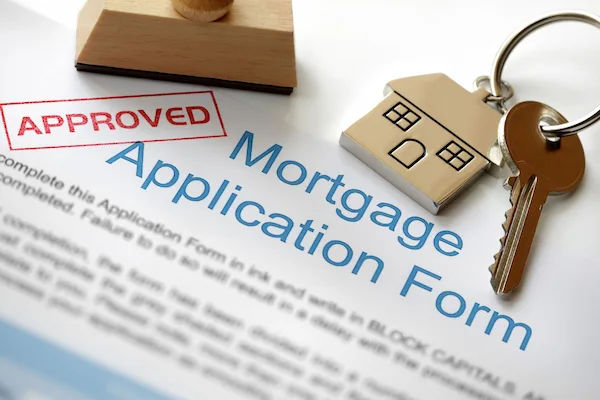
Applying for a home mover mortgage starts with filling out forms and providing documents about your finances. Lenders will check your credit score, income, debts, and savings. Be honest and have your paperwork ready. This makes the process faster and easier.
Down Payments
Down payments are the cash you pay upfront for your new home. It’s part of the total price and not covered by the mortgage. The more you can pay as a down payment, the less you need to borrow.
Some mortgages require as little as 3%, but a bigger down payment usually means a smaller monthly payment.
Loan Approval
Getting approved for a loan depends on your credit score, income, and how much debt you already have. Lenders look at these to decide if you can pay back the loan.
A higher credit score and steady income improve your chances of approval.
Repayment Terms
Repayment terms are how long you have to pay back the mortgage. Common terms are 15 or 30 years. Longer terms mean smaller monthly payments, but you’ll pay more interest over time.
Shorter terms have higher monthly payments, but you’ll pay less interest.
Closing Costs
Closing costs are fees you pay when you finalize your mortgage. They include loan processing fees, attorney fees, and property taxes. These costs vary, but usually around 2% to 5% of the loan amount.
Planning these costs is important so you’re not surprised at closing time.
Steps To Secure A Home Mover Mortgage
Financial Preparation
Start by looking at your finances. You need enough savings for the down payment and closing costs. Also, check your monthly spending to ensure you can afford the new mortgage payments.
Clearing debts and having a budget plan will put you in a stronger position for a mortgage.
Credit Score
Your credit score is key to getting a good mortgage deal. It shows lenders how you handle money. Higher scores can get you lower interest rates.
You can improve your score by paying bills on time, reducing debts, and fixing any mistakes on your credit report.
Mortgage Pre-Approval
Getting pre-approved for a mortgage before house hunting is a smart move. It tells you how much you can borrow and shows sellers you’re serious. For pre-approval, lenders need your financial details, like income, debts, and savings.
Finding The Right Lender
Different lenders offer different mortgage rates and terms. Shop around. Talk to banks, credit unions, and mortgage brokers for the best deal. Ask about interest rates, fees, and loan features. Choose a lender who offers a reasonable rate and understands your needs.
Property Search
Once you know your budget, start looking for your new home. Consider things like location, size, and price. Use a real estate agent to help find properties that fit your needs and budget.
When you find the right home, you can make an offer backed by your mortgage pre-approval.
Tips For A Successful Home Move
Budgeting

Plan your finances carefully. Include moving costs, furniture, and any updates you want in your new home. Don’t forget ongoing costs like mortgage payments, insurance, and property taxes. A solid budget helps you avoid surprises and keeps your finances healthy.
Negotiating
When you find your dream home, negotiate the price. Do some research to see if the asking price is fair. Consider the home’s condition and the market. A good real estate agent can help with this.
Remember, even a small price reduction can make a big difference in your mortgage payments.
Home Inspection
Always have a professional inspect the home before buying. They can spot problems like structural issues or outdated wiring. Fixing these problems is costly, so it’s better to know before you buy.
You can also use the inspection results to negotiate the price.
Moving Plans
Plan your move in detail. Decide if you’ll use a moving company or move yourself. Start packing early and label your boxes. Consider what you need for the first few days and keep those items easily accessible.
Planning reduces stress and makes the move smoother.
Post-Move Financial Check
After moving, review your finances. Make sure you’re staying on budget with your mortgage and other expenses. Keep saving for home maintenance and emergency funds. A quick check can help you stay on track and enjoy your new home without financial worries.
FAQs

1. What Happens If You Move And Have A Mortgage?
When you move while having a mortgage, you can either pay off the existing loan or transfer it to your new home, depending on your lender’s rules and the type of mortgage.
Some people also sell their old home to pay off the mortgage.
2. How Do I Move House With A Mortgage?
To move house with a mortgage, first talk to your lender. They let you transfer your current mortgage to the new house.
Another option is to pay off your existing mortgage with the sale of your current home and then apply for a new mortgage.
Conclusion
So, what is a home mover mortgage? It’s your helping hand when you’re ready to switch to a new house. It makes the whole process of moving smoother and less scary.
You can find a place that fits just right for you and your family, and this mortgage helps you get there. It’s perfect for when your family grows or you want a fresh start.
With a home mover mortgage, you can focus on the joy of moving into your new home, not the stress. So, get ready to pack your boxes and step into your new adventure with confidence!