How Are Mortgage And Auto Loans Similar

When you think about buying a house or a car, the price tag seems daunting. But there’s a common solution to both: mortgage and auto loans. But how are mortgage and auto loans similar?
Mortgage and auto loans are similar as they both involve borrowing money to purchase high-value assets, require regular monthly payments over a set period, include interest charges on the borrowed amount, and use the purchased property (home or vehicle) as collateral to secure the loan.
Let’s explore more about mortgage and auto loans and go in-depth into the similarities of these two.
Key Takeaways
- Collateral Requirement: Both secure the loan with the purchased property, whether a house or vehicle.
- Interest Rate Options: Borrowers can choose between fixed or variable rates in both mortgage and auto loans.
- Regular Monthly Payments: Regular monthly payments are essential, affecting credit scores and overall financial stability.
Key Similarities
Mortgage and auto loans are similar based on various factors. Let’s talk about the 5 key similarities:
Secured By Collateral

Both mortgage and auto loans are secured loans. This means the lender uses your property (house or car) as a safety net.
When you are not able to pay back the loan, the lender takes your property to get their money back. This is why they’re more willing to lend you money.
Fixed Or Variable Rates
Fixed Rate: A fixed rate doesn’t change over time. You pay the same amount of interest every month until the loan is paid off.
Variable Rate: A variable rate changes based on the economy. This means some months you pay less interest, and other months you pay more.
Repayment Periods
When you get a mortgage or an auto loan, you agree to pay back the money over a certain time. This time is called the repayment period.
It is either short, like a few years, or long, like thirty years for many home loans.
Short-term Loans: Short-term loans mean higher monthly payments but less interest over time. In this loan, your monthly payments will be higher because you’re paying off the loan in less time.
Long-term Loans: Long repayment periods lower your monthly payments. This makes the loan seem more affordable month-to-month. However, you end up paying more interest over the life of the loan.
Impact On Credit Score
Your credit score goes up or down based on how you handle your money.
Higher Score: When you get a mortgage or an auto loan and pay it back on time, your score goes up.
Lower Score: Your credit card score goes down if you get a mortgage or auto loan, and cannot pay it back on time.
Paying back a loan on time is good because it shows banks and lenders that you’re reliable. When you miss payments, your score goes down. This makes it harder to borrow money in the future.
Influence On Financial Health
Both mortgage and auto loans affect your financial health. They require a portion of your income each month. When you manage them well, they will help you build wealth by owning a home or a car.
On the other hand, you will feel more financial stress if you borrow more money than your ability. It’s important to think carefully about how much you borrow.
Collateral And Security

Collateral is something valuable you promise to give the lender if you can’t pay back a loan. Let’s learn more about this:
Property For Mortgages
When you take out a mortgage, the house you’re buying is the collateral. This means if you can’t pay the loan back, the lender will take the house. The lender does this to lower their risk.
In the case of the lenders taking the house, they sell it to get their money back. This makes lenders more willing to give you a loan because they have a way to recover their money if things go wrong.
Vehicle For Auto Loans
For auto loans, the vehicle you buy is the collateral. Just like with a house, the lender has the right to take the car or vehicle back if you don’t pay the loan.
This setup helps the lender feel safe to lend you money. They know if you stop paying, they are able to take the car and sell it to get their money back.
This is why it’s easier to get an auto loan than a loan without collateral. The car itself protects the lender’s investment.
Asset Valuation
Asset valuation is about figuring out how much the collateral (house or car) is worth. Lenders do this to make sure the loan amount matches the value of what you’re buying.
They don’t want to lend more money than the house or car is worth because it increases their risk. In case they have to sell the collateral, they want to make sure they get enough money to cover the loan.
This process involves appraisals for homes and price guides or inspections for cars. It’s a way to keep the loan fair for both you and the lender.
Loan-To-Value Ratios
The loan-to-value (LTV) ratio is a key number in lending. It compares the size of the loan to the value of the collateral. A lower LTV ratio means you’re borrowing less compared to the value of the house or car.
This is safer for lenders because there’s more cushion if they need to sell the collateral. A high LTV ratio is riskier for lenders because it means the loan is close to the value of the collateral.
Lenders often require a downpayment to lower the LTV ratio, making the loan safer for them and showing your commitment to the purchase.
Collateral Impact On Approval
The value and type of collateral you’re offering have a big impact on whether you get approved for a loan. Lenders look at the collateral to decide if it’s a good enough safety net.
They want to make sure that if something goes wrong, they will be able to recover their money. This means the better the collateral (in value and condition), the more likely you are to get the loan.
It also affects the terms of the loan, like the interest rate. High-quality collateral leads to better loan conditions because it reduces the lender’s risk.
Interest Rates
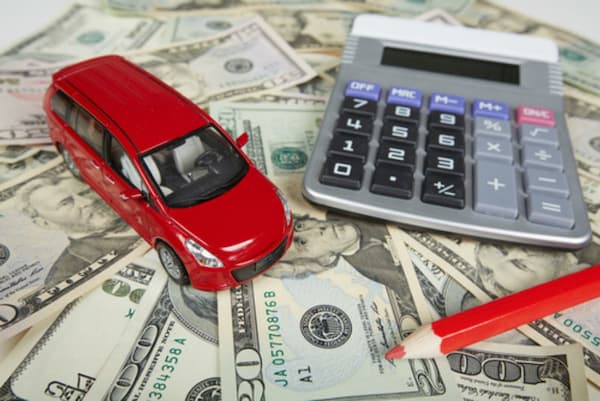
Interest rates are the cost of borrowing money. Interest rates change based on things like how good your credit score is and what the economy is doing.
Fixed Rates In Mortgages
Fixed rates in mortgages mean the interest rate you pay stays the same for the entire time you have the loan. This makes your payments predictable. You’ll pay the same amount every month, from the first payment to the last.
This is good if you like stability and want to know exactly how much you need to pay for your house each month.
It helps you plan your budget because the payment won’t change, even if interest rates in the market go up or down.
Lenders decide the fixed rate based on various factors, including how the economy is doing and your credit score when you’re paying with credit card.
Fixed And Variable Auto Rates
Auto loans have fixed or variable interest rates. A fixed rate stays the same throughout the loan, making your payments consistent. A variable rate changes, usually based on a market interest rate.
This means your monthly payments will go up or down. While variable rates mostly offer lower initial payments, they carry the risk of increasing over time.
Fixed rates offer predictability, making budgeting easier, but they will start higher than variable rates.
Influencing Factors
Interest rates don’t stay the same. They change because of different things:
-
Your Credit Score
Your credit score is the most influencing factor for interest rates. A high score means you’re good at handling your money, so lenders give you lower rates. A low score means higher rates because lenders see you as risky.
-
The Economy
When the economy is doing well, people spend more, and interest rates go up. When it’s not doing well, rates go down to encourage people to spend.
-
Loan Details
The amount of the loan and the time for loan repayment are some of the influencing factors. Big, long-term loans have higher rates because they’re riskier for lenders.
-
Federal Reserve
The Federal Reserve is one of the remarkable factors that influence federal rates. When they change interest rates, it makes your loan rates go up or down.
-
Inflation
When prices of things go up (inflation), interest rates usually go up too. Lenders do this to make sure they still make money even when money buys less.
-
Supply And Demand
When lots of people want loans, rates go up. When not many people want loans, mortgage deduction helps attract more borrowers.
Rate Lock Strategies
A rate lock strategy is when you agree with a lender to lock in an interest rate for a certain period while you’re getting a loan. This is used in mortgages more often than auto loans.
It protects you from rate increases while you’re finalizing the loan; if rates go up before you close on your house, you still get the lower rate you locked in.
However, in case rates fall, you will be stuck with the higher rate unless your lock agreement allows for a float down to the lower rate.
Rate locks last from 30 to 60 days, and sometimes longer, but they generally come with a fee, especially for longer periods.
Repayment Structures

Repayment structures are the plans you follow to pay back a loan. You usually make monthly payments that cover both the loan amount and interest.
Monthly Installments
When you get a loan, you usually pay it back in monthly installments. This means every month, you pay a part of what you owe plus some interest.
This setup helps you manage your budget because you know how much you need to pay each month. Over time, these payments add up, and eventually, you’ll have paid off the whole loan.
Amortization Schedules
An amortization schedule is a table that shows how your loan payments are spread out over time. It breaks down each payment into two parts:
Interest: One part of the loan goes towards the interest (the cost of borrowing the money), and
Principal Amount: The other part of the loan pays down the principal amount (the actual amount you borrowed).
In the beginning, you pay more towards the interest. But as you keep making payments, a larger part of your payment goes towards paying off the principal.
This schedule helps you see how each payment slowly reduces your debt and how much interest you’ll pay in total.
Early Repayment Options
Some loans let you pay them off early. This means if you come into some extra money, you will pay more than your usual monthly payment, or even pay off the whole loan all at once.
Doing this will save you money on interest because the sooner you pay off the loan, the less interest you’ll have to pay. However, not all loans have this option.
This fee is because the lender loses out on the interest they would have earned if you kept the loan for the full term.
Penalties For Defaults
In case you miss payments on your loan, you’re in default. This is bad news because it leads to penalties, like extra fees or a higher interest rate.
Moreover, it hurts your credit score, making it harder to get loans in the future. The lender will even take steps to get their money back, like taking the collateral (your house or car) or taking legal action.
It’s important to contact your lender if you think you might miss a payment, as they will be able to work with you to find a solution.
Creditworthiness
Creditworthiness is about how likely you are to pay back a loan. It’s like a trust score that banks and lenders use to decide if they should lend you money. Let’s break down the key parts:
Credit Score Importance
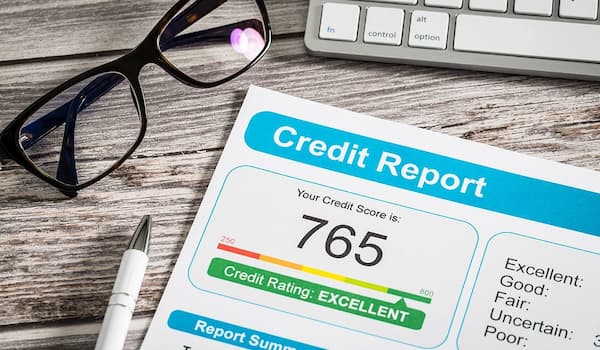
Your credit score is a number that shows how good you are at handling money you’ve borrowed.
A high score means you’re good at paying back loans on time, which makes lenders more likely to give you a loan with better terms, like lower interest rates.
This score is based on your past financial actions, like paying bills, the amount of debt you have, and how long you’ve had credit.
Credit Checks For Approval
When you apply for a loan, lenders look at your credit report to check your history of borrowing and repaying money. This is called a credit check. Here are 5 key points:
- Payment History: Lenders check if you pay your bills on time. Late payments make them think you won’t pay back the loan.
- Debt Amount: They see how much debt you already have. Too much debt generally means you can’t handle more.
- Credit History Length: Lenders like it when you’ve had credit for a long time. It shows you’re used to managing debt.
- New Credit: Applying for a lot of loans or credit cards at once looks bad. It seems like you’re in financial trouble.
- Credit Mix: Having different types of credit (like a credit card, car loan, and mortgage) is good. It shows you are able to handle various kinds of debt.
Improving Credit For Loans
Improving your credit score helps you get better loan terms. Here’s how to do it:
- Pay Bills on Time: Always pay your bills when they’re due. Late payments often hurt your credit score.
- Lower Your Debt: Try to pay down the money you owe, especially on credit cards. Using less of your available credit is good for your score.
- Keep Old Credit Cards Open: The longer your credit history, the better. When you have old credit cards you don’t use much, keeping them open will help your score.
- Limit New Credit Applications: Every time you apply for a new loan or credit card, it lowers your score a little. Only apply for new credit when you need it.
- Check Your Credit Report: Look for mistakes on your credit report. In case you find any, you should ask the credit bureau to fix them.
- Use a Mix of Credit Types: Having different types of credit, like a car loan and a credit card, shows that you’re good at managing different kinds of debt.
- Ask for Higher Credit Limits: When you get a higher limit on your credit card but keep your spending the same, it lowers your credit utilization ratio, which helps your score.
Co-Signers’ Roles
A co-signer is someone who agrees to pay your loan if you can’t. Having a co-signer with good credit will help you get a loan, especially if your credit isn’t great.
It’s a big responsibility for the co-signer, though, because their credit will be hurt if the loan isn’t paid back. Choose someone you trust to be your co-signer.
Default Consequences
When you don’t pay back a loan, it’s called defaulting. This leads to serious problems, like damaging your credit score, losing any collateral you used for the loan (like your house or car), and legal action from the lender.
It makes it harder and more expensive to borrow money in the future, so it’s important to always communicate with your lender if you’re having trouble making payments.
FAQs
1. Is Mortgage And Mortgage Loan The Same?

Yes, a mortgage and a mortgage loan are the same thing. They both mean borrowing money to buy a house. The house is used as a guarantee that you will pay back the money in time. The lender can take your house if you don’t pay it back.
2. Are All Mortgage Loans Alike?
No, all mortgage loans are not alike. There are different types, like fixed-rate, adjustable-rate, and government-backed loans. Each type has its own rules for interest rates, payment periods, and who can get them. This variety helps different people find the best loan for their needs.
3. What Type Of Loan Is A Mortgage?
A mortgage is a type of loan used to buy a house. It’s a long-term loan that you pay back over time, usually 15 to 30 years. The house you buy is used as security. If you don’t pay the loan, the lender can take the house.
Conclusion
In conclusion, understanding how mortgage and auto loans are similar will help you make smarter financial decisions. Both types of loans require you to pay back borrowed money over time, with interest.
Again both lanes use what you buy as a safety net for the lender. Whether you’re buying a home or a car, knowing these similarities will guide you through the borrowing process more confidently.
So, next time you think about loans, remember the key points on how mortgage and auto loans are similar and plan your finances wisely.