Venture Capital: How To Secure Funding For Startups
Starting a new business can be hard. Many startups need money to grow, build products, and reach customers. Traditional bank loans may not work for them because they often come with strict repayment rules. This is where venture capital comes in. So, what is venture capital?
Venture capital is money that investors give to new businesses to help them grow. In exchange, the investors get a share of the company. When the business does well, the investors make profit. Venture capital is usually different from loans, because the focus is on the business growth, not repayment.
In this guide, we’ll explore how venture capital works, the types of venture capital, and the key players involved. We’ll also discuss the benefits, risks, and what startups need to secure venture capital funding.
Key Takeaways
- Equity Investment: Venture capital funds startups by giving money in exchange for shares of the company.
- Profit Through Success: Venture capitalists earn profits when the startup succeeds, unlike loans that require fixed repayments.
- Focus on High Growth: Venture capitalists choose startups with strong growth potential and innovative business ideas.
- Long-Term Investment: Venture capital investments are aimed at long-term growth, rather than short-term profits or quick returns.
- Support Beyond Money: Along with funding, venture capitalists provide mentorship, resources, and business connections to startups.
What Is Venture Capital?
Venture capital is money that investors give to new businesses. These businesses are usually startups. They often have new ideas and want to grow fast. Venture capitalists give money to these companies. In return, they receive part of the company, known as equity. The money helps the businesses grow faster.
Venture capital is different from a bank loan. Companies do not pay back the money like they would with a loan. When the company does well, the venture capitalists make money. For example, an investor may give $500,000 to a startup. When the startup grows, the value of their investment could become $5 million. Venture capital is usually a form of private equity that is important for businesses that want to grow quickly but need money to do so.
Types Of Venture Capital

There are different stages of venture capital. Each stage supports a company at a different point in its growth. When a company is just starting, it needs small amounts of money. As it grows, it needs more money to expand. Investors provide funds at each stage based on the company’s progress and needs. These stages help startups move from an idea to a large, successful business. Here are the main types of venture capital funding:
Pre-Seed Funding
Pre-seed funding is the earliest stage. It is for startups that are just beginning. This stage helps founders develop their ideas. They may use the money for research or building a small team.
The amount of money is usually small, often between $10,000 to $100,000. Friends, family, or angel investors usually provide this money. This stage helps the business take its first steps before it becomes an official company.
Seed Funding
Seed funding is the next stage. It helps startups develop their product or service. At this stage, companies may already have a basic version of their product. They use the money to test and improve it.
Seed funding amounts can range from $100,000 to $2 million. Angel investors, venture capital firms, or startup accelerators provide this funding. The goal is to create a solid product and grow the team.
Early-Stage Funding
Early-stage funding is for companies that are ready to grow. These companies have a working product. They may also have some paying customers. Venture capitalists provide larger amounts of money, usually between $2 million and $15 million.
The company uses the money to expand its team, reach more customers, and increase sales. Early-stage funding helps the company grow from a small startup to a larger business.
Growth/Expansion Stage
Growth or expansion stage funding is for companies that are growing fast. These companies already have a solid product and many customers. They need money to grow even more. Investors may give between $15 million and $100 million.
The company uses the money to enter new markets or create new products. This stage helps the company become larger and more profitable.
How Does Venture Capital Work?
Venture capital helps startups grow by providing money. The process involves different players and steps. First, venture capital firms collect money from investors. These investors want to make a profit. Then, the venture capital firms invest this money into new companies. When the startup succeeds, the firm makes money. The investors also earn profits. Here is how venture capital is structured and how it works.
Structure Of Venture Capital Funds
Venture capital funds have a specific structure. The fund is made up of money from different investors. These investors form a group, and the venture capital firm manages the group. The firm invests the money in startups and helps them grow. The goal is to make the fund bigger by growing the companies it supports. Here are the key players in the structure.
Limited Partners (LPs)
Limited Partners (LPs) are the main investors in a venture capital fund. They give the money needed to invest in startups. LPs can be wealthy individuals, companies, or groups like pension funds. They do not manage the fund directly.
They trust the venture capital firm to use their money wisely. LPs expect high returns on their investment. For example, an LP may invest $1 million into a fund. They expect that money to grow if the startups succeed. LPs take a risk, but they also hope for big rewards.
General Partners (GPs)
General Partners (GPs) manage the venture capital fund. They work for the venture capital firm. GPs decide which startups to invest in. They also help the startups grow by giving advice and resources. GPs take an active role in the business. They might sit on the board of directors of the companies they invest in.
They earn money by taking a management fee from the fund. They also get a percentage of the profits. For example, a GP may take 20% of the profits when the startups succeed.
Venture Capital Firms
Venture capital firms are businesses that manage venture capital funds. These firms bring together LPs and GPs to create the fund. The firm finds new companies with high potential and invests in them. Venture capital firms look for startups that could grow fast and make a lot of money.
The firm earns money through management fees and profit shares. The firm’s goal is to make money for both the LPs and itself. A venture capital firm usually manages several funds at once. Each fund may invest in different startups.
How Venture Capital Firms Raise And Allocate Funds
Venture capital firms raise money by asking LPs to invest. The LPs provide the funds needed to start investing in companies. The firm then uses these funds to create a venture capital fund. The fund has a specific amount of money, such as $100 million.
The firm plans how to invest this money over several years. It looks for startups that fit its goals. When the firm finds a good company, it invests a part of the fund into that company. It may invest $5 million in one startup, for example. The firm keeps some money in reserve for future needs. The goal is to grow the companies and make profits for everyone involved.
Stages Of Venture Capital Investment

Venture capital investment happens in different stages. Each stage helps a company grow in a specific way. As the company grows, it needs more money and resources. Venture capital firms invest money based on the company’s development and goals. The investment amount and risk levels change at each stage. The goal is to support the company until it becomes successful and profitable. Here are the main stages of venture capital investment and how they work.
Seed Stage
The seed stage is the first step of venture capital investment. At this stage, the company is very new. It may only have a basic product or a small team. The company uses the money to test its idea in the market.
Venture capital firms invest a small amount, usually between $100,000 and $2 million. This money helps the company grow its team, build its product, and attract its first customers. The goal is to prove that the business idea can work. When the company does well, it moves to the next stage.
Early Stage
The early stage follows the seed stage. The company now has a working product and some customers. It shows signs of growth but needs more money to expand. Venture capital firms invest more at this stage, often between $2 million and $15 million. The money helps the company grow its team, improve its product, and reach more customers.
The firm also gives guidance and support to help the company grow faster. The early stage is important for building a strong business. It prepares the company for even bigger growth.
Growth Stage
The growth stage happens when the company is already successful. It has many customers, and it is making money. Venture capital firms invest a larger amount, often $15 million or more. The goal is to help the company expand quickly. The money may be used to open new offices, enter new markets, or launch new products.
The company focuses on becoming bigger and stronger. The venture capital firm wants to see fast growth and high returns. The growth stage helps the company become a leader in its industry.
Late Stage/Expansion
The late stage, also known as the expansion stage, is for companies that are well-established. The company has strong sales and a big customer base. It is ready to grow even more. Venture capital firms invest large sums, often $25 million or more.
The money helps the company expand its reach, buy other companies, or develop new technology. At this stage, the company may also prepare to go public. The goal is to make the company even more valuable. The venture capital firm aims for high profits when the company grows further or goes public.
Key Players In Venture Capital
Venture capital involves different types of investors and groups. These key players provide money and support to startups. Each type of player has its own role and goals. Some players give money at the very start, while others invest when the company is already growing. They all work together to help startups become big and successful. The money they invest helps new businesses grow, hire people, and build products. Here are the main key players in venture capital and their roles.
Venture Capital Firms
Venture capital firms are companies that invest money into startups. They collect money from other investors and create a fund. The firm then uses this fund to invest in promising startups. Venture capital firms usually invest in companies with high growth potential.
They take an active role in helping the startups grow. They provide advice, resources, and connections. These firms aim to make a profit when the startups become successful. They are one of the main sources of venture capital funding.
Angel Investors
Angel investors are individuals who invest their own money in startups. They usually invest in the early stages, like the seed stage. Angel investors often put in smaller amounts, such as $10,000 to $500,000. They may invest in startups they believe in or have experience with.
Angel investors can also offer advice and mentorship to the founders. Unlike venture capital firms, they invest on their own. Angel investors help startups get started when they are very new and need support.
Corporate Venture Capital
Corporate venture capital comes from large companies. These companies invest money in startups that are related to their own business. For example, a technology company may invest in a software startup. Corporate venture capital helps the company grow and also benefits the large company.
They may use the startup’s new ideas to improve their own products. Corporate venture capital investments can be big, often over $1 million. These investments help startups grow and give the large company access to new technology and ideas.
Accelerators And Incubators
Accelerators and incubators help startups grow by offering support and money. They usually work with very new startups. These programs provide small investments, often between $10,000 and $100,000. They also offer office space, mentorship, and training. Accelerators and incubators help startups develop their products and find customers.
Startups join these programs for a few months. At the end, they show their progress to other investors. The goal is to help startups grow quickly and attract more funding.
Family Offices
Family offices manage the wealth of wealthy families. They invest in different types of businesses, including startups. Family offices may act like venture capital firms. They invest money into companies with high growth potential. These investments can be large, sometimes over $1 million. Family offices often have long-term goals.
They want to grow their wealth by supporting successful startups. They may also provide advice and support to help the companies grow. Family offices play an important role in venture capital by providing funds from private sources.
Sovereign Wealth Funds
Sovereign wealth funds are government-owned investment funds. They invest money from a country’s wealth, such as oil profits or foreign exchange reserves. These funds often invest in startups and growing companies.
They usually invest large amounts, sometimes over $10 million. Sovereign wealth funds aim to grow their country’s wealth by supporting successful businesses. They may work with venture capital firms to find good investment opportunities. Sovereign wealth funds play a key role by providing large investments to help startups grow on a bigger scale.
What Are The Criteria For Venture Capital Investment?

Venture capital firms have clear rules for choosing companies to invest in. They do not just pick any startup. They check specific details to make sure the company has a good chance of growing. This process helps reduce risk and increases the chances of making money. Here are the main criteria venture capitalists use to decide on their investments.
Market Opportunity
Venture capital firms check if the startup is entering a large and growing market. They want to invest in companies that can reach many customers. A bigger market means more sales and more profit. The firm studies the market size and how fast it is growing.
They also look for trends that show a demand for the product. When the market opportunity is big, the startup has a better chance of success. For example, a startup targeting a $5 billion market is more attractive than one targeting a $500 million market.
Founding Team And Leadership
The team behind the startup is very important. Venture capitalists want to invest in strong and experienced teams. They look for founders who know their industry well. They also check if the team has worked together before and if they have a clear plan.
A good team can solve problems, build products, and lead the company to success. The firm believes that a strong team can turn ideas into real results. This is why they invest in startups with capable and skilled leaders.
Product Or Service Innovation
Venture capital firms look for startups with new and unique products. The product must solve a problem or meet a need in a new way. It should be different from what is already in the market. The firm checks if the product offers better value or uses new technology.
When the product is innovative, it can attract more customers. This makes it easier for the company to grow. Venture capitalists prefer investing in companies that create something valuable and different.
Scalability And Growth Potential
Scalability is the ability of a company to grow quickly. Venture capital firms want startups that can expand without high costs. The firm checks if the business model allows the company to grow and add customers easily.
For example, a software company can add more users with very little extra cost. This helps the company grow fast and reach new markets. Startups with a scalable model and high growth potential are more likely to get funding from venture capital firms.
Competitive Landscape
Venture capital firms study the competition before investing. They want to know if the startup can compete and win in the market. The firm checks if the startup’s product is better than others. They also look at how many competitors are in the market and how strong they are.
When the company has a unique product or strong advantage, it is more likely to succeed. Venture capitalists prefer investing in startups that can stand out and beat the competition.
Financial Metrics And Projections
Venture capital firms look at a startup’s financial numbers. They want to see if the company can make money and grow. The firm checks things like revenue, expenses, and profit margins.
They also look at future financial plans to see how much money the company expects to make. When the numbers show high growth, the firm feels more confident in investing. Venture capitalists use these numbers to predict if the company can become successful and make profits.
Exit Strategy
An exit strategy is a plan for how the venture capital firm will make money in the future. Venture capitalists want to know how and when they can sell their share of the company. They look for companies that have a clear plan for this. Common exit strategies include selling the company to another business or going public (IPO).
A good exit strategy shows that the startup has a plan to grow big enough for investors to earn high returns. This is important for venture capital firms when deciding to invest.
Benefits Of Venture Capital For Startups
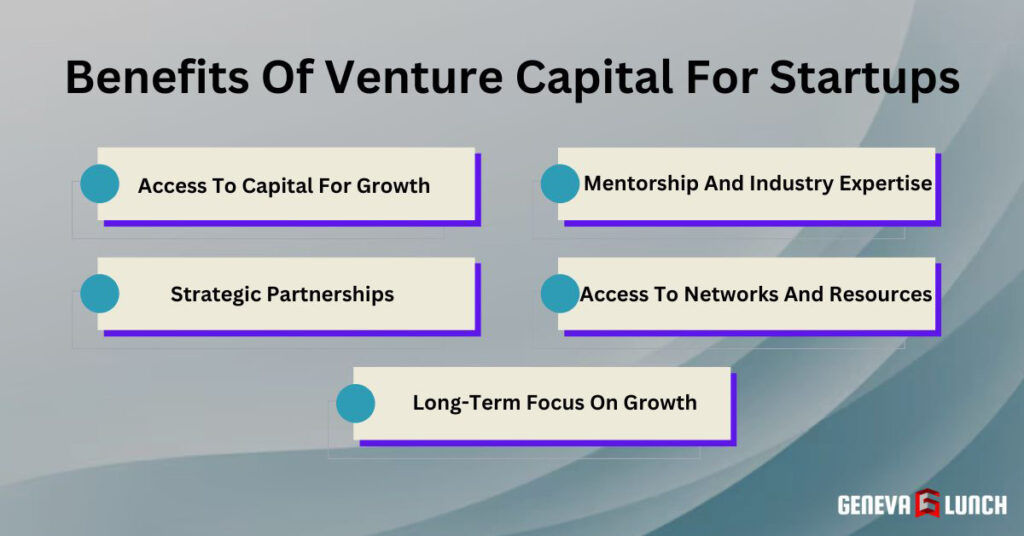
Venture capital gives startups many advantages. It helps them grow faster and become successful. Startups need more than just money to reach their goals. They need support, advice, and connections. Venture capital firms provide these things. They work closely with startups to help them grow. Here are the key benefits that venture capital offers to startups.
Access To Capital For Growth
Venture capital gives startups the money they need to grow. This is very important for new businesses that do not have enough cash. Startups use the capital to build products, hire employees, and reach new markets.
For example, a venture capital firm may invest $1 million in a startup. This money helps the company expand quickly. It allows the startup to develop new products or open new offices. Without this capital, it would be hard for the startup to grow and compete in the market.
Mentorship And Industry Expertise
Venture capital firms do more than invest money. They also provide advice and mentorship. The people who work at these firms often have a lot of experience. They know the industry well and understand how to grow a business. They guide the startup’s founders and help them make smart decisions.
This support helps the company avoid mistakes and grow faster. Startups can learn a lot from the expertise of venture capital firms. This makes mentorship a valuable benefit of venture capital.
Strategic Partnerships
Venture capital firms help startups form strategic partnerships. These partnerships can be with other companies, suppliers, or customers. These connections help the startup grow its business and improve its products. For example, a venture capital firm may connect a tech startup with a large software company.
This partnership can lead to more sales and better technology. Strategic partnerships help startups reach new customers and markets. The venture capital firm’s network makes it easier for startups to find these opportunities.
Access To Networks And Resources
Venture capital firms have large networks of people and resources. They connect startups to these networks. This includes other investors, experts, and business leaders. These connections open up many opportunities for the startup. For example, the firm might introduce the startup to other investors who can provide more money.
The firm may also connect the startup to suppliers or customers. Having access to these networks helps the startup grow faster. It gives the company the resources it needs to expand and succeed.
Long-Term Focus On Growth
Venture capital firms focus on long-term growth. They want the startup to succeed over many years. This is different from other investors who may only care about short-term profits. Venture capital firms work closely with startups to help them grow step by step.
They support the company through different stages of growth, from early development to expansion. This long-term support helps the startup become stronger and more stable.
Risks And Challenges In Venture Capital
Venture capital has many risks and challenges. It is not always a perfect solution for startups. Both founders and investors face problems when working together. Startups need to meet high expectations from venture capital firms. These challenges can make it hard for startups and investors to reach their goals. Here are the main risks and challenges in venture capital.
Dilution Of Ownership For Founders
When a startup receives venture capital, the founders often give up part of their ownership. This is called dilution. The venture capital firm gets shares in the company in exchange for the money it invests. As a result, the founders own less of the company.
For example, if a founder owns 100% of the company and takes venture capital, their ownership might go down to 70%. This can be hard for founders because they have less control over their business. Dilution is a common risk in venture capital funding.
High Risk Of Failure For Startups
Startups face a high risk of failure, even with venture capital. Many new companies do not succeed. They may not find enough customers or may run out of money. Venture capital firms invest in startups that have high growth potential, but this also means high risk.
Statistics show that about 90% of startups fail. When a startup fails, both the founders and the venture capital firm lose money. This makes it very risky for everyone involved.
Pressure To Scale Quickly
Venture capital firms expect startups to grow quickly. They want to see fast results because they plan to make a profit in a short time. This creates pressure for startups to expand rapidly. The company needs to hire more people, launch new products, or enter new markets fast.
When the startup cannot keep up with these demands, it may struggle or fail. Growing too quickly can also lead to mistakes and problems. This pressure to scale quickly is a big challenge for startups.
Difficulty In Securing Investment
Not all startups can get venture capital. The process of securing investment is hard. Venture capital firms receive many pitches from startups but only invest in a few. Startups must show a strong business plan and a lot of growth potential.
When the firm does not see enough promise, it will not invest. Some startups may struggle to find the right investors or meet the firm’s requirements. This makes it difficult for many startups to access the capital they need to grow.
Misalignment Of Goals Between VCs And Founders
Venture capital firms and startup founders may not always have the same goals. Venture capital firms want fast growth and high profits. Founders, however, may want to grow their business at a steady pace or focus on product development. This difference in goals can cause conflicts.
The venture capital firm might push for decisions that the founders do not agree with. For example, the firm may want the company to expand quickly, while the founders want to focus on improving their product. Misalignment of goals can create problems in the partnership.
Market Volatility Impact
Market changes can affect venture capital investments. When the market goes down, it can hurt the startup’s growth. For example, if a startup is in the technology sector, and the tech market crashes, it may lose customers or sales. This can make it hard for the startup to succeed.
Market volatility impacts venture capital firms, too. When the market is unstable, it becomes harder for them to sell their shares or make a profit. Both startups and venture capital firms face risks when markets are uncertain.
What Is The Role Of Venture Capital In Different Sectors?
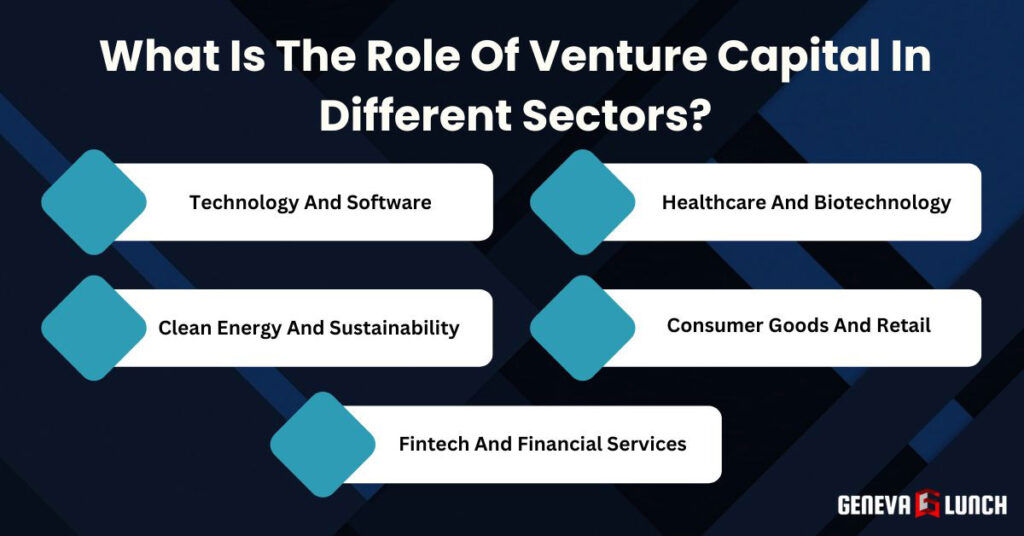
Venture capital plays a big role in many industries. It helps new companies grow in different sectors by providing money and support. Each sector has its own needs and challenges. Venture capital firms choose startups based on these needs. Here are some key sectors where venture capital is very important.
Technology And Software
Venture capital is very important in the technology and software sector. This sector often needs large investments to develop new products and technologies. Startups use venture capital to build apps, software, and other tech tools.
For example, companies like Facebook and Google received venture capital in their early stages. The money helps these companies grow quickly and hire skilled workers. Venture capital firms look for technology startups with innovative ideas. They help these companies scale and become leaders in the tech industry.
Healthcare And Biotechnology
The healthcare and biotechnology sector needs a lot of money for research and development. Venture capital firms invest in startups that develop new medicines, medical devices, and health technologies. These companies often take a long time to bring products to market.
They also face many regulations. Venture capital provides the money they need to continue their work. For example, a biotech company may use venture capital to test a new drug. Without this funding, many new treatments and technologies would not be possible.
Clean Energy And Sustainability
Venture capital also plays a big role in clean energy and sustainability. This sector includes companies that work on solar power, wind energy, and electric vehicles. These startups need money to develop and test new technologies. Venture capital helps them grow and bring their products to market.
For example, a company that makes solar panels may use venture capital to build its first factory. Venture capitalists invest in these startups to support clean energy and reduce pollution. This funding helps create solutions for a cleaner and greener future.
Consumer Goods And Retail
Venture capital helps startups in the consumer goods and retail sector grow their brands and reach more customers. These companies create products that people use every day, like food, clothes, and household items.
Venture capital firms invest in these startups to help them expand their product lines and open more stores. For example, a new clothing brand may use venture capital to set up an online store or launch a marketing campaign. This money allows consumer goods startups to grow fast and compete with bigger brands.
Fintech And Financial Services
Fintech and financial services are sectors that use technology to improve banking and payments. Venture capital firms invest in fintech startups that create new ways to manage money, pay bills, or transfer funds. These companies often need money to build secure systems and attract customers.
For example, companies like PayPal and Stripe received venture capital to grow their platforms. Venture capital supports innovation in this sector, helping startups create faster, easier, and safer ways for people to handle money.
How To Secure Venture Capital Funding
Securing venture capital funding is not easy. Startups need to show they have a strong plan and potential for growth. Venture capital firms look for companies that can grow quickly and make profits. Startups need to prepare and present their ideas well. They need to show why their business is a good investment. It takes time and effort to convince investors. Here are the key steps a startup should take to increase its chances of getting venture capital funding.
Crafting A Compelling Pitch
A compelling pitch is the first step to getting venture capital. The pitch is a short presentation about the business. It explains the product, market, and growth plan. The pitch must be clear and exciting. It should show why the startup is different and why it will succeed.
Startups should practice their pitch to make it strong and simple. A good pitch can grab the attention of investors and make them want to learn more. It is important to keep the pitch short and focused.
Preparing Financials And Projections
Venture capital firms want to see clear numbers. Startups need to show their current financials and future projections. This includes details about revenue, expenses, and profit margins. The numbers should be realistic and show a plan for growth.
Investors want to see that the startup can make money and manage costs well. They also look for a timeline of when the company expects to grow. Having strong financials helps the startup build trust with investors and shows that the business is well-planned.
Building A Strong Business Plan
A strong business plan is very important for securing funding. The business plan explains the company’s goals, market, and strategy in detail. It shows how the company plans to grow and compete. The plan includes information about the target customers and the steps needed to reach them.
It also covers the product development and marketing plans. Venture capital firms use the business plan to understand the startup’s vision. A clear and detailed business plan shows that the startup is ready to take on challenges and succeed.
Networking With Investors
Networking is a key part of securing venture capital. Startups need to build connections with investors. This can be done by attending events, reaching out on LinkedIn, or joining business groups. Meeting investors in person helps startups explain their ideas directly. It also builds trust and relationships.
Networking increases the chances of finding the right investors who are interested in the startup’s sector. Building good connections is important because investors are more likely to fund startups they know and trust.
Leveraging Accelerators And Incubators
Accelerators and incubators can help startups find venture capital. These programs provide support, training, and connections. Startups that join these programs get mentorship and small investments. They also get the chance to meet investors through demo days or pitch events.
Venture capital firms often attend these events to find new companies. Accelerators and incubators help startups become stronger and ready for funding. Joining one of these programs can improve a startup’s chances of getting venture capital investment.
Preparing For Due Diligence
Due diligence is the process where investors check if a startup is a good investment. Startups must prepare for this step. They need to provide all the necessary documents, such as financial statements, legal papers, and contracts. The startup should be ready to answer questions about its business model, team, and market.
Being organized and transparent during due diligence builds trust with investors. It shows that the startup is well-prepared and professional. This helps the startup pass the due diligence stage and secure venture capital funding.
Exit Strategies In Venture Capital

Exit strategies are important in venture capital. They show how investors will make money from their investment. Venture capital firms invest in startups with the hope of earning a return later. An exit strategy is a plan for how the firm will sell its shares and get profits. Startups need to have a clear exit strategy to attract investors. This gives investors confidence that they will earn money in the future. There are different types of exit strategies that startups and investors can use.
Initial Public Offering (IPO)
An Initial Public Offering (IPO) is when a company sells its shares to the public for the first time. This is one of the most common exit strategies in venture capital. When a startup becomes large and successful, it can go public. This means it lists its shares on a stock exchange.
Investors can then sell their shares to the public at a higher price. An IPO can bring in a lot of money for both the company and the investors. It also shows that the company has grown strong enough to succeed in the market.
Acquisition Or Merger
An acquisition happens when a larger company buys the startup. A merger is when two companies combine to form one. Both options are common exit strategies in venture capital. When a startup is acquired, the venture capital firm sells its shares to the buying company.
This allows the investors to earn money from the sale. Acquisitions often happen when a big company wants the startup’s technology or product. Mergers help two companies grow together and increase their market share. Both strategies give investors a chance to make a profit.
Secondary Sale
A secondary sale is when venture capital investors sell their shares to other investors. This often happens when the company is not yet ready for an IPO or acquisition. New investors buy the shares from the original investors.
This allows the original investors to exit and make money. Secondary sales are a flexible exit strategy. They give venture capital firms a way to get profits without waiting for a bigger event like an IPO. It also allows new investors to join and support the company’s growth.
Management Buyout
A management buyout is when the company’s own managers buy back the shares from the investors. The management team raises money to buy the shares held by venture capital firms. This gives the managers more control over the company.
For the investors, it provides a way to exit and earn money from their shares. Management buyouts usually happen when the company is stable and making profits. It is a way for the original founders and managers to take full ownership again. This exit strategy benefits both the investors and the management team.
FAQs
1. Can Small Businesses Get Venture Capital Funding?
Yes, small businesses can get venture capital funding, however, it is not very common. Venture capital firms usually look for businesses with high growth potential and that can make large profits. Small businesses that have new ideas, new technology, or a big market opportunity have a better chance.
2. What Is An Exit In Venture Capital?
An exit in venture capital is when investors sell their shares to earn profits. It is the way venture capital firms make money from their investment. Common exit methods include an IPO, an acquisition, or secondary sale. During an exit the investors sell their shares at a higher price than they bought them.
3. How Long Does It Take For A Venture Capital Investment To Pay Off?
It usually takes 5 to 10 years for a venture capital investment to pay off. Startups need time to grow and become profitable. The venture capital firm supports the company through different growth stages, like building products. Sometimes it takes longer if the company needs more time to reach its goals.
4. What Is A Limited Partner (LP) In Venture Capital?
A Limited Partner (LP) is an investor who gives money to a venture capital fund. LPs can be wealthy individuals, companies, or groups like pension funds. They do not manage funds or make decisions about where to invest. Instead, the venture capital firm manages the money on behalf of the Limited Partners.
5. What Is A Capital Call In Venture Capital?
A capital call is when a venture capital firm asks its investors (LPs) for money. LPs promise to invest a certain amount but do not give it all at once. When the firm finds a new startup to invest in it asks the LPs for money. This helps make sure the firm has the funds ready when it needs to invest.
Final Words
In conclusion, venture capital is a powerful tool that helps startups grow and succeed. It provides the necessary funds, support, and resources that new businesses need to manage their finances effectively. By investing in companies with high growth potential, venture capitalists and startups both benefit when the business becomes successful. This partnership drives innovation and creates opportunities for new businesses to thrive.