Why Is My Mortgage Not Showing On My Credit Report?

Discovering that your mortgage isn’t showing up on your credit report is a puzzling and slightly alarming situation. Why is my mortgage not showing on my credit report?
Your mortgage isn’t appearing on your credit report due to many reasons. These include the lender’s delay in reporting, a bureau’s reporting error, or your new mortgage. Contact your lender and credit bureaus to resolve discrepancies and ensure accurate reporting.
In this easy-to-follow guide, we’ll explore the common reasons for your mortgage not showing on your credit report. Let’s explore more and ensure your credit report is a true reflection of your financial journey.
Key Takeaways
- Reporting delays: Reporting Delays by lenders cause temporary absence on credit reports; resolves within 1 or 2 months.
- Information Accuracy: Incorrect personal information or lender errors prevent your mortgage from being accurately reported.
- Processing Time: New mortgages need a processing time of a few months before appearing on credit reports.
Reporting Delay

A reporting delay happens when lenders take time to update your credit bureaus. Let’s learn more about this:
Causes Of Reporting Lag
When a mortgage does not show up on a credit report right away, it is often due to a delay in reporting by the lender.
Lenders have their schedules for sending updates to credit bureaus. Sometimes this takes a few months.
Every lender reports at different times, usually once a month. However, the exact timing varies from one institution to another. This delay doesn’t mean something is wrong. It’s just part of the process.
Effects On Credit Profile
The delay in mortgage reporting temporarily affects your credit profile. The mortgage is not yet reflected. Thus, your credit report does not show this significant financial commitment. It also doesn’t show the responsibility of making regular payments.
This absence impacts your credit use ratio, a key component of your credit score. Adding a mortgage to your credit report will improve your score over time. It shows financial responsibility and diversification of credit types.
Your credit profile doesn’t accurately represent your true financial situation. This remains the case until the mortgage shows up.
Patience In Resolution
Patience is crucial when dealing with a reporting delay. It’s important to know that these delays are routine. They usually resolve themselves without any action needed from you.
However, if your mortgage still doesn’t appear on your credit report after a few months, reach out to your lender. Ensure they have your correct information and are reporting to the credit bureaus.
Contact the credit bureaus directly to report the issue if needed. Keep in mind that credit bureaus also have processing times. Updates to your credit report take some time to be visible.
Missing Info
Missing info on your credit report occurs due to incorrect loan details. This absence will affect your credit score. It doesn’t show your full financial responsibility.
Incomplete Loan Details
Sometimes, a mortgage doesn’t show on your credit report. This happens if the loan details are incomplete or incorrect.
This happens because of simple clerical errors. For example, misspelled names, wrong social security numbers, or inaccurate loan amounts.
These mistakes prevent the mortgage from being correctly matched to your credit profile. To report the loan correctly, all loan documentation must be accurate. Again, submit fully complete information. This is crucial.
Impact On Creditworthiness
Missing information leads to an incomplete picture of your creditworthiness. Lenders and credit evaluators rely on your credit report. They use it to assess your financial behavior and responsibility.
Your mortgage does not appear on your credit history. They will not see the full scope of your financial activities. They will not see your ability to manage significant loan obligations.
This omission affects your ability to secure future loans or favorable interest rates. Lenders may not have a comprehensive view of your creditworthiness.
Resolving Missing Information
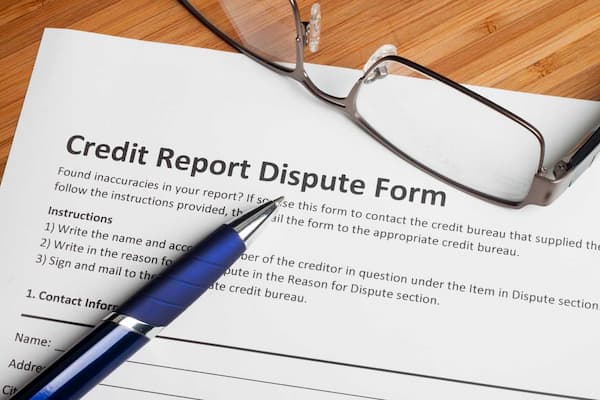
To fix missing information on your credit report, follow these steps:
- Check Your Documents
Make sure all your personal and loan details are correct in your mortgage documents.
- Contact your lender
Tell them about any inaccuracies they reported to the credit bureaus. Also, mention any missing details. Or tell them about any inaccuracies or missing details they might have reported.
- Update Information
Ask your lender to update the information with the credit bureaus if there are errors.
- File A Dispute
Sometimes, your lender says they’ve reported correctly. However, your credit report still doesn’t show your mortgage. Then file a dispute. Do this online through the bureaus’ websites.
- Follow Up
Keep in touch with both your lender and the credit bureaus. Ensure the information gets updated. It takes some time, but your persistence will pay off.
Lender Error
Lender errors cause your mortgage not to show on your credit report. This happens if they incorrectly report your details or fail to report at all.
Common Reporting Mistakes
Lender errors in reporting lead to your mortgage not appearing on your credit report.
These mistakes include failing to submit your loan information to the credit bureaus. Also, entering incorrect personal details like your name or Social Security number. Misreporting the status of your mortgage is another way to do this.
These errors are unintentional. They have a significant impact on your credit history. Identify and correct them as soon as possible.
Lender Communication Importance
Communicating with your lender is crucial when you suspect an error in reporting. A direct conversation often identifies and resolves the issue.
Stay proactive in your communication. Provide specific details about what you believe is missing or incorrect. Keeping a record of all communications is helpful. It escalates or reviews later.
Effective communication ensures that both you and your lender are on the same page. It also ensures that you are working towards the same goal. That goal is to accurately reflect your mortgage on your credit report.
Prompt Correction Strategies
Collect all relevant documents that prove your mortgage details and payments. Reach out to your lender with your evidence, clearly explaining the discrepancy.
Ask your lender to correct the error and update the information with the credit bureaus. After the correction, verify with the credit bureaus about the update.
Old Mortgage
An old mortgage should show as closed on your credit report once it’s paid off. Let’s learn more about old mortgages.
Handling Closed Loan Reporting
Even after you pay off or close a mortgage, it still shows up on your credit report. This shows future lenders that you completed a significant financial responsibility.
Closed accounts in good standing stay on your report for up to 10 years. This contributes positively to your credit history.
Ensure that your credit report accurately reflects the closure of your mortgage. This helps maintain a positive credit profile.
Credit Report Cleanup
Regularly review your credit report. Report old mortgages and other debts. Old or closed mortgages are listed as active. incorrect information negatively impacts your credit score.
Dispute any inaccuracies with the credit bureaus to clean up your credit report. Provide them with documentation that proves the loan is closed and in good standing.
This process helps ensure your credit report contains accurate and up-to-date information.
Ensuring Accurate Historical Data

Accurate historical data on your credit report is crucial. It helps build a strong credit score. It provides potential lenders with a complete picture of your financial responsibility.
In case your old mortgage is inaccurately reported, it misrepresents your financial history. Ensure all old mortgages are correctly listed as closed and with the right closing dates.
When you find discrepancies, contact the credit bureaus. Provide proof of the loan’s status and ask for an update.
Non-Traditional Financing
Non-traditional financing includes loans like private mortgages. These often are not reported to credit bureaus. This means payments often do not boost your credit score without extra steps.
Unique Reporting Challenges
Non-traditional financing, such as private mortgages or owner financing, faces unique challenges.
These types of loans are not always reported to credit bureaus by the lenders. These lenders often do not have the same obligations as traditional financial institutions.
This lack of reporting results in the loan not appearing on your credit report. This means your payments towards the loan won’t impact your credit score.
Borrowers should be aware of these challenges. They need to take more steps to ensure their payment history is recognized.
Understanding Non-Conventional Loans
Non-conventional loans differ from traditional mortgages in their terms, sources, and approval processes. They often come from private lenders, family members, or investment groups. They offer more flexible terms or requirements.
These loans are informal. This leads to complications in how credit bureaus view them.
Before entering into such agreements, understand the terms of your non-conventional loan. Know how the lender will report to credit bureaus.
Navigating Credit Reporting Nuances
Navigating the credit reporting nuances of non-traditional financing requires proactive measures. When your non-traditional loan isn’t reported to credit bureaus, ask your lender to do so. But keep in mind that they’re not obliged to.
Also, report the loan payments yourself through third-party services. They usually charge a fee.
Understanding these nuances helps ensure your loan positively affects your credit history. Despite its non-traditional nature.
FAQs
1. How Long Does It Take For A New Mortgage To Appear?

Typically it takes one to two months for a new mortgage to appear on your credit report. This time frame allows lenders to report the loan to the credit bureaus. Once reported, the bureaus update their records to include your mortgage.
2. Can My Privacy Preferences Affect Credit Reporting?
Your privacy preferences typically cannot affect your credit reporting. However, they can limit how your personal information is used for marketing. Lenders must report essential credit activities, like your mortgage. They must do so no matter what your preferences are.
3. What If There’s An Error In My Mortgage Submission?
If there’s an error in your mortgage submission you should immediately notify your lender. Your lenders typically correct inaccuracies. Again, they resubmit the corrected information to the credit bureaus. Their steps will ensure that your credit report accurately reflects your mortgage.
Conclusion
Several reasons lead to your mortgage not appearing on your credit report. From reporting delays to lender errors, understanding these causes helps you take the right steps.
The right steps will ensure your mortgage gets the recognition it deserves. Keep an eye on your credit report regularly and don’t hesitate to act if something seems off.
Now, you have the knowledge to tackle this situation head-on. This ensures your credit report accurately mirrors your financial journey.