Broker-Dealer: Types, It’s Functions, Services & Tips For Select

A broker-dealer is a key player in the finance world. They help clients buy and sell securities, such as stocks and bonds.
A broker-dealer acts as both an agent and a principal in securities transactions. As brokers, they execute trades for clients, and as dealers, they trade from their inventory. This dual function supports market liquidity and offers diverse services, including trading, advisory, and wealth management.
When picking a broker-dealer, it’s smart to check its history, understand its fees, and see what other services it offers. This helps ensure that you choose one that fits your needs well.
Key Takeaways
- Diverse Services: Broker-dealers provide essential services like trading, advisory, and wealth management for various client needs.
- Regulatory Adherence: They strictly follow SEC and FINRA rules to ensure client investment protection and market integrity.
- Flexibility in Trading: Offer multiple platforms for trading stocks, bonds, and other securities to suit different investor styles.
- Technological Integration: Use cutting-edge technology to enhance trading efficiency and provide up-to-date market information.
- Client-Centric Approaches: Focus on tailored financial solutions to help clients achieve specific investment goals effectively.
What Is A Broker-Dealer?
A broker-dealer is a key player in the financial industry, licensed to trade securities for its clients or on its account. In essence, a broker-dealer performs dual roles:
- As a Broker: They act as an agent for clients, facilitating the buying and selling of securities like stocks, bonds, and mutual funds.
- As a Dealer: They trade securities from their inventory. This makes them direct market participants, offering liquidity and better prices.
Broker-dealers are registered with regulatory bodies like the SEC. FINRA also oversees them. This registration helps ensure they follow fair trading practices. It also protects the financial markets’ integrity.
What Does A Broker-Dealer Do?
Broker-dealers offer a wide array of services that are vital to both individual and institutional investors:
- Market Making: Broker-dealers often act as market makers for some securities. They provide buying and selling prices to maintain liquidity in the market.
- Client Services: They execute clients’ buy and sell orders. They ensure transactions are efficient and at the best prices.
- Investment Advice: Many broker-dealers provide advisory services. They give investment advice based on clients’ goals and risk tolerance.
- Underwriting Services: Broker-dealers may also underwrite new securities. They help companies raise capital by issuing stocks or bonds to the public.
Broker-dealers are vital to the securities markets. They help a wide range of investors access and participate in these markets.
Types Of Broker-Dealers
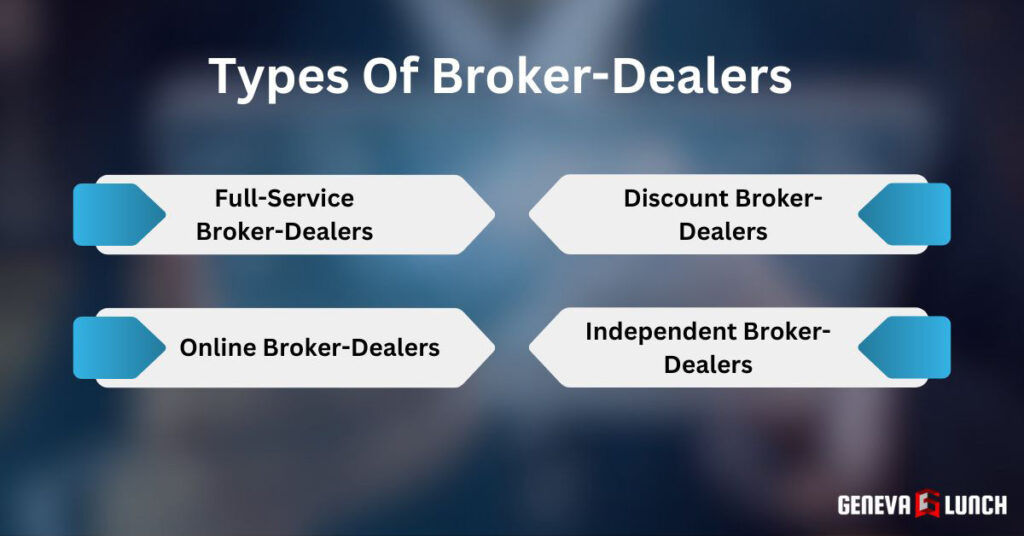
Broker-dealers are companies that help people buy and sell stocks and other investments. They come in different types, each offering unique services.
Full-Service Broker-Dealers
Full-service broker-dealers offer extensive help with investments. They provide personalized advice and handle almost every aspect of your investment needs.
Personalized Advice
These broker-dealers talk to you one-on-one to understand your money goals. They help you make plans that fit your needs. You get advice that works just for you, not just general tips.
Comprehensive Services
Full-service broker-dealers do more than just buy and sell stocks. They help you plan for the future, manage all your investments, and even advise on taxes. They care for all the details so you can feel safe about your money.
Discount Broker-Dealers
Discount broker-dealers offer a great choice if you want to save money on trading costs. They are different from full-service broker-dealers because they charge lower fees. This means you can trade stocks and other investments without spending much money.
Lower Costs
The main benefit of discount broker-dealers is that they help you save money. They do not charge high fees like other brokers, and you pay less when you buy or sell stocks. This is good for people who trade often and want to keep their costs down.
Limited Services
While you save money with discount broker-dealers, they offer fewer services. They do not give advice or research about what stocks to buy. You need to make your own decisions without their help. This is okay if you know a lot about stocks and feel confident making choices.
Online Broker-Dealers
Online broker-dealers use the internet to help you trade and manage your investments. They make buying and selling stocks easy and fast.
Digital Platforms
Digital platforms are websites or apps where you can see your investment, check prices, and buy or sell stocks. Everything happens online, which saves you time. You can access your account anytime from your phone or computer.
Automated Services
Automated services help you make decisions without needing a person. These systems use technology to find the best prices and times to buy or sell stocks for you. This means you can manage your investments efficiently, even without an expert.
Independent Broker-Dealers
Independent broker-dealers stand out because they are not tied to specific financial institutions. This allows them to tailor their services to meet diverse client needs.
Greater Flexibility
Independent broker-dealers offer more flexibility than their larger counterparts. They can adapt quickly to changes in the market or in their client’s needs, offering personalized advice and solutions that big firms often cannot.
Diverse Offerings
These broker-dealers provide a wide range of products and services. From unique investment opportunities to specialized financial advice, they cater to clients looking for options beyond the standard offerings of larger firms. This variety allows clients to explore new investment strategies that fit their goals.
What Are The Functions Of A Broker-Dealer?

A broker-dealer is critical to the financial markets. It performs key functions that support individual and institutional clients. Let’s explore these functions in detail.
Facilitating Transactions
One of the primary roles of a broker-dealer is to facilitate the buying and selling of securities. They act as middlemen to ensure efficient transactions between buyers and sellers.
Facilitating transactions involves more than just trading stocks and bonds. It also requires meeting all regulations for each transaction. The broker-dealer uses advanced tech to process trades quickly. It helps clients buy or sell at the best prices.
Providing Investment Advice
Broker-dealers give personalized investment advice based on a deep market analysis and their clients’ financial goals. They help investors find investments that match their goals and risks. This advice can be crucial for clients new to the market. It can guide them to make informed decisions and improve their returns.
Managing Client Portfolios
Another vital function is managing client portfolios. Broker-dealers regularly review and adjust these portfolios to optimize performance as markets change and clients’ needs evolve. This means rebalancing the portfolio to manage risk or responding to events that affect asset values. Effective portfolio management can help secure a client’s financial future.
Underwriting Securities
Underwriting is the process of issuing and selling new securities to investors, a critical service in capital markets. Broker-dealers, especially those tied to investment banks, often underwrite stocks and bonds for companies raising capital.
Broker-dealers buy these securities from the issuer and sell them to the public, ensuring the issuing company gets the funding it needs to grow or manage its debt.
Market Making Activities
Broker-dealers help the markets by creating a market that adds liquidity and stability. Market makers commit to buying and selling specific securities at stated prices. This constant market presence ensures a buyer or seller for these securities. It helps prevent drastic price changes and keeps the market orderly.
Services Offered By Broker-Dealers

Broker-dealers provide many services. They ensure that clients can easily buy and sell stocks, advise on investments, and manage their accounts.
Brokerage Services
Brokerage services are a big part of what broker-dealers do. They help clients trade and manage their accounts.
Trade Execution
When you want to buy or sell stocks, broker-dealers ensure your trades happen fast and at the best price. They use powerful tools to monitor the market and make smart choices quickly.
Account Management
Broker-dealers help you manage your investment account. They track your money and ensure your account stays healthy. They also discuss your investment goals to help you make good choices.
Advisory Services
Broker-dealers offer great advice on managing your money. They consider your needs and help you make smart choices.
Financial Planning
Financial planning means figuring out how to manage your money. A broker-dealer helps you set goals like saving for a house or planning for retirement. They make sure you know how to reach these goals.
Investment Recommendations
Investment recommendations help you know where to put your money to grow. A broker-dealer studies the market and tells you about good investment opportunities. They also help you understand the risks and benefits.
Ancillary Services
Besides the main services, broker-dealers offer extra help that can benefit clients in special ways.
Margin Lending
Broker-dealers can lend money to clients so they can buy more stocks than they can afford with their own money. This is called buying on margin. It lets clients aim for bigger profits but also means more risk.
Research And Analysis
They also provide research and analysis. They study the market and specific companies to help clients make smart investment choices. This service can guide clients on when to buy or sell stocks.
Retirement Planning
Broker-dealers also help clients plan for retirement. They offer advice on saving money and choosing the right retirement planning, which helps clients feel more secure about their future after they stop working.
Broker-Dealer Regulation
Broker-dealers are essential players in the financial markets. They operate under strict regulations to ensure they conduct business fairly and transparently. This section explains how these regulations work and who enforces them.
Key Regulatory Bodies
Several regulatory bodies oversee broker-dealers’ activities to protect investors and maintain the integrity of the financial markets. Here’s a detailed look at each:
SEC (Securities and Exchange Commission)
The SEC is a big deal in the finance world. It watches over the markets to ensure fairness and that nobody breaks the rules. When someone cheats, the SEC can step in.
FINRA (Financial Industry Regulatory Authority)
FINRA helps keep investors safe and ensures broker-dealers play by the rules. It tests and licenses brokers, monitors their actions and punishes those who don’t.
State Regulators
Each state has its regulators. These regulators help ensure broker-dealers follow local laws and are fair to residents of their state. When you have a problem with your broker, these regulators can help.
Key Regulations And Compliance
To stay fair and legal, broker-dealers follow important laws. These laws help protect everyone who buys and sells stocks and bonds.
Dodd-Frank Act
The Dodd-Frank Act came after the 2008 money crisis. It makes sure that broker-dealers act more carefully. They have to check who they’re dealing with and what they’re selling more closely. It helps stop another big money problem from happening.
Reg BI (Regulation Best Interest)
Reg BI rule says broker-dealers must put their client’s needs first. When they advise or help someone buy stocks, they must ensure it’s the best choice for the client, not just good for making money. This rule makes them check they’re doing the best for their clients, not just themselves.
Compliance Requirements
Broker-dealers must follow many rules to stay in business. This starts with getting the right licenses and continues with keeping good records.
Registration And Licensing
Broker-dealers must register with the right government bodies, like the SEC (Securities and Exchange Commission) and FINRA (Financial Industry Regulatory Authority). This step is important because it allows them to do business legally. They also need special licenses that show they know how to handle investments properly.
Record-Keeping And Reporting
Broker-dealers must keep detailed records of all transactions, including sales, purchases, and other important financial details. They also often report this information to the government, which helps ensure that everything they do is open and correct.
Regular Audits
Broker-dealers have regular audits. During an audit, experts check the broker-dealer’s records to ensure they follow all the rules. This helps catch any mistakes or wrong actions early, helping keep the trust between investors and broker-dealers strong.
How Do I Know Which Broker To Choose?
Choosing the right broker means looking at what they offer and how they help you. First, think about what you need. Do you want someone to advise, or do you need help buying and selling stocks? A good broker fits your needs and can grow with you as you learn more about investing.
Evaluating Services Offered
When picking a broker, look closely at the services they provide. A great broker offers more than just buying and selling. They can give you stock reports or help you plan for the future. Ensure they have easy-to-use tools and services that help you make smart choices.
Fee Structures
Knowing how brokers charge for their services will help you cut investment costs. There are some basic fee structures that brokers follow. They are:
Commissions
Some brokers charge a commission on each trade. This means you pay a small fee every time you buy or sell something. These fees can add up if you trade frequently, so consider how often you will trade.
Management Fees
Management fees are what you pay for the ongoing advice and management of your investments. They are usually a percentage of the money you have with the broker. The broker charges you this fee regularly (like every year or month).
Other Charges
Be aware of other charges, too. Some brokers charge fees for moving money out of your account or checking your balance. Always ask for a full list of fees so there are no surprises.
Technology And Trading Platforms
The technology a broker uses is very important. A good trading platform makes it easy for you to manage your investments. Look for platforms that are easy to use and have tools that help you track your trades. This will improve your trading experience and help you make smarter decisions.
Customer Service And Support
Good customer service is crucial. You want a broker who will respond quickly and help you with any questions. Check whether the broker offers phone, email, or live chat support. Ensure they have a team ready to help you whenever needed.
Read Reviews And Reputation
Read reviews and learn about the broker’s reputation. What do other customers say? Are they happy with the service? A broker with good reviews and a strong reputation is likely a safe choice. This can give you confidence that you are choosing a broker who will look after your investments well.
Benefits Of Facing Broker-Dealers

When you choose to work with broker-dealers, you gain significant advantages. These professionals will guide you through the complexities of investing and offer services to improve your financial strategy.
Access To A Wide Range Of Securities
Broker-dealers offer access to various securities, including stocks, bonds, mutual funds, and more. This wide selection allows you to diversify your portfolio more easily, which is key to managing risk.
Broker-dealers can provide the best options for your investment goals. They offer both emerging market investments and stable, blue-chip stocks.
Expert Financial Advice
One of the standout benefits of working with broker-dealers is their expert financial advice. They know market dynamics and financial theories. They can provide insights that may greatly affect your investment decisions. They can tailor their advice to your finances. They can help you understand complex investments and plan for future goals.
Efficient Transaction Execution
Broker-dealers excel at executing transactions efficiently. They use advanced trading technology and strategies to ensure your trades are done quickly and at the best prices.
This efficiency is crucial in markets where prices can change rapidly. Broker-dealers optimize execution to help you seize market opportunities and boost your investments.
Investment Strategies And Planning
Broker-dealers are experts who help create investment strategies that meet your goals. They check your finances and goals to suggest good investments. They create investment plans to maximize returns and manage risks.
This approach aligns your investments with your long-term goals. It helps you build a strong financial portfolio.
Regulatory Compliance And Protection
Broker-dealers are strictly regulated by the SEC and FINRA. These rules ensure that brokers act with integrity and transparency and protect investors from unethical practices. By meeting these standards, broker-dealers secure your transactions. You can trust they will manage your assets responsibly.
Portfolio Management Services
Broker-dealers offer portfolio management services. They manage your investments, monitor the market, and adjust your portfolio to optimize performance in response to market changes and your needs.
This active management approach better aligns with your goals and risks, ensuring your investments work hard for you.
Access To Initial Public Offerings (IPOs)
A major benefit of working with broker-dealers is their access to IPOs. IPOs can be lucrative investment opportunities, often unavailable to the general public. Broker-dealers have the network and expertise to offer these opportunities.
They allow you to invest in promising companies from the start, which can lead to substantial returns as the companies grow and mature.
Challenges Facing Broker-Dealers

Broker-dealers face many challenges today. These challenges make it hard for them to do their jobs well. Let’s talk about the big problems they meet and why these are important.
Regulatory Compliance
Broker-dealers must follow many rules. These rules help keep the money market safe and fair for everyone. They need to keep up with new rules that change often.
When they do not follow the rules, they can get in big trouble. They must check their work carefully to make sure they do everything right.
Technological Adaptation
Technology changes fast. Broker-dealers need to use new tools to stay good at their jobs. These tools help them make better decisions and serve their customers well. Using old tools can make them fall behind others. So, they always need to learn about new technology.
Competitive Market
The market has many players, and it is hard to be the best. Broker-dealers must work hard to stand out. They need to offer good services at good prices. They also have to make sure their customers are happy and trust them. This means they always have to find new ways to be better.
Managing Client Expectations
Broker-dealers often deal with clients who have high or specific expectations for investment returns. Clients want quick, high returns on investments.
Broker-dealers must explain market risks clearly and set realistic expectations. They guide clients on long-term growth. They help them understand market changes. They keep clear, ongoing communication to maintain trust.
Economic Factors
Economic factors greatly impact broker-dealers’ operations. Changes in interest rates, inflation, and economic downturns can affect market conditions. When the economy is unstable, investments may not perform as well, which can lead to unhappy clients.
Broker-dealers must stay informed and adapt to manage these economic shifts. They use their expertise to safeguard investments and navigate through various market conditions.
Trends And Developments In The Broker-Dealer Industry

The broker-dealer industry is changing fast. New tools and ways to do business are shaping the future. People who work in this field need to keep up with these changes to do well.
Impact Of Technology
Technology plays a big role in how broker-dealers work today. It helps them serve their clients better and faster.
Robo-Advisors
Robo-advisors are a big help in the broker-dealer industry. They use computers to manage money. These advisors make it easy for people to invest their money. They look at what you need and then use this info to pick the best investments for you. This is all done very quickly and costs less than a human advisor.
AI And Machine Learning
AI and machine learning are also changing the game. These technologies help broker-dealers make smart choices. They can see patterns in the market that people may not notice. This means they can make better decisions about when to buy or sell. AI helps make sure every client gets the best possible deal on their trades.
Regulatory Changes
Regulations are crucial in the broker-dealer industry. They help keep the process fair and safe for everyone. Let’s look at the latest regulatory updates.
New Compliance Requirements
Recently, new rules have come into play. These rules ensure broker-dealers do their jobs and prioritize clients. Now, broker-dealers must follow stricter guidelines when handling trades and advising clients. This change aims to increase transparency and trust between clients and their brokers.
Impact On Operations
These new rules affect how broker-dealers run their day-to-day operations. For example, they need to use better systems to track and report trades. They also must train their staff more often to stay up-to-date with the latest regulations. All this means broker-dealers need to invest more in technology and training. This investment helps them meet new standards. It will improve client service.
Market Trends
The market for broker-dealers shows some clear trends. Two of the most important are the rise of discount brokers and the growth of online trading.
Shift To Discount Brokers
Discount brokers are becoming more popular. They offer lower fees because they provide fewer services. People like them because they make trading less expensive. Clients can buy and sell stocks without advice, which cuts costs.
Growth Of Online Trading
Online trading is growing fast. It lets people trade stocks and other items on the internet. This method is easy and fast. More people now trade from their phones or computers. This change makes trading possible for more people around the world.
FAQs
How Do Broker-Dealers Differ From Investment Advisors?
Broker-dealers execute trades and may offer investment advice mainly focusing on transactions. They profit from commissions and fees. In contrast, a registered investment advisor provides tailored financial planning and investment advice, focusing on long-term client interests and strategies.
What Is The Difference Between A Full-Service And Discount Broker-Dealer?
A full-service broker-dealer provides comprehensive services, including personalized investment advice, portfolio management, and financial planning. In contrast, a discount broker-dealer offers lower fees but limited services, focusing primarily on trade execution without any investment advice.
What Is A Clearinghouse In The Context Of Broker-Dealers?
In broker-dealers’ context, a clearinghouse acts as an intermediary, ensuring the smooth execution and settlement of transactions. It manages the transfer of funds and securities, mitigates risk, and provides a system for post-trade processing, which is crucial for maintaining market stability.
What Are The Risks Associated With Investing Through A Broker-Dealer?
Investing through a broker-dealer carries risks such as conflicts of interest, where the firm may prioritize its profits over your best interests. Market risks and fees can also diminish returns. To mitigate these risks, ensure your broker-dealer is regulated by bodies like the SEC and FINRA.
How Do Broker-Dealers Ensure Best Execution For Trades?
Broker-dealers ensure best execution for trades by continuously monitoring market conditions, leveraging advanced trading technology, and executing orders at the most favorable terms. They also adhere to strict regulatory standards and maintain transparent policies to protect client interests.
How Do Broker-Dealers Stay Compliant With Changing Regulations?
Broker-dealers ensure the best execution for trades by rigorously monitoring market conditions, using advanced algorithms, and leveraging strong relationships with multiple trading venues. They prioritize client interests and aim for optimal pricing and execution speed to enhance trade outcomes.
Final Word
Broker-dealers are crucial in the financial markets, providing a range of services from trading to wealth management for both individual and corporate clients. When selecting a broker-dealer, it’s essential to review their track record and clearly understand their fee structure.Choosing the right broker-dealer is key to effectively managing your investments and reaching your financial objectives as they can be one of the key financial advisors in your financial planning. Ensure they comply with regulations enforced by financial authorities to safeguard your investments.