Robo-Advisor: How It Works, Types, Features & Who Should Use

Investing can be confusing and expensive. Many people are looking for simpler and cheaper ways to invest their money. One popular solution is the robo-advisor. But what is a robo-advisor?
A robo-advisor is an online service that helps you invest. It uses algorithms to manage your money. You answer questions about your goals and risks. The robo-advisor creates a plan for you. It charges lower fees than human advisors. It is usually good for beginners and tech-savvy people.
In this guide, we’ll explain what robo-advisors are and how they work. We’ll discuss their key features, the benefits they offer, the different types of robo-advisors and help you choose the right one.
Key Takeaways
Automated Investment Management: Robo advisors use algorithms to create and manage your investment plans automatically.
Cost Efficiency: They charge lower fees compared to traditional human advisors, making investing more affordable.
Advanced Features: Robo advisors offer features like automatic rebalancing and tax-loss harvesting for better portfolio management.
Accessibility: You can start investing with small amounts and manage your account online or through an app.
Personalized Plans: Robo advisors create customized investment plans based on your goals and risk tolerance.
What Is A Robo-Advisor?
A robo-advisor is a digital platform. It provides automated financial services. These services include investment advice and management. Robo-advisors use algorithms. They analyze data to make decisions. This helps people invest their money. They are available online.
Robo-advisors are affordable. Some start with as little as $500. They charge low fees. Fees can be around 0.25% of your investment. This is cheaper than human advisors. They are easy to use. You answer simple questions about your goals. The robo-advisor creates a plan. It buys and sells investments for you. This helps your money grow over time. Many people use robo-advisors. They are popular for their simplicity and cost.
How Robo-Advisors Work
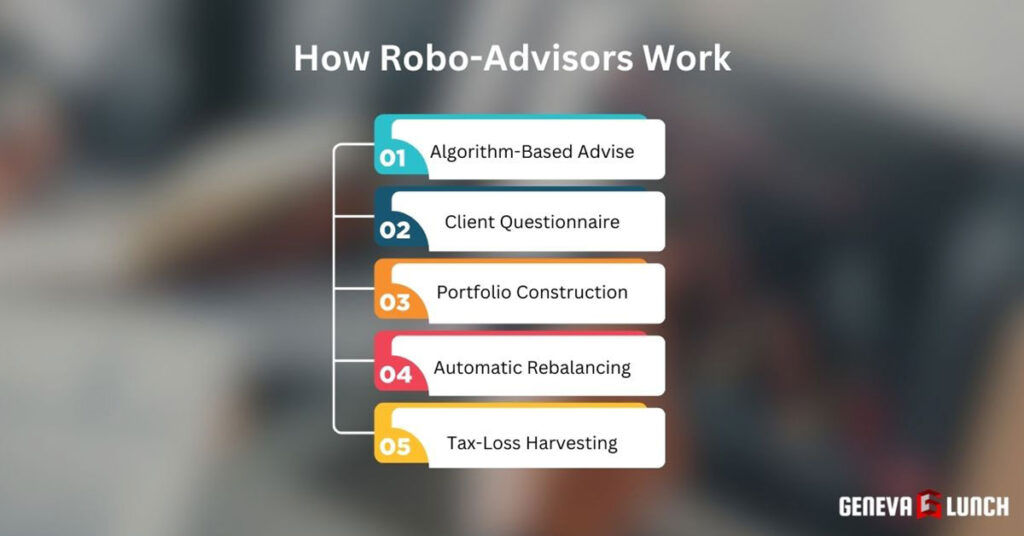
Robo-advisors use technology to help you invest. They make investing easy and affordable. You do not need to be an expert. The robo-advisor does the hard work for you. It uses a few simple steps to manage your money. Here is how they work:
Algorithm-Based Advice
Robo-advisors use algorithms. Algorithms are sets of rules. These rules analyze data. The data comes from the stock market and other sources. Robo-advisors use this data to make decisions. They decide which investments to buy or sell. This helps your money grow over time.
Algorithms work quickly and accurately. They do not have human emotions. This makes them reliable. They make sure your investments are in good hands.
Client Questionnaire
First, you fill out a questionnaire. The questionnaire asks about your goals. It asks if you want to save for a house or retirement. It asks about your risk tolerance. This means how much risk you can handle.
It also asks about your investment timeline. This is how long you plan to invest. The robo-advisor uses your answers. It creates a custom investment plan for you. This plan matches your needs and goals.
Portfolio Construction
The robo-advisor builds a portfolio for you. A portfolio is a collection of investments. It includes stocks, bonds, and other assets. Stocks are shares of a company. Bonds are loans you give to a company or government. Other assets can be real estate or commodities.
The robo-advisor chooses these based on your questionnaire answers. The portfolio is diverse. This means it has different types of investments. Diversity helps reduce risk. It increases the chance of returns.
Automatic Rebalancing
Investments change in value over time. This can make your portfolio unbalanced. For example, if stocks grow more than bonds, your portfolio might have too many stocks.
Robo-advisors automatically rebalance your portfolio. They sell some investments and buy others. This keeps your portfolio in line with your goals. Rebalancing happens regularly. It can happen once a month or once a quarter. This helps keep your investments on track.
Tax-Loss Harvesting
Some robo-advisors offer tax-loss harvesting. This helps you save money on taxes. Here’s how it works: the robo-advisor sells investments that have lost value. Then, it buys similar investments. This keeps your portfolio balanced. It also reduces your taxable income.
For example, if you lost $1,000 on a stock, selling it can reduce your taxable income by $1,000. This means you pay less in taxes. Tax-loss harvesting can happen automatically. This service can save you a lot of money over time.
Types Of Robo-Advisors
There are different types of robo-advisors. Each type offers unique features. They cater to different needs and preferences. Understanding the types of robo-advisors can help you choose the right one for your needs. Here are the main types:
Pure Robo-Advisors
Pure robo-advisors are fully automated. They use algorithms to manage your investments. There is no human advisor involved. They are usually the cheapest option. Examples include Betterment and Wealthfront. They provide simple and easy investment solutions.
Pure robo-advisors are great for beginners. They require little to no human interaction. You can start with a small amount of money. Some start with as little as $500.
Hybrid Robo-Advisors
Hybrid robo-advisors combine technology and human advisors. They use algorithms to manage investments. They also offer access to human advisors. This can be through phone calls or online chats. Examples include Vanguard Personal Advisor Services and Schwab Intelligent Portfolios.
Hybrid robo-advisors are good for those who want both automation and human advice. They may have higher fees than pure robo-advisors. They offer more personalized service.
White-Label Robo-Advisors
White-label robo-advisors are platforms that other companies can brand as their own. They provide the technology, and companies add their own branding. This allows financial institutions to offer robo-advisor services without building their own. Examples include Bambu and DriveWealth.
White-label robo-advisors help companies quickly enter the robo-advisor market. They save time and money on development. They offer flexibility for businesses.
Niche Robo-Advisors
Niche robo-advisors focus on specific groups or investment types. They tailor their services to unique needs. Examples include Ellevest, which targets women investors. Another example is M1 Finance, which offers customizable portfolios.
Niche robo-advisors provide specialized advice. They cater to specific preferences or values. They may charge higher fees for their specialized services. They attract clients with specific goals.
B2B Robo-Advisors
B2B robo-advisors provide services to businesses. They help companies offer robo-advisor solutions to their clients. Examples include AdvisorEngine and Vestmark. B2B robo-advisors work with financial advisors, banks, and other institutions. They provide the technology and support.
This helps businesses expand their offerings. B2B robo-advisors improve client satisfaction. They help businesses stay competitive in the market.
Key Features Of Robo-Advisors
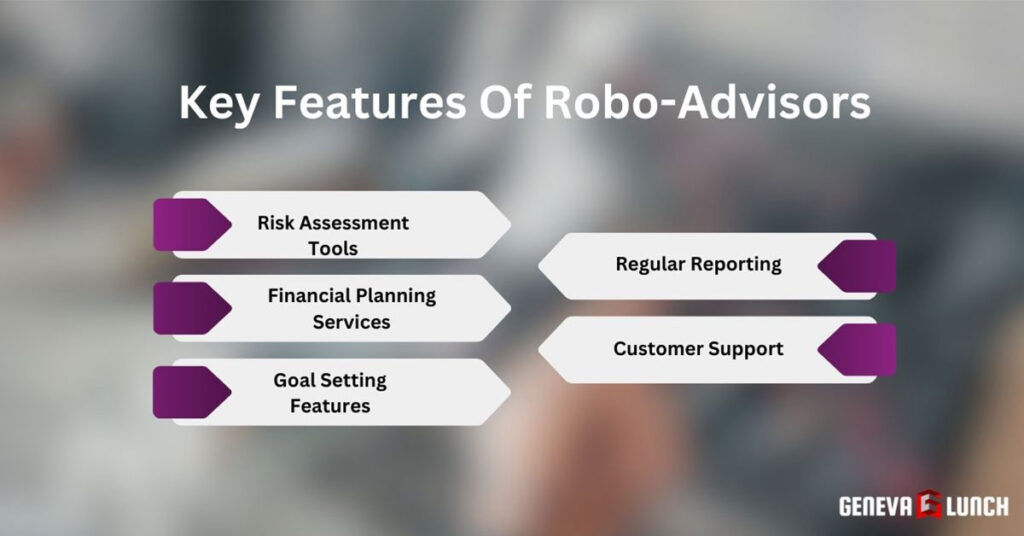
Robo-advisors offer many features. These features help you manage your money. They make investing easy and simple. Here are the key features of robo-advisors:
Risk Assessment Tools
Robo-advisors have risk assessment tools. These tools help you understand your risk level. They ask questions about your financial situation. They ask about your investment goals. They ask how much risk you can handle.
The tools use your answers to assess your risk level. This helps the robo-advisor create a suitable investment plan for you. It makes sure your investments match your risk tolerance.
Financial Planning Services
Robo-advisors offer financial planning services. These services help you plan for the future. They help you save for big goals. Goals like buying a house or retiring. The robo-advisor creates a plan based on your goals.
It helps you stay on track. It adjusts the plan as needed. This ensures you reach your financial goals. Some robo-advisors even offer advice on budgeting and debt management. They provide a complete financial plan.
Goal Setting Features
Robo-advisors have goal setting features. These features help you set and achieve your financial goal. You can set goals for saving money. You can set goals for investing.
The robo-advisor tracks your progress. It shows you how close you are to reaching your goals. It adjusts your investments to help you stay on track. This makes it easy to achieve your financial goals.
Regular Reporting
Robo-advisors provide regular reports. These reports show the performance of your investments. They show how much money you have made or lost. They provide updates on your portfolio. The reports are easy to understand.
They use simple language and clear numbers. This helps you stay informed about your investments. It makes it easy to see how your money is growing.
Customer Support
Robo-advisors offer customer support. This support helps you with any questions or problems. You can contact customer support through phone, email, or chat. Some robo-advisors also offer human advisors.
These advisors provide personalized advice. They help you make better financial decisions. Customer support is available to help you at any time. This makes using a robo-advisor easy and stress-free.
Who Should Use A Robo-Advisor?
Robo-advisors are good for many people. They make investing simple and easy. Here are some people who should use a robo-advisor:
New Investors
New investors can benefit from robo-advisors. They are easy to use. You do not need to know a lot about investing. Robo-advisors do the hard work for you. They create a plan based on your goals. They manage your investments. This helps new investors start without feeling overwhelmed.
Cost-Conscious Investors
Robo-advisors are affordable. They charge low fees. Fees can be around 0.25% of your investment. This is cheaper than traditional human advisors. Cost-conscious investors can save money by using robo-advisors. They still get good investment advice and management. This makes it a smart choice for those who want to save on costs.
Tech-Savvy Individuals
Tech-savvy individuals will like robo-advisors. They are online and easy to access. You can use them on your computer or phone. The process is straightforward. You sign up, fill out a questionnaire, and start investing. Tech-savvy people will find the technology and automation appealing. It fits well with their comfort with online tools.
Those Seeking Simplicity
People who want simplicity should use robo-advisors. The process is simple and clear. You do not need to make complicated decisions.
The robo-advisor handles everything. It creates a plan, manages your investments, and keeps your portfolio balanced. This makes investing stress-free. People looking for an easy way to invest will find robo-advisors ideal.
Target Audience For Robo-Advisor

Robo-advisors are designed for people who want to invest without spending too much time or money. They are ideal for those who prefer technology over traditional methods. Understanding who uses robo-advisors can help you see if they are right for you. Let’s look at the main groups who benefit from robo-advisors:
Millennials
Millennials are a big target audience for robo-advisors. They are comfortable with technology. They like using online tools. Robo-advisors are easy to use and fit their lifestyle.
Many millennials are new to investing. Robo-advisors help them start with small amounts of money. For example, some robo-advisors let you start with just $500. This makes it easy for millennials to begin investing.
Tech-Savvy Investors
Tech-savvy investors enjoy using robo-advisors. They like technology and automation. Everything is online and easy to access. You can manage your investments on your computer or phone. The process is straightforward.
Tech-savvy investors appreciate the convenience. They can quickly check their portfolio and make changes if needed. This group values the efficiency of robo-advisors.
Cost-Conscious Individuals
Cost-conscious individuals find robo-advisors appealing. They charge low fees. For example, some robo-advisors charge around 0.25% of your investment. This is much cheaper than traditional human advisors.
Cost-conscious investors save money on fees. They still get good investment advice and management. This makes robo-advisors a smart choice for those who want to save money.
DIY Investors
DIY (Do-It-Yourself) investors like robo-advisors. They want control over their investments. Robo-advisors offer customizable options. DIY investors can set their own goals and preferences.
The robo-advisor creates a plan based on their input. This allows DIY investors to have a hands-on approach. They can still benefit from automation and technology.
Small Business Owners
Small business owners benefit from robo-advisors. They often have limited time to manage investments. Robo-advisors handle the investment process for them. This saves time and effort. Small business owners can focus on their business while their money is managed.
Robo-advisors provide regular reports. These reports show how the investments are doing. This helps small business owners stay informed without spending too much time on it.
Get Started With A Robo-Advisor
Starting with a robo-advisor is easy. It helps you invest your money. They make investing simple. They use technology to manage your money. Here is how you can start using a robo-advisor:
Research And Selection
Research different robo-advisors. Compare their features. Look at the fees they charge. Some charge around 0.25% of your investment. Check if they offer the services you need. Read reviews from other users. This helps you make an informed choice.
Choose a robo-advisor that matches your goals and preferences. Consider starting with well-known robo-advisors like Betterment or Wealthfront. They are popular and have good reviews.
Creating An Account
Go to the robo-advisor’s website. Click on the sign-up button. Fill out the required information. This includes your name, email, and password. You might need to provide more details like your address and phone number.
Follow the instructions to verify your account. Once done, you have created your account. Make sure to use a strong password to protect your information. Keep your login details safe and secure.
Completing Risk Assessment
Next, you will complete a risk assessment. This is a questionnaire. It asks about your financial situation. It asks about your investment goals. It asks how much risk you can handle. Your answers help the robo-advisor understand your risk tolerance.
This information is used to create a custom investment plan for you. The risk assessment usually takes a few minutes to complete. Answer honestly to get the best results.
Setting Financial Goals
Set your financial goals. Decide what you want to achieve. You might want to save for a house or retirement. Enter your goals into the robo-advisor. The robo-advisor will create a plan to help you reach these goals. It will track your progress and keep you on track.
You can set multiple goals. For example, you can set a goal to save $20,000 for a house and another goal to save $100,000 for retirement. The robo-advisor will help you reach each goal.
Funding The Account
Finally, you need to fund your account. Link your bank account to the robo-advisor. Transfer money to your robo-advisor account. Some robo-advisors let you start with as little as $500. You can set up automatic transfers. This helps you invest regularly.
Once your account is funded, the robo-advisor will start investing your money according to your plan. Make sure to check your account regularly. This helps you stay informed about your investments.
Setting Up A Robo-Advisor Account

Setting up a robo-advisor account is simple. Follow these steps to get started. Each step helps you create and manage your investment account. Here is what you need to do:
Choosing The Right Platform
First, choose the right platform. Look at different robo-advisors. Compare their features and fees. Some charge around 0.25% of your investment. Check if they offer the services you need. Read reviews from other users.
Choose a platform that fits your goals. Popular options include Betterment and Wealthfront. Make sure the platform is easy to use.
Completing The Questionnaire
Next, complete the questionnaire. The questionnaire asks about your financial goals. It asks about your risk tolerance. This means how much risk you can handle. It asks about your investment timeline. Answer honestly. The robo-advisor uses your answers to create a custom plan. This plan matches your needs and goals.
Funding Your Account
Then, fund your account. Link your bank account to the robo-advisor. Transfer money to your robo-advisor account. Some robo-advisors let you start with as little as $500. You can set up automatic transfers. This helps you invest regularly. Make sure to check your account balance. This ensures you have enough money to invest.
Selecting Investment Preferences
After funding your account, select your investment preferences. Choose the types of investments you want. This can include stocks, bonds, and other assets. The robo-advisor will suggest options based on your questionnaire answers. You can adjust these preferences. Make sure your choices match your risk tolerance and goals.
Reviewing And Adjusting
Finally, review and adjust your account. Check your investments regularly. Make sure they are performing well. The robo-advisor will automatically adjust your portfolio. This keeps it balanced.
You can also make changes if needed. Review your goals and preferences. Update them if your situation changes. This helps you stay on track with your financial goals.
Popular Robo-Advisor Platforms
There are many robo-advisor platforms. Each has its own features and benefits. Here are some popular options. These platforms are well-known and trusted. They help many people invest their money.
Betterment
Betterment is a popular robo-advisor. It is easy to use. Betterment charges a low fee of 0.25% of your investment. You can start with any amount of money. Betterment offers automatic rebalancing.
It also offers tax-loss harvesting. This helps you save money on taxes. Betterment is great for beginners. It provides simple and effective investment management.
Wealthfront
Wealthfront is another well-known robo-advisor. It also charges a low fee of 0.25%. You need at least $500 to start with Wealthfront. It offers many features like automatic rebalancing and tax-loss harvesting.
Wealthfront also has financial planning tools. These tools help you plan for big goals like buying a house. Wealthfront is good for people who want a lot of features and low fees.
Vanguard Personal Advisor Services
Vanguard Personal Advisor Services combines technology with human advisors. It charges a fee of 0.30% of your investment. You need at least $50,000 to start with Vanguard.
It offers personalized advice from human advisors. Vanguard is great for people who want both automation and human guidance. It is best for those with more money to invest.
Schwab Intelligent Portfolios
Schwab Intelligent Portfolios is a robo-advisor from Charles Schwab. It has no management fees. You need at least $5,000 to start.
Schwab Intelligent Portfolios offers automatic rebalancing. It also offers tax-loss harvesting. It uses a diverse range of investments. Schwab Intelligent Portfolios is good for people who want no management fees and a trusted name.
Personal Capital
Personal Capital offers both robo-advisor services and human advisors. It charges a fee of 0.89% of your investment. You need at least $100,000 to start. Personal Capital offers many tools for tracking your finances. It provides personalized advice. Personal Capital is best for those with a lot of money to invest. It is good for people who want detailed financial planning.
Costs And Fees Of Robo-Advisor
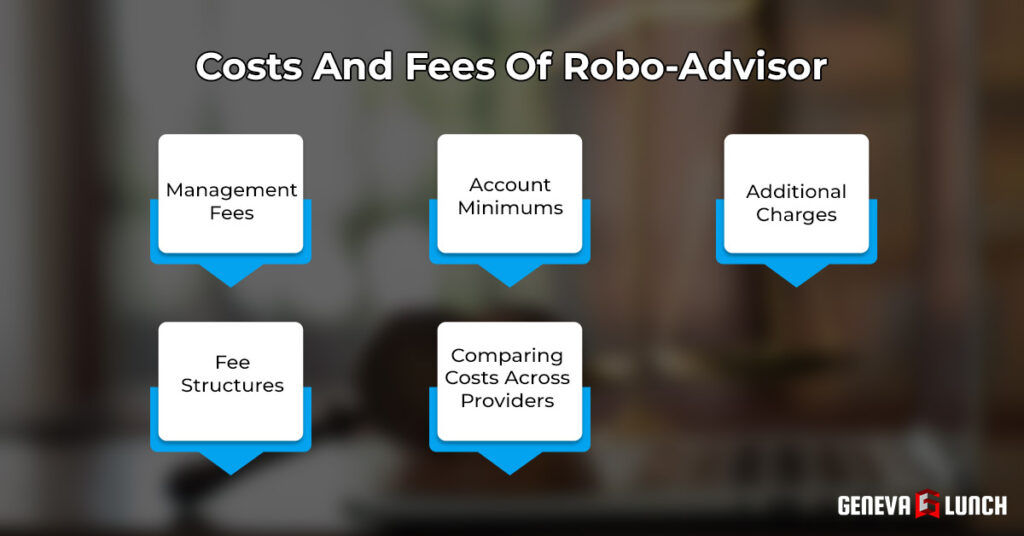
Robo-advisors charge different fees. It is important to know these costs. Here are the main types of fees. Understanding these can help you choose the right robo-advisor.
Management Fees
Management fees are the main cost. These fees are a percentage of your investment. Most robo-advisors charge around 0.25%. For example, if you invest $10,000, you pay $25 per year. This fee covers the management of your investments.
Some robo-advisors, like Vanguard, charge higher fees. Vanguard charges 0.30% for its services. Betterment and Wealthfront both charge 0.25%. These fees are lower than those of traditional human advisors, who might charge 1% or more.
Account Minimums
Account minimums are the amount you need to start investing. Some robo-advisors have low minimums. Wealthfront requires $500 to start. Betterment has no minimum. Other robo-advisors have higher minimums.
Vanguard requires $50,000 to start. Schwab Intelligent Portfolios needs $5,000. Account minimums vary between providers. Choose one that fits your budget. If you have a small amount to invest, Betterment or Wealthfront might be best.
Additional Charges
Some robo-advisors have additional charges. These can include fees for extra services. For example, Personal Capital charges 0.89% for human advisor services. Some robo-advisors charge for tax-loss harvesting. Others may charge for account transfers.
Always check for any extra fees. This helps you avoid surprises. Schwab Intelligent Portfolios, for example, does not charge management fees, but you need a higher minimum to start.
Fee Structures
Fee structures can vary. Some robo-advisors charge a flat fee. Others charge based on your account balance. For example, Betterment charges 0.25% for all account sizes. Personal Capital charges more for larger accounts.
They charge 0.89% for accounts up to $1 million and lower fees for larger accounts. Understand how fees are structured. This helps you know what you will pay. A flat fee might be easier to understand and predict.
Comparing Costs Across Providers
Compare costs across different providers. Look at management fees, account minimums, and additional charges. For example, Wealthfront charges 0.25% and has a $500 minimum. Betterment charges 0.25% with no minimum. Vanguard charges 0.30% with a $50,000 minimum.
Schwab Intelligent Portfolios has no management fee but requires $5,000 to start. Comparing costs helps you find the best robo-advisor for your budget. Choose one that offers good value for its fees. This way, you get the most out of your investment.
Performance Metrics Of Robo-Advisors
Understanding the performance of robo-advisors is important. Performance metrics show how well a robo-advisor manages your money. These metrics include historical performance, benchmarks comparison, risk-adjusted returns, and performance reporting. These metrics help you see how well your investments are doing.
Historical Performance
Historical performance shows how investments have done in the past. It looks at returns over several years. For example, a robo-advisor might show an average annual return of 6% over the last five years.
This helps you see if the robo-advisor has been successful. Always check historical performance before choosing a robo-advisor. It gives you an idea of what to expect.
Benchmarks Comparison
Benchmarks comparison shows how a robo-advisor’s performance compares to standard market indexes. Common benchmarks include the S&P 500 or a specific bond index. For example, if the S&P 500 grew by 7% in a year, you can compare this to your robo-advisor’s return.
When your robo-advisor’s return was 6%, it underperformed the benchmark. Comparing benchmarks helps you judge if the robo-advisor is doing well.
Risk-Adjusted Returns
Risk-adjusted returns measure performance considering the risk taken. This helps you understand if the returns are worth the risk. For example, two robo-advisors might both have a 6% return. But if one took less risk to achieve that return, it has a better risk-adjusted return.
This metric helps you choose a robo-advisor that balances risk and return effectively. Look for robo-advisors with strong risk-adjusted returns.
Performance Reporting
Performance reporting provides regular updates on your investments. Robo-advisors give you reports monthly or quarterly. These reports show how your investments are doing. They include information on returns, risk, and how your portfolio compares to benchmarks.
Regular performance reports help you stay informed. They make it easy to see if your investments are on track. Review these reports to understand your investment progress.
Security And Privacy Concerns Of Robo-Advisor
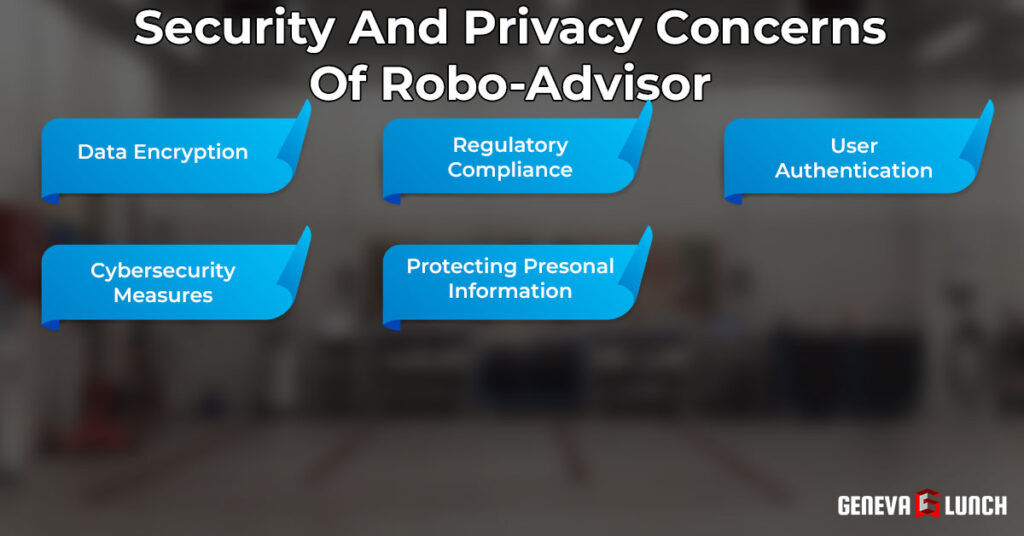
Security and privacy are important when using robo-advisors. Here are the key areas to consider. These ensure your data and investments are safe.
Data Encryption
Data encryption keeps your information safe. It changes your data into a code. This code is hard to read without the correct key. Robo-advisors use encryption to protect your data. For example, when you enter your bank details, encryption keeps them secure.
This makes it hard for hackers to steal your information. Always check if a robo-advisor uses data encryption. It is a basic but important security measure.
Regulatory Compliance
Regulatory compliance means following laws and rules. Robo-advisors must follow financial regulations. These rules protect investors. For example, in the U.S., robo-advisors must register with the Securities and Exchange Commission (SEC).
They also need to follow the rules of the Financial Industry Regulatory Authority (FINRA). Compliance ensures robo-advisors operate fairly and legally. Check if a robo-advisor complies with regulations before using it.
User Authentication
User authentication confirms your identity. This prevents unauthorized access to your account. Robo-advisors use different methods for this. Common methods include passwords and two-factor authentication (2FA). With 2FA, you enter your password and a code sent to your phone. This adds an extra layer of security. Always use strong passwords and enable 2FA if available. It helps keep your account secure.
Cybersecurity Measures
Cybersecurity measures protect against online threats. Robo-advisors use firewalls and antivirus software. These tools block malicious attacks. Regular security audits help find and fix weaknesses. For example, robo-advisors might update their software to fix security issues.
Cybersecurity measures keep your data and investments safe from hackers. Always choose a robo-advisor with strong cybersecurity practices.
Protecting Personal Information
Protecting personal information is crucial. Robo-advisors collect sensitive data. This includes your name, address, and financial details. They must keep this information private. Encryption and strict privacy policies help protect your data.
Robo-advisors should not share your information without permission. Always read the privacy policy of a robo-advisor. It shows how your information is used and protected. This helps ensure your personal data stays secure.
Benefits Of Using A Robo-Advisor
Robo-advisors offer many benefits. They make investing easier and more affordable. Here are the key benefits of using a robo-advisor. These benefits help you manage your money better.
Cost Efficiency
Robo-advisors are cost-efficient. They charge low fees compared to human advisors. For example, many robo-advisors charge around 0.25% of your investment.
Traditional financial advisors may charge 1% or more. Lower fees mean more of your money stays invested. This helps your money grow faster. Cost efficiency is a big advantage of robo-advisors.
Accessibility
Robo-advisors are accessible. You can start with a small amount of money. Some robo-advisors have no minimum investment. Others, like Wealthfront, start with $500. This makes it easy for anyone to start investing.
You can access your account online or through an app. This lets you manage your investments anytime, anywhere. Accessibility is important for new and small investors.
Diversification
Robo-advisors provide diversification. Diversification means spreading your money across different investments. This reduces risk. For example, your portfolio might include stocks, bonds, and real estate.
Robo-advisors automatically diversify your investments. They choose a mix based on your goals and risk tolerance. Diversification helps protect your money and increase returns.
Automated Rebalancing
Automated rebalancing is a key feature of robo-advisors. Investments can change in value over time. This can unbalance your portfolio. Robo-advisors automatically rebalance your investments. They sell some investments and buy others.
This keeps your portfolio aligned with your goals. Automated rebalancing happens regularly. This ensures your investments stay on track without extra work from you.
Tax Optimization
Robo-advisors offer tax optimization. They use strategies like tax-loss harvesting. This involves selling investments that have lost value. Then, they buy similar investments. This reduces your taxable income.
For example, if you lost $1,000 on a stock, selling it can lower your taxes by $1,000. Tax optimization helps you save money on taxes. Robo-advisors handle this automatically. This makes investing more tax-efficient.
Challenges And Considerations Of Robo-Advisors

Robo-advisors have many benefits. However, there are also some challenges. Here are the main challenges and considerations. Knowing these can help you make a better decision.
Market Volatility
Market volatility is a challenge for robo-advisors. The stock market can go up and down. This can affect your investments. Robo-advisors use algorithms to manage this. However, they cannot eliminate all risks.
During high volatility, your investments might lose value. It is important to be prepared for these ups and downs. Investing always carries some risk.
Limited Human Interaction
Robo-advisors have limited human interaction. They rely on algorithms and automation. This means you do not get personal advice from a human advisor. Some people prefer talking to a real person.
Hybrid robo-advisors offer some human interaction. Examples include Vanguard Personal Advisor Services. However, pure robo-advisors do not. If you want personal advice, consider a hybrid option.
Algorithm Limitations
Algorithms have limitations. They follow set rules to manage investments. They do not adapt to every unique situation. For example, they might not handle sudden market changes as well as a human advisor.
Algorithms cannot understand personal nuances. They base decisions on data, not emotions. It is important to understand these limitations. Robo-advisors are good, but not perfect.
Fee Transparency
Fee transparency is important. Some robo-advisors have hidden fees. These can include fees for extra services. Always read the fee details carefully. For example, management fees are usually around 0.25%. However, there might be additional charges.
These can be for things like account transfers. Make sure you understand all the fees involved. This helps you avoid surprises and manage costs better.
FAQs
How Do Robo-Advisors Differ From Traditional Advisors?
Robo-advisors use technology and algorithms to manage investments, while traditional advisors provide personal, human advice. Robo-advisors charge lower fees compared to traditional advisors. Robo-advisors are accessible online and through apps, whereas traditional advisors offer in-person consultations.
Are Robo-Advisors Safe To Use?
Yes, robo-advisors are generally safe to use. They use data encryption to protect your information. They follow regulatory requirements set by organizations. Many have strong cybersecurity measures, including firewalls and regular security audits. Always choose reputable robo-advisors with good reviews.
How Do I Choose The Right Robo-Advisor?
To choose the right robo-advisor, research different options. Compare their features, fees, and account minimums. Look for one that matches your financial goals. Read reviews from other users to see their experiences. Check if they offer the services you need, like tax optimization or financial planning.
Can Robo-Advisors Handle Complex Financial Needs?
Robo-advisors can handle many financial needs but have limitations. They are good for basic investing and financial planning. However, they might not manage very complex situations well. For more complex needs, consider hybrid robo-advisors. These combine algorithms with human advisors.
How Do Robo-Advisors Minimize Taxes?
Robo-advisors minimize taxes using strategies like tax-loss harvesting. They sell investments that have lost value. Then, they buy similar investments. This reduces your taxable income. Robo-advisors handle this automatically. They optimize your investments for better tax efficiency.
How Do Robo-Advisors Stay Compliant With Regulations?
Robo-advisors stay compliant with regulations by following rules set by regulatory bodies. They register with the SEC and follow FINRA rules. They adhere to strict standards for security and transparency. Regular audits ensure they comply with all regulations. Check if a robo-advisor follows regulations.
Final Words
Robo-advisors make investing easy and affordable. They use technology to manage your money automatically. With low fees and helpful features like automatic rebalancing, they are a great option for beginners and tech-savvy investors. Understanding how robo-advisors work can help you make better personal finance decisions and reach your financial goals.