Certified Financial Planner (CFP)

Do you dream of financial security but feel overwhelmed by investment options and retirement strategies? Enter the Certified Financial Planner (CFP): your personal roadmap to financial peace of mind.
Certified Financial Planners (CFP) are professionals who have met rigorous standards in financial planning education, ethics, and experience. They pass a comprehensive exam, commit to ongoing education, and adhere to a strict code of ethics, ensuring expert and ethical financial advice.
Let’s explore the world of CFP certification and how it empowers you to take control of your financial future.
Key Takeaways
- Expertise in Personal Financial Planning: CFPs provide in-depth guidance on investments, insurance, taxes, retirement, and estate planning to optimize financial health.
- Comprehensive Educational Requirements: To qualify for the certification exam, aspiring CFPs must complete specialized financial planning coursework through a registered program.
- Rigorous Certification Exam: The CFP exam tests candidates’ ability to apply financial planning knowledge practically, ensuring high competence in the field.
- Ethical Standards Commitment: Certified Financial Planners adhere to strict ethical guidelines, promoting trust and integrity in client relationships and financial advising.
- Mandatory Continuing Education: CFPs must engage in ongoing education to update their skills and reflect the latest financial practices.
What Is A Certified Financial Planner (CFP)?
A Certified Financial Planner (CFP) is a professional who has met strict requirements set by the Certified Financial Planner Board of Standards. These include education, exams, experience, and ethics. CFPs are trained to offer complete financial plans and serve individuals, families, and businesses.
CFPs are part of a broader category of financial advisors. There are various types of financial advisors, each with different specializations and qualifications:
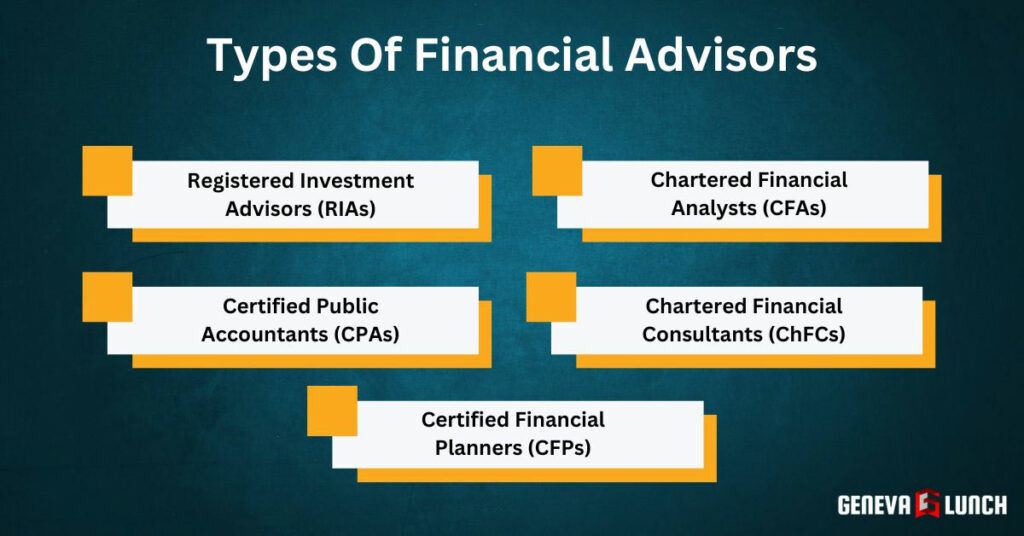
- Registered Investment Advisors (RIAs)
- Chartered Financial Analysts (CFAs)
- Certified Public Accountants (CPAs)
- Chartered Financial Consultants (ChFCs)
- Certified Financial Planners (CFPs)
Among these advisors, CFPs have one of the most complete skill sets. They are trained to handle many financial planning areas.
What Does A Certified Financial Planner Do?
Certified Financial Planners provide many financial services to their clients.
- CFPs help clients set financial goals. They help them find and rank short-term and long-term objectives.
- They help create and keep budgets. This ensures efficient use of income and resources.
- CFPs provide investment guidance and tailor strategies to their clients’ risk tolerance, goals, and time horizons.
- Retirement planners help clients prepare for retirement by assessing needs, recommending savings strategies, and managing retirement accounts.
- CFPs offer tax planning advice. They focus on tax-efficient investments and strategies to cut taxes.
- They help develop plans to transfer wealth and manage estates efficiently.
- They evaluate insurance needs and recommend the right coverage for life, health, disability, and property insurance.
- Education funding helps clients plan and save for educational expenses. These include college tuition for their children.
Role Of CFPs In The Financial Industry
Certified Financial Planners play a crucial role in the financial industry:
- CFPs have fiduciary responsibility. They must put their clients’ interests first. This ethical standard helps maintain trust and integrity in the financial planning profession.
- CFPs often serve as educators. They help clients understand complex financial ideas and make informed money choices.
- Holistic financial management is different from that of some specialized financial advisors. CFPs take a comprehensive approach to financial planning. They consider all aspects of a client’s financial life.
- They often act as intermediaries between clients and other financial professionals, including accountants, attorneys, and insurance agents, ensuring coordinated financial strategies.
- CFPs contribute to economic stability by helping people achieve financial stability, which fuels economic growth.
- CFPs stay informed about changes to financial regulations and tax laws. They help clients navigate complex and evolving financial rules.
- Financial services are increasingly digital. CFPs use technology to provide faster, data-driven planning.
Benefits Of Becoming A CFP

Pursuing CFP certification offers numerous advantages for financial professionals. These benefits extend beyond personal career growth and help client relationships and professional standing in finance.
High Career Opportunity
Becoming a Certified Financial Planner (CFP) greatly improves job opportunities within the financial sector. Many financial planning firms prioritize CFPs for senior positions due to their extensive training and expertise. Banks and credit unions also seek out CFPs for wealth management roles.
Insurance companies appreciate CFPs because they value their ability to handle complex financial planning needs. They also value their deep financial knowledge, which is key to advising clients well.
Corporate finance and consulting firms offer more opportunities for those with a CFP designation. Additionally, CFPs can set up their financial planning practices, allowing for industry entrepreneurship.
The need for financial planners is growing. This is especially true as baby boomers near retirement and younger generations also seek financial guidance.
Enhanced Credibility
The Certified Financial Planner (CFP) designation greatly enhances a financial professional’s credibility. CFPs show expertise in many areas of financial planning, a commitment to learning, and high ethics, which sets them apart from other advisors.
They do not hold this certification. It also gives instant recognition among clients and industry peers. This boosts the marketing potential for both individual practitioners and firms. The CFP designation grants you enhanced professional credibility. It offers a competitive edge in finance.
Increased Earning Potential
CFP certification often translates into higher income opportunities. CFPs usually earn higher fees or salaries than their non-certified peers. This is thanks to their comprehensive skill set, which allows them to offer more services. This certification also makes them more likely to attract rich clients.
It opens up opportunities for advancement to senior positions with higher pay.
Additionally, entrepreneurial CFPs can establish lucrative independent practices. Exact figures can vary. However, surveys consistently show that CFPs generally earn more. They earn more on average than those in similar roles without certification.
Professional Development
Becoming a Certified Financial Planner (CFP) is a journey. Keeping that status is ongoing professional development. At first, aspiring CFPs undergo brutal education.
CFPs must fulfill ongoing education requirements to remain certified. These requirements keep them informed about the latest industry trends. They ensure that CFPs continue to provide valuable and up-to-date advice.
These allow them to build and grow professional connections in the community. They also have access to exclusive resources and tools tailored to financial planners.
Client Trust And Confidence
Clients highly regard the Certified Financial Planner (CFP) designation. They see it as a symbol of expertise and ethics. Being a CFP comes with a duty to give unbiased advice. This assures clients that the advice they receive is unbiased.
Furthermore, CFPs possess comprehensive knowledge. It equips them to handle complex financial situations well. Ongoing certification requirements ensure that CFPs maintain their expertise over time. The high ethical standards expected of CFPs offer clients peace of mind. These factors increase trust in CFPs, foster strong, long-term client relationships, and boost the chance of referrals.
Requirements For Becoming A CFP
Becoming a Certified Financial Planner involves meeting strict standards set by the CFP Board. These requirements ensure that CFPs have the needed knowledge and skills. They also need an ethical foundation. These things let them provide high-quality financial planning services.
Educational Requirements
The path to CFP certification is tough. It provides a solid base for financial planning.
Relevant Degrees
Relevant degrees are essential for professionals in many fields, including financial planning. While a four-year college degree in any discipline is required, a specific degree in financial planning is not mandatory.
However, a finance, economics, business, or accounting degree can be particularly beneficial and provide a solid foundation for a career in this area.
Accredited Programs
These programs encompass all topics mandated by the CFP Board, including financial and investment planning, tax, retirement, estate, insurance planning, and ethics. Numerous universities and colleges offer CFP Board-registered programs in various formats, both online and in person. Depending on the program structure, they typically take 12-18 months to complete.
Professional Experience
Practical experience is crucial. It is needed to develop the skills to apply financial planning well.
Work Experience
Work experience is critical for becoming a certified financial planner. The standard requirement is 6,000 hours of professional experience in financial planning. Alternatively, you can take an accelerated apprenticeship. It is for those who prefer to gain experience under a CFP professional’s direct guidance. It reduces the requirement to 4,000 hours. This experience must be about financial planning. It can be achieved before, during, or after meeting the educational requirements.
Internship Opportunities
Internships are not formally required. They offer valuable experience for aspiring Certified Financial Planner (CFP) professionals. Many firms provide mentorship opportunities, pairing novices with experienced CFPs. Also, many aspiring CFPs seek part-time roles in finance. They do this while they complete their education. They gain practical experience that complements their studies.
Ethical Standards
CFPs must adhere to high ethical standards. They do so to act in their client’s best interests and maintain the profession’s integrity.
Code Of Ethics
To become a Certified Financial Planner (CFP), candidates must take a CFP Board-approved course. The course covers financial planning ethics. In addition, CFPs must adhere to the CFP Board’s Code of Ethics and Standards of Conduct.
These rules cover key principles: integrity, objectivity, competence, fairness, confidentiality, professionalism, and diligence. CFPs must often reaffirm their commitment to these ethics to keep their certification, ensuring they uphold the highest level of professional conduct in their practice.
Fiduciary Duty
Certified Financial Planners (CFPs) must adopt a client-first approach. They must adhere to a fiduciary standard. This standard mandates putting their clients’ interests ahead of their own. This includes the obligation to disclose any conflicts of interest to ensure transparency.
The best interest standard says that CFPs must give advice that serves the client’s best interests. CFPs who violate their duties can face discipline. The discipline comes from failing to uphold their fiduciary responsibilities.
Curriculum And Coursework
The CFP program offers a full curriculum. It is designed to prepare aspiring financial planners with the necessary knowledge and skills. They need these skills to provide expert financial advice to clients. The program has several core courses. They cover many aspects of financial planning.
Core Courses
The main courses in the CFP curriculum form the basis of a financial planner’s education. The courses cover key topics. They are crucial for understanding and using comprehensive financial plans.
Principles Of Financial Planning
This introductory course offers students a broad understanding. They will learn key concepts in financial planning, including setting financial goals, making budgets, and the basics of creating a financial plan. The course also covers ethics and regulations for financial planning.
Insurance Planning
This course covers the types of insurance: life, health, disability, and property. It also covers how they fit into a complete financial plan. The curriculum stresses risk assessment. It also covers the role of insurance in reducing financial loss. We use case studies to show how to pick the right insurance policies. They are based on individual and family needs.
Investment Planning
This course delves deeper into investments. Students study various investment vehicles, such as stocks, bonds, mutual funds, and ETFs. The course covers key investment principles, including asset allocation, diversification, and risk management. It also teaches students modern portfolio theory and other strategies to boost investment performance over time.
Income Tax Planning
The course focuses on reducing taxes. It teaches students about the current tax laws. It covers effectively utilizing deductions, credits, and tax-advantaged investments. Students learn to prepare complete tax plans. They consider the effects of individual, business, and investment choices.
Retirement Planning
This course prepares students to design effective retirement strategies that ensure financial security. It covers various retirement savings accounts, pension plans, and government-sponsored retirement programs. Students learn to create a retirement plan. The plan considers inflation, healthcare costs, and longevity risk.
Estate Planning
Students in this course explore estate planning, covering wills, trusts, probate, and estate transfer taxes. The course aims to give students the knowledge to help clients make plans. The plans ensure that assets are distributed as the clients wish and minimize estate taxes and related expenses.
Elective Courses
These courses are for students. They offer the chance to delve deeper into areas of finance, letting students shape their education to their career goals and interests.
Advanced Investment Strategies
This course builds on the basic investment principles covered in the core courses. It also introduces more advanced investment techniques and strategies. Students explore options, futures, hedge funds, and private equity. The course focuses on using these advanced strategies in real-world scenarios. It analyzes market trends and manages investment risk at a higher level.
Behavioral Finance
This unique course examines the psychological factors that influence investors’ decisions. Topics include cognitive biases, emotional investing, and how behavior affects market outcomes. Students learn about the theories and uses of behavioral finance. The aim is to improve their ability to make wise investments. They do this by understanding the behaviors that drive markets.
Wealth Management
The course focuses on high-net-worth individuals. It covers the complete management of their financial lives. This includes investments, estate planning, legal help, tax advice, and financial services. Students learn to coordinate these parts. They do so to achieve their client’s financial goals. They provide personalized advice based on detailed client profiles and advanced models.
Financial Planning For Business Owners
The course is for entrepreneurs and business owners. It covers the financial challenges and opportunities they face. Topics include valuing businesses, buy-sell deals, succession planning, and business owners’ retirement strategies. The course is designed to give students the tools to advise business owners well. Students must consider both the owners’ personal and business-related financial needs.
CFP Exam Preparation
Preparing for the Certified Financial Planner (CFP) exam requires dedication, planning, and strategic studying. The exam covers a wide range of topics, making it essential for candidates to be well-prepared to succeed.
Study Strategies
Effective study strategies are crucial for CFP exam success. Candidates must develop a structured study plan that includes various techniques to cover the breadth and depth of the CFP curriculum.
Time Management
Time management is key when preparing for the CFP exam. Candidates should create a study schedule that sets times for reading, practice, and reviews. Start early and keep a steady study pace. This ensures there’s enough time for each subject and avoids last-minute cramming.
Study Groups
Joining or forming study groups can be highly beneficial. Study groups encourage collaboration. They also encourage discussion. These things can help deepen understanding of complex topics. They also provide a support system. It offers motivation and accountability. This helps maintain a steady study routine.
Practice Exams
Practice exams are a vital part of CFP exam preparation. They help candidates learn the format and types of questions. They will encounter them. Regular practice exams can also assist in identifying areas of weakness that need further study.
Also, practice exams improve time management. They do so by simulating exam conditions. This ensures candidates can finish the exam well.
The CFP Examination Process

The Certified Financial Planner (CFP) exam is a crucial step for those pursuing a career in financial planning. Understanding the process and preparing well can significantly impact your exam success.
Overview Of The CFP Exam
The comprehensive CFP exam tests candidates’ ability to apply financial planning knowledge to real-life situations. The exam is designed to ensure that certified individuals are well-equipped to handle the financial planning needs of their clients.
Exam Format
The CFP exam is thorough. It tests your ability to apply financial planning to real life. The exam consists of multiple-choice questions, including standalone questions and questions associated with case studies.
Key Areas Of Focus
The exam covers critical areas such as retirement planning, estate planning, tax management, risk management, and investment management. A thorough understanding of these topics is essential for success on the exam.
Study Tips And Strategies
Effective preparation is key to succeeding in the CFP exam. Here are some strategies to help candidates prepare thoroughly:
Creating A Study Schedule
Developing a detailed study schedule is vital. Allocate specific times for different topics and stick to your plan. Ensure you start early to cover all the material without rushing.
Practice Exams
Regularly taking practice exams will help you understand the exam’s structure and identify areas where you need more focus. It’s also an excellent way to build confidence and improve time management.
Utilizing Study Groups
Study groups can offer support and provide different perspectives on complex topics. Discussing with peers can deepen your understanding. It can also highlight aspects you may not have considered.
Exam Day Preparation
Proper preparation for the exam day can reduce anxiety and increase the likelihood of success.
What To Bring
Be sure to bring all you need. This includes your admission ticket, government ID, approved calculators, and any other allowed resources. It’s also wise to bring water and snacks for scheduled breaks.
Time Management
During the exam, it’s crucial to manage your time effectively. Allocate time to each question and keep track of the time without rushing. Plan to review your answers if time allows.
Stress Management Techniques
Practicing stress management techniques helps. Techniques like deep breathing or mindfulness can keep your focus and calm on exam day. A good night’s sleep before the exam and a healthy breakfast can also help optimize your performance.
Continuing Education And Renewal
For Certified Financial Planners (CFP), CE and timely renewal of their certification are crucial. They keep CFPs’ professional standing and ensure they give up-to-date financial advice.
Importance Of Continuing Education
Continuing education is vital for CFPs to keep current with changes in financial regulations, products, and planning strategies. It helps financial planners improve their skills, knowledge, and competence.
This ensures they can offer the best advice to their clients. Ongoing education also reinforces the ethical standards expected of CFPs.
Required Continuing Education Credits
CFPs must earn a set number of continuing education credits every two years to keep their certification. Typically, this involves 30 hours of education, including 2 hours on the CFP Board’s ethical standards and practices.
Approved Continuing Education Courses
The CFP Board approves courses that count towards continuing education credits. The courses cover many topics related to financial planning. They must meet strict standards to ensure they have helpful and updated content. CFPs can choose from online and in-person courses offered by various accredited providers.
Renewal Process And Fees
CFPs must submit a renewal application to renew their certification. They must also report their completed CE credits and pay the renewal fees.
This process ensures that all CFPs continue to meet the high standards required by the board. You typically owe the renewal fees every year. The costs vary based on the timing of the application and the fact that the application meets education rules.
Career Opportunities For CFPs

CFPs have many career paths. They are open to them thanks to their training and expertise. These professionals can find jobs in many sectors of the financial industry. Each sector has unique benefits and challenges.
Financial Planning Firms
Financial planning firms are the primary employers for CFPs. In these settings, CFPs talk directly with clients. They offer advice on savings, investments, tax planning, and retirement and work closely with clients to assess their financial goals.
They develop plans that address short-term needs and long-term aspirations. These firms often foster a team-oriented environment. They let CFPs work with other financial experts. They do this to provide complete solutions to clients.
Banks And Credit Unions
CFPs also find roles in banks and credit unions, providing financial advice to customers. They may help clients with investment choices, retirement planning, and other financial decisions. Working in a bank or credit union can offer a stable work environment and access to a broad client base.
Self-Employment
Self-employment is a popular option for CFPs who prefer their own practice. This path allows them to build their client base and offer personalized financial planning services. It provides flexibility and the potential for high earnings. But, it also requires strong business and marketing skills.
Wealth Management Firms
CFPs in wealth management firms manage the assets of rich individuals and families. They provide estate planning, risk management, and investment strategies. These jobs require CFPs to handle complex financial portfolios.
They must offer advice that meets their client’s needs. Working in this sector often involves building deep, long-term client relationships, which requires a high level of trust and expertise.
Independent Financial Advisor
They operate independently, have no ties to any specific financial institution, and offer unbiased advice across many planning areas. This role suits CFPs, who provide a diverse array of services.
These range from insurance and investment advice to comprehensive financial planning. Independence in this job allows for flexibility in choosing clients and a broad impact on people’s finances.
Academic And Training Roles
CFPs with a passion for education may pursue careers in academia. They can teach future financial planners at colleges and universities. They can also run training for many organizations.
This helps other pros improve their planning skills. This role spreads knowledge. It also lets CFPs shape the future of financial planning.
Skills Developed As A CFP
CFPs develop a broad skill set. It helps them manage plans well and serve many client needs. These skills are essential in navigating the complexities of the financial planning industry.
Analytical Skills
They have strong analytical skills, which help them assess financial data, read market trends, and judge investments. These skills are crucial for developing strategies that maximize client wealth and minimize risks.
CFPs use these skills to study financial statements. They also forecast the economy and do detailed economic analysis. They use these to support their recommendations.
Communication Skills
Effective communication is key to a CFP’s success. They must clearly explain complex financial concepts to clients who may not have a financial background. This involves speaking and writing clearly.
It also involves listening to clients’ concerns and goals. Good communication informs clients and keeps them comfortable and confident in their financial decisions.
Problem-Solving Skills
CFPs face unique financial challenges. These come from their clients’ diverse backgrounds and needs. Problem-solving skills allow them to devise innovative solutions that address these issues effectively.
They find ways to cut taxes. They adjust investments to fit changing markets. They plan for financial surprises. CFPs rely on their problem-solving skills to guide clients through money problems.
Interpersonal Skills
Interpersonal skills are essential for building and maintaining strong client relationships. CFPs work closely with clients to understand their goals. They must also build trust and rapport.
Interpersonal skills help CFPs handle sensitive matters with empathy and discretion. This skill is vital for managing clients’ life savings and plans.
Technical Skills
CFPs acquire many technical skills. They relate to financial planning software. They also relate to tax preparation, estate planning, and risk management. You need to know these technical areas well.
You need them to manage client portfolios, make financial documents, and follow rules. These skills ensure that CFPs can offer complete and skilled service. They cover all parts of financial planning.
Challenges And Considerations
CFPs face many challenges. They need to manage these well. This is key for both their professional success and personal satisfaction. The challenges range from keeping high ethics to balancing work and life.
Maintaining Ethical Standards
One of the fundamental challenges for CFPs is upholding the highest ethical standards. They are fiduciaries, and they must act in their client’s best interests. This duty demands integrity, honesty, and transparency.
This includes managing conflicts of interest well and ensuring that all financial advice is based only on the client’s needs and goals. The pressure to maintain these standards can be intense, especially in complex finances or competitive businesses.
Managing Client Expectations
CFPs must skillfully manage client expectations. This can be hard, especially in volatile markets or with clients with unrealistic financial goals. Educating clients about the facts of investments is crucial.
Patience is essential in financial planning, and there are risks. Good communication is key. It aligns clients’ hopes with tangible outcomes, stopping unhappiness and disputes.
Staying Updated With Industry Changes
Finance is dynamic. Laws, rules, markets, and products change often. CFPs must stay informed and adapt to these changes to provide accurate and current advice. This requires a commitment to continuous learning and growth. It can take time, but it is essential. It’s key for keeping credibility and effectiveness as a financial planner.
Work-Life Balance
CFPs face a significant challenge in achieving work-life balance. They often work long hours and may need to be available to clients outside typical business hours. Managing multiple clients is demanding.
Each has unique needs and timelines, which can lead to stress and burnout if not appropriately managed. CFPs must find ways to prioritize tasks, delegate when possible, and set boundaries to ensure they have time for well-being and family.
Impact Of Technology On CFP Practice
Technology transforms the work of Certified Financial Planners (CFPs). It affects everything from how they interact with clients to data security. As technology evolves, so too does the landscape of financial planning.
Financial Planning Software
Financial planning software has become indispensable in modern CFP practices. These tools help planners analyze client data faster and create more accurate financial models, which they can use to make better decisions.
Software often includes features for budgeting. It also includes features for retirement planning. It covers asset allocation, risk assessment, and estate planning.
They allow CFPs to offer a more complete service. These tools automate routine tasks, freeing up time for CFPs to focus on the complex parts of financial planning and client relationships.
Robo-Advisors
Robo-advisors are a big tech advance in finance. They offer automated, algorithm-driven financial planning with little to no human supervision. For CFPs, robo advisors can be both a tool and a competitor.
They are a low-cost option for clients who may not need a full CFP’s services. They can also help manage specific investment tasks. CFPs can add robo-advisor capabilities to their practice, improving their services, especially for routine investment advice and portfolio management.
Digital Communication Tools
Digital tools have changed how CFPs talk to their clients. Tools like video conferencing, instant messaging, and secure client portals make it easy to have more flexible talks.
The technologies make it easier for CFPs to keep client relationships. They can do this no matter where the clients are. They make things more convenient for both parties. They also allow for timely updates and discussions about financial issues.
Cybersecurity Considerations
The use of digital tech has increased. Cybersecurity is now critical for CFPs. Protecting client data against breaches is paramount. This includes adding strong security.
It means using encryption, two-factor authentication, and secure data storage. CFPs must also keep up with the latest security threats and best practices, which protect their client’s sensitive information and maintain their trust.
The Future Of The CFP Profession

The CFP profession is quickly changing. It’s influenced by technology, globalization, and changing client preferences. Understanding these changes is crucial. They are essential for CFPs to stay applicable in their roles.
Emerging Trends
Several trends are reshaping financial planning. They are integrating technology more deeply into the field.
Digital Financial Planning Tools
Digital tools are becoming increasingly integral to financial planning. These include sophisticated software for risk assessment, portfolio management, and personal finance management. Technology is advancing, and these tools will become easier to use and more integrated. They will give CFPs better abilities to analyze and manage client portfolios more efficiently and accurately.
AI And Machine Learning
AI and machine learning will change financial planning. They will enable more personalized service and deeper insights into financial data. AI can help CFPs identify trends, forecast economic shifts, and optimize investment strategies. It also allows for automating more routine tasks. This frees up CFPs to focus on complex advising and client relationships.
Impact Of Globalization
Globalization is expanding financial planning and making it more complex. This creates opportunities and challenges for CFPs.
International Opportunities
Globalization has opened up international markets to CFPs. It offers chances to work with clients across different countries and cultures. This requires an understanding of many global financial laws and investments. However, it also grows the client base and provides diversification options for CFPs.
Cross-Border Financial Planning
With the increase in global mobility, there is a growing need for cross-border financial planning. CFPs must navigate many complex tax systems, understand retirement policies, and understand legal frameworks. This knowledge is needed to advise clients who live, work, or invest in multiple countries. This trend shows the value of global financial literacy and highlights the need to network with international entities.
Sustainability And ESG
ESG factors are now crucial in financial planning. This is because clients want them, and rules demand them.
Incorporating ESG Factors
ESG factors, which stand for environmental, social, and governance (ESG) factors, are critical in financial planning and investing. CFPs must now understand how ESG factors impact investments and advise clients on how to add these ideas to their portfolios. This helps them manage risks and gain from opportunities related to sustainability.
Client Demand For Sustainable Investing
More clients are demanding sustainable investing options. A growing awareness of social and environmental issues drives them. CFPs need to be ready to advise on many ESG-focused investments. They align clients’ financial and ethical goals. This trend is likely to grow. Public interest in social and environmental impact is rising.
FAQs
Can I Work While Studying To Become A CFP?
Yes, you can work while studying to become a Certified Financial Planner (CFP). Balancing a job with CFP coursework is feasible and often beneficial, providing practical experience that complements your studies. Many pursue this path to maintain financial stability and gain relevant experience.
Are There Specializations Within The CFP Certification?
Yes, there are specializations within the CFP certification tailored to enhance expertise in retirement, tax, estate, and risk management planning. These focused pathways allow financial planners to better serve diverse client needs and deepen their knowledge of specific financial aspects.
Is The CFP Recognized Internationally?
The Certified Financial Planner (CFP) designation is recognized internationally, extending its prestige beyond the U.S. It is valued in over 27 countries, allowing professionals to practice global financial planning. This widespread recognition supports career opportunities worldwide.
How Often Do CFPs Need To Renew Their Certification?
Certified Financial Planners (CFPs) are required to renew their certification every year. This process includes completing at least 30 hours of continuing education to stay updated on financial planning practices and adhering to the CFP Board’s ethical standards to maintain their credential.
How Does One Choose A Qualified CFP?
To choose a qualified Certified Financial Planner (CFP), verify their certification through the CFP Board’s website. Look for someone with a solid track record, strong client testimonials, and a commitment to ethical standards. Ensure they specialize in areas that match your financial goals.
What Is The Difference Between A CFP And A CFA (Chartered Financial Analyst)?
The main difference between a Certified Financial Planner (CFP) and a Chartered Financial Analyst (CFA) is in their focus areas. CFPs specialize in financial planning for individuals. Chartered Financial Analysts (CFA) focus on investment management, financial analysis, and portfolio strategy.
Final Word
Earning the CFP designation signifies a deep commitment to financial planning excellence. CFP professionals offer their clients a mix of special knowledge. They also have ethical practices and ongoing professional development.
CFP professionals are for people seeking a trusted advisor. They help them navigate their financial journey. They provide a valuable resource and ensure that their financial future is in qualified hands.