25 Questions To Ask A Financial Advisor

When planning your financial future, selecting a skilled and trustworthy financial advisor is key. As you embark on this crucial process, it’s important to understand what to look for and arm yourself with the right questions to guide your search. So, what to ask a financial advisor to ensure they’re the best fit for your financial needs?
Essential questions to ask a financial advisor include their qualifications, areas of expertise, and fee structure. Also, ask about their investment strategies, and client communication practices. These questions help confirm that their approach and ethical standards align with your financial goals.
In this guide, we will discuss the specific questions you should ask a financial advisor. We’ll also explain why each question matters and how their answers can help you make an informed decision.
Key Takeaways
- Check Credentials: Verify qualifications, such as CFP or CFA certifications and years of experience.
- Fee Transparency: Clarify if they charge a flat fee, hourly rate, or a percentage of assets.
- Communication Method: Determine how often and through what channels you will communicate.
- Investment Philosophy: Ask about their approach to investing and managing market volatility.
- Client Compatibility: Ensure their services and strategies align with your financial goals.
Initial Considerations Before Meeting A Financial Advisor

Before you schedule a meeting with a financial advisor, there are several steps you need to take. This preparation will help you make the most of the consultation, ensuring that the advice you receive is tailored to your unique financial situation. Here are the key steps you should take:
Assess Your Financial Needs
First, understand your financial status by examining your income, expenses, and existing debts. For instance, if your monthly income totals $4,000 and your expenses amount to $3,000, you have $1,000 left that could be invested.
Evaluate what financial problems you need to solve and what financial achievements you aim for. This step ensures you know exactly what help you require from a financial advisor.
Research Potential Advisors
It’s crucial to choose an advisor who is trustworthy and has the proper qualifications. Look for advisors who have certifications such as a CFP or a CPA. This indicates they have undergone rigorous training and adhere to professional standards.
You can start by searching online for local financial advisors with good reviews or ask friends and family for recommendations. Verify their credentials and experience to ensure they are well-equipped to handle your financial needs.
Define Your Financial Goals And Objectives
Clear financial goals are essential for effective financial planning. Specify your short-term and long-term financial objectives, such as saving for a $20,000 emergency fund or planning for retirement at age 65 with a target retirement savings of $1 million.
Detailing your financial goals gives your financial advisor a clear framework to develop a personalized financial plan that aligns with your future aspirations.
Key Questions To Ask A Financial Advisor
Before choosing a financial advisor, it’s important to ask detailed questions to fully understand their qualifications, the services they provide, and their fee structure. This helps ensure that the advisor you select is well-suited to meet your specific financial needs and goals.
Qualifications And Experience
Before you start discussing your finances with an advisor, you need to confirm their professional qualifications and experience. This initial check helps you feel confident that the advice you’ll receive is reliable and suited to your financial situation.
1. What Are Your Qualifications?
Ask about the advisor’s education and any professional certifications they hold. Certifications such as Certified Financial Planner (CFP) or Chartered Financial Analyst (CFA) indicate that the advisor has a solid educational foundation and adheres to industry standards.
These credentials require passing extensive exams and maintaining ongoing education. It helps ensure they are up-to-date with financial laws and strategies.
2. How Long Have You Been In Practice?
Experience matters in financial advising. An advisor who has been in practice for many years, like over 15 years, likely has experience through different economic cycles.
This experience can be invaluable in understanding and managing your financial concerns effectively, as they’ve likely dealt with a variety of financial situations similar to yours.
3. What Is Your Area Of Expertise?
Financial advisors often specialize in specific areas such as retirement planning, wealth accumulation, or risk management. When you are looking for help with retirement, an advisor who specializes in retirement planning would be ideal. This ensures the advice you receive is tailored to your particular needs and goals.
Fiduciary Status
Before selecting a financial advisor, it is critical to confirm if they are a fiduciary. This status ensures that the advisor is legally bound to act in your best interests, prioritizing your financial goals over their own financial gain.
4. Are You A Fiduciary?
A fiduciary financial advisor is required by law to act in your best interest. This is crucial for ethical financial management. Confirming that an advisor acts as a fiduciary can give you peace of mind. It ensures that they are committed to providing advice that benefits you, not their own bottom line.
5. How Do You Uphold Fiduciary Standards?
An advisor should be able to explain clearly how they fulfill their fiduciary duties. This includes how they choose financial products for you, ensuring they are the best fit for your needs and not chosen based on the advisor’s potential commissions.
For example, they should avoid any conflicts of interest by choosing investments that offer the best return for you at an acceptable level of risk.
Services Provided

To ensure the advisor can fully address your financial needs, it’s important to understand the breadth and depth of services they offer. This will help you determine if they can provide comprehensive support for all aspects of your financial life.
6. What Financial Services Do You Offer?
It’s important to understand the full range of services a financial advisor offers. This can include investment advice, retirement planning, tax strategies, and estate planning. Knowing all the services available can help you determine if the advisor can handle all aspects of your financial life or if you may need to work with more than one specialist.
7. How Do You Tailor Your Services To Individual Clients?
An effective financial advisor will customize their services based on your unique financial situation and goals. They should take the time to understand your financial background, your current needs, and your long-term objectives.
For example, they may develop a personalized investment strategy that aims to achieve a specific annual return based on your retirement goals.
8. Do You Offer Comprehensive Financial Planning?
Comprehensive financial planning covers all areas of your financial life, including budgeting, investments, insurance, and estate planning. Comprehensive planning ensures that every part of your finances is aligned with your overall financial goals.
An advisor offering comprehensive planning might help you understand how different financial decisions interact and affect each other.
Fee Structure And Costs
Understanding how a financial advisor charges for their services is crucial to avoid surprises. Knowing the fee structure and any additional costs will help you manage your finances better. It will ensure that the services provided are worth the cost.
9. What Is Your Fee Structure?
It’s crucial to understand how a financial advisor charges for their services. Financial advisor costs and models can vary. Common models include charging a flat fee, a percentage of assets under management, or hourly rates.
For example, if an advisor charges a 1% fee annually on assets under management, and you have investments worth $200,000 with them, you would pay $2,000 each year for their services.
10. Are There Any Additional Costs I Should Be Aware Of?
Additional costs can include transaction fees, fund expense ratios, or costs for special services like tax preparation. An advisor should be transparent about all possible fees so you can make informed decisions without any unexpected expenses.
11. How Are Fees Paid?
Find out whether fees are paid directly by you or deducted from your investment accounts. Some advisors might require a quarterly payment, while others might deduct fees monthly from the accounts they manage for you.
Understanding this helps you manage your cash flow effectively and ensures there are no surprises in how fees are charged.
Investment Philosophy And Strategy
It’s important to know how your financial advisor approaches investments. Their philosophy and strategies should align with your financial goals and comfort level with risk. It ensures that your investments are managed in a way that fits your expectations.
12. What Is Your Investment Philosophy?
A financial advisor’s investment philosophy is a set of beliefs and strategies that guide their investment decisions. For example, some advisors may focus on long-term growth, prioritizing investments in stocks that historically perform well over decades.
Others may emphasize risk management, choosing investments that provide steady, if modest, returns. It’s important to understand this philosophy to ensure it aligns with your financial goals and risk tolerance.
13. How Do You Determine An Appropriate Investment Strategy For A Client?
Advisors should tailor investment strategies to each client’s financial situation, goals, and risk tolerance. They may start by assessing your current financial assets, say $50,000 in savings, and discussing your goals, like buying a home in five years.
Using this information, they develop a personalized strategy, perhaps focusing on low-risk investments that align with your timeline and financial capacity.
14. How Do You Handle Market Volatility?
Market volatility is inevitable, so it’s crucial to know how an advisor manages such fluctuations. Effective strategies may include diversifying investments to reduce risk, or having a balance of stocks and bonds.
For instance, during a market downturn, an advisor might recommend maintaining a certain percentage of bonds, which are generally safer, to stabilize your portfolio.
Performance And Reporting

Effective investment management includes monitoring and reporting performance. It’s crucial to understand how your advisor tracks and communicates the progress of your investments. It helps you make informed decisions based on performance data.
15. How Do You Measure Performance?
Financial advisors should have clear metrics for measuring the performance of your investments. They may compare your portfolio’s growth to major indexes like the S&P 500.
For example, if the S&P 500 grew by 5% over the year and your portfolio grew by 7%, the advisor would show this as a success in terms of performance relative to the market.
16. What Benchmarks Do You Use?
Benchmarks are standards used to measure the performance of investments. An advisor might use specific indexes relevant to your investments, such as the Dow Jones Industrial Average for stocks or the Barclays Capital U.S. Aggregate Bond Index for bonds.
Knowing these benchmarks helps you understand how well your investments are performing compared to the overall market.
17. How Often Do You Report To Clients?
Regular reporting keeps you informed about the performance of your investments. Many advisors provide quarterly reports, and some offer online dashboards where you can check your portfolio’s status anytime.
This frequent communication ensures you stay updated and can make timely decisions based on the latest financial data.
Client Relationship And Communication
Building a strong relationship with your financial advisor relies on effective communication. It’s vital to establish how frequently you will interact and the methods of communication. It ensures that you remain well-informed about your financial decisions.
18. How Often Will We Meet?
The frequency of meetings with your financial advisor should match your needs and the complexity of your financial situation. Some clients may need monthly meetings, especially if they are actively managing a diverse portfolio or have changing financial goals.
Others may meet quarterly or annually. It’s important that these meetings are scheduled regularly to review goals, strategy, and performance.
19. What Is Your Client Communication Style?
Understanding an advisor’s communication style is key to a successful relationship. Some advisors prefer formal, detailed email updates, while others might opt for brief, informal phone calls or texts.
For instance, an advisor could provide monthly email summaries of your financial status. This will ensure you have detailed records and consistent updates.
20. Will I Work With You Directly Or With A Team?
Some financial advisors work individually with clients, while others operate as part of a team. When you are working with a team, you may have a main advisor and several specialists who manage different aspects of your finances.
For example, one team member might handle investments, another could focus on retirement planning, ensuring comprehensive management of your financial needs.
Legal And Regulatory Compliance

To protect your investments, it is essential to ensure that your financial advisor follows strict legal and regulatory standards. This compliance not only helps safeguard your assets but also confirms the advisor’s commitment to ethical and professional conduct.
21. Are You Registered With The SEC Or State Regulators?
Confirm whether your financial advisor is registered with the Securities and Exchange Commission (SEC) or state regulators. This registration is essential as it means they adhere to legal standards and are subject to oversight.
For instance, an SEC-registered advisor is regularly audited, which adds a layer of protection for your investments.
22. What Happens If There Is A Regulatory Change?
It’s important to know how your advisor handles changes in financial regulations. Advisors should have a proactive approach, adjusting your investment strategies to comply with new laws.
For example, if new tax legislation is enacted, your advisor should reevaluate your portfolio to optimize tax efficiency.
Contingency Plans
Planning for unexpected events is crucial in financial management. Your advisor should have robust contingency plans in place. It is to ensure that your investments are secure and well-managed.
23. What Happens If You Change Firms?
Ask what procedures are in place if your advisor moves to a different firm. It’s vital to know whether your investments will remain with the original firm, move with the advisor, or if you’ll need to choose between the two.
For example, some firms allow clients to decide whether to follow the advisor or stay with the firm’s new appointee.
24. What Is Your Succession Plan?
Understanding your advisor’s succession plan is important, especially if they retire or can no longer manage your portfolio. A good plan ensures continuity, detailing how a qualified successor will take over without disrupting your investment strategy.
For instance, the advisor may introduce you to a colleague who will gradually take over client accounts, ensuring a smooth transition.
25. How Will My Account Be Handled In An Emergency?
In case of an emergency, such as a natural disaster or an unexpected personal crisis, it’s crucial to know how your investments will be managed. Your advisor should have a clear, detailed emergency plan that includes who will manage your accounts and how you will be contacted.
For example, they may have a team that takes over client communications. They will ensure all clients are promptly informed about their account status and any necessary actions.
Questions That You Shouldn’t Ask A Financial Advisor
Asking the right questions is key to building a productive relationship with your financial advisor. However, certain questions can undermine trust or provide misleading information. It is important to avoid these to maintain a professional and effective partnership.
Questions That Indicate A Lack Of Trust Or Respect
It’s important to build a relationship based on trust and respect with your financial advisor. Asking questions that challenge their competence or integrity can undermine this relationship and may not be productive.
Are You Sure You Know What You’re Doing?
This question can come off as confrontational and implies that you doubt the advisor’s competence or credibility. Instead, it’s better to discuss the advisor’s qualifications, experience, and track record.
For example, you may ask about their certifications, such as whether they are a Certified Financial Planner (CFP). This approach fosters a respectful conversation about their expertise.
Hypothetical Performance Questions

Questions about guaranteed returns or quick riches are not realistic and can set false expectations. It’s better to discuss realistic goals and investment strategies that align with your financial situation.
Can You Guarantee High Returns?
It is unrealistic and unprofessional to expect a financial advisor to guarantee high returns. Investment markets are inherently unpredictable, and returns can vary widely.
For example, a good advisor will explain that while the average stock market return over the last 100 years has been about 10% annually, this is no guarantee of future results. They will help you set realistic expectations based on your risk tolerance and financial goals.
Will You Make Me Rich Quickly?
This question suggests a misunderstanding of how sound financial planning and investment work. Advisors focus on creating long-term strategies that aim for steady growth rather than quick gains.
An advisor may explain that a more aggressive investment could yield higher returns, but it also comes with higher risk, and a balanced approach is typically recommended.
What Do You Think About The Latest Investment Trend?
Asking about fleeting investment trends can be tempting, but it’s important to focus on strategies that align with your long-term financial goals rather than short-lived opportunities. A competent advisor will steer the conversation towards investments that suit your personal financial situation and goals, rather than speculative trends.
For example, they might discuss how trends fit into the broader market context and your specific investment portfolio.
Questions That Are Premature
It is important to first establish a comprehensive understanding of your financial background and goals with your advisor. Jumping into specific investment questions too soon can lead to decisions that might not fit well with your overall financial plan.
What Should I Invest In Right Now?
Asking what to invest in immediately without a full review of your financial situation can lead to inappropriate recommendations. Investments should be based on detailed analysis of your financial goals, risk tolerance, and time horizon.
For example, if you have a low risk tolerance, investing heavily in stocks might not be suitable for you.
Should I Just Copy My Friend’s Investment Strategy?
Copying someone else’s investment strategy is risky because individual financial situations, goals, and risk tolerances differ significantly. What works for one person may not work for another.
For example, if your friend is in a different tax bracket or has a different financial goal, their strategy could be detrimental to your financial health.
Is It Okay To Ignore Market Downturns?
Ignoring market downturns can be a poor strategy, especially if you are nearing retirement and need to preserve capital. A better approach is discussing with your advisor how to manage investments during volatility.
For example, they may recommend a balanced portfolio that can withstand market shifts without significant losses.
Questions About Services Not Offered
Financial advisors specialize in certain areas. It’s crucial to remember that they may not be qualified to offer advice on subjects outside of those specialties. For example, legal issues or quick fixes for debt.
Can You Help Me With My Legal Matters?
Financial advisors are not legal professionals, so they cannot provide legal advice. When you need legal help, it’s best to consult with a qualified attorney.
For example, estate planning or setting up a trust requires legal expertise that a financial advisor typically does not have.
Can You Get Me Out Of Debt By Next Month?
Expecting a financial advisor to resolve significant debt issues within a very short timeframe like a month is unrealistic. Effective debt management usually requires a longer-term strategy involving budget adjustments and consistent payments.
For example, if you have $10,000 in credit card debt, a realistic plan might involve setting up a budget to pay it off over a year or more, depending on your income and expenses.
Evaluating The Advisor’s Answers
Once you’ve asked your financial advisor the necessary questions, the next step is to evaluate their responses carefully. This will help you determine if they are that the advisor is qualified, and trustworthy. It will also determine if they’re the right fit for managing your financial needs effectively.
Verifying Credentials
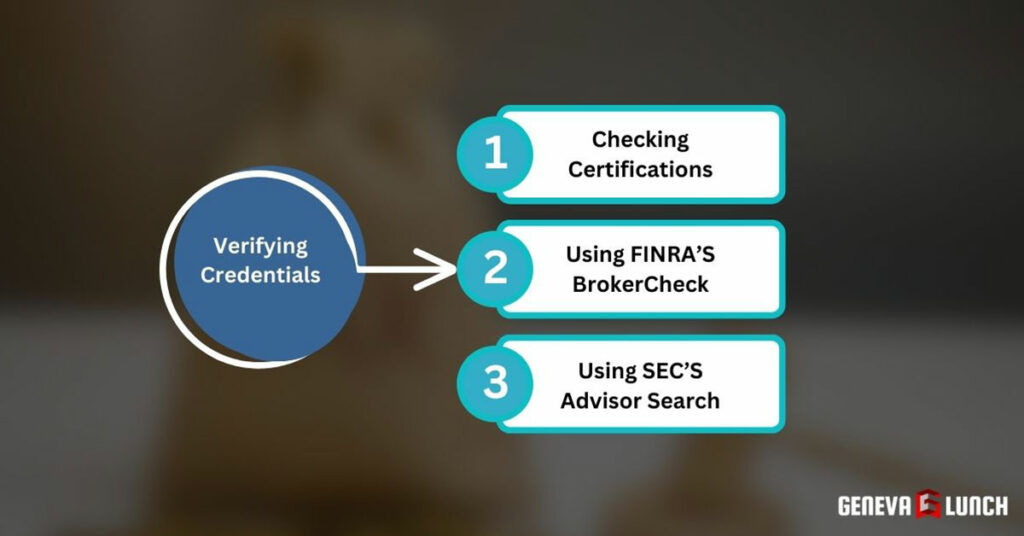
It’s crucial to confirm that your financial advisor has the appropriate qualifications and is registered with the relevant regulatory bodies. This ensures they are legally authorized to give financial advice and are held to professional standards.
Checking Certifications
Verify the certifications your advisor claims to hold, such as Certified Financial Planner (CFP) or Chartered Financial Analyst (CFA). These certifications demonstrate a high level of expertise and ethical standards in financial planning.
For instance, a CFP must complete several years of experience and pass a comprehensive exam.
Using FINRA’s BrokerCheck
FINRA’s BrokerCheck is a free tool that allows you to check the background of brokers and brokerage firms. It provides details about an advisor’s licensing, employment history, and any regulatory actions or complaints.
For example, you can see if an advisor has ever been sanctioned for unethical behavior.
Using SEC’s Advisor Search
The SEC’s advisor search tool can be used to verify if an advisor is registered as an Investment Advisor. This registration provides assurance that they meet the required federal standards for investment advice.
The tool also gives access to the advisor’s Form ADV, which contains information about their services, fees, and any past disciplinary actions.
Assessing Transparency And Honesty
Evaluating an advisor’s transparency and honesty is vital for a trusting relationship. Assess how openly they discuss their fees, investment strategies, and any potential conflicts of interest.
Advisors should provide straightforward answers and disclose all relevant information, including how they are compensated and any commissions they might earn from products they recommend.
Compatibility With Your Goals
It’s important that your advisor understands and aligns with your financial goals. During discussions, they should show a genuine interest in your objectives and propose strategies that are tailored to your needs.
For example, if your goal is to save for retirement, they should discuss retirement planning and suggest appropriate investment options like IRAs or 401(k) plans.
Making The Final Decision

After evaluating various financial advisors, the final decision-making step is crucial. You need to carefully review all the information you have when choosing a financial advisor. This decision will shape your financial future, so it’s important to be thorough and deliberate.
Comparing Your Shortlisted Advisors
Start by comparing the qualifications, experience, fees, and service offerings of your shortlisted advisors. Look at how each advisor’s approach aligns with your financial goals. For instance, if two advisors charge a 1% management fee but one has a better track record with investments similar to yours, consider this in your decision.
Make a checklist of important factors such as performance history, client testimonials, and compatibility with your financial needs to aid in your comparison.
Trusting Your Instincts
While facts and figures are important, your comfort with an advisor is also crucial. Trust your gut feeling about how well you can communicate with them and how much trust you feel towards them.
When an advisor seems knowledgeable but you don’t feel comfortable discussing personal financial matters with them, they may not be the right fit. Personal rapport is key as this is a long-term relationship that requires open communication.
Starting The Relationship
Once you choose an advisor, the next step is to formalize the relationship. This typically involves signing a client-advisor agreement that outlines the terms of the engagement, fees, services provided, and other legal obligations.
For example, you may start with a smaller investment, say $5,000, to see how the advisor manages your funds before fully committing. Ensure that all agreements are clear and that you understand all terms before signing. Initiate regular meetings to review financial goals and discuss any adjustments needed as your financial situation or goals evolve.
FAQs
How Do I Find A Financial Advisor?
To find a financial advisor, start by asking for referrals from friends or family who have similar financial goals. You can also use online tools like Financial Planning Association to find certified professionals in your area. Ensure to check their credentials and reviews to see if they’re reputable.
How Do I Prepare To Speak To A Financial Advisor?
Before speaking to a financial advisor, gather all relevant financial documents such as income statements, tax returns, and investment accounts. List your financial goals, questions, and any concerns you may have. It will help the advisor understand your situation and provide tailored advice.
What To Avoid In A Financial Advisor?
Avoid financial advisors who do not have proper credentials or those who promise unusually high returns. Be wary of advisors who push their own products for a commission instead of focusing on your needs. Also, avoid advisors who are not transparent about fee structure or do not communicate clearly.
How Do I Know If A Financial Advisor Is Right For Me?
A financial advisor is right for you if they understand your financial goals and communicate in a way that makes you comfortable. They should be transparent about their fees and have credentials from recognized institutions. They should propose ideal strategies and be responsive to your queries.
What Should I Do If My Advisor Gives Poor Advice?
When you believe your advisor has given poor advice, review the advice with another professional to confirm. Discuss your concerns with your advisor to understand their rationale. When unsatisfied, consider finding a new advisor with a better track record and who aligns with your financial goals.
Final Thoughts
In conclusion, finding the right financial advisor involves careful questioning to ensure their expertise, transparency, and communication style align with your financial goals. By asking focused questions about their credentials, fee structures, and investment philosophy, you can ensure that the advisor you choose is well-equipped to meet your specific needs.
Taking the time to thoroughly evaluate potential advisors will help you build a trustworthy and productive relationship.