Retirement Planners: Key Services, Types, Mistakes To Avoid

Are you thinking about retirement? A retirement planner can help make this dream come true. They are experts who know how to manage money so you can relax later in life.
Retirement planners specialize in creating tailored financial strategies to help individuals secure a stable and comfortable retirement. They focus on investment management, tax planning, and estate coordination, ensuring that all aspects of retirement are comprehensively covered for peace of mind.
Plus, they teach you what not to do so your money lasts longer. Let’s find out how a retirement planner can help you enjoy your golden years without worry.
Key Takeaways
Comprehensive Planning: Retirement planners offer personalized long-term savings and investment management strategies.
Tax Optimization: Expertise in reducing tax liabilities for retirement funds through strategic planning and timely withdrawals.
Estate Coordination: Planners ensure proper beneficiary designations and estate planning to safeguard your financial legacy.
Risk Assessment: They identify financial risks and offer solutions to secure retirement assets against market volatility.
Common Pitfalls: Avoiding common mistakes like underestimating retirement costs and failing to adjust plans over time.
What Is A Retirement Planner?
A retirement planner is a type of financial advisor who helps people prepare for retirement. These pros are experts in financial strategies and ensure you have enough money to enjoy a comfortable retirement.
Retirement planners focus on long-term financial planning, age- and risk-based investments, and managing retirement accounts like IRAs and 401(k)s. Their expertise is vital for navigating the complex world of retirement savings. It will help secure your golden years.
What Do Retirement Planners Do?
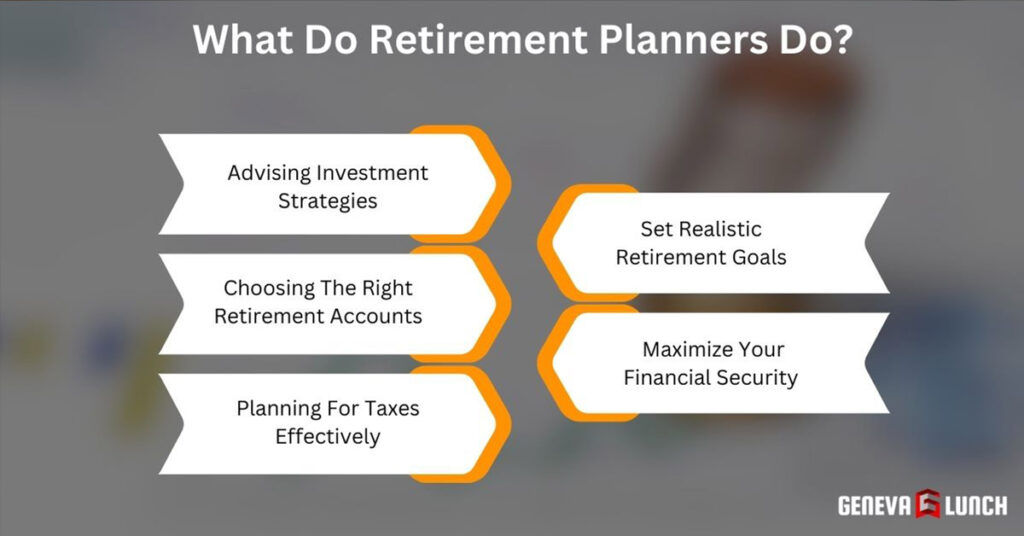
Retirement planners are essential for crafting a secure financial future. They start by evaluating your current financial situation and future needs. Their main job is to develop a personalized plan to grow your savings and ensure you have enough income during retirement.
This involves advising on investment strategies, choosing the right retirement accounts, and planning for taxes effectively.
Retirement planners also help you set realistic retirement goals and guide you on achieving them, often adjusting the plan as your circumstances change or as you near retirement to maximize your financial security.
What Are The Key Services Offered By Retirement Planners?
Retirement planners provide many services to help you have a good future when you retire. They ensure you have enough money saved and that your investments are smart. Let’s talk about how they do this.
Retirement Savings Plans
A retirement planner helps you set up savings plans. They look at how much money you make and how much you can save. They help you choose the best plans, like 401(k)s or IRAs, so you can have enough money when you retire.
Investment Strategies
Good retirement planners help you determine how to invest your money wisely.
Asset Allocation
This means deciding how to spread your investments across different things like stocks, bonds, or real estate. This can help you make money and keep risks low.
Diversification
Diversification means not putting all your money in one place. A planner will suggest having a mix of investments. This way, if one area does not do well, you still have other investments that may be doing better.
Income Planning
Income planning is a big part of what retirement planners do. They help you figure out how to get a steady income when you stop working. This involves two main areas:
Social Security Optimization
Retirement planners work with you to get the most out of Social Security. They find the best time for you to start taking Social Security to get the most money over your lifetime. They look at your work history and your health to make this plan.
Pension Plans
A retirement planner can help you understand it better if you have a pension. They explain how your pension works and how much money you will get each month. They also help you decide about a lump sum versus monthly payments. This helps ensure that you use your pension best for your situation.
Tax Planning

One big way retirement planners help is through tax planning. This means they find ways for you to pay less taxes on the money you save for retirement.
Tax-Deferred Accounts
Tax-deferred accounts are a special kind of savings account. When you put money in these accounts, you don’t immediately pay taxes. You only pay taxes when you take the money out, usually when you retire. This can help you save more over time because the money you would have paid in taxes stays in your account and keeps growing.
Roth Conversions
Roth conversions are another tool retirement planners use. This is when you take money from a tax-deferred account, like a traditional IRA, and move it to a Roth IRA. With a Roth IRA, you pay taxes on the money now, but when you take it out during retirement, you don’t pay any taxes. This can be a good move if you think you will be in a higher tax bracket when you retire.
Estate Planning
Estate planning is all about deciding what happens to your money and property when you are no longer here. Retirement planners make sure your wishes are clear and followed.
Wills And Trusts
Wills and trusts are tools to manage your assets. A will tells others who gets your things after you pass away. A trust helps manage your assets while you are alive and after. Planners help set these up to ensure they match what you want and are legally sound.
Beneficiary Designations
Beneficiary designations are a key part of retirement planning. This means choosing who will receive benefits from your retirement accounts and life insurance. It’s important to keep this information up to date. Retirement planners help you pick the right beneficiaries and keep your choices current.
Why Do You Need A Retirement Planner?
Hiring a retirement planner is a smart move. They guide you in saving and investing for your later years. Here’s why their help is crucial:
Personalized Retirement Strategy
A retirement planner listens to your dreams for the future and makes a plan that fits just for you. This plan determines how much money you need and finds the best ways to save that amount. With a good plan, you can reach your goals without worry.
Financial Security And Peace Of Mind
Knowing you have a retirement plan brings peace of mind. A retirement planner ensures you have enough money for your needs. They keep you on track and adjust the plan if your life changes. This way, you can feel secure about your future.
Investment Management
Retirement planners know all about investments. They can find the best ones that grow your money safely. They watch over your investments and make changes when needed. This helps your savings grow faster, giving you more money when you retire.
Tax Efficiency
A retirement planner helps you save on taxes. They find ways to lower your owe each year, which means you keep more of your money. They also plan the best times to withdraw money from your retirement funds to keep taxes low.
Risk Management
Risk management is a crucial part of retirement planning. Retirement planners ensure your savings are protected from potential risks that could undermine your financial stability.
Retirement planners carefully balance your investment portfolio to avoid excessive risk while planning for unforeseen expenses, such as high medical costs or market fluctuations. This strategic approach to risk management safeguards your retirement funds, keeping your future secure.
What Are the Types Of Retirement Plans?
Retirement plans come in many forms, each with its benefits. These plans help you save money now to have it when you retire. Let’s look at some common types of retirement plans that you can get through your job.
Employer-Sponsored Plans

These are retirement plans that your job offers. They help you save part of your paycheck for later, and sometimes your employer adds money, too.
401(k) Plans
A 401(k) plan lets you save money from your paycheck before taxes are taken out. This can lower your taxes now. Often, employers will match some of the money you put in, which helps your savings grow faster. You can invest this money in stocks, bonds, or other options.
403(b) Plans
A 403(b) plan is similar to a 401(k) but is mostly for people who work at schools, hospitals, and some non-profit groups. Like a 401(k), you put in money before it’s taxed, and your employer can also add money. This plan also lets you invest in different things to help your money grow.
Pension Plans
Pension plans are plans in which your employer contributes money to pay you a regular income when you retire. The amount you receive depends on how long you worked there and how much you earned. These plans are less common now but offer a steady income after you retire.
Individual Retirement Accounts (IRAs)
IRAs are a great way to save for retirement because they offer tax benefits that can help you grow your savings faster. There are two main types of IRAs: Traditional IRAs and Roth IRAs.
Traditional IRAs
A Traditional IRA is a way to save money that you don’t pay taxes on now. You can put money into your IRA each year, and you won’t pay taxes until you take the money out when you retire. This plan is good if you think you’ll be in a lower tax bracket after you retire. You can put your paycheck into your IRA before taxes are taken out, which can help you save more.
Roth IRAs
A Roth IRA works a bit differently. With this plan, you pay taxes on the money before you put it in. The benefit is that when you retire and take the money out, you don’t have to pay any taxes, not even on the money you earned over the years.
Self-Employed Retirement Plans
When you run your own business, you have good options for saving for retirement. Two popular choices are SEP IRAs and Solo 401(k)s. These plans work well for people who work alone or own their businesses and let you save a lot of money for later.
SEP IRA
A SEP IRA is a plan where you can put a part of your earnings. It stands for Simplified Employee Pension Individual Retirement Account. This plan is easy to start, and you can save more money than with regular IRAs. Each year, you can put up to 25% of your income or $66,000, whichever is less.
Solo 401(k)
A Solo 401(k) is like the 401(k) plans big companies offer but made for just one person. When you are self-employed, this plan lets you save as both the employer and the employee. This way, you can save up to $66,000 a year. If you are 50 or older, you can save even more.
How Do I Create A Retirement Plan?

Creating a retirement plan starts with understanding your financial situation. This helps you see how much you need to save and how to manage your money better.
Assessing Current Financial Situation
Get a clear picture of your money today. Know what you earn and what you spend. This will guide you on how to plan your savings and control your spending habits.
Income And Expenses
List all the money you earn each month, like your salary and any other income. Then, write down what you spend money on, such as rent, food, and bills. This will show you how much money you have left to save for retirement. It’s important to know this so you can plan how much to put away each month.
Assets And Liabilities
Look at what you own and what you owe. Assets are things like your house, car, and savings. Liabilities are debts like loans and credit card balances. Knowing these helps you understand your net worth. This is the total value of what you own minus what you owe. A positive net worth means you’re on the right track for saving towards retirement.
Setting Retirement Goals
To start, think about what you want your retirement to look like. This helps you set clear goals. There are two main things to consider: when you want to retire and what kind of lifestyle you hope to have.
Desired Retirement Age
Choosing when you want to retire is a big decision. Some people prefer to retire early, in their 50s. Others may work until they are 65 or older. Think about how old you want to be when you stop working. This choice affects how long you need to save and how much money you need.
Lifestyle Expectations
Think about how you want to live when you retire. Do you want to travel a lot? You may plan to stay home and enjoy hobbies. Your lifestyle will decide how much money you need every month. People who want a busy, travel-filled retirement need to save more, while those who prefer a simple, quiet life may need less.
Developing A Savings Strategy
To build your retirement savings, you need a good plan for putting money aside. Think of this as setting up a steady flow of cash that grows over time, which you can use later when you stop working.
Contribution Plans
Contribution plans are a way to save money that grows over time. Each month, you put a piece of your paycheck into this plan. This money grows over the years thanks to interest and other gains. It is your nest egg for the future. Start early so your money has more time to grow.
Catch-Up Contributions
When you’re closer to retirement and feel behind in your savings, catch-up contributions can help. These let older adults put extra money into their retirement plans. It’s a great way to boost your savings quickly if you started saving late or need to save more for a comfortable retirement.
Implementing Investment Plans
Once your goals are set, the next step is implementing investment plans. This involves choosing investments that match your risk tolerance and time frame. Your retirement planner will help create a strategy that grows your savings while managing potential risks.
Risk Tolerance Assessment
Understanding how much risk you can handle is key to any investment plan. Your retirement planner will work with you to assess your risk tolerance. This is important because it helps decide which investments may be suitable for you. It ensures you are comfortable with your investment choices and their ups and downs.
Portfolio Management
Managing your investment portfolio is an ongoing process that involves monitoring and adjusting your investments as needed. You can choose from different types of portfolios, each with its own strategy and purpose.
Retirement Planning Strategies
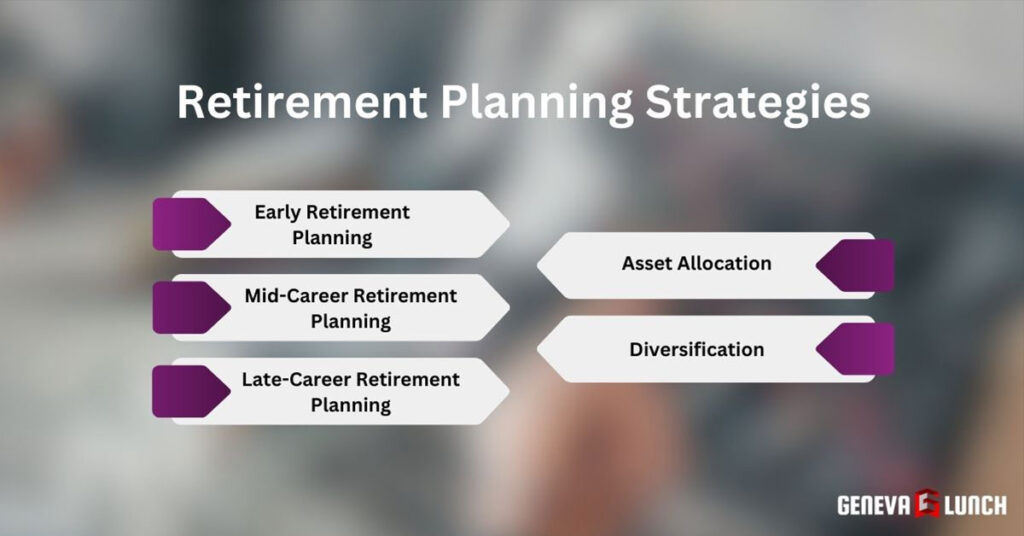
When planning for retirement, starting early and adjusting your plan as your career progresses is key. A good plan includes picking the right mix of investments and spreading them to reduce risk. Below, we look at 5 different stages and strategies for retirement planning.
Early Retirement Planning
You have a big advantage when you start planning for retirement early in your career. You can save more money over time and let it grow. Start by setting aside money from each paycheck. Even a small amount can add up over the years. It’s also a good time to start a 401(k) if your job offers it, especially if they match your contributions.
Mid-Career Retirement Planning
In the middle of your career, it’s time to check your savings and see if you’re on track. Consider increasing your 401(k) contributions if you need to save more. This is also a good time to start an IRA to boost your savings. Consider what age you want to retire and talk to a retirement planner to ensure your goals are realistic.
Late-Career Retirement Planning
Later in your career, focus on saving as much as you can. Review your investments to ensure they are not too risky as you get closer to retirement. When needed, shift to more stable investments. This is also a good time to plan how you will use your savings in retirement, like setting up a monthly budget.
Asset Allocation
Asset allocation is about how you spread your investments among different types of assets, such as stocks, bonds, and cash. Your mix should change as you approach retirement.
Younger people can often take more risks with stocks because they have time to recover from market drops. As you age, you can shift to more bonds, which are usually safer.
Diversification
Diversification means not putting all your eggs in one basket. By investing in different areas, you can reduce risk. This strategy involves mixing different types of investments within your portfolio.
For example, you could invest in domestic and international stocks, real estate, and bonds. Diversification helps protect your money from sudden market changes.
What Are The Benefits Of Using A Retirement Planner?

Using a retirement planner offers many benefits that help you prepare better for the future. They bring knowledge, make plans that fit you, and handle all your finances.
Professional Expertise
Retirement planners are skilled in finance. They stay updated on the best ways to manage money. This means they can offer advice based on the latest trends and changes in law that affect retirement savings. They know how to grow your money safely and can guide you on when and how to invest.
Personalized Strategies
Every person has different needs and goals. A retirement planner listens to your dreams and fears. They make a plan that suits your personal goals and lifestyle. This means your plan fits just for you, not a one-size-fits-all solution. They adjust your plan as your life changes.
Comprehensive Financial Planning
Retirement planners examine your entire financial picture. They check your income, expenses, debts, and savings. They also consider future needs like healthcare and living costs. Then, they make a plan covering all these areas, ensuring you have enough money for the future.
Peace Of Mind
Knowing an expert is handling your retirement plans can ease your mind. You don’t have to worry about making big financial decisions alone. Your planner handles the details and helps you understand your finances better. This peace lets you enjoy today without worrying about tomorrow.
Common Retirement Planning Mistakes
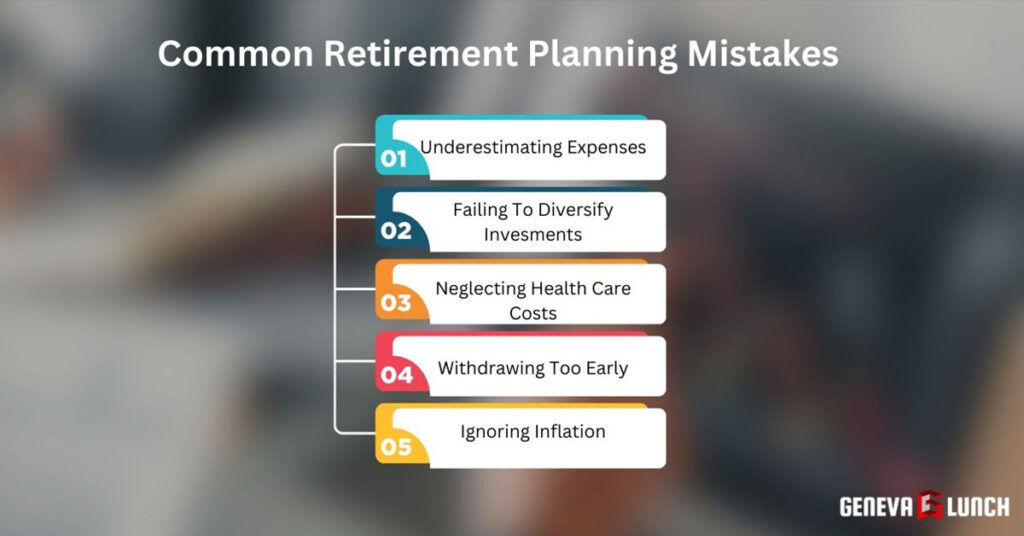
When planning for retirement, it’s easy to make mistakes that can impact your future. Knowing these errors can help you avoid them.
Underestimating Expenses
Many people think they will spend less when they retire. However, your costs may not drop as much as you expect. You may want to travel, pick up new hobbies, or find you have higher home costs. Planning for these expenses is vital to ensure you have enough money saved.
Failing To Diversify Investments
Putting all your money in one type of investment is risky. If that investment does poorly, you could lose a lot of money. A retirement planner can help you spread your investments across different types to reduce risk and improve the chance of a good return.
Neglecting Health Care Costs
Health care can be expensive, especially as one age. Many people forget to plan for these costs, which can drain their savings. Make sure to include health care in your retirement budget, and consider options like health insurance or a health savings account to cover these costs.
Withdrawing Too Early
Taking money out of your retirement accounts too soon can lead to penalties and less money in the long run. It’s important to know when you can start withdrawing and how much you can take out each year without hurting your future finances.
Ignoring Inflation
Inflation makes things more expensive over time, which can lower the value of your savings. When planning for retirement, remember that what is enough money now may not be enough in the future. Your retirement plan should account for rising costs and adjust your savings goals to keep up with inflation.
How To Choose A Retirement Planner?

Choosing the right retirement planner is crucial for a secure future. You want someone who can guide you through saving, investing, and preparing for life after work. Here’s how to find a great planner for your needs.
Identifying Your Needs
Start by knowing what you need. Think about your goals for retirement. Do you want to travel, move houses, or enjoy daily life without worry? List what you need money for and how much you think you’ll need. This helps you find a planner who fits your dreams.
Researching Potential Planners
Look for retirement planners online and see who is nearby. Ask friends or family if they know someone well. Check their websites to see what services they offer. Make sure they have experience with situations like yours. Choose someone who listens well and seems to understand your needs. This will help you trust them with your retirement planning.
Interviewing Candidates
Once you have a few names, set up meetings with them, ask questions about how they can help you and how they’ve helped others in the past. See if they listen well and explain things in a way you understand. You want someone who makes you feel comfortable.
Checking Credentials
Make sure the planner is qualified. Look for certifications like Certified Financial Planner (CFP) or Chartered Financial Analyst (CFA). These show they have good training. Also, check if they have complaints against them through the Better Business Bureau or a similar organization.
Evaluating Fees And Services
Find out how much they charge and how they want to be paid. Some planners charge a flat fee; others may take a percentage of the money they help you manage. Make sure you know what you’re paying for, and compare this with other planners. Choose someone whose fees make sense for the help they offer.
The Future Of Retirement Planning

Retirement planning is changing fast. As we look ahead, several new trends shape how we plan for our golden years.
Emerging Trends
More people now choose plans that offer flexibility in saving and spending money. We also see a rise in people starting to save for retirement at younger ages. This means more folks are aware of the need to plan early to enjoy a secure future.
Impact Of Technology
Technology plays a big part in how we plan for retirement today. Online tools help people track their savings and see how much they need in the future. Apps and websites make it easier to manage investments and get advice quickly without meeting a planner in person.
Changing Demographics
As we live longer, retirement planning has to adapt. Plans need to last longer to ensure money doesn’t run out. Also, families are different, and planners must consider varied family needs when giving advice. This means planning is more tailored than ever to fit different life paths and family setups.
Evolving Regulations
Laws and rules about retirement planning keep changing. These changes can affect how much you can save and how you can use your money when you retire. Retirement planners stay updated on these rules to ensure they give the best advice based on the latest information.
FAQs
What Should I Bring To My First Meeting With A Retirement Planner?
Bring financial statements, tax returns, investment records, and insurance policies for your first meeting with a retirement planner. Also, list your assets, debts, and any estate planning documents. This preparation ensures a comprehensive retirement strategy tailored to your goals.
Can Retirement Planners Help With Retirement Housing Decisions?
Retirement planners excel in advising on retirement housing decisions. They assess financial stability, lifestyle preferences, and long-term needs to guide clients toward suitable housing options. Their expertise ensures you make informed, strategic choices that align with your retirement goals.
How Do Retirement Planners Assess Risk Tolerance?
Retirement planners assess risk tolerance by evaluating your financial goals, investment time horizon, and comfort with market volatility. They use questionnaires and interviews to determine how much risk you can handle, ensuring your investment strategy aligns with your long-term objectives.
How Can A Retirement Planner Help With Charitable Giving Strategies?
A retirement planner can expertly navigate charitable giving strategies to optimize tax benefits and ensure your philanthropic goals align with your financial plan. They provide tailored advice on setting up charitable trusts or donor-advised funds, maximizing the impact of your generosity.
How Do Retirement Planners Approach Market Volatility?
Retirement planners address market volatility by creating diversified portfolios tailored to long-term goals. They adjust asset allocations based on risk tolerance and market conditions, ensuring investments remain aligned with retirement objectives, mitigating risks, and optimizing returns.
How Do Retirement Planners Handle Spousal And Beneficiary Planning?
Retirement planners expertly navigate spousal and beneficiary planning by assessing client goals, crafting detailed estate plans, and ensuring assets are strategically allocated. They prioritize clear communication and legal safeguards to protect both spouse’s and beneficiaries’ futures.
Final Word
Choosing the right retirement planner can make a big difference in your future. These experts help you save money, plan for taxes, and ensure you have enough to live on when you retire.
Retirement planners also help you manage risks and avoid common mistakes, like not saving enough. Always check a planner’s history and pick someone who understands your needs. This will ensure a worry-free retirement.