Financial Portfolios: Types, How To Build, Tools And Resources

Managing your money wisely means knowing all about financial portfolios. A financial portfolio is a collection of investments like stocks, bonds, and savings. There are different types to choose from based on what you need and how much risk you can take.
Financial portfolios vary widely, including options like stocks, bonds, and mutual funds. To build one, assess your risk tolerance and goals. Utilize essential tools such as financial planning software and investment trackers to manage and enhance your portfolio’s performance effectively.
This guide will show you the types of portfolios you can have, how to build one that fits your goals, and the best tools to keep track of your money.
Key Takeaways
- Diverse Options: Explore stocks, bonds, and mutual funds to tailor your financial portfolio to your risk tolerance and goals.
- Strategic Building: Use clear objectives and risk assessment to construct a robust financial portfolio for long-term growth.
- Essential Tools: Leverage advanced software for portfolio management and market analysis to enhance investment decisions and optimize financial performance efficiently.
- Continuous Risk Management: Consistently assess and actively manage the risks in your investments to maintain and enhance financial health over time.
- Portfolio Rebalancing: Realign your investment mix periodically to stay on track with your financial goals and risk strategy.
What Is A Financial Portfolio?
A portfolio is a collection of investments. An individual or an institutional investor holds it. This collection strategically combines various types of assets to achieve specific financial goals. Here’s what typically goes into making a financial portfolio:
- Purpose and Strategy: The main aim of a financial portfolio is to grow the investor’s wealth over time while managing risk. This involves picking investments that fit the investor’s goals, which include their risk tolerance and investment horizon.
- Diversity of Investments: A good financial portfolio has many kinds of assets. These reduce risks and take advantage of opportunities in different markets and economies. This diversification is critical. It balances the portfolio’s performance in different market scenarios.
- Management Approach: A financial portfolio’s management can be active or passive. Active management involves frequent buying and selling of assets to outperform the market. Active management focuses on short-term gains. It involves frequent trading to try to beat the market. This is in contrast to passive management. Passive management aims for long-term gains with little trading. It often copies a market index.
- Adjustment and Rebalancing: Over time, the value of assets in a portfolio will change, which can alter the initial weights of the investments. Rebalancing a portfolio keeps it aligned with the investor’s goals and risk tolerance by adjusting the amounts of each asset over time.
What Is Included In A Financial Portfolio?
A financial portfolio has a mix of different investments. It balances risk and return based on an investor’s goals, time horizon, and risk tolerance. Here’s a detailed look at what is included in a financial portfolio:
- Equities (Stocks): These represent shares of ownership in companies. Owning stocks means you benefit from the company. This happens through dividends and stock price growth.
- Bonds: These are debt securities. The investor lends money to entities like governments or corporations. The entities borrow the funds at an agreed interest rate for a defined period. Bonds are generally safer than stocks and provide a steady income stream.
- Mutual Funds: They pool money from many investors. This money buys a mix of stocks, bonds, and other securities. A professional manages the mix. Mutual funds offer an easy way to get diverse exposure. They cover a broad market segment.
- Exchange-Traded Funds (ETFs): Like mutual funds, ETFs are collections of stocks, bonds, or other assets. However, they trade on stock exchanges like individual stocks. They offer more flexibility and often lower costs.
- Real Estate: Investments can include owning property directly. Or, they can be indirect through real estate investment trusts (REITs). REITs give dividends from rent and the chance for property appreciation.
- Cash and Cash Equivalents: This category includes safe, easy-to-sell investments, such as bank deposits, certificates of deposit (CDs), and money market funds. These assets are ideal for the cash reserves portion of an investment portfolio.
- Commodities: Direct investments in physical goods such as gold, oil, and agricultural products. Commodities can hedge against inflation and provide diversification benefits.
- Alternative Investments: This broad category includes hedge funds, private equity, collectibles, and cryptocurrencies. Alternatives often follow different investment strategies, are not linked to the stock and bond markets, and offer unique risks and rewards.
- Derivatives: Add options, futures, and other derivatives to a financial portfolio. They are often used to hedge or speculate.
These assets are combined in a portfolio to spread risk and returns. The goal is to get a stable and growing outcome over time.
Types Of Financial Portfolios

Financial portfolios are collections of investments that help you save and grow your money. People build these portfolios to meet their money goals, such as buying a house or saving for retirement. There are different types of financial portfolios based on the investments they hold.
1. Equity Portfolios
An equity portfolio is a type of financial portfolio that mainly holds stocks. Stocks represent small pieces of a company; when you own stocks, you own part of that company. People like equity portfolios because they offer a chance for high returns. But, they also have risks because company values can increase.
Domestic Equity
Domestic equity means stocks are from companies located within your own country. For example, domestic equities would include shares from American companies if you live in the United States.
Investing in domestic stocks is a good way to support your home country’s economy. It can be less risky than investing in international stocks because you are more familiar with the companies and the market.
International Equity
International equity involves stocks from companies outside of your home country. These can include developed markets like Europe and Japan or emerging markets like India and Brazil.
Investing in international equities helps diversify your portfolio by spreading out the risk. It can also offer access to fast-growing economies, leading to higher returns than domestic stocks. However, it has challenges. These include dealing with exchange rates and understanding foreign markets.
2. Fixed Income Portfolios
A fixed-income portfolio is one type of investment basket. It mainly includes investments that pay back a set amount of money over time. This can be a safe way to ensure a steady income from your investments. Let’s look at two main types of fixed-income investments: corporate bonds and government bonds.
Corporate Bonds
Corporate bonds are loans you give to a company. In return, the company promises to pay you back with interest. The interest is the money the company pays you for borrowing your money.
These are good for investors who want to earn more than what a bank may offer for holding their money, but there’s a catch. Investing in corporate bonds can be risky. When the company faces problems, it may not be able to pay you back.
Government Bonds
Government bonds are similar to corporate bonds, but the government backs them. When you buy a government bond, you lend the government money. In return, the government promises to repay you with interest over time. These are usually safer than corporate bonds because a government is less likely to run into financial trouble than a company.
3. Alternative Investment Portfolios
Alternative investment portfolios include options other than stocks, bonds, or cash. These suit you if you want to make more money or balance your risks.
Real Estate
Real estate is a crucial component of alternative investments. When you buy property, you own tangible assets like houses or buildings. A financial advisor for real estate can guide you in making informed choices about these types of investments.
You can earn money from selling the property for more than you paid or renting it out to others. Real estate can help balance your portfolio because property values often move differently than stocks and bonds.
Hedge Funds
Hedge funds are like special clubs where people with a lot of money can join to invest. These funds use advanced strategies to make money or protect against losses. They can invest in various things, from stocks and real estate to more unusual assets.
Hedge funds aim to make money no matter how the market is doing, but they can be riskier and cost more to join than other investments.
4. Mixed Portfolios
A mixed portfolio combines various investments, from stocks and bonds to other assets like real estate or commodities. This variety helps balance risk and can lead to more stable returns over time. Let’s explore two main types of mixed portfolios: balanced and growth.
Balanced Portfolio
A balanced portfolio usually divides investments equally between stocks and bonds. This balance means you won’t risk too much in one area but can still benefit when markets do well. It’s like having a team where every player contributes equally, ensuring your investment doesn’t lean too heavily on one side.
Growth Portfolio
On the other hand, a growth portfolio focuses more on stocks than bonds. This type of portfolio aims for a higher return by taking on more risk, especially if you’re younger or have a longer time to invest before you need your money. Stocks have the potential to grow quickly, boosting the value of your portfolio, but remember, they can also drop just as fast.
How To Build A Financial Portfolio
Building a financial portfolio is like building a house. You need a solid base before adding the bricks and mortar (your investments).
The first and most crucial step is understanding your risk tolerance. It includes establishing investment goals, diversification strategy, and choosing the right asset classes.
Understanding Risk Tolerance
Risk tolerance is how much risk you can handle when investing. Risk tolerance affects how you build your portfolio. Know your risk tolerance. Then, pick investments that match it.
What Is Risk Tolerance?
Risk tolerance refers to your comfort level with potential investment losses. It measures how much price fluctuations you can stomach. Investors with a high-risk tolerance are more comfortable with market ups and downs.
They are willing to take on more risk for higher returns. Investors with a low-risk tolerance prioritize capital preservation. They prefer stability over higher returns that come with greater risk.
How To Assess Risk Tolerance?
There’s no one-size-fits-all answer to risk tolerance. It’s a personal characteristic influenced by several factors:
- Age: Younger investors have a longer time horizon until they need money. This allows them to ride out market fluctuations and recover from losses. As you near retirement, your risk tolerance may drop. You will prioritize capital preservation to secure your finances.
- Financial Goals: Your investment goals play a significant role. Are you saving for a short-term goal, like a house down payment? Or are you planning for your long-term retirement needs? Short-term goals need a more conservative portfolio with lower risk. Long-term goals can afford higher risk and the chance for greater growth.
- Financial Situation: Your current financial situation also impacts risk tolerance. You may be more comfortable with a riskier portfolio with a big emergency fund and a stable income. Alternatively, you can prefer a more cautious approach. This is when you need more money or rely heavily on your investments.
Establishing Investment Goals
Before you invest a single dollar, you need to know why you are investing. Are you saving for a vacation, for college, or to buy a home? You may be looking toward retirement. Setting clear, precise goals will guide your investment choices and strategies.
Short-Term Goals
Short-term goals are those you hope to achieve within the next few years. These include saving for a new car, an emergency fund, or a family vacation. For these goals, choose less risky investments. This way, you won’t lose money right before you need it.
Long-Term Goals
Long-term goals are your big plans. They are more than five years away and include your child’s college fund or retirement. These goals allow for more risk in your investments, and you have time to recover from losses. Typically, you can look at stocks or mutual funds. They can offer higher returns over many years.
Diversification Strategy
Diversification is a key strategy when building your portfolio. It involves spreading your investments across different types of assets. This way, you’re not putting all your eggs in one basket. When one investment type faces trouble, others can still do well, keeping your overall portfolio healthy.
Benefits Of Diversification
Diversification helps reduce risk in your portfolio. When you spread your investments, you lessen the impact of a single failing asset. This can lead to more stable returns over time. Also, diversification can create more growth opportunities. Different assets perform well in different market conditions.
Asset Allocation Techniques
Asset allocation is about deciding how much of your money goes into each type of investment. A common method is to look at your age, goals, and how much risk you can handle.
For example, younger people often take more risks by investing more money in stocks than in bonds. Balancing your investments to fit your personal finance goals and risk tolerance is key.
International Diversification
Investing in markets outside your own country is called international diversification. This can help you. It exposes you to global opportunities and reduces risk.
Markets in different parts of the world may do well at different times. Owning some foreign investments can help balance the ups and downs of your home market.
Choosing The Right Asset Classes
Choosing the right asset classes is a big part of building your portfolio. An asset class is a group of similar investment types. Different asset classes come with different risks and rewards. Think about what mix works best for your goals and risk comfort.
1. Equities
Equities, or stocks, are shares in a company. When you own equities, you own a part of that company. Stocks can grow in value over time and pay you dividends. They can be risky but offer high rewards if the company does well. This makes them a good choice if you have a long time to invest and can handle some ups and downs.
2. Fixed Income
Fixed-income investments include bonds. You lend money to a government or company when you buy a bond. In return, the company promises to repay you with interest over a fixed period. Bonds are usually less risky than stocks. They provide steady income, making them a good choice if you need regular income from your investments.
3. Real Estate
Real estate involves buying property, like houses or apartment buildings. The value of real estate can increase over time, and you will also earn money from renting it out.
Real estate can be a good way to diversify your investments because it doesn’t always go up or down at the same time as other asset classes.
4. Commodities
Commodities include physical goods like oil, gold, and wheat. Investing in commodities can protect against inflation and add diversity to your portfolio.
The prices of commodities can be very volatile, depending on factors like weather, political issues, and global economics. This means they can be riskier, but they can also offer good growth opportunities.
Managing A Financial Portfolio
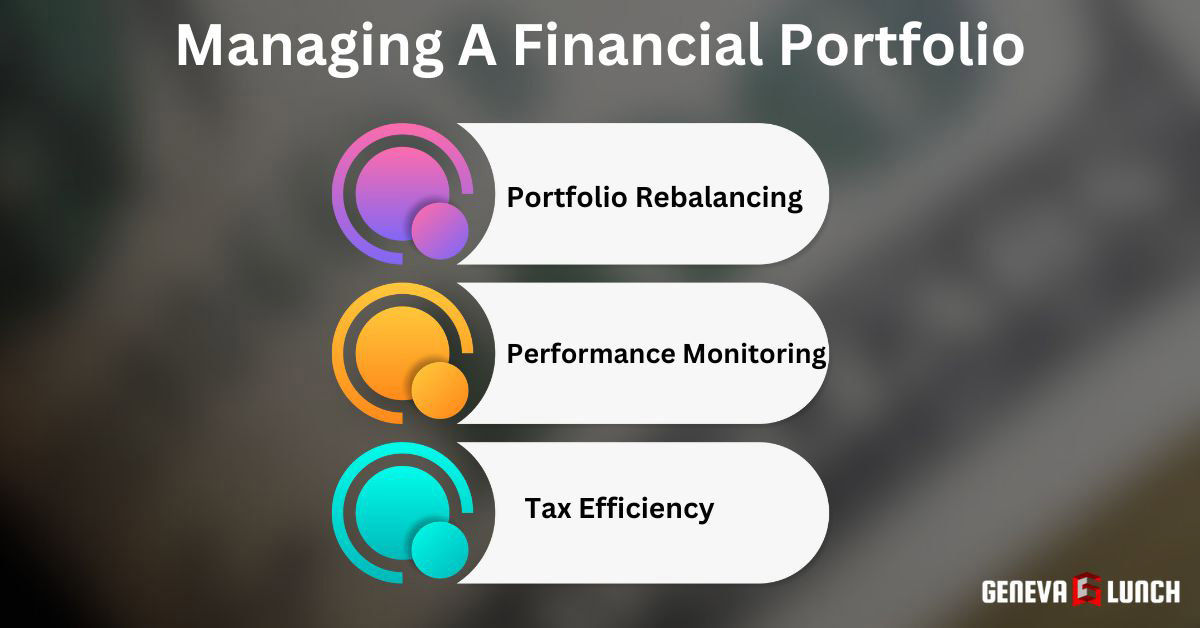
Managing a financial portfolio means tracking your investments, including stocks, bonds, and funds. You do this to ensure they meet your financial goals. It involves checking on your assets and making changes when needed to ensure you’re on track to meet your goals.
Portfolio Rebalancing
Rebalancing your portfolio is a key part of managing your investments. It means adjusting the amounts of different types of investments you own. This keeps your risk level in line with your goals and market conditions.
Why Rebalance?
Rebalancing is crucial for portfolios. It helps maintain the desired risk level, as some investments grow faster than others over time. Here are some key reasons why rebalancing is vital.
- Maintaining Risk Tolerance: Your portfolio’s overall risk profile can change as asset class values fluctuate. Rebalancing helps keep your portfolio in line with your risk tolerance. It does this by preventing too much exposure to any one type of asset.
- Capturing Opportunities: Rebalancing can present opportunities to buy low and sell high. When an asset class does well and becomes overweight, rebalancing involves selling some of it to buy assets that still need to do well, potentially at a discount.
- Discipline and Emotion Control: Markets can be volatile, and emotions can run high during downturns. Rebalancing enforces discipline. It prevents impulsive investment decisions based on short-term market moves.
When To Rebalance?
Rebalancing your portfolio regularly, such as once a year or after a big change in the market. There’s no one-size-fits-all answer to how often you should rebalance. Here are some common approaches:
- Time-Based Rebalancing: You can rebalance at set intervals, such as yearly or every six months, regardless of the market’s performance.
- Percentage-Based Rebalancing: This approach triggers rebalancing when an asset class deviates from its target by a certain percentage, like 5% or 10%.
- Hybrid Approach: A combination of time-based and percentage-based approaches can also be used.
How To Rebalance?
Rebalancing may involve buying or selling assets in your portfolio. This is to reach your target allocation. Here are some methods:
- Selling Overweight Assets: When an asset class is too heavy, sell some. Use the money to buy undervalued assets.
- Investing New Contributions: Instead of selling current holdings, consider making new investments in underweight asset classes. This will slowly restore balance.
- Tax-Efficient Rebalancing: When you invest in taxable accounts, consider tax implications when rebalancing. Explore ways to cut capital gains taxes. They come from selling appreciated assets.
Performance Monitoring
Regularly check your portfolio’s performance. This lets you see its progress to your goals and find any issues. Tracking key metrics lets you make informed decisions. You can use them for rebalancing, asset allocation, and investment strategy.
Setting Benchmarks
Benchmarks act as reference points to gauge your portfolio’s performance. They provide a standard for comparison. They show how your investments are doing. They compare them to the broader market or a specific style.
- Market Indexes: Common market indexes like the S&P 500 or a specific sector index can be benchmarked. Once your portfolio consistently underperforms the chosen benchmark, it warrants investigation. You may have to make adjustments.
- Asset Allocation Models: These models suggest the best asset allocations based on factors like your risk tolerance and time horizon. Comparing your portfolio’s allocation to these models can reveal any imbalances.
- Custom Benchmarks: You can also make a custom benchmark. It should be based on your investment goals and risk tolerance.
Analyzing Returns
Analyzing your portfolio’s returns involves assessing various metrics to understand its performance. Here are some key measures:
- Total Return: This measures your portfolio’s value change over time. It includes both capital appreciation (share price increases) and dividends.
- Annualized Return: This shows how much your portfolio has earned over one year. It ignores the investment period, allowing for easier comparison across different timeframes.
- Risk-Adjusted Return: This metric considers both the return and the risk. Common risk-adjusted return measures include the Sharpe Ratio and the Sortino Ratio.
Tax Efficiency
Tax efficiency is an important part of managing a financial portfolio. It means organizing your investments to reduce your taxes. When your investments are tax-efficient, you keep more of what you earn.
This involves picking the right accounts for different investments. You also need to know how gains and losses affect your taxes.
Tax-Loss Harvesting
Tax-loss harvesting is a method for reducing the taxes you owe on investment gains. It works by selling investments that have lost value so you can report a loss. This loss can offset other gains you made, lowering your tax bill. It’s like turning a setback into a saving.
Strategic Asset Location
Strategic asset location involves placing your investments in the best accounts. You do this based on their tax treatment. For example, investing in tax-deferred accounts is smart.
These investments, like bonds, generate a lot of income. You don’t pay taxes on this income each year. However, you should keep stocks that you expect to increase in value in taxable accounts.
Gains on them qualify for lower tax rates when sold. This strategy helps you maximize your investment growth. It does so by minimizing the taxes you pay.
Common Portfolio Management Strategies
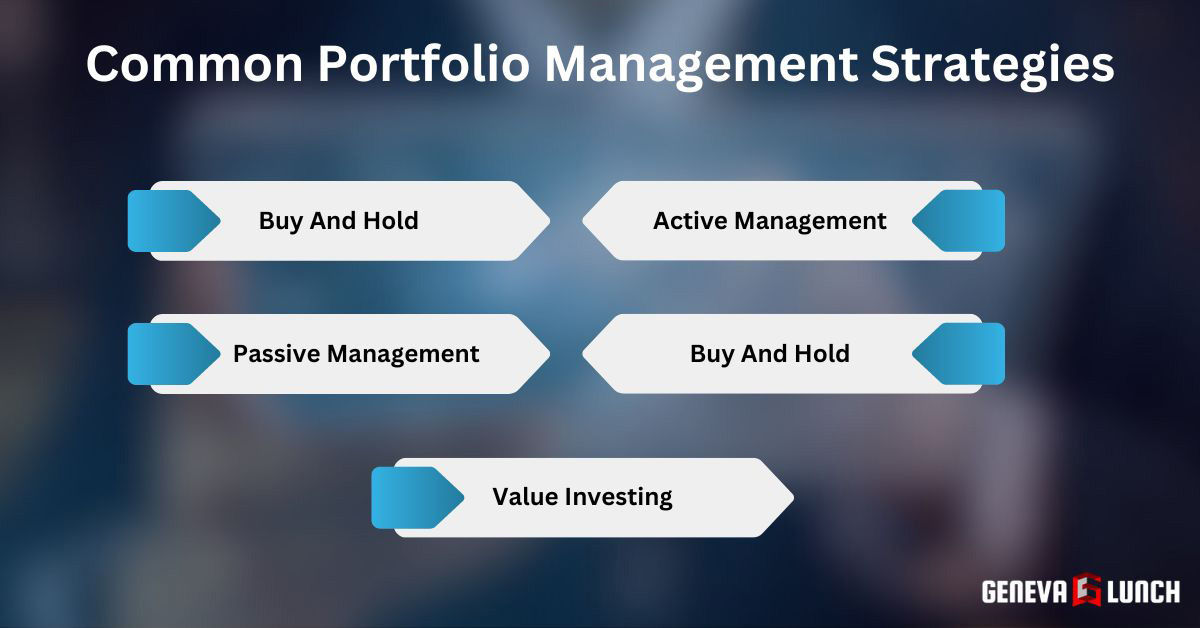
After building your portfolio, it’s crucial to manage it effectively. Various strategies are available, and each comes with its own set of benefits. Financial advisors often recommend considering these approaches based on your investment goals and risk tolerance. Here, we’ll explore 5 common portfolio management strategies.
1. Buy And Hold
The buy-and-hold strategy is a passive investment approach. It prioritizes long-term growth over short-term market changes. Investors using this strategy buy a diverse set of assets. The assets fit their goals and risk tolerance. They then hold those investments for the long term, with little buying and selling.
Here are 3 key characteristics of buy-and-hold investing:
- Long-Term Focus: Buy-and-hold investors believe that the stock market trends up over long periods. It does so despite short-term volatility. They focus on riding out market downturns and benefiting from long-term growth.
- Low Costs: This strategy typically has lower investment fees than active management. This is because there’s less trading.
- Discipline: Buy-and-hold investing requires discipline. You must resist the urge to react to market moves and stick to the long-term plan.
2. Active Management
Active management is an investment approach that differs from buy-and-hold. It involves watching the market.
You make strategic decisions to buy and sell. You aim to beat a chosen benchmark, like a market index. Active managers believe they can find undervalued assets. They also can spot market trends. These trends will generate higher returns than the broader market.
Here are 3 key characteristics of active management:
- Market Timing: Active managers attempt to time the market. They do this by buying assets they think are undervalued and selling them before they peak.
- High Costs: Active funds are more expensive. This is because they need research, analysis, and trading.
- Potential for Higher Returns: Skilled active managers can beat the market and earn higher returns for investors. However, this is not guaranteed. Many managed funds do worse than the market after fees.
3. Passive Management
Passive management involves setting and sticking to a strategy, no matter what the market does. The main goal is to mimic the returns of a particular market index. This strategy requires less work and usually has lower fees because it trades less often.
Index Investing
Index investing is a simple form of passive management. In this strategy, you invest in funds that track a specific market index, like the S&P 500. The idea is that you get steady growth over time by matching the market’s performance. You don’t try to beat the market; you aim to keep up.
Exchange-traded Funds (ETFs)
ETFs are another tool for passive managers. These funds are like index funds but trade on stock exchanges like regular stocks.
ETFs are popular because they are easy to buy and sell, have low costs, and offer the chance to invest in many stocks or bonds simultaneously. They help you diversify your investments. This means spreading your money across many assets to reduce risk.
4. Growth Investing
Growth investing focuses on companies with high growth potential, even if they have not been profitable. These companies typically reinvest most of their earnings into the business.
They do this to fuel future expansion. Growth investors are willing to pay a premium for these companies’ stocks because they believe their future earnings justify the higher price.
Here are 3 key characteristics of growth investing:
- Focus on Future Potential: Growth investors prioritize a company’s potential for future earnings growth. They care less about its current profitability. They believe that innovative, disruptive companies can see big stock price gains. This happens as their earnings power grows.
- Higher Risk: Growth stocks are more volatile than established companies. They rely on future earnings, which puts them at greater risk of market downturns and unexpected events, hindering their growth.
- Active Management: Growth investing often requires active research. We need to find companies with disruptive tech. They need strong managers and a clear path for growth.
5. Value Investing
Value investing takes the opposite approach to growth investing. Value investors seek to buy stocks that are trading for less than their true value. They believe the market undervalued these companies, and their stock prices will rise to show their true worth.
Here are 3 key characteristics of value investing:
- Focus on Undervalued Companies: Value investors analyze a company’s financials, assets, and competition to find companies whose stock prices are below their true value.
- Focus on Stability: Value investors often favor established companies. They have a history of profit and strong basics. They prioritize stability and resilience over high-growth potential.
- Long-Term Outlook: Value investors typically have a long-term view. They believe the market will see the true value of undervalued companies, which will raise the stock price.
Tools And Resources For Portfolio Management
Effective portfolio management is crucial for anyone looking to grow their investments. It involves tracking performance, optimizing asset allocation, and making informed decisions. Investors can use many tools and resources. They help them manage their portfolios well.
Portfolio Management Software
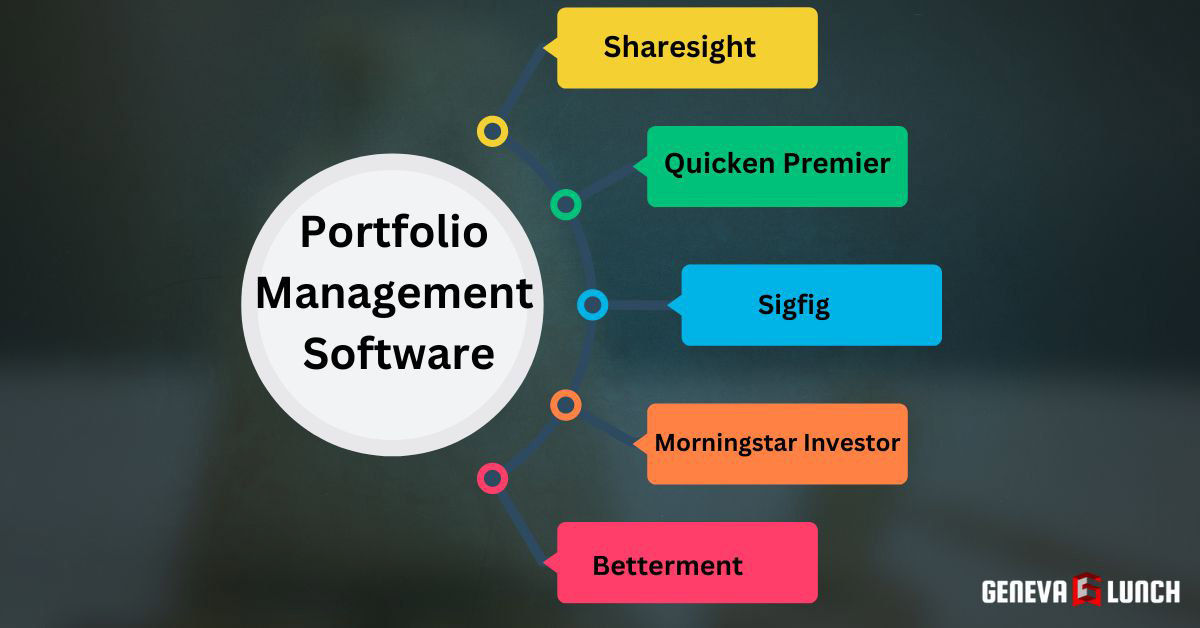
Investors need portfolio management software. It gives them a full view of their investments and an efficient way to manage them. The tools offer features like real-time data and insights. These are vital for a healthy investment portfolio.
1. Sharesight
Sharesight is investment tracking software. It lets investors track their portfolios across asset classes and global markets. It records dividends and stock splits. It gives tax and performance reports. It has features for sharing portfolios with advisors.
Features:
- Tracks performance across multiple accounts and investment types (stocks, ETFs, mutual funds).
- Provides detailed performance reports and portfolio analytics.
- Offers tax reporting tools to assist with tax filing.
- Caters to international investors with multi-currency support.
2. Quicken Premier
Quicken Premier offers extensive investment tracking alongside robust personal finance tools. It provides a single dashboard for all financial accounts. It has tools for analyzing investments and for planning for future needs. This makes it a versatile choice for detailed financial management.
Features:
- Comprehensive budgeting and financial planning tools alongside investment tracking.
- Allows categorization of spending and income for a holistic view of your finances.
- Offers bill pay functionality to streamline expense management.
- Provides retirement planning tools and calculators.
3. Sigfig
Sigfig stands out for its user-friendly design and comprehensive management features. It offers a personalized investment strategy and automated portfolio rebalancing. It works well with existing investment accounts, making it a convenient option for both new and experienced investors.
Features:
- Free automated portfolio tracking for all account types (brokerage, retirement accounts).
- Provides goal-based investment planning tools.
- Offers personalized investment recommendations based on your risk tolerance and goals.
- Integrates with popular budgeting apps for a unified financial picture.
4. Morningstar Investor
Morningstar Investor has a reputation for providing thorough investment analysis. It offers detailed data on stocks, funds, and ETFs. It has tools for comparing your portfolio against benchmarks and expert financial advice. This is ideal for investors who need thorough research and strategic insights.
Features:
- In-depth research reports and analysis on stocks, mutual funds, and ETFs.
- Portfolio X-ray tool for comprehensive analysis of your holdings.
- Customizable stock screeners to identify potential investment opportunities.
- Offers educational resources and investment news.
5. Betterment
Betterment is a robo-advisor. It simplifies investing by automating the management of your portfolio. It does this based on your specific goals and risk tolerance. It has tax-loss harvesting, automatic rebalancing, and dividend reinvestment. This is designed for passive investors who seek hands-off growth.
Features:
- Robo-advisor service that provides automated portfolio management.
- Creates a diversified portfolio based on your risk tolerance and investment goals.
- Offers automatic rebalancing and tax-loss harvesting strategies.
- Low management fees compared to traditional financial advisors.
Financial Advisors And Planners
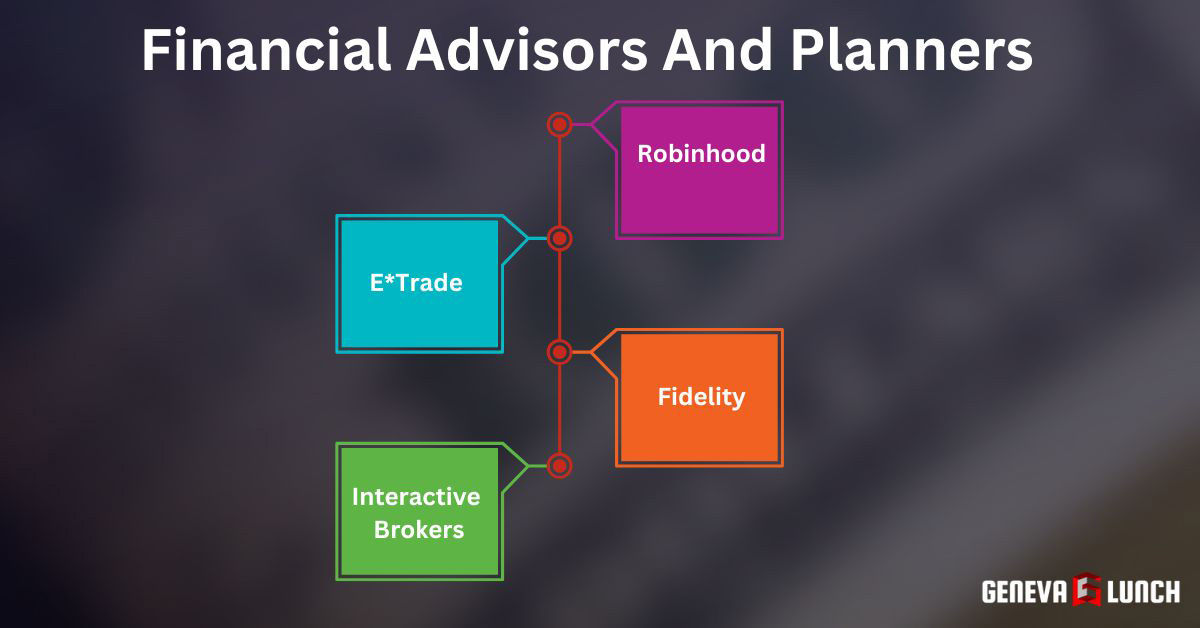
Financial advisors and planners offer expert advice on managing money. They help you set goals, plan for your future, and choose investments wisely. They can help you save for retirement. They can also help with investing in stocks. They can guide you to make the best choices.
1. Robinhood
Robinhood is a popular app that makes investing easy for everyone. It lets you buy and sell stocks without paying any fees. This app is great for beginners who want to start investing with a small amount of money.
Features:
- Commission-free stock and ETF trading.
- User-friendly mobile app for easy investing on the go.
- Offers fractional shares, allowing investment in high-priced stocks with smaller amounts.
- The platform has few investment options. It has fewer options than some other brokers. The basic platform lacks mutual funds and bonds.
2. E*Trade
ETrade is a platform that offers more than just buying and selling stocks. It also provides tools for research, trading options, and managing retirement accounts. ETrade is suitable for both new investors and those with more experience.
Features:
- Commission-free stock and ETF trading.
- Offers a wider range of investment options than Robinhood, including trading options and mutual funds.
- Provides more research tools and educational resources.
- Offers basic automated investing tools.
3. Fidelity
Fidelity offers a wide range of services, including investment and banking services. It’s known for its strong customer support and extensive research resources. Fidelity is a good choice if you’re looking for a full-service investment platform.
Features:
- Commission-free stock and ETF trading.
- Extensive research tools and educational resources.
- Offers fractional shares investing and retirement account options.
- Provides access to human investment professionals for a fee.
4. Interactive Brokers
Interactive Brokers is best for advanced traders who need more sophisticated trading tools. It offers cheap trading. The trading is on a global platform. The platform includes stocks, options, futures, and more. Serious investors love this service. It gives them access to many investment options.
Features:
- Low commissions for stock, ETF, and options trading.
- It offers many investment products. These include global stocks, bonds, and futures.
- Advanced platform with extensive research tools and charting functionalities.
- Caters to experienced investors who are comfortable with a more complex platform.
Online Investment Platforms

Some of the platforms you mentioned cater to financial advisors. They also provide research tools. But, they are not just online investment platforms. You can buy and sell investments on them directly. Here’s a breakdown of some popular online investment platforms and their key features:
1. Morningstar
Morningstar provides in-depth research and ratings for stocks, bonds, and mutual funds. It helps investors understand the risks and returns of their investments. Morningstar provides detailed reports. They help you pick the right investments.
Features:
- In-depth research reports and analysis on stocks, mutual funds, and ETFs.
- Portfolio X-ray tool for comprehensive analysis of your holdings.
- Morningstar ratings to assess the relative risk and potential of investments.
- Some platforms offer basic stock screeners and news.
2. Yahoo Finance
Yahoo Finance is a great tool for free financial news, data, and portfolio management. It allows you to track your investments in real time. You can also view charts, read expert analyses, and check market trends to stay updated.
Features:
- Free access to real-time stock quotes, news, and analysis.
- Customizable watchlists and basic charting tools.
- Limited portfolio tracking functionality (may vary depending on platform integration).
- Some platforms offer basic stock screeners and educational resources.
3. Bloomberg Terminal
Bloomberg Terminal is a pro service. It offers powerful tools for market analysis and data. Top finance professionals use it to get real-time data, news, and analysis. While expensive, it provides serious investors with detailed information and direct communication tools.
Features:
- Industry-standard platform used by professional investors and financial institutions.
- Real-time market data, news, and in-depth analytics across asset classes (stocks, bonds, currencies, etc.).
- Powerful charting tools and portfolio tracking functionalities.
- Advanced screening capabilities and market news aggregation.
4. StockCharts
StockCharts is perfect for investors who need visual tools like charts and graphs. It helps you see market trends and technical analysis at a glance, customize your charts, and explore historical data to make informed decisions.
Features:
- Advanced charting software with a wide range of technical indicators and studies.
- Customizable chart patterns and technical analysis tools.
- Offers some educational resources on technical analysis.
- May integrate with online brokers for trading (functionality depends on the broker).
5. Seeking Alpha
Seeking Alpha offers a community feel where investors share insights and tips. It provides analysis, data, and predictions on stocks. This platform is great for getting diverse opinions. It helps you learn about the causes of stock movements.
Features:
- User-generated research reports, analysis, and news articles on stocks.
- Commentary and insights from various investment professionals and analysts.
- Ability to follow specific authors and investment strategies.
- Some platforms offer basic stock screeners and portfolio tracking tools, the features of which depend on the subscription level.
Financial Portfolio Planning For Different Life Stages
You must manage your financial portfolio well. This involves changing your investment strategies as you move through life. Each stage brings unique goals and challenges that can impact your financial decisions. Here’s a roadmap for how your portfolio allocation and investment strategies can shift across different life stages:
Early Career (20s & 30s): Building The Foundation
Your primary focus in this stage is establishing a solid financial foundation. Here are some key strategies:
- Debt Management: Prioritize paying off high-interest debt like credit cards and student loans. This will free up future income for saving and investing.
- Emergency Fund: Build an emergency fund to cover unexpected expenses. Aim to save 3-6 months of living expenses.
- Start Saving Early: Even small contributions add up over time. Take advantage of employer-sponsored retirement plans and start investing for the long term.
- Focus on Growth: You likely have a long investment time horizon. Your portfolio can favor growth stocks and assets like stocks. These have the potential for higher returns, even if they are riskier.
Mid-Career (40s & 50s): Growth With A Dose Of Caution
As you reach mid-career, you may have a growing family. You may also have a mortgage and other bills. Here’s how to adjust your strategy:
- Continue Saving: Increase your retirement savings contributions as your income grows.
- Diversify Your Portfolio: Introduce a balance of growth—and income-oriented investments. Consider incorporating bonds or dividend-paying stocks to provide stability and income.
- Review Your Insurance Needs: Check whether you have enough life insurance and make sure it will protect your family.
- Plan for Education Costs: Start saving for your children’s college if you have any.
Pre-Retirement (50s & 60s): Transitioning To Income
As retirement nears, your focus shifts towards income generation and capital preservation. Here are some key considerations:
- Catch-Up Contributions: Many retirement plans allow increased contributions in your 50s. These are for catching up on saving.
- Reduce Portfolio Risk: Lower Portfolio Risk. Shift your portfolio to safer investments, like bonds and income assets. They generate reliable income.
- Develop a Retirement Income Plan: Estimate your retirement expenses, decide how to make money from your investments and consider other sources, like Social Security.
- Pay Off Debt: Aim to enter retirement debt-free to maximize your financial security.
Retirement (60s & Beyond): Living Off Your Portfolio
In retirement, you’ll be living off your accumulated savings. Here’s how to manage your portfolio during this stage:
- Income Distribution: Develop a withdrawal strategy to get income from your portfolio. But use up your principal slowly.
- Monitor and Rebalance: Monitor and rebalance your portfolio as needed. Do this to keep the allocation you want.
- Healthcare Considerations: Factor in potential healthcare costs in your retirement planning.
- Estate Planning: Make sure it will distribute your assets as you wish.
Common Portfolio Management Mistakes To Avoid
Building a successful investment portfolio requires careful planning, discipline, and avoiding common pitfalls. Here, we’ll discuss critical mistakes. Investors should be aware of them to navigate the financial markets well.
These mistakes can result in poor returns, create stress, and jeopardize your financial goals. By recognizing these frequent errors, you can make informed choices that protect your hard-earned capital. Consulting with financial advisors can provide additional insights and guidance to help safeguard your investments from these common oversights.
Lack Of Diversification
Diversification is the cornerstone of sound portfolio management. You spread your investments across many types of assets, including stocks, bonds, and real estate. Within each type, you also spread across different sectors, industries, and companies.
- Why it’s a mistake: A lack of diversification exposes your portfolio to excessive risk. When a sector or asset class has a downturn, your whole portfolio can suffer big losses.
- How to avoid it: Split your investments among different asset classes based on your risk tolerance and investment goals. In each asset class, diversify. Invest in companies of various sizes and sectors. This will reduce risk.
Overlooking Risk Management
Risk management is an essential aspect of portfolio management. It involves understanding your risk tolerance and taking steps to mitigate potential losses.
- Why it’s a mistake: Failing to consider risk can lead to significant financial setbacks. Investing in overly risky assets without proper management can risk your financial security.
- How to avoid it: Assess your risk tolerance. Consider your age, financial goals, and time horizon for investing. Choose an asset allocation that fits your risk tolerance. Use strategies like stop-loss orders or diversification to manage risk.
Chasing Trends
Chasing trends can be a recipe for disaster in the investment world. Trying to time the market by jumping on hot trends or fads can lead to impulsive decisions and missed opportunities.
- Why it’s a mistake: Markets are volatile. It’s almost impossible to predict short-term trends. Chasing trends often leads to buying at highs and selling at low prices, resulting in losses.
- How to avoid it: To avoid it, make a long-term investment strategy. Base it on your goals and risk tolerance. Refrain from being swayed by market hype or sudden trends. Focus on investing in solid companies with strong fundamentals for the long term.
Ignoring Fees And Expenses
Investment fees and expenses can eat into your returns over time. You must understand the fees for your investments. They include management fees, transaction costs, and expense ratios.
- Why it’s a mistake: High fees can greatly reduce returns, and not knowing about hidden fees can lead to surprises later.
- How to avoid it: Compare fees across investments. Choose low-cost options like index funds or ETFs. Negotiate fees with financial advisors if applicable. Be mindful of transaction costs associated with frequent buying and selling.
Failing To Rebalance The Portfolio
Market fluctuations can cause your portfolio’s asset allocation to drift over time. Rebalancing involves adjusting your portfolio’s asset mix back to your target allocation.
- Why it’s a mistake: A neglected portfolio can become unbalanced, exposing you to unintended risks. A portfolio that’s become overly concentrated in a single asset class can suffer significant losses if that asset class experiences a downturn.
- How to avoid it: Rebalance your portfolio yearly or twice a year to maintain your desired asset mix. This may involve selling assets that did well and using the money to buy assets that did poorly. This will restore balance to your portfolio.
FAQs
What Is Portfolio Management In Financial Management?
Portfolio management in financial management involves strategically managing your investments to achieve specific financial goals. It includes asset allocation, balancing risk against performance, and continuously monitoring and adjusting the portfolio based on market conditions and individual objectives.
How Do I Diversify My Financial Portfolio To Manage Risk?
To diversify your financial portfolio effectively, invest across different asset classes such as stocks, bonds, real estate, and commodities. Mix asset types and sectors to minimize risk and tap into various markets. Regularly review and adjust your investments to maintain a balanced portfolio.
What Asset Allocation Is Right For My Financial Portfolio Based On My Age?
Asset allocation depends on age and influences risk tolerance. Younger investors can favor stocks for growth, while those nearing retirement could prefer bonds for stability. Use a balanced mix that shifts from aggressive to conservative as you age to maintain growth and protect your investments.
Should I Consider Rebalancing My Financial Portfolio Regularly?
Financial portfolios come in various types—stocks, bonds, real estate, and more. Building a successful portfolio requires strategic planning, assessing risks and goals, and employing tools like financial analysis software and expert resources to ensure diversification and optimal asset allocation.
How Often Should You Review And Adjust Financial Portfolios?
It’s advisable to review and adjust financial portfolios at least annually or when major life changes occur. Frequent reviews help align investments with financial goals and risk tolerance. Utilizing performance analytics tools can aid in making informed decisions about portfolio adjustments.
How Do I Track The Performance Of My Financial Portfolio?
Use portfolio management tools or software that provides real-time asset data to track your financial portfolio’s performance. Review asset allocation regularly, check performance against benchmarks, and adjust strategies to meet financial goals. Monitoring helps identify opportunities and risks.
How Can Technology Assist In Managing Financial Portfolios?
Technology enhances financial portfolio management through automated tools and software, enabling real-time tracking, analysis, and rebalancing. These platforms offer data-driven insights and alerts, making it easier to optimize investments and align with financial goals efficiently and effectively.
Final Words
Understanding financial portfolios is key to growing your money. Start by learning about finance in detail, different types of financial portfolios, like stocks or bonds. Then, build your portfolio by setting clear goals and knowing your risk comfort.
Utilize valuable finance tools and resources to make informed choices and monitor your progress. By staying educated and employing appropriate tools, you can develop a robust financial portfolio that helps you achieve your financial objectives.
Always remember the right mix of investments and strategic planning are your best tools for success in finance.