How Long Do I Pay Escrow On My Mortgage?

Are you feeling overwhelmed by the terms and details of your mortgage? Let’s simplify one crucial aspect: escrow. Think of escrow as your financial buddy. But how long do I pay escrow on my mortgage?
As a mortgage holder, you’ll pay escrow throughout the entire duration of your mortgage. This account covers taxes and insurance and ensures that these critical expenses are paid on time. Escrow remains active until your mortgage loan is fully paid off.
In this easy guide, we will explore the ins and outs of escrow for you, showing how it is a powerful tool that protects your home and financial health. Let’s begin!
Key Takeaways
- Escrow Payments Duration: Escrow payments are a consistent part of your mortgage; concluding when the loan is repaid.
- Covers Taxes and Insurance: Monthly escrow payments are crucial to ensure timely property taxes and insurance coverage.
- Flexibility and Requirements: Some lenders may allow opting out of escrow with specific conditions met.
Duration Of Escrow Payments

You pay into escrow for as long as you have your mortgage. This account collects money each month for your taxes and insurance. Once your mortgage is paid off, you stop paying into escrow.
Escrow For Entire Loan Term
Escrow isn’t just a one-time thing; it’s with you for the long haul of your mortgage. From the moment you sign your mortgage papers to the day you make your last payment, escrow is part of the journey.
This is because your house needs protection every year, and taxes and insurance bills are always coming due. Escrow makes sure these bills get paid on time, without you having to mark your calendar or worry about deadlines.
This setup means you focus on enjoying your home, knowing the essentials are handled.
Consistent Financial Planning
Having an escrow account means your budgeting just got easier. Instead of facing big, one-time payments for property taxes or homeowners’ insurance, you spread these costs over the entire year.
Each month, a part of your mortgage payment goes into escrow. Then, when it’s time to pay those big bills, the money is already there, waiting to be used.
This method smooths out your financial planning, making it more predictable and manageable. You don’t get surprised by large bills, and you plan your spending with a clearer view.
It’s a stress-reducer, ensuring you’re financially prepared for these significant expenses without scrambling to gather funds at the last minute.
Embedded In Monthly Payments
Your escrow payment is a piece of your overall mortgage payment. Think of your monthly mortgage bill as a pie, divided into slices of principal, interest, taxes, and insurance. The escrow part covers the taxes and insurance.
This means you don’t pay for these separately; it’s all bundled together. Each month, you pay a portion towards your loan and a portion into your escrow account.
When tax time rolls around or your insurance premium is due, your lender uses the money in escrow to pay these bills on your behalf.
This setup not only simplifies your payments but also gives you peace of mind, knowing everything is taken care of in one go.
Components Of Escrow Payments
Escrow payments are made up of money for property taxes and homeowners insurance. Every month, a part of your mortgage payment goes into this special account. Let’s explore the components of this in detail:
Breakdown: Taxes, Insurances

Escrow payments are like a savings pot but for two big things: your property taxes and homeowners insurance. Here’s how it works: every month, when you pay your mortgage, a part of that money goes straight into your escrow account.
This way, you don’t have to remember these big payments; your escrow account does the remembering for you. It collects a little bit every month, so when it’s time to pay, you’re all set.
Purpose: Timely Expense Payments
The main job of your escrow account is to make sure you never miss a due date on your taxes or insurance. It’s all about timing.
By collecting a bit of your tax and insurance money each month, escrow ensures there’s enough cash ready when these big bills need to be paid.
This is super important because being late on property taxes or insurance leads to big problems, like penalties or even losing your insurance coverage.
Escrow keeps everything running smoothly, making sure every bill is paid right on time, without you having to worry about it.
Streamlining Financial Responsibilities
Escrow makes handling your home’s financial duties a lot easier. Instead of marking your calendar for various due dates throughout the year and saving up large sums of money to cover your tax and insurance bills, escrow simplifies it.
With escrow, these expenses are broken down into manageable, monthly payments. This streamlining means less stress for you. You don’t have to think about saving up for these big bills or worry about forgetting to pay them.
Your lender handles it, using the money in your escrow account to pay each bill as it comes due. It’s a straightforward, worry-free way to manage the financial responsibilities of owning a home.
Managing Escrow Payments
Managing escrow payments means setting aside a part of your mortgage payment every month for taxes and insurance. Your lender takes care of this, using the money to pay these bills on your behalf when they’re due.
Lender’s Role In Collections

Your lender isn’t just there to give you the money to buy your home; they also play a big part in managing your escrow account. Think of them as the guardians of your escrow.
Each month, when you make your mortgage payment, your lender takes a piece of that and puts it into your escrow account. They’re like the middleman, collecting the money from you and then paying your taxes and insurance with it when those bills are due.
This means you don’t have to deal with the tax office or insurance company for these payments. Your lender does all the heavy lifting, ensuring your bills are paid on time, every time.
Ongoing Obligation For Borrowers
As a homeowner, paying into escrow is part of your ongoing responsibility. It’s not optional; it’s a must-do. Every month, a portion of your mortgage payment goes into escrow.
This is to cover your property taxes and homeowners insurance. It’s important to remember that these payments are for protecting your home and keeping you in good standing with the government and your insurance company.
Staying on top of these payments means you’re taking care of your home and fulfilling your obligations as a borrower. It’s a commitment that lasts as long as your mortgage does.
Variations In Loan Terms
Not all mortgages are the same, and this means there can be differences in how escrow is handled.
Some loan types might require you to pay a bit more into escrow upfront, or they may have different rules about how much needs to be in your escrow account at all times.
For example, when you have a loan that’s considered higher risk, your lender might want a larger cushion in your escrow to cover unexpected increases in taxes or insurance premiums.
On the other hand, when you’ve built up equity in your home and have a strong payment history, you might have more flexibility with your escrow payments.
It’s important to understand the specific terms of your loan to know how your escrow payments will be managed.
Consultation And Guidance
Consultation and guidance mean talking to your lender to understand your mortgage and escrow better. They will explain how much you’re paying and why, and help you make smart choices about your home loan.
Reviewing Loan Agreement Details
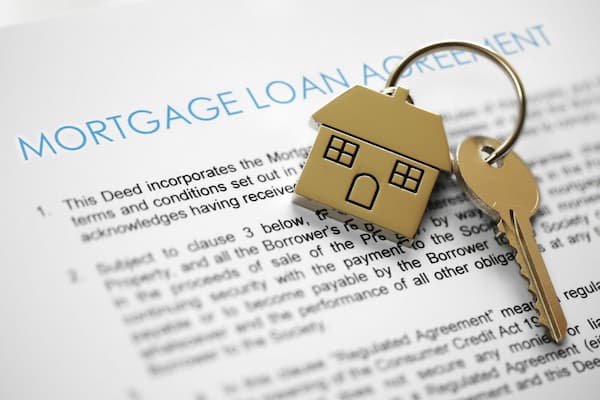
When you get a mortgage, you sign a lot of papers, but one of the most important things to do is to understand what you’re signing, especially about your escrow.
This part of your mortgage agreement tells you how your escrow payments will work, what they cover, and how much you’ll be paying into it. It’s a good idea to sit down and go through these details carefully.
In case there’s something you don’t get, ask questions. This isn’t just about paying your mortgage every month; it’s about knowing where your money goes and how it’s being used to protect your home.
Personalized Information From Lender
Your lender knows your mortgage and escrow details inside out. They’re like your personal guide in the mortgage world. When you have questions about your escrow or how it’s being managed, don’t hesitate to reach out to them.
They will give you information that’s specific to your loan and situation. This includes how much you’re paying into escrow when these payments are reviewed, and if you should expect any changes in the amount you pay.
Getting this personalized info will help you understand your mortgage better and make sure you’re on track with your payments.
Ensuring Informed Financial Decisions
Making smart choices about your mortgage and escrow means having the right information.
When you understand how your escrow works and what it’s for, you will make better financial decisions.
This involves planning for potential changes in your escrow payments or knowing when you ask for a review of your escrow account. Being informed helps you manage your money better and ensures you’re not caught off guard.
Always aim to be proactive about understanding your escrow, and don’t shy away from seeking advice or clarification when you need it.
FAQs
1. Can I Opt-Out Of Escrow Payments On My Mortgage?
Yes, sometimes you can opt-out of escrow payments on my mortgage. But it depends on your lender and your loan’s conditions. When you have a good payment history and enough equity in your home, your lender might let you pay taxes and insurance on your own. But, you’ll need to ask your lender first.
2. Does Everyone Have To Pay Escrow On Their Mortgage?
No, not everyone has to pay escrow on their mortgage. It depends on your lender’s rules and your loan agreement. Some people may choose or be allowed to handle their property taxes and insurance payments themselves instead of having them included in an escrow account with their mortgage.
3. Is Escrow The Same For All Types Of Mortgages?
No, escrow is not the same for all types of mortgages. Different mortgages have different rules about escrow. Government-backed loans like FHA or VA require an escrow account for taxes and insurance to protect the investment. Conventional loans often offer more flexibility comparatively.
Conclusion
Paying escrow is part of having a mortgage, like a helper making sure your bills are paid. It’s there from start to finish, making things easier for you. It simplifies what could be a complex part of owning a home.
So, embrace the escrow process as a helpful tool, not just another obligation. Here’s to smooth sailing on your mortgage journey!