How To Avoid Foreclosure?

Foreclosure can be a daunting and distressing experience for homeowners. Still, it’s crucial to know how to avoid foreclosure. Read this in-depth article to get all the details about it.
To avoid foreclosure, communicate with your lender. Explore several options. For example, loan modification or refinancing. Cut expenses, increase income, and put mortgage payments first. Seek help from housing counselors. Be proactive and seek help early on to mitigate the risk of losing your home.
Here’s a detailed guide on how to navigate through this challenging situation. Go through it to learn more about avoiding foreclosure.
Key Takeaways
- Communication with a lender: Stay in touch with your lender and explore options to modify or refinance your mortgage.
- Budget evaluation: Assess your finances. This is to put mortgage payments first. Also, to cut unnecessary expenses.
- Seek assistance: Contact housing counseling agencies or legal aid. This is for guidance on foreclosure prevention strategies.
Early Warning Signs Of Foreclosure
Foreclosure happens when you can’t pay your mortgage. Early warning signs include missed payments, letters from your lender, and no response to offers for help. Stay informed and seek assistance when you notice these signs to avoid losing your home. Let’s learn more about it.
Missed Payments
When you start missing mortgage payments, it’s a red flag for possible foreclosure. It’s crucial to act quickly. Also, find solutions when you’re having trouble paying on time. Don’t ignore this warning sign and seek help to prevent losing your home.
Financial Strain
Experiencing financial strain can significantly impact your ability to keep up with mortgage payments. For example, job loss, reduced income, or unexpected expenses. Recognize these strains early. It can help you take the necessary steps to prevent foreclosure.
Lender Notices
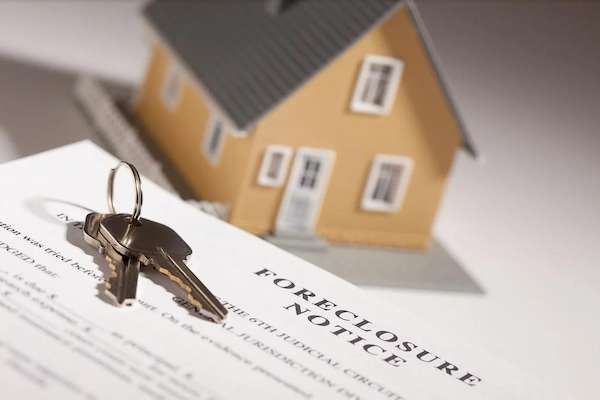
Ignoring notices from your lender regarding missed or late payments can accelerate the foreclosure process. These notices serve as warnings. These indicate that action needs to be taken to remedy the situation.
Communication With Lender
When you communicate with your lender, you talk to the bank or company that gave you the loan for your house. It’s important to stay in touch with them if you’re having trouble paying your mortgage. So they can help you find ways to keep your home.
Importance Of Dialogue
Open and honest communication with your lender is crucial. This is when you are facing financial difficulties. Initiating a dialogue allows you to explore potential solutions. It will also show your willingness to resolve the situation.
Workout Arrangements

Many lenders offer workout arrangements. For example, forbearance or repayment plans. These are to help homeowners catch up on missed payments. These arrangements can provide temporary relief. Or it can at least delay the eviction after foreclosure. This is while you work to improve your financial situation.
Modification Options
Loan modification programs can alter the terms of your mortgage. This is to make payments more manageable. These modifications can include reducing the interest rate. It also includes extending the loan term. This can also include even forgiving a portion of the principal balance.
Financial Management Strategies
Financial management strategies are ways to handle your money and budget wisely. It’s important to keep track of your expenses, save money, and prioritize paying bills like your mortgage. These strategies help you make good choices with your finances and avoid problems like foreclosure.
Budget Reassessment

Review your budget and identify areas. These are where expenses can be reduced. It can free up funds to allocate toward mortgage payments. Cut unnecessary costs and put essential expenses first. It can help improve your financial stability.
Expense Reduction
Find ways to reduce your monthly expenses. For example, negotiating lower utility bills or eliminating non-essential services. These can reduce financial strain. These will also make mortgage payments more manageable.
Additional Income
Explore opportunities to increase your income. For example, taking on a part-time job or freelancing. It can provide extra funds. This is to put towards your mortgage. Supplementing your income can help bridge the gap during difficult times.
Asset Liquidation
When you’re struggling to pay your mortgage, you can sell things you own. For example, a second car or items in your home. This will arrange for quick cash. This money can help you catch up on payments. You can also pay for important things you need.
Long-Term Prevention Strategies
Long-term prevention strategies for foreclosure are ways to avoid losing your home in the future. These strategies include budgeting, saving money, and creating a financial plan. This is to ensure you can continue to make mortgage payments on time and keep your home secure.
Refinancing
Refinance your mortgage to secure a lower interest rate. You can also extend the loan term. All these can reduce monthly payments and improve affordability. Still, it’s essential to consider the costs and potential long-term implications before refinancing.
Emergency Fund

Build an emergency fund. It can provide a financial safety net. This is during unexpected hardships. For example, a job loss or medical emergencies. Having savings set aside can help prevent falling behind on mortgage payments in the future.
Financial Planning
Create a comprehensive financial plan. That must include savings goals, debt management strategies, and retirement planning. It can help you maintain financial stability. This will also help avoid foreclosure in the long run.
Do you have more queries about how to avoid foreclosure? Check out the following questions and answers.
FAQs
1. Which One Is The Best Way To Prevent Foreclosure?
The best way to prevent foreclosure is to be proactive. This is by making your mortgage payments on time and communicating with your lender if you find yourself facing financial difficulties. Seek assistance from a housing counselor. It can also help explore potential solutions to avoid foreclosure.
2. What Is The Best Alternative To Foreclosure?
When you’re at risk of foreclosure, the best option is to communicate with your lender. Explore alternatives. For example, loan modifications, short sales, or deeds instead of foreclosure. Seek help from a HUD-approved counselor. This is for guidance on avoiding foreclosure. Share your problem.
3. What Is The First Step To Avoid Foreclosure?
The first crucial step to avoid foreclosure is contacting your lender fast. This is when facing payment challenges. Early communication can lead to potential solutions. This is to keep you in your home. Stay proactive and seek assistance. This is to prevent foreclosure from happening.
Conclusion
Facing the threat of foreclosure can be overwhelming. Still, it’s essential to take proactive steps to address the situation. Recognize early warning signs, and communicate with your lender. Also, implement financial management strategies, and consider long-term prevention measures.
Thus you can increase your chances of avoiding foreclosure. You can also preserve homeownership. Seek help from housing counselors or financial advisors. It provides valuable support and guidance. With perseverance, you can overcome financial challenges. You can also secure a brighter future.