What Is Financial Risk? It’s Types, How To Control It
Ever worried about your investments plummeting or your business facing financial hardship? That’s financial risk, the constant possibility of encountering losses.
Financial risk refers to the potential for financial losses within a business or investment. It encompasses various types, including market, credit, liquidity, and operational risks. These risks can impact returns, requiring careful management and mitigation strategies to safeguard assets.
Let’s explore the details of what is financial risk and how to navigate its ever-present presence in our financial lives.
Key Takeaways
- Definition of Financial Risk: Financial risk involves potential losses due to market changes, which can impact investments and overall financial health.
- Market Risk: Exposure to market fluctuations that can affect asset prices, influenced by economic indicators and market sentiment.
- Credit Risk: The possibility that a borrower will default on a debt, impacting the lender’s returns and financial stability.
- Operational Risk: Risks arising from internal failures such as system breakdowns, fraud, or human errors that can disrupt business operations.
- Risk Management Strategies: Implement diversification, use hedging techniques, and maintain adequate liquidity to effectively control and mitigate financial risks.
What Is Financial Risk?
Financial risk refers to the uncertainty of potential losses in any financial endeavor. It’s the constant risk that an investment, business venture, or financial decision will go differently than planned. This would result in a financial loss. This risk can affect individuals, businesses, and even governments.
Here’s a breakdown of the concept:
- Uncertainty: Financial risk hinges on the unknown. Future market trends, economic conditions, and unforeseen events can all impact finances.
- Potential Loss: The core of financial risk lies in the possibility of losing money. This loss can range from a small setback in an investment to a total collapse of a business.
- Financial Endeavors: Financial risk includes many activities. These include investing in stocks, running a business, taking out a loan, or making a big purchase.
Why Does Financial Risk Matter?
Understanding and managing financial risk is crucial for several reasons including securing financial goals, informed decision-making, protecting your assets, and peace of mind.
- Securing Financial Goals: Risk can impact your goals. This includes saving for retirement, buying a house, or funding your child’s education. By identifying and mitigating risk, you can increase your chances of financial success.
- Informed Decision-Making: Financial risk awareness empowers you to make informed decisions. Before committing to any financial move, weigh the possible rewards against the risks.
- Protecting Your Assets: Financial risk management helps safeguard your financial well-being. By managing risk, you can cut losses and protect your money.
- Peace of Mind: Financial security brings peace of mind. When you grasp and manage financial risk, you can face the future more. You’ll know you’ve taken steps to protect your financial stability.
Types Of Financial Risk
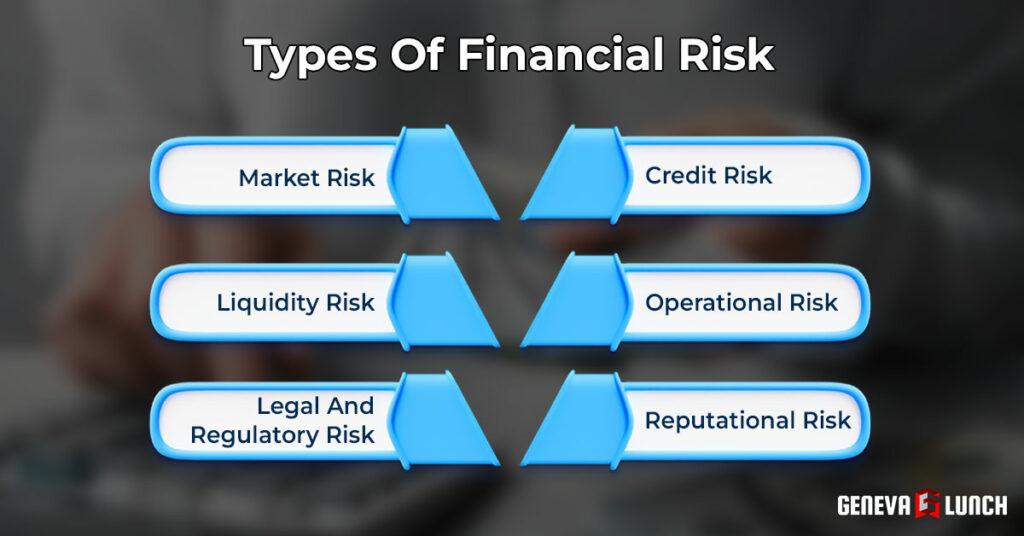
Financial risk occurs when money can be lost in business or investment. There are several types of financial risk including market risk, credit risk, liquidity risk, operational risk, legal and regulatory risk, and reputational risk. Knowing them helps one make smart financial choices.
Market Risk
Market risk happens when the overall market goes down and takes the value of investments with it. It can affect stocks, bonds, real estate, and more. This type of risk is inherent in participating in financial markets and impacts a wide range of assets.
The 4 key parts of market risks are price risk, interest rate risk, currency risk, equity risk.
Price Risk
Price risk is when the price of an investment goes up or down a lot. This could happen because of changes in the market or events that affect the whole economy. For example, if you own shares in a company and the price drops suddenly, you face price risk.
Interest Rate Risk
Interest rate risk occurs when interest rates change and affect your investments. When rates go up, the value of bonds you own can decrease. New bonds may offer higher returns, making older, lower-yielding bonds less attractive.
Currency Risk
Currency risk comes into play when dealing with investments in foreign currencies. Once you invest in a business overseas or buy stocks in another currency, exchange rate changes can boost or cut your returns.
For example, if the dollar strengthens against the euro, your investments in Europe could be worth less in dollars.
Equity Risk
Equity risk is specific to owning shares in companies. It’s the risk that your shares will lose value if the company doesn’t do well.
For instance, if a company faces a scandal or poor sales, its stock prices can drop. Equity risk is a major concern for investors, as the stock market can be unpredictable.
Credit Risk
Credit risk occurs when one party in a deal may not meet its financial promises. This is a common risk that banks and lenders face when they make loans. When borrowers fail to repay their loans, the lender loses money.
Default Risk
Default risk is a part of credit risk. It occurs when a borrower fails to pay back their loan. This can happen with individuals, companies, or even governments. Lenders often check how reliable borrowers are. They do this before lending money to reduce risk.
Country Risk
Country risk comes into play when dealing with international finance. It refers to the risk that a country won’t be able to honor its financial commitments. This could be due to money problems, politics, or policy changes. Such risks can affect all financial dealings with that country.
Settlement Risk
Settlement risk occurs during the process of clearing and settling a transaction. One party may fail to pay after the other fulfills its part. This often happens in the trading of currencies or securities, where ownership transfers at a different time from the payment.
Liquidity Risk
Liquidity risk happens when a person or company cannot quickly turn assets into cash without losing value. This risk is critical because having cash ready helps meet regular expenses and emergencies. Two main types of liquidity risks are asset liquidity and funding liquidity.
Asset Liquidity
Asset liquidity involves how easily assets can be sold for cash. For example, stocks are typically easier to sell than large machinery. When assets do not sell quickly, they may have to be sold for less than they are worth.
Funding Liquidity
Funding liquidity is about having enough cash to pay bills and debts when they are due. Companies face funding liquidity risk if they need more cash on time. This can happen if their payments from others are delayed.
Operational Risk
Operational risk comes from internal problems in a business that cause losses. These can be from system failures, human error, or management failures. Operational risks include system failures, human error, and management failures. Each has its impact.
System Failures
System failures occur when technology or business processes stop working correctly. An example is a crashed computer server or a broken machine. These failures can stop business activities and lead to financial losses.
Human Error
Humans make mistakes, and these mistakes can cost companies money. Errors in data entry, miscommunication, or simple oversight are common examples. Training and careful checks can help reduce these errors.
Management Failures
Poor management decisions can lead to big losses. This includes failing to catch or respond to issues like system failures or handling company resources wisely. Strong leadership and good decision-making processes are crucial to avoid these failures.
Legal And Regulatory Risk
Legal and regulatory risk comes from changes in laws or rules. These changes can affect a business. For example, a new law can increase the cost of making a product. Or a change in rules means a company has to spend more money to meet these rules.
This type of risk can lead to fines or legal action if a company does not follow new laws or regulations. Businesses must keep up with changes and adjust their operations to comply with new rules.
Reputational Risk
Reputational risk concerns people’s trust in a business. When a company is caught doing something bad, like cheating or harming the environment, people may stop buying its products. This can lead to less money made and a drop in the company’s value.
Maintaining a good reputation is crucial. Businesses need to act responsibly and communicate well to keep the trust of their customers and the public. This helps avoid the damage that bad news can cause.
Measuring Financial Risk
Measuring financial risk helps us know how much money we could lose in business or investments. This process uses numbers and models to predict risks and helps businesses make safer choices.
What Are Quantitative Techniques?
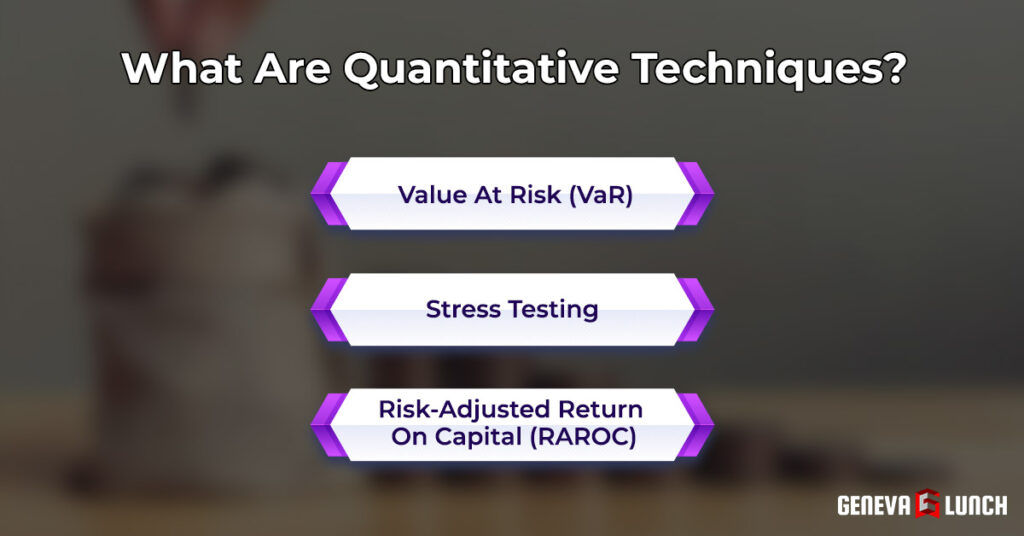
Quantitative techniques use math to figure out financial risks. These methods take past data and use it to predict future risks. By doing this, businesses can see potential problems and work to avoid them.
Value At Risk (VaR)
Value at Risk, or VaR, measures how much money a company could lose over time. It considers the worst-case scenario for losses. This helps companies understand how much money they should keep on hand to stay safe.
Stress Testing
Stress testing involves setting extreme scenarios to see how well a company can handle big shocks. These include sudden market crashes or major economic changes. It helps companies prepare for the worst.
Risk-Adjusted Return On Capital (RAROC)
Risk-adjusted return on Capital, or RAROC, measures how much money a company makes from its investments, considering the risks it takes. It helps companies determine whether they are getting enough return for their risks.
What Is Qualitative Techniques?
Qualitative techniques in financial risk involve using judgment instead of numbers. These methods look at the quality of the situation, not just the cold, hard facts. It’s like asking several weather experts if they think it will rain rather than just checking the weather app.
Scenario Analysis
Scenario analysis is when you think about different situations that could happen and see how they affect your money.
For example, if you own a store, you can imagine what would happen if very few customers came in for several months. Would you still have enough money to keep the store open?
Expert Judgment
Expert judgment involves consulting with experienced professionals about potential future risks.
For instance, if you’re considering stock investments, you could seek advice from a financial advisor specializing in the stock market. This expert uses their knowledge to guide you on which stocks are safe to invest in and which carry too much risk.
Financial Risk Management
Managing financial risk is critical. It helps businesses understand, manage, and reduce their financial risks. This practice is vital for maintaining a firm’s financial health and ensuring its long-term success.
What Is The Identification Of Risk Analysis?
Risk analysis is finding which risks could hurt a business’s money. This means identifying different financial risks, including market, credit, liquidity, and operational risk. The goal is clearly understanding what could go wrong and how it could impact the company.
Risk Assessment And Analysis
After risks are identified, they need to be assessed and analyzed. In this stage, we evaluate the chance of each risk and its potential impact on the business. This analysis helps rank risks by their severity and probability. It lets companies focus resources where they are needed most.
Risk Matrices
Risk matrices are used during risk assessments as a visual tool to categorize and prioritize risks. A risk matrix charts risk on two axes: one for the likelihood of the risk occurring and one for the impact of the risk.
This method gives a clear overview of which risks are most critical and need immediate attention. It also helps decision-makers mitigate risks well.
Risk Checklists
Risk checklists are practical tools to consider and address all potential risks. The lists include common risk factors for the business’s sector and operations. They ensure a thorough evaluation. A checklist can ensure risks are noticed. It can also guide regular risk assessments.
Risk Control And Mitigation Strategies

Once a company knows its risks, it must control and reduce them. This means making plans to handle risks in a way that minimizes their harm.
Diversification
Diversification means spreading your investments across different types of assets. For example, you buy stocks from various industries instead of putting all your money into one company’s stock. This way, you keep all your money if one market does badly.
Hedging
Hedging is like making a backup plan for your investments. It involves making a move that will help you if your main investment fails.
For example, if you own many oil stocks, you can invest in something that does well when oil prices fall. This helps keep your finances safe.
Insurance
Insurance is a way to protect against financial loss. Businesses buy insurance to help cover costs if something unexpected happens. This could be damage to property or a lawsuit. Insurance means the company can recover without losing too much money.
Risk Monitoring And Reporting
Monitoring and reporting risks are crucial. They help us track potential threats and see how well our risk strategies work. Businesses regularly check their risk controls and report findings to management. This process ensures that any needed changes can be made quickly and maintains financial stability.
Regulatory Compliance
Following rules set by government bodies is called regulatory compliance. This is crucial because it helps businesses avoid legal problems and fines. It also builds trust with customers and investors.
What Is The Basel Accord?
The Basel Accord is a set of rules made by global regulators from different countries. These rules tell banks how much money they need to keep in reserve. The goal is to make banks stable and prevent future financial crises.
Dodd-Frank Act
The Dodd-Frank Act is a law created in the United States to make the financial system safer after the 2008 crisis. This act changes banks’ operations and adds more checks to ensure they work safely and honestly.
Sarbanes-Oxley Act
The Sarbanes-Oxley Act is another U.S. law. It was made to protect investors from fraudulent activities by corporations. Companies must be more transparent in reporting financial data to the public. This act ensures companies show their true financial health to investors and the public.
Financial Risk In Different Sectors
Financial risk can vary a lot depending on the industry. Different sectors such as the banking sector, investment sector, corporate sector, and personal finance face unique challenges and risks based on their market conditions and how they operate.
Banking Sector
Financial risk in the banking sector involves the danger of losing money. Banks need to manage these risks carefully to stay stable and profitable. To manage their risks effectively, they focus on several key areas such as capital adequacy and asset-liability management.
Capital Adequacy
Capital adequacy is crucial for banks. It means having enough capital to cover potential losses. Banks must hold a certain amount of capital to be safe. This helps them survive financial challenges and protect their customers’ money.
Asset-Liability Management
Asset-liability management is about balancing the assets and liabilities in a bank. Banks must carefully manage the money they have and the money they owe to align their cash inflows with outflows. This balance helps them stay strong financially and avoid problems.
Investment Sector
The investment sector deals with risks related to buying and selling assets like stocks, bonds, and real estate. The main goal here is to manage these risks to make money and avoid losses.
What Is Portfolio Risk Management?
Portfolio risk management is about controlling the risks involved in holding different investments. It ensures that the mix of investments in a portfolio doesn’t expose the investor to too much risk by spreading investments across various types. When one fails, the others can still do well.
Asset Management Companies
Asset management companies play a big role. They handle financial risks for their clients and manage portfolios for them. They decide what to buy or sell based on the client’s risk tolerance and investment goals. They aim to grow their clients’ money while keeping risks under control.
Corporate Sector
In the corporate sector, companies face several types of financial risks. These risks can affect their earnings and overall financial health. Businesses must manage these risks to stay strong and grow.
Treasury Management
Managing treasury is crucial for companies. They use it to handle cash, investments, and other financial assets. They do so safely and profitably. It helps a company plan its financial strategy to have enough cash on hand and invest extra cash wisely.
Foreign Exchange Risk Management
Companies that do business face foreign exchange risks. Changes in currency values can cause losses. This happens when doing transactions in different currencies. Managing this risk involves strategies like hedging. Companies use financial instruments to lock in exchange rates and reduce uncertainty.
Personal Finance
Financial risk involves managing your money to prevent loss. Personal finance also includes planning how to spend and save money wisely.
Personal Investment Risk
When you invest your money, you face the risk that your investments may not bring the returns you expect. For example, the value of stocks can go up and down. Investing wisely means knowing these risks and planning how to handle them.
Mortgage And Credit Risks
Mortgage and credit risks occur when you borrow money. When your financial situation changes, you may be unable to repay your mortgage or loan. Managing this risk means choosing what you can afford and planning for unexpected financial changes.
The Future Of Financial Risk
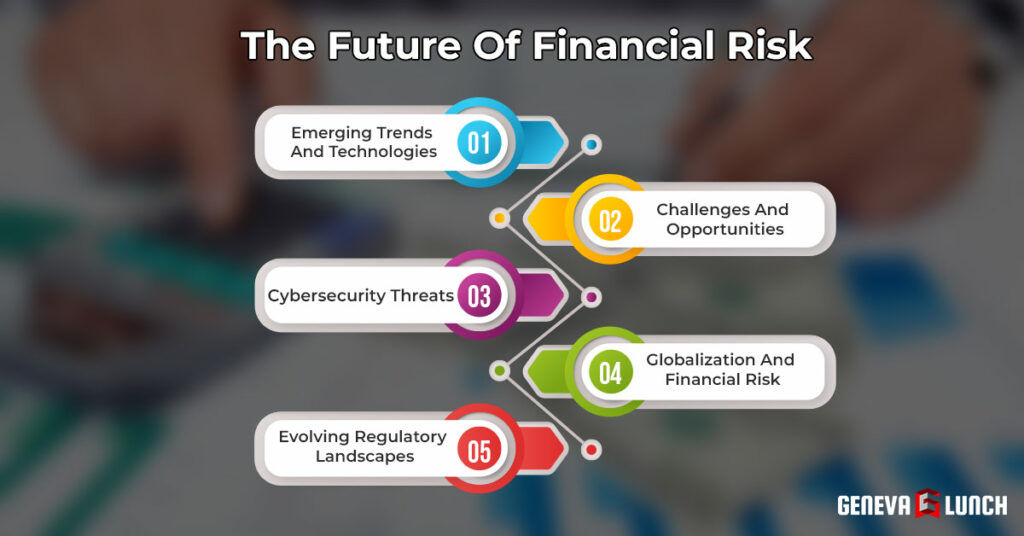
The future of financial risk involves new challenges. Advanced technology can help us better manage risk. As the world changes, how we deal with financial risk also evolves.
Emerging Trends And Technologies
New trends and technologies constantly emerge in the world of finance. These advancements help businesses predict, understand, and manage risks more effectively. Staying ahead of these trends is key to better risk management.
Artificial Intelligence In Risk Management
Artificial intelligence (AI) plays a big role in transforming risk management. AI can analyze large amounts of data quickly. It predicts financial risks before they happen, helping companies act quickly to prevent losses.
Blockchain And Its Impact On Financial Security
Blockchain technology offers a new way to secure financial transactions. It can keep data secure and transparent, reduce the risk of fraud and errors, and make financial systems safer and more trustworthy.
Impact Of Global Economic Shifts
Global economic shifts can create big financial risks for businesses worldwide. Changes in policies, markets, or crises in one part of the world can harm companies everywhere. Understanding these shifts helps companies prepare better for potential risks.
Challenges And Opportunities
The future brings both challenges and opportunities in financial risk management. New technologies like artificial intelligence can help predict and manage risks better.
However, as finance gets more global, businesses face more complex risks. Companies that learn to adapt to these changes can manage risks better. They can also find new chances for growth.
Cybersecurity Threats
Cybersecurity is a major concern in financial risk management. More financial transactions happen online. This raises the risk of data breaches and cyber-attacks.
Businesses must use strong cybersecurity. They do this to protect their data and systems from hackers. This is crucial to keep their operations safe and maintain their customers’ trust.
Globalization And Financial Risk
Globalization means that businesses now operate worldwide. This exposes them to new markets and opportunities but also to new risks. Changes in foreign economies or policies can affect their operations. Businesses must grasp these global risks. They must plan for them to manage their finances well.
Evolving Regulatory Landscapes
The rules and laws that businesses must follow are always changing. The new finance regulations aim to make the financial system safer. But they can also bring new challenges.
Businesses must keep up with these changes to avoid penalties and manage risks effectively. Staying informed and compliant is key to successful financial risk management.
FAQs
What Are The Biggest Financial Risks Facing Individuals Today?
The biggest financial risks individuals facing today include market volatility, inflation, unemployment, and unexpected healthcare costs. Properly managing these risks requires strategic planning, diversified investments, and maintaining an emergency fund to safeguard financial stability.
How To Identify Financial Risks?
To identify financial risks, begin by evaluating market conditions and assessing the volatility of investments. Examine potential liquidity issues, credit risks, and the impact of fluctuating interest rates. Also, consider operational risks linked to your financial activities and strategy.
How Can I Assess My Own Tolerance For Financial Risk?
To assess your tolerance for financial risk, examine your financial stability, objectives, and ease with potential losses. By using risk assessment tools or seeking advice from a financial advisor, you can accurately determine your risk tolerance and create a suitable financial strategy.
What Are Some Strategies For Building An Emergency Fund To Manage Financial Shocks?
To build an emergency fund for managing financial shocks, start by setting a goal of three to six months’ living expenses—Automate savings from each paycheck into a dedicated account. Cut unnecessary expenses and consider additional income sources to boost your savings rate effectively.
How Can Operational Risks Affect A Company’s Financial Stability?
Operational risks, such as system failures, fraud, and compliance breaches, can undermine a company’s financial stability. These risks disrupt operations and erode profits. Managing these risks through robust internal controls and continuous monitoring is crucial to safeguarding financial health.
What Are The Implications Of Currency Risk In International Investing?
Currency risk in international investing impacts returns as exchange rates fluctuate. This risk affects the actual gains or losses when converting foreign earnings to domestic currency. Investors should use hedging strategies and diversify across currencies to manage this volatility effectively.
How Do Geopolitical Events Influence Financial Risk Assessment?
Geopolitical events can drastically influence financial risk assessment. They create uncertainties in global markets, affecting commodity prices, exchange rates, and investment climates. Analysts must monitor these events closely to manage risks and adjust investment strategies accordingly.
What Role Does Liquidity Risk Play In Financial Decision-Making?
Liquidity risk is crucial in financial decision-making as it determines a company’s ability to meet short-term obligations. Effective management of liquidity risk ensures the availability of cash for operational needs and influences credit ratings, impacting borrowing costs and investment opportunities.
Final Words
Managing financial risk is crucial for any business or investor. It starts with identifying risks and assessing their likelihood and potential impact. Tools like risk matrices and checklists help make this process easier.
Understanding and managing risks can protect your finances and make smarter decisions. Consider consulting a financial advisor to guide you through complex decisions and help secure your financial future.