What Is A High Priced Mortgage Loan?

Have you ever heard about high-priced mortgage loans and wondered what is a high priced mortgage loan? These loans are more than just a way to buy a house. They come with higher interest rates and rules than other home loans.
This article dives into the world of high-priced mortgage loans. We’ll explore what makes them different, why they cost more, and what rules they follow.
Whether you’re thinking about buying a home or just curious, understanding these loans is key.
Identifying High-Priced Mortgages
When discussing high-priced mortgage loans, we focus on loans with higher costs than most. These loans are tricky, so knowing how to spot them is important. Here are 3 key things to look out for:
APR Threshold

The APR, or Annual Percentage Rate, is a big clue. It’s like a special number that tells you how much the loan costs each year, including interest and other fees.
High-priced mortgage loans have an APR much higher than the usual rates offered on similar loans. Think of APR as the price tag of your loan.
When this price tag is much higher than what you see on most other loans, you’re likely looking at a high-priced mortgage loan.
Triggering Factors
Certain things can make a mortgage loan high-priced. These are like red flags that tell you to be careful.
One big factor is the loan’s features, like if it has a really high interest rate or if the rate can change significantly over time.
Another factor is the kind of loan it is, whether it’s for buying a house, refinancing, or using your home to get cash.
The loan’s size matters, too. Smaller loans often have higher rates, so they can quickly become high-priced.
Consumer Protections
High-priced mortgage loans come with extra rules to protect you. These rules make sure you know exactly what you’re getting into. Lenders must tell you all about the loan’s costs and risks in a clear way.
They must also check more carefully to ensure you can afford the loan. Plus, there are special rules about the home’s value assessment to ensure it’s fair and accurate.
These protections are there to help you make safe choices and avoid loans that are too risky or expensive.
Characteristics Of High-Priced Mortgage Loans
High-priced mortgage loans stand out because they cost more than regular home loans. They have special features that make them different and more expensive. Let’s dive into these features:
Interest Rates
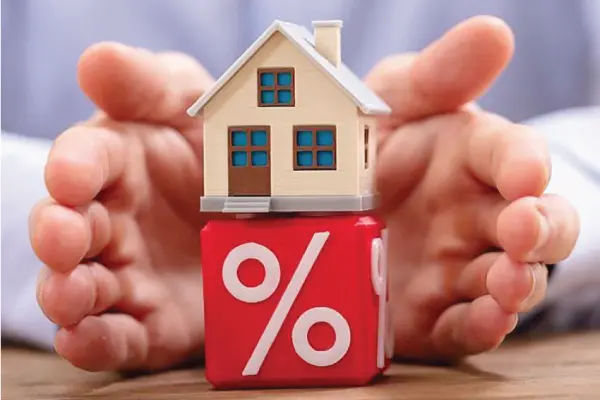
Interest rates are like the cost you pay for borrowing money. In high-priced mortgage loans, these rates are higher.
Think of it this way: when you buy a toy for $10, and your friend buys the same toy for $15, your friend pays a higher price.
In loans, this higher price comes from higher interest rates. So, you end up paying more over time for the borrowed money.
Fees And Charges
Next, we have fees and charges. These are extra costs you pay on top of the loan. Imagine you buy a snack, and they charge you extra for the packet. It’s similar here.
High-priced mortgage loans often have extra costs like processing fees or higher charges for late payments. These add up and make the loan more expensive.
Risk Factors
Lastly, let’s talk about risk factors. This is about how risky the loan is for you. High-priced loans are riskier. Why? Because they cost more, it takes more work to keep up with payments.
There’s a bigger chance of struggling to make those payments if you have to pay more every month. This risk is significant to consider before deciding on a high-priced mortgage loan.
Reasons For High-Priced Mortgages
High-priced mortgage loans often have higher interest rates. Why are they higher? There are several reasons. Let’s discuss 3 main ones: borrower profile, market conditions, and lender practices.
Borrower Profile
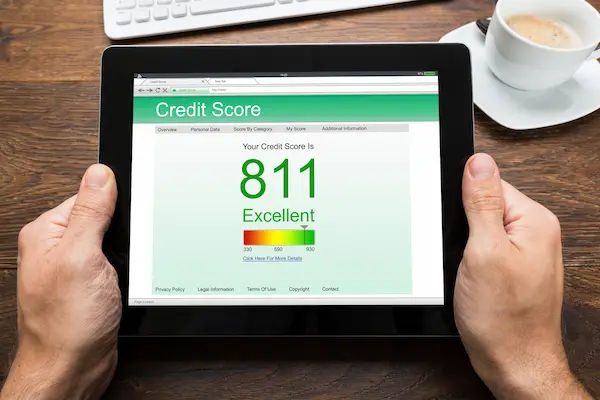
First, let’s look at the borrower profile. This means who is borrowing the money. Some people need a stronger credit history. Credit history is like a report card for how well you’ve handled money.
When someone’s credit history is better, lenders see them as more risky. To balance this risk, lenders often charge higher interest rates. This means the borrower pays more money over time.
Also, lenders can do the same thing if someone doesn’t make a lot of money or has a lot of debt.
Market Conditions
Next, we have market conditions. This is about the economy and what’s happening in the housing market. Sometimes, interest rates go up or down because of these conditions.
When the economy is doing better, getting a loan can cost more if there are fewer houses to buy. Lenders change their rates based on these big-picture situations.
Lender Practices
Lastly, let’s talk about lender practices. This is about how lenders decide their rates. Each lender has rules for setting rates.
They look at many things like government rules, their costs, and how much profit they want. Some lenders can set higher rates to make more money or because they are taking a bigger risk by lending.
Risks And Consequences
You face several risks and consequences when you get a high-priced mortgage loan. This type of loan often has a higher interest rate than other home loans.
Financial Impact On Borrowers
High-priced mortgages can cost a lot more in the long run. Since the interest rate is higher, your monthly payments are higher, too.
This can make it hard to manage your budget and pay for other essential things like food, clothes, and bills.
Over time, you can pay much more than the house is worth. This can make it hard to save money or use it for other essential needs.
Legal Implications
These loans also come with strict rules. Follow these rules to avoid legal problems. For example, the bank can take your home if you can’t pay your mortgage.
This is called foreclosure. Also, some high-priced mortgages have rules that make it hard to pay off the loan early or refinance. This means you have to stick with high payments for a long time.
Alternatives To High-Priced Mortgages

Luckily, there are other options. Before deciding on a high-priced mortgage, looking at different kinds of loans is a good idea. Sometimes, loans with lower interest rates are available.
These are easier to pay back and cost less over time. Also, government programs can help people buy homes. These programs often have better terms and lower interest rates.
Talking to a financial advisor can also help. They can give you advice on the best loan for your situation.
Remember, choosing the right mortgage is important for your financial health. Make sure to explore all your options before making a decision.
FAQs
1. What Is Considered A High-Cost Mortgage?
A high-cost mortgage has a much higher interest rate and fees than most other home loans. It often includes extra costs like high points and fees.
These mortgages usually have strict rules and can cost a lot more over time, making them risky for home buyers.
2. What Does High Priced Mortgage Mean?
A high-priced mortgage is a home loan with a higher interest rate than most. It costs more because you pay more in interest. This type of loan can make monthly payments higher, so it’s important to think carefully before choosing one.
It’s different from average home loans due to its higher cost.
3. What Is The Highest Mortgage Amount?
The highest mortgage amount you can get depends on your income, debts, and the value of the home you want to buy. Usually, banks look at these details to decide the maximum loan they can give you.
There’s no one-size-fits-all answer, as it varies for each person.
Conclusion
A high-priced mortgage loan is a special home loan with a higher interest rate than most other home loans. This means you pay more money over time when you get this loan.
It’s important to know this because it can make it harder to pay for other things you need. It’s good to consider other choices before deciding on this type of loan for your home.