What Is REO Foreclosure?
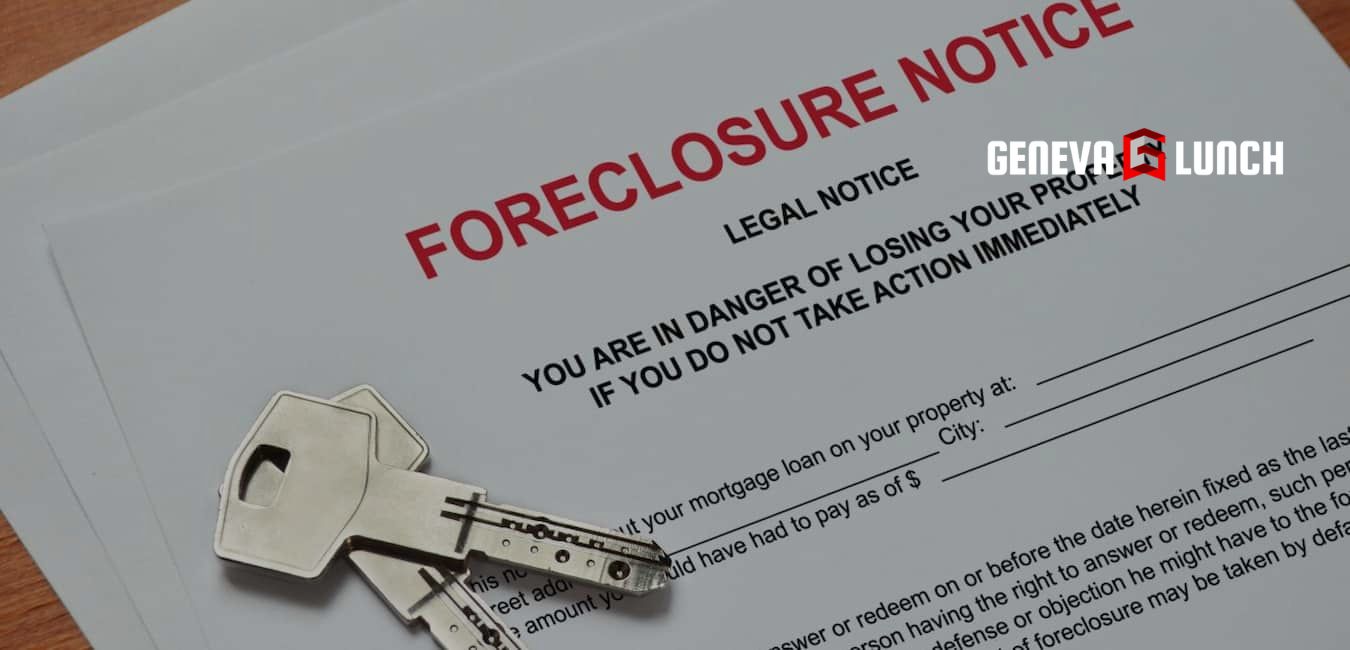
In the realm of real estate, navigating through terms like REO foreclosure can seem daunting. Still, understanding it is crucial for people. These are people who are interested in buying or selling distressed properties. Wondering what is REO foreclosure? Read this article to get all the details.
REO foreclosure stands for Real Estate Owned foreclosure. It occurs when a property fails to sell at auction. Then, it becomes owned by the bank. These properties are typically sold below market value. This is to recover losses incurred by the lender. This can be risky for the borrowers.
Here, we’ll delve into what REO foreclosure means, and how it occurs. We’ll also discuss the process of buying and selling. Then we’ll explain its pros and cons, and its impact on the real estate market. Go through this comprehensive article to learn more about it.
Key Takeaways
- Acquisition by the lender: The lender takes ownership of the foreclosed property after unsuccessful attempts to sell at auction.
- Listing on the market: The lender lists the property for sale through a real estate agency or online platform.
- Negotiation and sale: Potential buyers can make offers on the property, often priced below market value to sell quickly.

What Does REO Foreclosure Mean
REO foreclosure helps lenders recover losses. Buyers can find properties at discounted prices. Here, we’ll discuss its definition and its connection to REO. We’ll also focus on its significance in the property market. Let’s get into the discussion.
Definition of REO
REO is the short form for “Real Estate Owned,”. It happens when a person can’t pay for their home. Then, the bank takes it back. When the house doesn’t sell at auction, the bank owns it. Then, they try to sell it again to get their money back.
It can be risky for the borrowers. This is due to credit implications, loss of equity, and legal consequences.
Foreclosure and REO Connection
Foreclosure happens when people can’t pay their mortgage. So the bank takes their house to get the money back. When the house doesn’t sell at auction, the bank owns it. Then, it becomes an REO property for sale.
Significance in Property Market
REO properties are homes owned by banks. This is after owners couldn’t pay mortgages. They sell cheap. They appeal to investors looking for deals in the market. These homes can need repairs. Still, they offer opportunities for buyers to purchase below market value.
How REO Foreclosure Occurs
You have already got an idea of REO foreclosure by now. In this section, we’ll discuss the basic phases of REO foreclosure. To be more specific, we’ll explain how it occurs in detail. Let’s get into the details.
Property Seizure by Lender
When people don’t pay their mortgage, the bank starts foreclosure. This is to take the home. When the homeowners can’t catch up on payments, the bank seizes (takes) the property back. It means they own it now.
Failed Auctions and Bank Ownership
When a house doesn’t sell at auctions, the bank becomes the owner. This happens when the owners can’t pay their mortgage. The bank then tries to sell the property. This is to recover the loan amount. It means they start the REO process.
Transition to REO Status
When the bank owns a property, it’s called REO. The bank lists it for sale. This is to get back the money they lost. This happens when the owners can’t pay their mortgage.
Buying and Selling REO Foreclosures
Buying and selling REO foreclosures is when a bank takes back a home. This is after the owner couldn’t pay the mortgage. Investors can buy these homes for a good deal. Then they can sell them for a profit. It’s a way to make money in real estate.
Investor Opportunities
Investors can buy REO foreclosures from banks. This is at lower prices than market value. They can make money. This is by fixing up the property and selling it for a profit or renting it out.
It’s a way for investors to make good returns. This is on their investment in real estate.
Auctions and Negotiations
When buying REO properties, investors can bid at auctions. They can also talk to the bank to negotiate a price. It’s important to research the property well. Then you must make sure everything is in order. This is before finalizing the deal to ensure a good outcome.
Challenges and Considerations
Buying REO properties can be challenging. This is due to competition, property conditions, and lots of paperwork. Buyers also need to think about repair costs. They must also think that the process can take a while. Be prepared for these challenges when purchasing REO properties.
Pros of REO Foreclosures
Investors can benefit from REO foreclosures. This is by getting properties at lower prices. They also have the potential for high returns. They also get opportunities to make money in real estate. Let’s discuss it in detail here.
Lower Price
REO properties are homes sold at lower prices than usual. This makes them appealing to buyers looking for cheaper homes or investment chances. People can get a good deal on a property and potentially make money by buying an REO home.
Less Competition
Buying REO properties can be less competitive because some people think it’s risky. This can be an advantage for buyers who are willing to go through the process. With fewer competitors, buyers can have a better chance of getting a good deal.
Financing Options
When buying REO properties, some banks provide special financing. This includes loans with lower down payments or money for renovations. These options can make it easier for buyers to afford an REO property and make necessary improvements.
Cons of REO Foreclosures
Buying REO foreclosures can come with drawbacks. For example, potential repairs needed, longer transaction times, and competition. Carefully consider these factors before purchasing an REO property. This is to make an informed decision and avoid unexpected challenges. Let’s learn more about it.

Property Condition
REO properties can be in bad shape because past owners didn’t take care of them. Buyers need to plan for fixing up the property, which can cost money. It’s important to be prepared for possible repairs and renovations when considering buying an REO property.
Hidden Costs
Buying an REO property can bring surprise expenses. For example, debts, unpaid taxes, or fees related to the property’s community. These hidden costs can add up, so buyers need to be aware of them and factor them into their budget when considering purchasing an REO property.
Slow Response
When buying an REO property, working with banks or lenders can be slow. It causes delays in finalizing the purchase or getting important details. This sluggish response can make the buying process longer. So it’s important to be patient and ready for potential delays.
Impact on Real Estate Market
REO properties can affect the real estate market. This is by offering affordable housing options to buyers. Then, by potentially lowering overall property values in a neighborhood. Investors can help stabilize the market. This is by renovating and selling these properties.
It contributes to local market dynamics. Let’s discuss it in detail.
Supply and Demand Dynamics
When there are REO properties for sale, it impacts how many homes are available. It also impacts how many people want to buy them. This can affect the prices of homes. It also affects the trends in certain areas.
It shows how REO properties can shape the real estate market.
Neighborhood Effects
Having many REO properties in one neighborhood can affect how stable the community feels. It also affects the prices of homes. It affects how safe or desirable the area seems too. It shows how the presence of REO properties can influence different aspects of a neighborhood.
Economic Implications
Selling REO properties can impact more than just the buyers and sellers. It can also affect local governments, banks, and the housing market as a whole. This shows how the sale of REO properties can have far-reaching effects on the economy.
Do you have further queries about what is REO foreclosure? Check out the following questions and answers.

FAQs
1. What Distinguishes REO Foreclosures From Other Types Of Foreclosures?
REO foreclosures are unique. This is because the lender becomes the property owner after the foreclosure auction. This is unlike other foreclosures, where the property is sold at auction. REO properties are owned by the lender. Then, sold through a real estate agent or at a public sale.
2. What Happens To REO Properties After Foreclosure?
After foreclosure, REO (Real Estate Owned) properties are repossessed by the lender. Then, they are sold to recover losses. These properties are often listed for sale at market value or below to attract buyers quickly. REO properties offer opportunities for investment or homeownership.
3. Are There Advantages To Foreclosure REO Properties?
Foreclosure REO properties can offer some advantages. For example, potential discounts, and clear property titles. They also offer the ability to inspect the property before purchasing. Buyers can find affordable homeownership opportunities. They also get investment opportunities in these properties.
Conclusion
Understanding REO foreclosures is essential for anyone navigating the real estate market. This is essential whether as a buyer, seller, or investor. REO properties offer opportunities for discounted purchases. Still, they also come with risks and challenges.
Consider the pros and cons. Also, understand the impact of REO properties on the market. Thus you can make informed decisions. This is when engaging with these types of transactions.