Can Bankruptcy Stop Foreclosure?
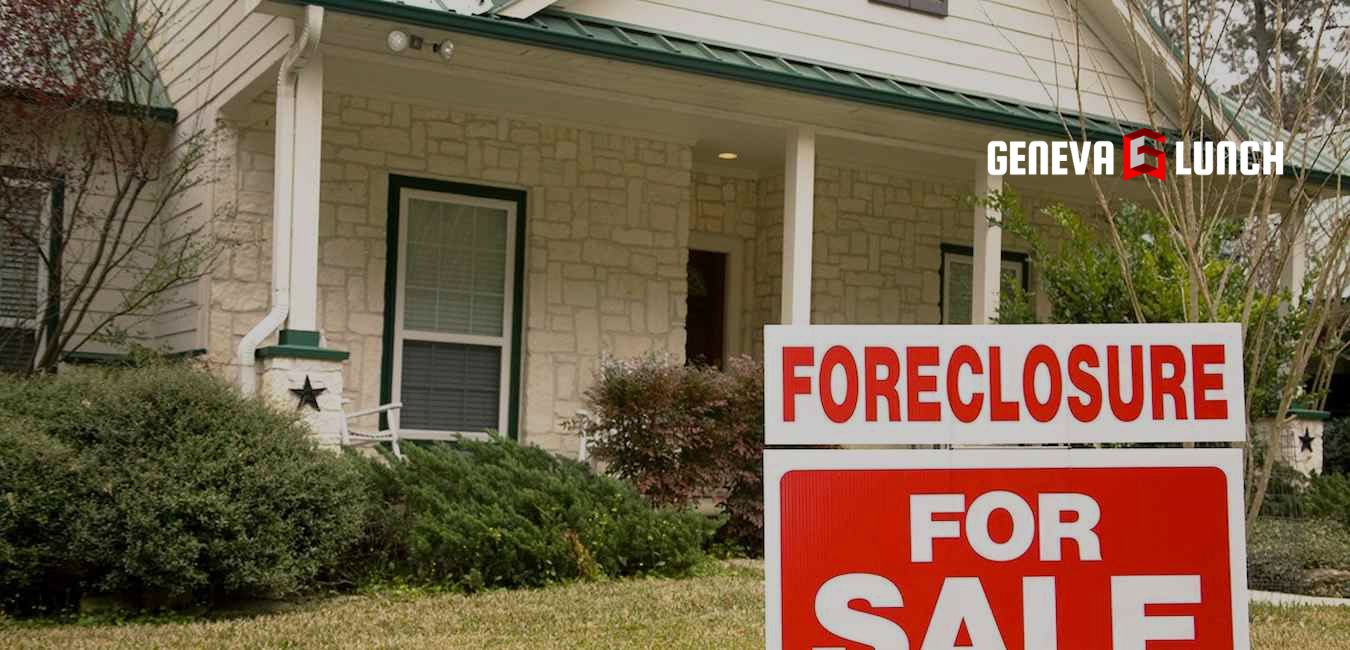
Foreclosure can be a daunting prospect for homeowners facing financial difficulties. But, can bankruptcy stop foreclosure?
Yes. Filing for bankruptcy can stop foreclosure proceedings temporarily. It puts an “automatic stay” on all debt collection activities, including foreclosure. Still, to permanently avoid foreclosure, you’ll need to work with your lender. This is on a repayment plan or mortgage modification.
Here, we will explain how bankruptcy options can help individuals facing foreclosure. We’ll also discuss the impact on the foreclosure process and legal considerations. We’ll also focus on the long-term financial implications. Go through this comprehensive article to learn more about it.
Key Takeaways
- Filing for Bankruptcy: Filing for bankruptcy legally stops the foreclosure process temporarily. It gives the homeowner some breathing room.
- Automatic Stay: After filing for bankruptcy, the court issues an automatic stay. It prevents lenders from continuing the foreclosure.
- Repayment Plan: Creating a repayment plan with the lender is essential for a long-term solution to avoid foreclosure.
Bankruptcy Options To Halt Foreclosure
Bankruptcy can sometimes stop foreclosure. This is by giving you a chance to reorganize your debts. It refers to a legal process where you work with a court to manage your debt. You can also protect your property from being taken away. Let’s learn more about it.
Chapter 7 Bankruptcy
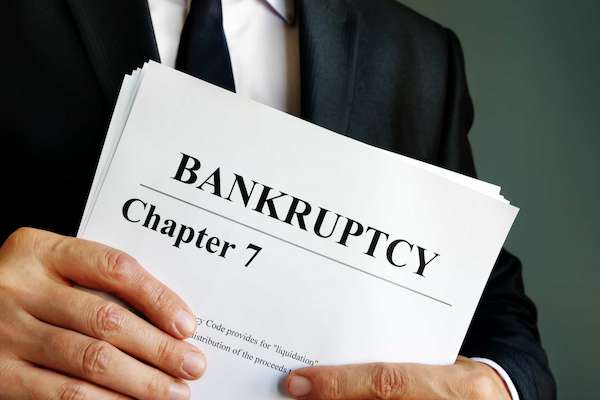
Chapter 7 bankruptcy is also called liquidation bankruptcy. It includes the liquidation of assets to pay off lenders. It won’t directly prevent foreclosure in the long term. Still, it can provide temporary relief. This is by triggering an instinctive stay. It halts foreclosure proceedings temporarily.
Chapter 13 Bankruptcy
Chapter 13 bankruptcy lets individuals reorganize their debts. It also creates a repayment plan over 3 to 5 years. This can enable homeowners to catch up on missed mortgage payments. This can also stop foreclosure, provided they adhere to the repayment plan.
Automatic Stay Protection
Both Chapter 7 and Chapter 13 bankruptcies trigger an instinctive stay. It immediately stops creditors, including mortgage lenders, from pursuing collection actions, including foreclosure. This stay provides breathing room for homeowners. This is to explore their options and potentially save their homes.
Impact Of Bankruptcy On Foreclosure Process
When someone files for bankruptcy, it can temporarily stop the foreclosure process. This gives them time to create a plan to manage their debt. Bankruptcy will help protect their home. Still, it does not make the debt go away entirely.
Suspension Of Foreclosure Proceedings
Bankruptcy stops foreclosure. It allows homeowners time to figure out what to do next. It gives them a chance to pause. They can also think about how they can avoid losing their home.
Negotiation With Creditors

When someone goes through bankruptcy, they can talk to the people they owe money to. For example, the bank. They can be able to change how much they need to pay back. They can also make a plan to pay over time. These can help them keep their home.
Potential Loss Of Property
Bankruptcy can stop foreclosure for a while. Still, not following the rules or paying back money can still result in losing the property eventually. It’s important to stay on track with the bankruptcy plan. This is to avoid losing the home.
Legal Considerations And Requirements
When someone is facing the loss of their home due to foreclosure, they can consider filing for bankruptcy. This legal process can sometimes help them stop foreclosure temporarily. Still, it also comes with certain rules they must follow. This is to avoid losing their property in the long run.
Eligibility For Bankruptcy
Not all individuals qualify for bankruptcy. Again, eligibility criteria can vary. It depends on the type of bankruptcy filed. Consult with a bankruptcy lawyer. It can help determine eligibility and explore available options.
Meeting Legal Obligations
When someone files for bankruptcy, they have to follow certain rules. For example, showing what they own, finishing courses about money, and doing what the bankruptcy court says. It’s important to meet these legal obligations. This is when going through bankruptcy.
Consultation With Legal Professionals

Given the complexities of bankruptcy law and its implications, seek guidance from experienced bankruptcy attorneys. This is crucial to navigating the process effectively. Thus you can also protect your rights.
Long-term Financial Implications
In this section, we’ll discuss the long-term financial implications of bankruptcy. It involves credit score impact and rebuilding financial stability. It also includes post-bankruptcy planning. Let’s get into its details before ending our discussion.
Credit Score Impact
When someone goes through bankruptcy, it can make it hard for them to borrow money later. This is because their credit score goes down. Still, when they are careful with money and manage it well, they can slowly build their credit score over time.
Rebuilding Financial Stability

When someone goes through bankruptcy, they can begin again. They can make their money stable. This is by making a spending plan. They can save for emergencies. They can also be careful with how they use their money. These steps help them build a stronger financial foundation.
Post-Bankruptcy Planning
After bankruptcy, it’s important to make plans for the future. For example, setting achievable money goals, checking credit reports for mistakes, and making smart money choices. All these are to avoid having money problems again. These steps help in planning for life after bankruptcy.
FAQs
1. Can Filing For Chapter 7 Bankruptcy Stop Foreclosure?
Yes. Filing for Chapter 7 bankruptcy can temporarily stop foreclosure proceedings on your home. It puts an “automatic stay” in place. It pauses the foreclosure process. Still, it cannot be a permanent solution. Since the lender can request to lift the stay. Take the necessary steps and make plans.
2. Does Filing For Chapter 13 Stop Foreclosure?
Yes. Filing for Chapter 13 bankruptcy can halt foreclosure proceedings on your home. It lets you set up a repayment plan. This is to catch up on missed mortgage payments. It gives you a chance. This is to keep your home and address financial challenges. Do everything to keep your home.
3. How Bankruptcy’s Automatic Stay Stops Foreclosure?
When you file for bankruptcy, an “automatic stay” is triggered. It halts foreclosure actions on your property. This legal protection provides temporary relief. It pauses the foreclosure process. It also allows you time. This is to address your financial situation through the bankruptcy proceedings.
Conclusion
In conclusion, bankruptcy can provide temporary relief from foreclosure. It also offers a fresh start for individuals overwhelmed by debt. Still, it is essential to approach the process with careful consideration.
Seek professional guidance. Understand the available bankruptcy options and their implications. Also, understand the long-term financial consequences. These are crucial in making informed decisions. Thus you can also achieve lasting financial stability.