How To Delay Eviction After Foreclosure?
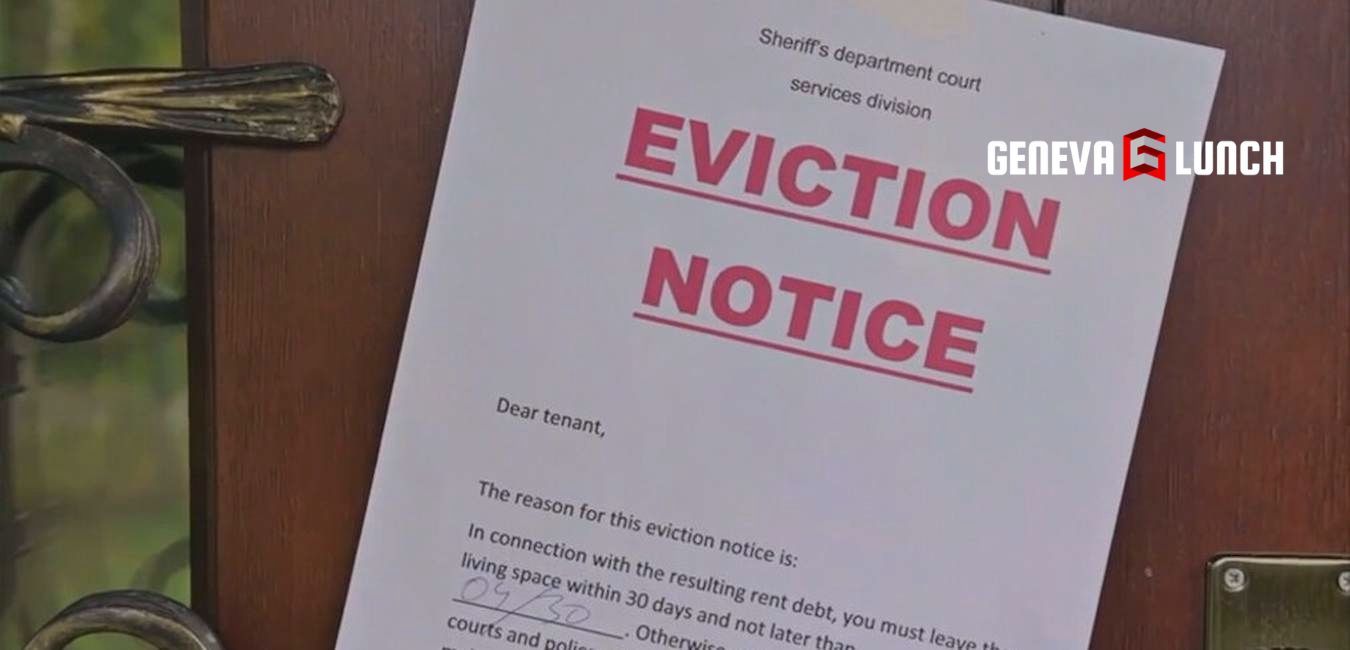
When facing eviction after foreclosure, it’s crucial to understand your rights. It’s also vital to know the available options to delay the process. So, how to delay eviction after foreclosure?
When you’re facing eviction after foreclosure, you can delay the process. This is by filing for bankruptcy. You can negotiate with the new owner. You can also seek rental assistance. You can hire a lawyer too. Act quickly and explore all your available options. This is to stay in your home.
We’ll explain all the available options in detail here. Go through this comprehensive article to learn more about it.
Key Takeaways
- Negotiate with the landlord: Reach out to discuss a payment plan or agreement. This is to delay eviction after foreclosure.
- Seek legal assistance: Consult an expert lawyer. This is to explore options for delaying the eviction process after foreclosure.
- Stay updated on laws: Keep informed about local eviction moratoriums and regulations. This is to buy more time after foreclosure.
Understanding Your Rights
When your home is being foreclosed, you have rights that can help you delay eviction. Understanding these rights is important. This is to protect yourself and your family. Keep reading to learn how you can stay in your home during this difficult time.
Legal Notices
After foreclosure, you’ll get notices. These are about the change in ownership and eviction. It’s crucial to read and understand these notices. They explain your rights. They will also tell you how much time you have to take action.
Tenant Protections

Tenants have rights during foreclosure. They can get more time before eviction. They can also stay until their lease ends. Understanding these protective rights can help tenants. This is to navigate the eviction process and know their rights.
Lease Agreements
Check your lease carefully. Check carefully how long your foreclosure will remain. When it goes past the foreclosure, you can stay until it ends. Sometimes there is deficiency judgement for a certain time, which means you can pay the remaining debt within debt.
This is no matter who owns the property. Reviewing your lease is important. This is to know your rights and understand how long you can stay in your home.
Communicating With The New Owner
After foreclosure, talking to the new owner is vital. This is to prevent eviction. Clear communication can help you stay in your home longer. Let’s learn how to reach out. Also, learn how to discuss your situation with the new owner effectively.
Initiate Dialogue
Talk to the new owner or their representative early on. Sharing your situation can help find solutions that delay eviction. Starting a conversation can lead to agreements that benefit both parties.
Negotiate Terms
Discuss options with the new owner. For example, extending the move-out date or renegotiating lease terms. Present yourself as a responsible tenant willing to cooperate. It can encourage the owner to offer more favorable terms.
Cash For Keys

Some owners can offer “cash for keys” agreements. There they provide financial incentives. These are for tenants to vacate the property voluntarily and without resistance. Consider this option carefully. Weigh the offered amount against the cost and stress of fighting eviction.
Legal Options And Representation
Understand your legal options and get representation. It can help delay eviction after foreclosure. This involves seeking help from a lawyer or legal aid to protect your rights. Keep reading to learn how legal support can be crucial in this situation.
Hire An Attorney
When facing eviction, consider hiring an attorney. They must specialize in foreclosure and eviction proceedings. Legal representation can ensure your rights are protected. They can also help you file bankruptcy which can stop the foreclosure temporarily. It can provide avenues for delaying the eviction process through legal actions.
Request A Stay

In certain circumstances, you can request a stay of eviction from the court. For example, pending legal challenges to the foreclosure. This temporary halt in proceedings can buy you additional time. This is to explore other options or negotiate with the new owner.
Appeal Process
When you believe the eviction is unjust or improperly executed, you’ll have grounds to appeal the decision. This process can be complex. This can also be time-consuming. Still, it can result in a temporary halt. This is to the eviction while the appeal is pending.
State And Federal Relief Programs
State and Federal Relief Programs help families delay eviction after foreclosure. This is by providing financial help and resources. These programs aim to support individuals. Those individuals are facing housing crises. These programs offer solutions to prevent homelessness during difficult times.
Government Assistance
Many states offer assistance programs. This is to help individuals facing eviction due to foreclosure. These programs can provide financial aid, legal counsel, or mediation services. This is to help delay eviction and find alternative housing solutions.
Non-Profit Aid

Non-profit organizations specializing in housing assistance can also offer support. This is for individuals facing foreclosure-related eviction. These organizations often provide resources, advocacy, and sometimes financial assistance. This is to delay eviction and facilitate housing transitions.
Emergency Housing
In certain cases eviction is imminent and alternative housing arrangements are not in place. There, emergency housing options can be available through local government agencies or charitable organizations.
These temporary accommodations can provide a safety net. This is while you work on securing more permanent housing.
Preparing For The Next Steps
In this section, we’ll discuss the preparation for the next steps in detail. It includes financial planning and housing search. Let’s get into the details before ending our discussion.
Financial Planning
During an eviction, it’s important to plan your finances. This means setting aside money for moving costs. This also means saving for a new home deposit, and figuring out how you’ll make money in the future. Budgeting and financial planning can make the process of finding a new place to live easier.
Housing Search

Begin your housing search early. Explore available options within your budget and preferred location. Consider reaching out to local housing agencies or non-profit organizations. This is for help in finding suitable housing options.
FAQs
1. Can I Legally Delay Eviction After Foreclosure?
Yes. When you’re facing eviction after foreclosure, you have legal options to delay the process. Consider requesting a stay from the court to delay eviction. Also, negotiate a move-out date with the new owner. You can also seek assistance from local resources. Explore all the options available.
2. Can I Negotiate To Stay In The Home After Foreclosure?
Yes. It is possible to negotiate to stay in the home after foreclosure. You can try to work out a deal with the new owner or lender. You can also apply for a loan modification. You can seek help from housing counseling agencies too. Explore all the available options to stay in the home.
3. How Long Can I Stay In The Home After The Foreclosure Sale?
After a foreclosure sale, the time you can stay in the home varies. This is by state laws and your specific situation. Generally, you can have a few weeks to a few months before eviction. To delay eviction, explore legal options. You can also seek help from housing counselors. Explore all options.
Conclusion
Delaying eviction after foreclosure requires a proactive approach. Understand your rights. Effectively communicate, and explore all available resources. Use legal options, and seek help from state and federal relief programs. Also, prepare for the next steps.
Thus you can buy valuable time to secure alternative housing. You can also navigate this challenging situation with greater stability.