Chartered Financial Consultant (ChFC): Career Paths & Certification

Financial planning plays a vital role in managing and growing personal and business wealth. Professionals in this field ensure that clients’ financial plans are effective and compliant with regulations. Among these professionals, Chartered Financial Consultants (ChFCs) stand out due to their specialized skills and knowledge. So, what is a Chartered Financial Consultant (ChFC)?
A Chartered Financial Consultant (ChFC) is a professional financial advisor. To earn the ChFC designation, one must complete specific courses, pass exams, and have at least three years of financial industry experience. ChFC professionals follow ethical standards to provide trustworthy advice.
In this guide, we’ll explore the essentials about becoming a Chartered Financial Consultant (ChFC). We’ll cover the benefits of hiring a ChFC, the certification process, and the roles and responsibilities of ChFCs.
Key Takeaways
- Role of a ChFC: A Chartered Financial Consultant (ChFC) helps with financial planning, including investments and retirement.
- Certification Requirements: To become a ChFC, complete specific courses, pass exams, and gain three years of experience.
- Specialized Expertise: ChFCs specialize in tax strategies, risk management, and estate planning for comprehensive financial advice.
- Ethical Commitment: ChFCs follow strict ethical standards, ensuring they act in the best interest of their clients.
- Client Benefits: ChFCs provide personalized financial advice to help clients achieve their financial goals.
What Is A Chartered Financial Consultant (ChFC)?
A Chartered Financial Consultant (ChFC) is a professional financial advisor. They help people manage money. To become a ChFC, one must complete courses and pass exams. Topics include investments and insurance. ChFCs need three years of financial industry experience. They must follow ethical standards.
Importance Of ChFC In The Financial Industry
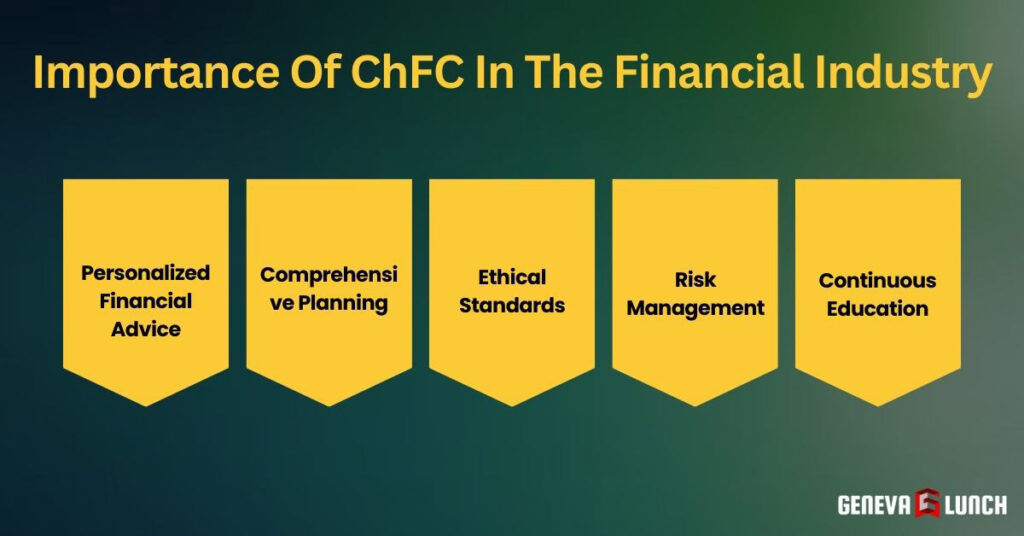
Chartered Financial Consultants (ChFCs) play a vital role in the financial industry. They help individuals and businesses manage their finances effectively. Their expertise covers various areas of financial planning, making them valuable advisors. The importance of ChFCs in the financial industry includes:
- Personalized Financial Advice: ChFCs offer tailored advice based on each client’s unique financial situation.
- Comprehensive Planning: They provide guidance on retirement planning, tax strategies, investments, and estate planning.
- Ethical Standards: ChFCs follow strict ethical guidelines to ensure they act in the best interest of their clients.
- Risk Management: They help clients identify and manage financial risks, protecting their assets.
- Continuous Education: ChFCs stay updated with the latest financial regulations and trends, ensuring their advice is current and accurate.
How A Chartered Financial Consultant (ChFC) Works
A Chartered Financial Consultant (ChFC) helps people with money. They create financial plans for clients. These plans can include saving for college, buying a house, or planning for retirement. For example, a ChFC might help a family save $10,000 per year for their child’s college fund.
ChFCs look at the client’s income, expenses, and goals to suggest the best ways to save and invest money. They also help clients choose the right insurance to protect against risks. They give advice based on each client’s specific needs and goals.
Regular reviews and updates of the financial plans are done to keep clients on track. This ongoing support ensures that clients can meet their financial goals effectively.
Requirements For Becoming A ChFC
A Chartered Financial Consultant (ChFC) needs to meet specific requirements. These include education, exams, and continuing education. Each step ensures that the ChFC is well-prepared to help clients manage their finances.
Education Requirements
Education is crucial for becoming a ChFC. It involves obtaining relevant degrees and completing specific coursework. Proper education ensures that ChFCs are well-equipped to handle a variety of financial situations.
Relevant Degrees
A ChFC often has a degree in finance or a related field. A bachelor’s degree is usually required. This degree provides a strong foundation in financial concepts. For example, a degree in finance covers topics like investments, accounting, and economics.
Having a relevant degree ensures the ChFC has the necessary knowledge to advise clients. Some ChFCs may also have advanced degrees, such as a Master’s in Business Administration (MBA). These advanced degrees can provide even more in-depth knowledge.
Specific Coursework
ChFC candidates need to complete specific courses. These courses cover various financial topics. Subjects include retirement planning, insurance, and estate planning. For instance, a course in retirement planning teaches how to help clients save for retirement.
Each course ensures the ChFC has a broad understanding of financial planning. Other important courses might include investment planning and tax planning. Completing these courses is essential to becoming a knowledgeable ChFC.
Exam Requirements
Exams are a vital part of becoming a ChFC. They test the knowledge gained through education and coursework. Passing these exams is necessary to prove competency. The exams ensure that each ChFC has the skills required to provide expert financial advice.
Overview Of Exams
To become a ChFC, candidates must pass a series of exams. These exams cover topics like financial planning, risk management, and insurance. For example, an exam might test knowledge on how to create a comprehensive financial plan. The exams ensure that the candidate has a deep understanding of financial concepts.
Each exam focuses on a different area of financial planning. Passing these exams shows that the candidate is ready to work as a ChFC.
Study Resources
Candidates use various study resources to prepare for exams. These include textbooks, online courses, and practice tests. For example, a candidate might use a textbook on retirement planning to study for an exam. Online courses can provide interactive learning experiences.
Practice tests help candidates get used to the exam format. Study groups can also be helpful. Using a combination of these resources can improve a candidate’s chances of passing the exams.
Pass Rates
Pass rates for ChFC exams vary. On average, about 70% of candidates pass their exams. This shows that the exams are challenging. However, with proper preparation, most candidates can succeed. High pass rates indicate that the candidates have a strong understanding of the material.
They also show that the study resources are effective. Candidates who do not pass on the first try can retake the exams. Consistent study and dedication are key to passing the ChFC exams.
Continuing Education
Continuing education is essential for ChFCs. It ensures they stay updated on financial topics and maintain their certification. Ongoing education helps ChFCs adapt to changes in the financial industry. It also ensures that their knowledge remains current and relevant.
CE Credit Requirements
ChFCs need to earn continuing education (CE) credits to maintain their certification. Typically, they need 30 CE credits every two years. These credits come from approved educational activities. For example, attending a financial planning seminar might earn CE credits.
CE requirements ensure that ChFCs stay current with new financial regulations and practices. Regularly earning CE credits helps ChFCs provide up-to-date advice to their clients. This ongoing education is a vital part of maintaining their professional status.
Approved CE Activities
Various activities can count towards CE credits. These include attending seminars, taking courses, and participating in workshops. For instance, a ChFC might earn credits by attending a workshop on new tax laws. Online courses and webinars are also popular options.
Reading financial journals and writing articles can also count. Approved CE activities ensure ChFCs stay knowledgeable and up-to-date in their field. This continued learning helps them provide the best advice to their clients.
Preparing For The ChFC Designation

Preparing for the ChFC designation requires careful planning. Candidates must choose the right education provider, use effective study tips, and utilize study groups and forums. These steps help ensure success in earning the ChFC designation.
Choosing The Right Education Provider
Choosing the right education provider is crucial. Look for providers with good reputations. They should offer comprehensive courses. For example, a provider might offer courses in retirement planning and insurance. Compare different providers.
Check reviews and success rates. A good provider helps you understand complex topics. They provide support and resources. Make sure the provider is accredited. This ensures the courses meet high standards.
Study Tips And Strategies
Effective study tips and strategies can improve your chances of success. Create a study schedule. Allocate specific times for each subject. For example, study retirement planning on Mondays and investment planning on Tuesdays.
Use a mix of study materials. Read textbooks, watch online videos, and take practice tests. Break down complex topics into smaller parts. Focus on understanding key concepts. Take regular breaks to avoid burnout. Reviewing material regularly helps reinforce learning.
Utilizing Study Groups And Forums
Study groups and forums can be very helpful. Join a study group with other ChFC candidates. Share notes and discuss topics. This can improve understanding. For example, you may explain tax planning to a group member, helping both of you learn.
Online forums are also useful. Ask questions and get answers from experienced professionals. Participate in discussions. Study groups and forums provide support and motivation. They help you stay on track and focused.
ChFC Certification Process
The ChFC certification process involves several steps. These steps include meeting eligibility requirements, completing a curriculum, passing exams, and following an application process. Each step ensures that candidates are well-prepared to become certified ChFCs.
Eligibility Requirements
Candidates must meet specific eligibility requirements to pursue the ChFC designation. These requirements include both educational qualifications and work experience. Meeting these requirements ensures that candidates have a strong foundation in financial principles.
Educational Requirements
To become a ChFC, candidates need a bachelor’s degree. This degree should be in finance or a related field. A finance degree covers essential topics like investments, accounting, and economics. Some candidates may have advanced degrees, such as a Master’s in Business Administration (MBA).
These advanced degrees provide deeper knowledge and understanding of financial planning and management. Proper education ensures that ChFCs have the necessary knowledge to offer sound financial advice.
Work Experience Requirements
Candidates need to have at least three years of full-time work experience in the financial industry. This experience can be in areas like financial planning, insurance, or investments. For example, working as a financial advisor counts as relevant experience. This work experience ensures candidates have practical knowledge.
Practical experience helps candidates apply what they learn to real-world situations. It also demonstrates their ability to handle financial planning responsibilities effectively.
ChFC Curriculum
The ChFC curriculum includes core courses, elective courses, and continuing education. These courses cover various financial topics. The curriculum is designed to provide a comprehensive understanding of financial planning.
Core Courses
Core courses are required for all ChFC candidates. These courses cover essential topics like retirement planning, insurance, and estate planning. For example, a core course in retirement planning teaches how to help clients save for retirement.
Another core course may cover the basics of insurance planning. Completing these core courses ensures a strong understanding of financial planning basics. These courses provide the foundation for more specialized knowledge.
Elective Courses
Elective courses allow candidates to specialize in specific areas of financial planning. These might include advanced investment planning or tax planning. For example, a candidate might choose an elective course in advanced estate planning.
Elective courses help candidates gain deeper knowledge in areas of interest. Specialization can benefit their future clients by providing more tailored advice. These courses allow ChFCs to develop expertise in specific financial areas.
Continuing Education
Continuing education is a part of the ChFC curriculum. ChFCs must earn continuing education (CE) credits to maintain their certification. Typically, they need 30 CE credits every two years. These credits come from approved educational activities like seminars or online courses.
Continuing education ensures that ChFCs stay current with new financial regulations and practices. Regularly earning CE credits helps ChFCs provide up-to-date advice to their clients. This ongoing education is essential for maintaining their professional status.
Exam Structure
The exam structure for ChFC certification involves multiple exams. These exams test the knowledge gained through the coursework. Passing the exams is a critical step in the certification process. The exams ensure that candidates have a comprehensive understanding of financial concepts.
Number Of Exams
ChFC candidates need to pass eight exams. Each exam covers different topics from the courses. For example, one exam might focus on insurance planning, while another covers investment strategies.
Passing all eight exams is required to earn the ChFC designation. These exams test the candidate’s understanding of various financial topics. Each exam ensures that the candidate is well-prepared to provide financial advice.
Exam Format
The exams are of multiple-choice format. Each exam includes around 100 questions. These questions test understanding of financial concepts and planning strategies. For example, a question might ask about the best investment options for a client.
The multiple-choice format helps evaluate the candidate’s knowledge effectively. It also makes the exams easier to grade consistently.
Passing Criteria
To pass each exam, candidates must score at least 70%. This means they need to answer at least 70 out of 100 questions correctly. Passing the exams shows that the candidate has a strong understanding of the material.
High pass rates indicate that the candidates are well-prepared. Candidates who do not pass can retake the exams. Consistent study and dedication are key to passing the ChFC exams.
Application Process
The application process for the ChFC certification involves several steps. These include enrollment, paying fees, and meeting deadlines. The process is designed to ensure that all candidates are properly registered and prepared.
Enrollment Steps
Candidates must enroll in the ChFC program through a recognized institution. This involves filling out an application form and providing educational and work experience details. After enrolling, candidates can start their coursework.
Enrollment ensures that the candidate is officially part of the ChFC program. It also provides access to study materials and resources.
Fees And Costs
There are fees associated with the ChFC certification. The total cost includes enrollment fees, course fees, and exam fees. For example, the total cost might be around $5,000. These fees cover the materials, instruction, and exams.
Candidates should budget for these expenses when planning to pursue the ChFC designation. Knowing the costs upfront helps candidates prepare financially.
Timeline And Deadlines
The ChFC certification process has specific timelines and deadlines. Candidates typically complete the program within 18 to 24 months. Each course and exam must be completed by set deadlines. For example, a candidate might have six months to complete a core course.
Meeting these deadlines is crucial to staying on track for certification. Timely completion of courses and exams ensures a smooth certification process.
Curriculum And Coursework
The ChFC curriculum includes core courses, elective courses, and a capstone course. Each part of the curriculum is designed to provide comprehensive knowledge in financial planning. Completing the coursework ensures that ChFC candidates are well-prepared to assist clients with various financial needs.
Core Courses
Core courses are mandatory for all ChFC candidates. These courses cover essential topics in financial planning. Each core course builds foundational knowledge that is crucial for a successful financial consulting career.
Financial Planning Process
The Financial Planning Process course teaches how to create financial plans. It covers steps like gathering client information and setting goals. For example, a plan might include saving $5,000 per year for retirement. The course ensures candidates understand how to build a comprehensive plan.
This process helps clients achieve their financial objectives. Understanding the financial planning process is crucial for effective advice.
Risk Management And Insurance
Risk Management and Insurance covers how to protect clients from financial loss. The course includes topics like life insurance, health insurance, and liability insurance. For example, it explains how much life insurance a family needs.
Learning about different types of insurance helps ChFCs advise clients on the best coverage. Proper risk management ensures clients are protected against unforeseen events.
Investment Planning
Investment Planning teaches how to manage and grow clients’ investments. The course covers stocks, bonds, and mutual funds. For example, it might explain how to create a diversified portfolio.
Understanding investment strategies helps ChFCs guide clients in making smart investment decisions. Effective investment planning can help clients achieve long-term financial goals.
Income Tax Planning
Income Tax Planning focuses on minimizing tax liabilities. The course covers tax laws and strategies to reduce taxes. For example, it explains how to use tax credits and deductions.
Understanding tax planning helps ChFCs advise clients on how to save money on taxes. Proper tax planning can significantly impact a client’s financial health.
Retirement Planning
Retirement Planning teaches how to help clients prepare for retirement. The course covers topics like retirement accounts and Social Security. For example, it explains how much money a client needs to save for retirement.
Learning about retirement planning ensures ChFCs can help clients achieve a comfortable retirement. Proper retirement planning is crucial for financial security in later years.
Estate Planning
Estate Planning covers how to manage and distribute a client’s assets after death. The course includes wills, trusts, and estate taxes. For example, it explains how to set up a trust to avoid probate.
Understanding estate planning helps ChFCs advise clients on preserving their wealth for future generations. Proper estate planning ensures clients’ wishes are followed and assets are protected.
Elective Courses
Elective courses allow ChFC candidates to specialize in specific areas of financial planning. These courses provide deeper knowledge in selected topics. Electives enable candidates to tailor their education to their career interests.
Behavioral Finance
Behavioral Finance explores how psychology affects financial decisions. The course covers topics like biases and irrational behavior. For example, it explains why people might avoid investing in stocks due to fear.
Understanding behavioral finance helps ChFCs advise clients more effectively. Recognizing these behaviors can improve financial decision-making.
Small Business Planning
Small Business Planning focuses on financial strategies for small businesses. The course includes topics like business valuation and succession planning. For example, it explains how to plan for a business owner’s retirement.
Learning about small business planning helps ChFCs advise business clients. Proper planning ensures the success and longevity of small businesses.
Advanced Estate Planning
Advanced Estate Planning covers complex estate planning strategies. The course includes topics like charitable giving and advanced trusts. For example, it explains how to use a charitable remainder trust to benefit a charity and reduce taxes.
Understanding advanced estate planning helps ChFCs advise clients with significant assets. Proper planning can maximize the benefits of an estate plan.
International Financial Planning
International Financial Planning focuses on financial strategies for clients with international interests. The course covers topics like currency exchange and international tax laws. For example, it explains how to manage investments in multiple countries.
Understanding international financial planning helps ChFCs advise clients with global financial needs. Proper planning ensures clients can manage their finances across borders.
Capstone Course
The Capstone Course is the final course in the ChFC curriculum. It integrates knowledge from all previous courses. The course includes a comprehensive financial planning project. For example, candidates create a complete financial plan for a hypothetical client.
The capstone course ensures candidates can apply their knowledge in a real-world scenario. Completing the capstone course is essential for demonstrating readiness to become a ChFC.
Roles And Responsibilities Of A ChFC
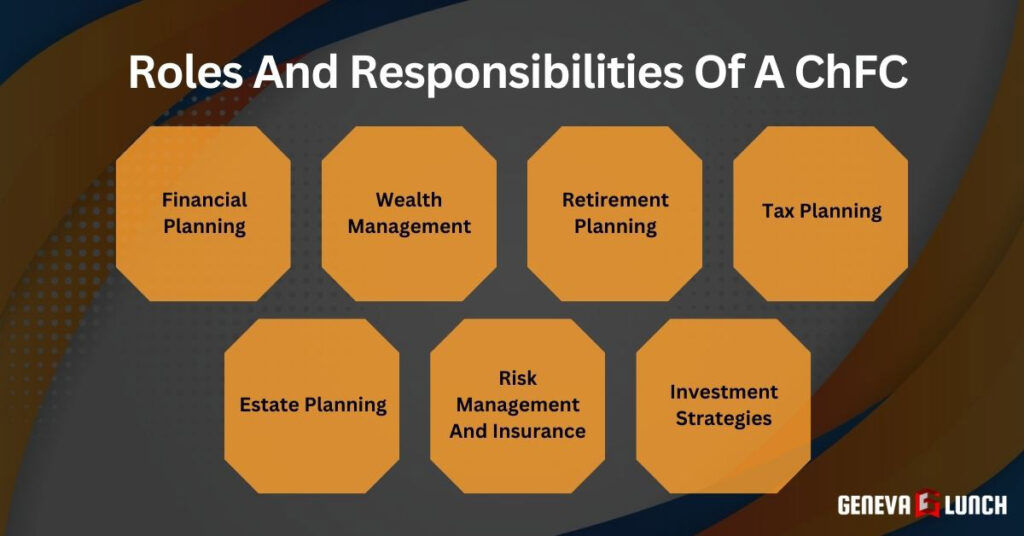
A Chartered Financial Consultant (ChFC) has many roles and responsibilities. They help clients with various aspects of financial planning. ChFCs offer advice in areas like wealth management, retirement planning, tax planning, estate planning, risk management, and investment strategies. Each responsibility requires specific skills and knowledge.
Financial Planning
Financial planning is a key responsibility of a ChFC. They create detailed plans to help clients manage their money. For example, a ChFC might help a client save $5,000 per year for a child’s education. They assess the client’s income, expenses, and financial goals.
Based on this information, they suggest the best ways to save and invest. Effective financial planning helps clients achieve their long-term goals.
Wealth Management
Wealth management involves managing and growing clients’ assets. ChFCs help clients make smart investment choices. For example, they might recommend a mix of stocks, bonds, and mutual funds. They also monitor and adjust investments as needed.
The goal is to maximize returns while minimizing risks. Wealth management ensures clients’ assets grow steadily over time.
Retirement Planning
Retirement planning is crucial for financial security. ChFCs help clients save for retirement. They calculate how much money a client will need in retirement. For example, they might suggest saving $500 per month in a retirement account.
They also advise on the best retirement savings options, such as 401(k)s and IRAs. Proper retirement planning ensures clients can enjoy a comfortable retirement.
Tax Planning
Tax planning helps clients minimize their tax liabilities. ChFCs understand tax laws and strategies to reduce taxes. For example, they might advise a client to invest in tax-advantaged accounts. They also help clients take advantage of tax deductions and credits.
Effective tax planning can save clients a significant amount of money. It ensures clients comply with tax regulations while minimizing their tax burden.
Estate Planning
Estate planning involves managing a client’s assets after their death. ChFCs help clients create wills and trusts. For example, they might set up a trust to avoid probate. They also advise on strategies to reduce estate taxes.
Proper estate planning ensures clients’ wishes are followed. It also helps preserve wealth for future generations.
Risk Management And Insurance
Risk management and insurance protect clients from financial loss. ChFCs advise clients on the best insurance options. For example, they might recommend life insurance or health insurance. They also help clients assess their risk levels.
Proper risk management ensures clients are protected against unexpected events. It provides financial security and peace of mind.
Investment Strategies
Investment strategies are a key part of a ChFC’s role. They help clients choose the right investments. For example, they might create a diversified portfolio of stocks and bonds. They also monitor investments and adjust them as needed.
The goal is to achieve the best possible returns. Effective investment strategies help clients grow their wealth over time.
Career Paths For ChFC Professionals
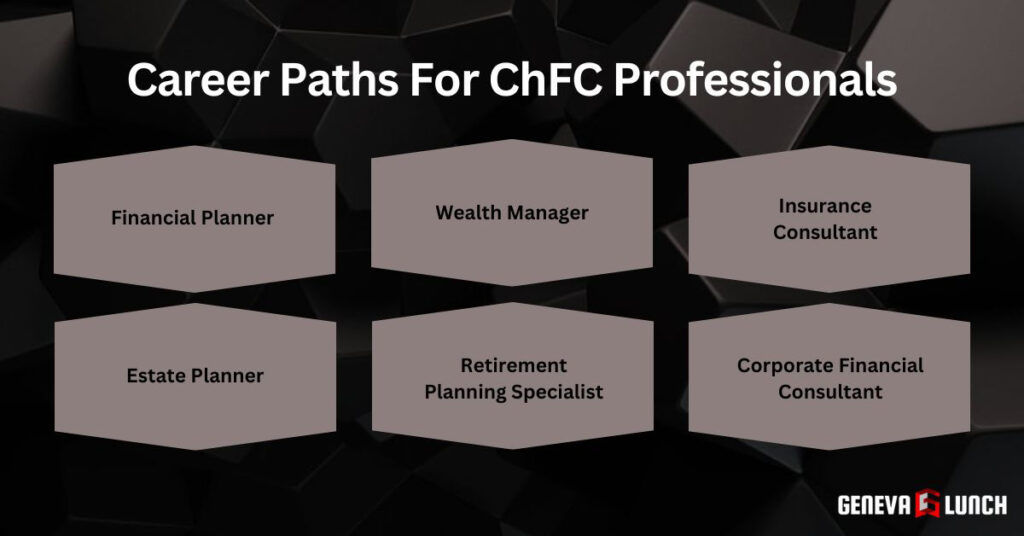
A Chartered Financial Consultant (ChFC) has many career options. They can work in various roles in the financial industry. Each role allows them to use their skills to help clients manage their money. ChFCs can choose a career path that matches their interests and expertise. Here are some common career paths for ChFC professionals.
Financial Planner
A financial planner helps clients create and follow financial plans. They assess a client’s income, expenses, and goals. For example, they might help a client save for a house. They suggest ways to save and invest money.
Financial planners ensure clients can achieve their financial goals. They provide ongoing advice and support. This role requires strong analytical and communication skills.
Wealth Manager
A wealth manager focuses on growing clients’ assets. They create and manage investment portfolios. For example, they might invest in stocks, bonds, and mutual funds. Wealth managers aim to maximize returns while managing risks.
They also provide advice on estate planning and tax strategies. Wealth management is ideal for ChFCs interested in investment and asset growth.
Insurance Consultant
An insurance consultant helps clients choose the right insurance. They assess a client’s risk and recommend insurance products. For example, they might suggest life insurance or health insurance. Insurance consultants ensure clients are protected against financial loss.
They explain different insurance options and help clients make informed decisions. This role requires knowledge of various insurance products and strong communication skills.
Estate Planner
An estate planner helps clients manage their assets for after their death. They create wills and trusts. For example, they might set up a trust to avoid probate. Estate planners also advise on reducing estate taxes.
They ensure clients’ wishes are followed and assets are preserved for heirs. Estate planning is ideal for ChFCs interested in law and asset management.
Retirement Planning Specialist
A retirement planning specialist helps clients save for retirement. They calculate how much money clients need for retirement. For example, they might suggest saving in a 401(k) or IRA. Retirement specialists create plans to help clients achieve their retirement goals.
They provide ongoing advice on saving and investment strategies. This role is crucial for ensuring clients can enjoy a secure retirement.
Corporate Financial Consultant
A corporate financial consultant advises businesses on financial matters. They help companies manage their finances and plan for growth. For example, they might create a financial plan for expanding operations. Corporate consultants also advise on risk management and investments.
They ensure businesses make sound financial decisions. This role requires strong analytical skills and business knowledge. It is ideal for ChFCs interested in working with companies.
ChFC In Different Financial Sectors
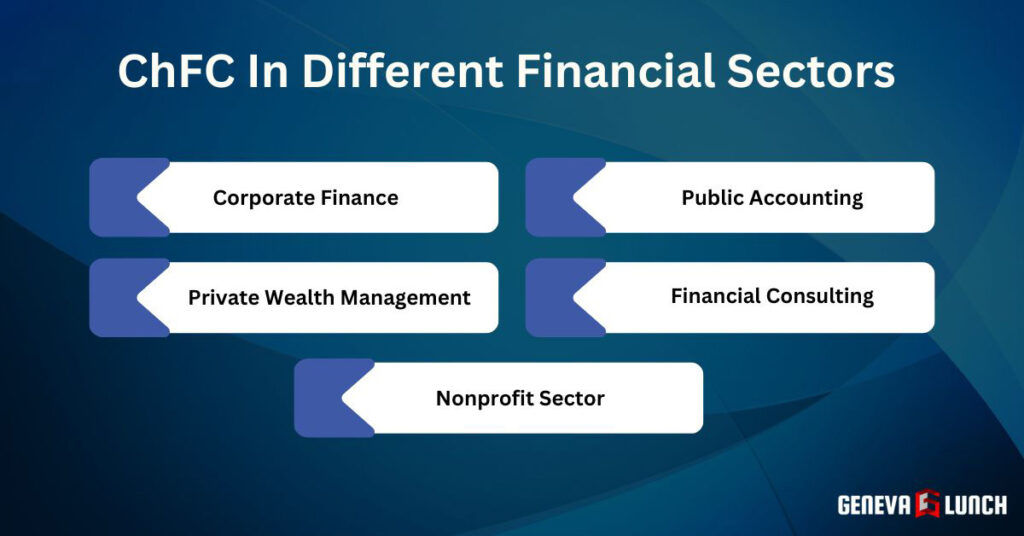
A Chartered Financial Consultant (ChFC) can work in many financial sectors. Each sector offers unique opportunities and challenges. ChFCs use their skills to help different types of clients. They can work with individuals, businesses, and organizations. Here are some of the financial sectors where ChFCs can make a difference.
Corporate Finance
In corporate finance, ChFCs help businesses manage their money. They create financial plans and strategies. For example, they might plan for a company’s expansion. They also help manage investments and reduce costs.
Corporate finance involves analyzing financial data and making recommendations. ChFCs in this sector help businesses grow and succeed. They provide valuable advice on budgeting and financial management.
Public Accounting
ChFCs can work in public accounting. They help individuals and businesses with their finances. For example, they might prepare tax returns or audit financial statements. Public accountants ensure financial records are accurate.
They also advise on tax planning and compliance. ChFCs in public accounting need strong analytical skills. They help clients meet legal requirements and manage their finances effectively.
Private Wealth Management
Private wealth management focuses on high-net-worth clients. ChFCs in this sector manage large amounts of money. They create investment strategies and financial plans. For example, they might invest in stocks, bonds, and real estate. Wealth managers aim to grow and protect their clients’ wealth.
They also advise on estate planning and tax strategies. This sector requires strong investment knowledge and client management skills.
Financial Consulting
Financial consulting involves advising clients on financial matters. ChFCs help clients make informed financial decisions. For example, they might advise on retirement planning or investment strategies. Financial consultants work with individuals, businesses, and organizations.
They provide expert advice based on their clients’ needs. This sector requires a broad knowledge of financial planning and strong communication skills.
Nonprofit Sector
ChFCs can also work in the nonprofit sector. They help organizations manage their finances. For example, they might create budgets or plan fundraising strategies. ChFCs ensure nonprofits use their funds effectively. They also advise on investment and risk management.
Working in the nonprofit sector requires understanding of nonprofit financial practices. ChFCs help these organizations achieve their goals and make a positive impact.
Benefits Of ChFC Designation
Earning the ChFC designation offers many benefits. It enhances knowledge and skills, increases credibility, and opens up career opportunities. ChFCs can build strong professional networks and increase their earning potential. Here are some of the key benefits of earning the ChFC designation.
Enhanced Knowledge And Skills
The ChFC designation enhances knowledge and skills in financial planning. ChFCs learn about investments, insurance, and tax planning. For example, they understand how to create detailed financial plans. This knowledge helps them provide better advice to clients.
ChFCs also develop strong analytical and problem-solving skills. These skills are crucial for making sound financial decisions. Enhanced knowledge and skills make ChFCs valuable to clients.
Increased Credibility And Trust
Having the ChFC designation increases credibility and trust. Clients see ChFCs as experts in financial planning. This trust is important for building strong client relationships. For example, clients are more likely to follow advice from a certified professional.
Increased credibility helps ChFCs attract new clients. It also helps them retain existing clients. Trust and credibility are key to a successful financial planning career.
Career Advancement Opportunities
The ChFC designation opens up career advancement opportunities. It qualifies professionals for higher-level positions. For example, a ChFC might become a senior financial advisor or a wealth manager. This designation is respected in the financial industry.
It shows a commitment to professional growth. Career advancement leads to greater job satisfaction and new challenges. ChFCs can achieve their career goals with this designation.
Networking Opportunities
Earning the ChFC designation provides networking opportunities. ChFCs can connect with other financial professionals. For example, they might join professional associations or attend industry events. Networking helps ChFCs share knowledge and resources.
It also opens up job opportunities. Building a strong professional network is important for career growth. Networking helps ChFCs stay informed about industry trends.
Higher Earning Potential
The ChFC designation can lead to higher earning potential. ChFCs are often paid more for their expertise. For example, they might earn higher salaries or receive bonuses. Increased earning potential reflects the value of the ChFC designation.
It rewards the time and effort invested in earning the certification. Higher earnings contribute to job satisfaction and financial stability.
Challenges And Considerations
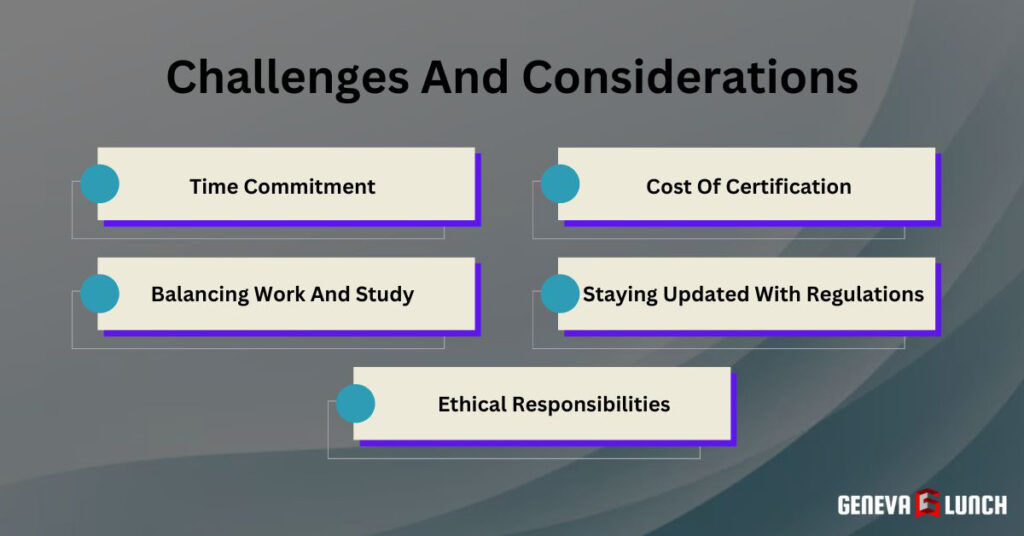
Earning the ChFC designation comes with challenges and considerations. It requires a significant time commitment and financial investment. Balancing work and study can be difficult. Here are some key challenges and considerations for ChFC candidates.
Time Commitment
Earning the ChFC designation requires a lot of time. Candidates must complete many courses and pass exams. For example, it might take 18 to 24 months to finish the program. This time commitment can be challenging, especially for working professionals.
Candidates need to dedicate regular study time to succeed. Time management skills are crucial. Balancing study with work and personal life requires careful planning.
Cost Of Certification
The cost of certification can be high. Candidates must pay for courses, study materials, and exams. For example, the total cost might be around $5,000. This financial investment can be a barrier for some candidates.
It is important to budget for these expenses. Some employers may offer financial assistance. Understanding the costs helps candidates plan and save for certification.
Balancing Work And Study
Balancing work and study is a common challenge. Many ChFC candidates work full-time jobs. Finding time to study can be difficult. Candidates must manage their time effectively.
For example, they may study in the evenings or on weekends. Setting a study schedule can help. Support from family and employers can also make a difference. Balancing work and study requires discipline and organization.
Staying Updated With Regulations
Staying updated with regulations is important for ChFCs. Financial laws and regulations change frequently. ChFCs must stay informed about these changes. For example, tax laws might change every year. Continuing education helps ChFCs stay updated.
Regularly reading financial news and attending seminars is also helpful. Staying updated ensures ChFCs provide accurate advice to clients.
Ethical Responsibilities
Ethical responsibilities are crucial for ChFCs. They must follow high ethical standards. This includes acting in the best interests of clients. For example, they should recommend financial products that benefit the client, not themselves. ChFCs must be honest and transparent.
They should avoid conflicts of interest. Maintaining ethical standards builds trust with clients. It is essential for a successful career in financial planning.
Resources For ChFC Candidates
ChFC candidates have many resources to help them succeed. These resources include prep courses, books, online communities, review websites, and financial aid. Using these resources can make the certification process easier. They provide valuable information and support. Here are some useful resources for ChFC candidates.
ChFC Prep Courses
ChFC prep courses are very helpful. They provide structured learning and study materials. For example, institutions like The American College offer ChFC prep courses. These courses cover all required topics, such as retirement planning and risk management.
Prep courses often include practice exams. They help candidates understand what to expect on the actual exams. Enrolling in a prep course can improve your chances of success.
Recommended Books And Publications
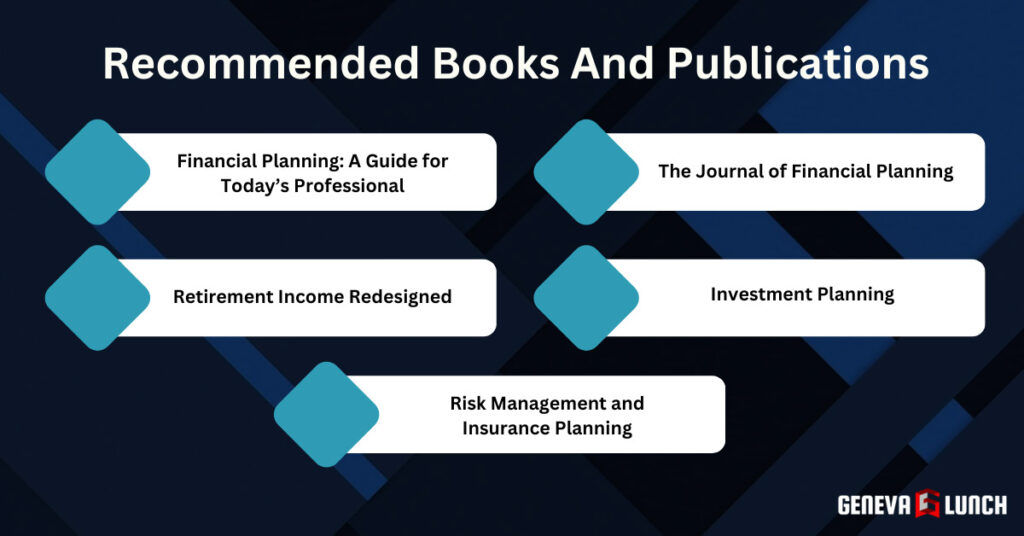
Books and publications are essential for ChFC candidates. They provide in-depth knowledge on financial topics. Reading these materials helps candidates stay informed and gain valuable insights.
- “Financial Planning: A Guide for Today’s Professional”: This book covers comprehensive financial planning strategies. It is a must-read for ChFC candidates.
- “The Journal of Financial Planning”: This publication offers current information on financial trends and best practices. It is useful for staying updated with industry changes.
- Retirement Income Redesigned”: This book provides strategies for retirement planning. It helps ChFC candidates understand how to help clients plan for a secure retirement.
- “Investment Planning”: This publication focuses on investment strategies. It is crucial for learning how to manage and grow clients’ investments effectively.
- “Risk Management and Insurance Planning”: This book covers the essentials of risk management and insurance. It helps candidates advise clients on protecting their assets.
Online Communities And Forums
Online communities and forums offer support and advice. ChFC candidates can join groups to ask questions and share experiences. For example, forums on websites like Reddit have active financial planning communities. Members discuss study tips, exam experiences, and career advice.
Joining an online community provides a sense of belonging. It also offers a platform to seek help when needed. Being part of a supportive group can be very motivating.
ChFC Review Websites And Blogs
Review websites and blogs provide helpful information. They offer reviews of prep courses, books, and study materials. For example, websites like Investopedia have articles on ChFC certification. Blogs by financial experts share tips and personal experiences.
Reading reviews and blogs helps candidates choose the best resources. They also offer practical advice for studying and preparing for exams. Keeping up with these resources can enhance your study plan.
Scholarships And Financial Aid
Scholarships and financial aid can help with certification costs. Some organizations offer scholarships for ChFC candidates. For example, The American College provides scholarships based on need and merit. Financial aid can cover course fees, books, and exam costs.
Applying for scholarships reduces the financial burden. It makes the certification process more accessible. Candidates should research available scholarships and apply early. Financial support can make a significant difference in achieving certification.
Future Of The ChFC Designation
The future of the ChFC designation looks promising. Changes in technology, regulations, and client needs will shape its future. These changes create new opportunities and challenges for ChFC professionals. Staying updated with these trends is important. Here are some key areas to watch for the future of the ChFC designation.
Emerging Trends
Emerging trends in finance are impacting the ChFC designation. Technology and regulations are two major areas of change. These trends affect how ChFCs work and the services they offer. Staying informed about these trends is crucial for success.
Technology In Finance
Technology is changing the finance industry. ChFCs use new tools and software to help clients. For example, robo-advisors provide automated investment advice. These tools make financial planning more efficient.
Understanding and using technology is important for ChFCs. It helps them stay competitive and provide better services to clients.
Changing Regulations
Regulations in finance are always changing. ChFCs must stay updated with new laws and rules. For example, changes in tax laws can affect financial plans. Understanding these regulations is crucial.
It ensures ChFCs provide accurate and legal advice. Staying informed about regulatory changes helps ChFCs protect their clients and their own practice.
Industry Demand
The demand for ChFC professionals is growing. More people need financial advice. This demand creates new job opportunities. Understanding the industry demand helps ChFCs plan their careers. ChFCs can find opportunities in various sectors of the financial industry.
Growing Need For Advisors
The need for financial advisors is increasing. More people are seeking help with retirement planning, investments, and taxes. For example, many baby boomers need advice on retirement.
This growing need means more job opportunities for ChFCs. Helping more clients can lead to a successful career.
Market Opportunities
Market opportunities for ChFCs are expanding. New markets are emerging in different areas. For example, younger generations need financial advice. They seek help with saving, investing, and managing debt.
ChFCs can tap into these new markets. Expanding services to different groups can grow their client base.
Evolution Of Financial Services
Financial services are evolving. ChFCs must adapt to these changes. New services and changing client expectations are key factors. Keeping up with the evolution of financial services is important for staying relevant.
New Services Offered
New financial services are being offered. ChFCs can now provide services like financial coaching and wellness programs. For example, helping clients with budgeting and saving habits.
Offering these new services can attract more clients. It also helps meet the changing needs of existing clients. Staying innovative is important for success.
Client Expectations
Client expectations are changing. Clients want personalized and convenient services. They expect ChFCs to use technology and provide quick responses. For example, clients may prefer virtual meetings over in-person ones.
Meeting these expectations is crucial for client satisfaction. Adapting to client needs helps build strong relationships. It also leads to long-term success in the financial planning industry.
FAQs
1. How Long Does It Take To Earn The ChFC Designation?
It usually takes about 18 to 24 months to earn the ChFC designation. This time includes completing all required courses and passing the exams. Some people might finish faster, while others might take longer. The time needed usually depends on how much time you can dedicate to studying.
2. Can I Pursue A ChFC Designation While Working Full-time?
Yes, you can pursue a ChFC designation while working full-time. Many candidates work full-time and study in the evenings or on weekends. It requires good time management and dedication. Creating a study schedule can help balance work and study. Some employers might also offer flexible hours.
3. What Are The Benefits Of Hiring A ChFC?
Hiring a ChFC provides many benefits. ChFCs have specialized knowledge in financial planning. They can help with retirement planning, investments, and tax strategies. ChFCs follow ethical standards, ensuring they act in your best interest. They offer personalized advice based on your financial goals.
4. How Do ChFC Professionals Stay Updated With Industry Changes?
ChFC professionals stay updated with industry changes through continuing education. They earn continuing education (CE) credits regularly. This includes attending seminars, taking courses, and reading financial publications. ChFC professionals also stay informed about new laws and regulations.
5. How Does A ChFC Designation Impact Earning Potential?
A ChFC designation can significantly impact earning potential. ChFCs are often paid more due to their specialized knowledge and skills. They can attract more clients and charge higher fees for their services. This leads to higher salaries and bonuses and also opens up many opportunities.
6. How Does A ChFC Designation Enhance A Financial Advisor’s Credibility?
A ChFC designation enhances a financial advisor’s credibility by showing their expertise and commitment. Clients see ChFC professionals as knowledgeable and trustworthy experts. The rigorous education and ethical standards required for the designation build confidence in clients.
Final Words
A Chartered Financial Consultant (ChFC) offers valuable financial planning services. They help with investments, retirement, taxes, and more. Earning the ChFC designation requires completing courses, passing exams, and gaining experience. ChFCs follow ethical standards to provide trusted advice. Among the types of financial advisors, ChFCs stand out for their specialized knowledge and skills. Hiring a ChFC can help you achieve your financial goals with personalized, expert guidance.