Estate Planners: Roles, Services, Process & Life Stages

Planning for the future is important to ensure your assets are managed and your loved ones are cared for. This process can be complex and overwhelming, involving various legal and financial decisions. This is where an estate planner can be helpful. But what is an estate planner?
An estate planner is a professional who helps you manage your money and property. They create wills and trusts, and plan for taxes. Estate planners ensure your assets go to the right people and help protect them from creditors. They also help with planning for medical care and other important decisions.
In this guide, we’ll explore what an estate planner is and their role. We’ll discuss their qualifications, the services they offer, the benefits of hiring one, and common myths and challenges in estate planning.
Key Takeaways
Estate Planner Services: Estate planners create wills, set up trusts, and manage asset distribution.
Tax And Asset Protection: They help minimize taxes and protect your assets from creditors.
Ensuring Wishes Are Met: Estate planners ensure your healthcare and financial wishes are followed.
Legal Compliance: They ensure all legal documents are correctly prepared and executed.
Family Harmony: Estate planners help prevent family disputes by clearly outlining your wishes.
What Is An Estate Planner?
An estate planner is a professional who helps people plan for the future. They make sure that a person’s money and property go to the right people after they die. Estate planners know about laws about the money and property. They are types of financial advisors who specialize in managing estates.
What Do Estate Planners Do?

Estate planners help people make plans for their money and property. They create wills, trusts, and other legal documents. Estate planners make sure these documents follow the law.
Here are some key tasks they perform:
- Create Wills: A will states who gets what after someone dies.
- Set Up Trusts: Trusts give money to someone in a safe way.
- Plan for Medical Care: They write down what people want if they get very sick.
- Tax Planning: They help people save money on taxes.
- Work with Other Professionals: They collaborate with lawyers, accountants, and financial advisors.
Role Of Estate Planners
Estate planners help people plan for their future. They make sure a person’s money and property go to the right people when they die. Estate planners also help reduce taxes. Their main job is to make sure everything is done correctly and according to the law.
Qualifications And Certifications
To be an estate planner, a person needs special qualifications and certifications. These prove they have the right skills and knowledge. They must study and pass exams. These certifications show they are experts in their field.
CFP (Certified Financial Planner)
A Certified Financial Planner (CFP) is an expert in financial planning. They know how to help people manage money and plan for the future.
To become a CFP, they need to take special courses and pass a tough exam. They also need to have experience in financial planning. CFPs must follow strict rules to keep their certification.
ChFC (Chartered Financial Consultant)
A Chartered Financial Consultant (ChFC) is also a financial planning expert. They study many areas of finance, like investments, taxes, and insurance. To get this certification, they need to complete several courses and pass exams.
ChFCs have a deep understanding of financial planning and can help people with complex financial needs.
CPA (Certified Public Accountant)
A Certified Public Accountant (CPA) is an expert in taxes and accounting. They help people with tax planning and financial records. To become a CPA, they need to pass a difficult exam and meet experience requirements.
CPAs are very good at helping people save money on taxes. They also make sure financial records are correct and follow the law.
JD (Juris Doctor)
A Juris Doctor (JD) is a law degree. Estate planners with a JD know a lot about laws that affect money and property. They can help create legal documents like wills and trusts.
To get a JD, a person must go to law school and pass the bar exam. Lawyers with a JD can give legal advice and make sure all documents follow the law.
Responsibilities And Duties
Estate planners have many important responsibilities. They help people create wills and trusts. These documents say who gets what after someone dies. Estate planners make sure these documents are legal. They also help people plan for taxes. This can save money for their families.
Estate planners plan for healthcare needs. They write down what people want if they get very sick. They also work with other professionals, like lawyers and accountants. Estate planners make sure everything is done correctly and according to the law.
Services Provided By Estate Planners
Estate planners offer many important services. They help people plan what will happen to their money and property. Estate planners create legal documents like wills and trusts. Their services make sure everything is handled correctly and follows the law.
Creating Wills And Trusts
Estate planners help people create wills and trusts. These documents say who gets what when someone dies. They make sure these documents meet all legal requirements. This service ensures that your assets go to the right people.
Simple And Complex Wills
A simple will states basic wishes, like who gets the house. For example, a person might leave their house to their children. A complex will might include more details, like how to divide money among many people or specific items to different individuals.
Estate planners help write these documents to make sure they are clear and legal. They ensure all wishes are followed properly.
Revocable And Irrevocable Trusts
A revocable trust can be changed after it is created. For example, a person might add or remove beneficiaries. An irrevocable trust cannot be changed once it is set up. Estate planners help decide which trust is best for a person’s needs.
They make sure the trust follows all laws and helps the person’s wishes come true. Trusts can protect assets and ensure they are given to the right people.
Tax Planning And Management

Estate planners help people with tax planning. They use strategies to save money on taxes. They understand tax laws and find ways to reduce tax payments. Good tax planning can save your family a lot of money.
Estate Tax Strategies
Estate tax is the money paid to the government after someone dies. Estate planners use strategies to lower this tax. For example, they might suggest giving gifts to family members while still alive to reduce the estate’s value. When a person gives $15,000 a year to each of their children, this can lower the estate’s total value and reduce taxes.
Gift Tax Planning
Giving gifts can also be taxed. Estate planners help people give gifts in a way that reduces taxes. They know the rules about how much can be given each year without paying extra taxes. For example, in 2023, a person can give $17,000 per year per recipient without incurring gift tax.
Inheritance Tax Considerations
Inheritance tax is paid by the person receiving money or property. Estate planners help plan for this tax. They suggest ways to lower the amount that has to be paid. For example, they might recommend setting up trusts or giving gifts before death to reduce the taxable estate.
Asset Protection
Estate planners help protect assets from being taken by creditors. They also help plan for the future of a business. Protecting assets ensures that your wealth goes to your intended beneficiaries.
Protecting Assets From Creditors
Creditors may try to take money or property to pay off debts. Estate planners use legal ways to protect these assets. For example, they might set up a trust that creditors cannot touch. This helps ensure that a person’s property and money are safe from being claimed to pay debts.
Business Succession Planning
Business succession planning is important for people who own businesses. Estate planners help plan who will take over the business. They make sure the plan is clear and legal. For example, they may write a plan that states the business will go to the owner’s children or a trusted employee. This helps keep the business running smoothly and ensures it stays in the family or with trusted individuals.
Charitable Planning
Estate planners help people donate to charities. They use trusts and funds to make sure the donations are used properly. Charitable planning can help fulfill personal values and provide tax benefits.
Charitable Trusts
A charitable trust is a way to give money to a charity. Estate planners help set up these trusts. They make sure the money is used for the right purposes. For example, a person might create a trust that gives money to a hospital every year.
Donor-Advised Funds
A donor-advised fund is another way to donate to charities. People put money in the fund and choose which charities get the money later. Estate planners help manage these funds. They make sure the money is given to the right charities and used for the right purposes.
Retirement Planning
Estate planners help people plan for retirement. They make sure people have enough money to live on when they stop working. Retirement planning is crucial for financial security in later years.
Retirement Accounts
Retirement accounts, like 401(k)s and IRAs, are important for saving money. Estate planners help manage these accounts. They make sure the money is invested wisely. For example, they might suggest putting money into different types of investments to reduce risk.
Distribution Strategies
Distribution strategies are plans for taking money out of retirement accounts. Estate planners help people choose the best time and way to take out money. This helps make the money last longer and reduces taxes. For example, they might suggest taking out money slowly over many years to lower tax bills.
What Are The Most Important Estate Planning Components?

Estate planning has many important parts. Each part helps protect your money and property. These parts also make sure your wishes are followed. Estate planners help create these important documents. Here are the most important components of estate planning.
Wills
A will is a legal document. It says who gets your money and property when you die. A will can also name a guardian for your children. Without a will, the state decides who gets your things. Estate planners help write wills to make sure they are clear. For example, you might leave $10,000 to your niece. A will make sure she gets this money.
Trusts
A trust is another way to give money and property to others. There are different types of trusts. A revocable trust can be changed. An irrevocable trust cannot be changed. Trusts can protect your assets and save on taxes. Estate planners help set up trusts. For example, a trust might give $5,000 every year to a grandchild for school. This helps make sure the money is used the way you want.
Power Of Attorney
A power of attorney is a legal document. It gives someone else the power to make decisions for you. This can be for financial or medical decisions. When you are very sick or hurt, this person can help. Estate planners help choose the right person and set up this document. For example, you might choose your spouse to handle your money if you cannot.
Beneficiary Designations
Beneficiary designations say who gets your money from things like life insurance or retirement accounts. These designations are very important. They need to be kept up to date. Estate planners help make sure the right people are named. For example, you might name your child as the beneficiary of your $50,000 life insurance policy. This makes sure they get the money quickly.
Guardianship Designations
A guardianship designation names someone to take care of your children if you die. This is very important if you have young children. Without this, the state decides who cares for them. Estate planners help choose the right guardian. They make sure this is included in your will. For example, you might name your sister as the guardian for your two young children. This ensures they are cared for by someone you trust.
The Estate Planning Process

The estate planning process involves several steps. Each step is important to make sure your money and property are protected. Estate planners guide you through this process. They help create a plan that meets your needs and wishes. Here are the key steps in the estate planning process.
Initial Consultation
The first step is the initial consultation. You meet with the estate planner to talk about your needs and goals. This meeting helps the planner understand your situation. They explain how they can help you.
You can ask questions and learn about the process. For example, you might ask how to protect your house for your children. The planner will provide answers and guidance. The initial consultation sets the foundation for your entire estate plan.
Gathering Information
After the initial consultation, the next step is gathering information. The estate planner needs detailed information to create your plan. This step ensures that all aspects of your financial situation are considered.
Financial Documents
You need to provide financial documents. These include bank statements, retirement accounts, and insurance policies. These documents show your assets and debts. For example, you might have a $100,000 retirement account and a $50,000 life insurance policy. The planner uses this information to understand your financial situation. Providing accurate financial documents helps the planner make better recommendations.
Asset Inventory
An asset inventory lists everything you own. This includes your home, cars, jewelry, and other valuable items. For example, you might list your $200,000 home and your $20,000 car. The estate planner needs this inventory to know what assets to protect and distribute in your plan. A complete asset inventory helps ensure nothing is overlooked.
Developing The Plan
With all the information gathered, the estate planner develops your plan. This step involves setting goals and drafting legal documents. Developing the plan tailors the estate planning to your specific needs.
Setting Goals
Setting goals is an important part of the process. You decide what you want to achieve with your estate plan. For example, you might want to leave $10,000 to each of your grandchildren for college. The planner helps you set clear and achievable goals. Defining your goals helps create a focused and effective estate plan.
Drafting Legal Documents
The estate planner drafts the necessary legal documents. These documents include wills, trusts, and powers of attorney. The documents must be clear and follow the law. For example, the planner might draft a will that leaves your house to your spouse and your car to your child. These documents make sure your wishes are followed. Well-drafted documents are essential for a successful estate plan.
Implementation
The next step is implementation. This means putting your plan into action by executing documents and funding trusts. Implementation ensures that your estate plan is active and effective.
Executing Documents
Executing documents means signing them in front of witnesses. This makes them legal. For example, you sign your will and have it witnessed by two people. The estate planner makes sure this step is done correctly. Properly executed documents are legally binding and enforceable.
Funding Trusts
Funding trusts means transferring assets into the trust. This step is important for the trust to work. For example, you transfer your house into a trust to protect it. The estate planner helps you with this process to make sure everything is done right. Funding trusts correctly ensure your assets are managed as intended.
Ongoing Review And Updates
The final step is ongoing review and updates. Your estate plan needs to be reviewed regularly and adjusted for life changes. Regular reviews help keep your plan current and effective.
Regular Reviews
Regular reviews make sure your plan stays up to date. You meet with the estate planner to review your plan. This might happen every year or every few years. For example, you review your will to make sure it still reflects your wishes. The planner helps you make any needed changes. Regular reviews ensure your plan continues to meet your needs.
Adjusting For Life Changes
Life changes can affect your estate plan. These changes include getting married, having children, or buying a new home. The estate planner helps you adjust your plan for these changes. For example, you update your will to include a new child. This makes sure your plan always matches your current situation. Adjusting your plan for life changes keeps it relevant and accurate.
What Are The Benefits Of Hiring An Estate Planner?

Hiring an estate planner has many benefits. They help you create a solid plan for your money and property. Estate planners have the knowledge and skills to make sure your plan is effective. Working with an estate planner can give you peace of mind.
Expertise And Knowledge
Estate planners have a lot of expertise and knowledge. They understand complex laws and rules about estates. They use their knowledge to create the best plan for you. This professional guidance is invaluable in navigating the intricacies of estate planning.
Legal Complexities
Estate laws can be very complex. Estate planners know these laws well. They help you navigate legal complexities. For example, they know how to create a trust that follows all legal requirements.
This expertise helps avoid legal problems in the future. Estate planners make sure all documents are correct and legal. They understand how to handle complicated situations.
Tax Implications
Estate planners understand tax laws. They help you plan in a way that minimizes taxes. For example, they might suggest giving gifts to reduce the size of your estate. This can lower the estate tax your family will have to pay. Estate planners use their knowledge to make your plan tax-efficient. They find ways to save you money on taxes. This helps you keep more of your wealth in the family.
Customized Estate Plans
Estate planners create customized plans. They tailor the plan to fit your specific needs and goals. Customized plans consider your unique family situation, assets, and wishes. Estate planners ensure your plan reflects your personal circumstances and desires.
Tailored Solutions
Everyone’s situation is different. Estate planners create solutions that fit your unique needs. For example, they might create a trust to ensure your child with special needs is cared for.
Tailored solutions address your specific concerns and goals. They make sure your plan works for your unique situation. This helps you achieve your personal and financial goals.
Future-Proofing
Estate planners help future-proof your plan. They make sure it can adapt to changes in your life. For example, they might suggest a revocable trust that you can change as needed. This flexibility keeps your plan relevant over time. Future-proofing means your plan can handle new situations. This makes sure your plan stays useful as things change.
Peace Of Mind
Hiring an estate planner gives you peace of mind. You know your wishes will be followed. Peace of mind comes from knowing your estate is in order and your loved ones are taken care of. Estate planners ensure that every detail is addressed, reducing worries about the future.
Avoiding Family Disputes
A clear estate plan helps avoid family disputes. When your wishes are clearly stated, there is less room for arguments. For example, a well-written will can prevent disagreements about who gets what.
Estate planners help create clear plans that reduce conflicts. They make sure everyone understands your wishes. This helps keep family relationships strong.
Ensuring Wishes Are Honored
Estate planners make sure your wishes are honored. They help create legal documents that clearly state your desires. For example, you might want to leave a specific amount of money to a charity.
The planner ensures this is included in your plan. This helps make sure your wishes are followed. You can feel confident that your wishes will be respected. This provides peace of mind for you and your family.
Financial Efficiency
Estate planners make your financial planning more efficient. They help you minimize taxes and protect your assets. Financial efficiency ensures that more of your wealth is preserved and passed on to your heirs. Estate planners use their expertise to streamline your finances and maximize the benefits of your estate plan.
Minimizing Taxes
Estate planners use strategies to minimize taxes. For example, they might suggest setting up a trust to reduce estate taxes. By giving gifts during your lifetime, you can also lower the taxable value of your estate. These strategies help save money. Minimizing taxes means more money stays in your family. Estate planners know the best ways to reduce tax burdens.
Protecting Assets
Estate planners help protect your assets. They use legal tools to keep your property safe. For example, they might set up a trust to protect your assets from creditors. This ensures your money and property go to your intended beneficiaries.
Protecting assets is an important part of estate planning. It helps keep your wealth secure. Estate planners make sure your assets are safe from risks.
How Do I Choose An Estate Planner?

Choosing an estate planner is very important. You need someone you can trust. The right estate planner will help you make the best decisions. They will ensure your money and property are protected. Here are some key points to help you choose an estate planner.
Qualifications To Look For
When choosing an estate planner, you should look for certain qualifications. These qualifications show that they are well-trained and knowledgeable. Verifying their qualifications helps ensure they can provide reliable and professional services.
Certifications And Licenses
A good estate planner should have certifications and licenses. These show they have the right training. For example, look for a Certified Financial Planner (CFP) or a Chartered Financial Consultant (ChFC).
These certifications mean they have passed special exams and follow strict rules. Licenses are also important. They show that the estate planner is allowed to work in your state. Always check their certifications and licenses before making a decision.
Experience And Expertise
Experience is very important. An experienced estate planner has handled many different situations. They know how to deal with complex issues. For example, they might have 10 years of experience in estate planning.
Expertise in estate planning laws is also crucial. This ensures they can provide the best advice. Ask about their experience and areas of expertise. This will help you understand if they can meet your needs.
Red Flags To Avoid
When choosing an estate planner, watch out for red flags. These are signs that something might be wrong. For example, avoid planners who do not have proper certifications. Be wary if they promise unrealistic results.
When they are not willing to explain their process, this is also a bad sign. A good estate planner should be transparent and trustworthy. They should answer all your questions clearly.
Fee Structures
Understanding the fee structure is important. Estate planners can charge in different ways. Some charge a flat fee for their services. Others charge by the hour. There are also planners who take a percentage of the assets they manage.
For example, they may take 1% of the total value of your estate each year. Make sure you understand how they charge and what is included in the fee. This helps you avoid surprises later. Always ask for a detailed explanation of their fees.
Estate Planning For Different Life Stages

Estate planning is important at every stage of life. Different life stages require different types of planning. Young adults, middle-aged individuals, and retirees all have unique needs. Here are some key points for estate planning at different life stages.
Young Adults
Young adults often think estate planning is not necessary. However, it is important for them too. They may not have many assets, but they still need a plan. Young adults should have a will and power of attorney. A will states who gets their property if they die.
Power of attorney allows someone to make decisions if they cannot. For example, if a young adult has a car worth $10,000, they need to decide who gets it. Having these documents helps protect their interests.
Middle-Aged Individuals
Middle-aged individuals usually have more assets and responsibilities. They may own a home, have children, and savings. Estate planning helps protect these assets. It ensures their family is taken care of. They need a will, trust, and healthcare directive.
A trust can help manage and distribute their assets. A healthcare directive states their medical wishes if they are unable to communicate. For example, a middle-aged person might set up a trust to pay for their child’s education. Planning helps secure their family’s future.
Retirees
Retirees need to focus on preserving their assets. They may want to ensure their children and grandchildren are taken care of. Estate planning helps them manage their assets efficiently. Retirees need to update their will and review their trust.
They should also plan for potential healthcare costs. For example, they might set aside $50,000 for medical expenses. Regularly reviewing their estate plan ensures it stays up-to-date with their needs. It also helps minimize taxes and protect their legacy.
Special Considerations For Blended Families
Blended families have unique estate planning needs. They need to ensure all family members are considered. This includes children from previous marriages. Estate planning helps prevent conflicts. It makes sure everyone is treated fairly.
They need a clear will and trust. For example, a person might want to leave their house to their spouse but provide for their children with a trust. Estate planners help create plans that respect all family members’ rights. This helps maintain harmony in blended families.
What Are The Challenges In Estate Planning?

Estate planning can be challenging. Many factors can make it complicated. Family dynamics, changes in law, asset complexity, and maintaining privacy are some of these factors. Each challenge requires careful consideration and planning.
Family Dynamics
Family dynamics can make estate planning difficult. Every family is different. Conflicts can arise over who gets what. For example, siblings might disagree about who gets the family home. Estate planners help by creating clear and fair plans.
They make sure your wishes are clearly stated. This helps prevent disputes among family members. It is important to communicate your wishes with your family. Open communication can reduce misunderstandings and conflicts.
Changes In Law
Laws about estate planning can change. These changes can affect your plan. For example, tax laws might change, impacting how much tax your estate pays. Estate planners keep up with these changes.
They update your plan to comply with new laws. It is important to review your plan regularly. This ensures it stays current and effective. Keeping your plan updated with the latest laws helps protect your assets and reduce tax burdens.
Asset Complexity
Complex assets can make estate planning more challenging. Some people have many different types of assets. These might include real estate, investments, and businesses. Managing these assets requires careful planning. For example, you might own rental properties and a small business.
Each type of asset needs a different strategy. Estate planners help by organizing and managing these assets. They create plans that address each type of asset specifically. This helps ensure all your assets are protected and distributed according to your wishes.
Maintaining Privacy
Maintaining privacy is a concern in estate planning. Some people want to keep their financial affairs private. Public probate can expose details about your estate. Trusts can help maintain privacy. For example, a living trust keeps your estate out of probate court.
This keeps details about your assets private. Estate planners help set up trusts and other tools to protect your privacy. Keeping your estate plan private helps protect your family’s information and assets.
Technology In Estate Planning
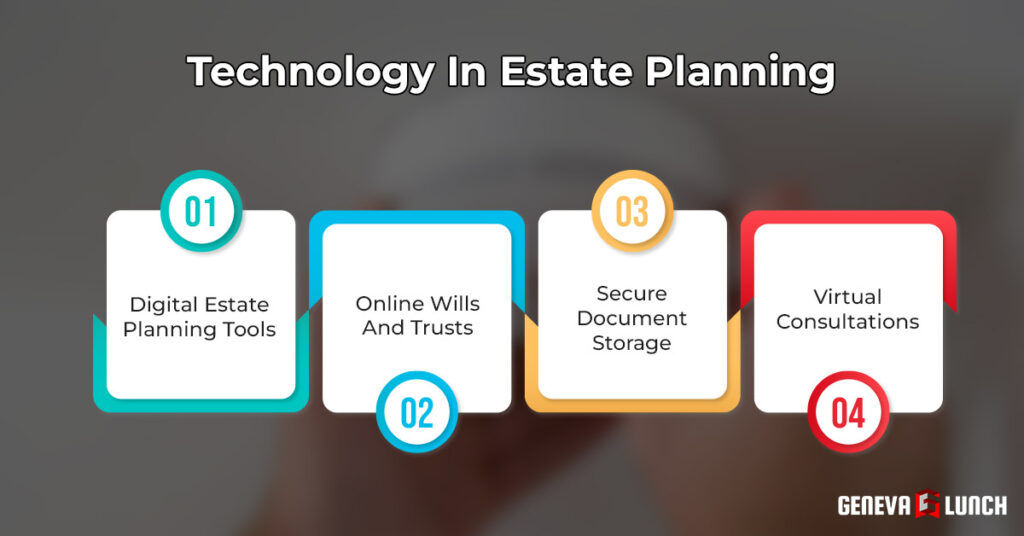
Technology is changing estate planning. New tools make it easier and faster. These tools help you create and manage your estate plan. They provide more options and convenience. Here are some ways technology is used in estate planning.
Digital Estate Planning Tools
Digital estate planning tools are online resources. They help you create and manage your estate plan. For example, you can use software to draft a will or set up a trust. These tools guide you through the process step by step.
They are easy to use and often cost less than traditional methods. Digital tools make it simple to update your plan as needed. This convenience makes estate planning accessible to more people.
Online Wills And Trusts
Online services let you create wills and trusts. These services are often quick and affordable. For example, you can fill out an online form to create a will in a few hours. The service then generates a legal document.
Online wills and trusts are a good option for simple estates. However, complex estates may still need a professional planner. These services make it easy to get started with estate planning.
Secure Document Storage
Secure document storage is important for keeping your estate plan safe. Digital storage solutions provide a secure place to keep your documents. For example, you can store your will and trust in an encrypted online vault.
This ensures your documents are protected from loss or damage. You can also share access with your estate planner and family members. Secure storage keeps your important documents safe and accessible.
Virtual Consultations
Virtual consultations allow you to meet with your estate planner online. This is convenient and saves time. For example, you can have a video call with your planner from your home. Virtual meetings are flexible and can fit into your schedule easily.
They are especially useful if you live far from your estate planner. Virtual consultations make it easy to get expert advice without traveling. This convenience helps you stay on top of your estate planning needs.
Common Myths About Estate Planning
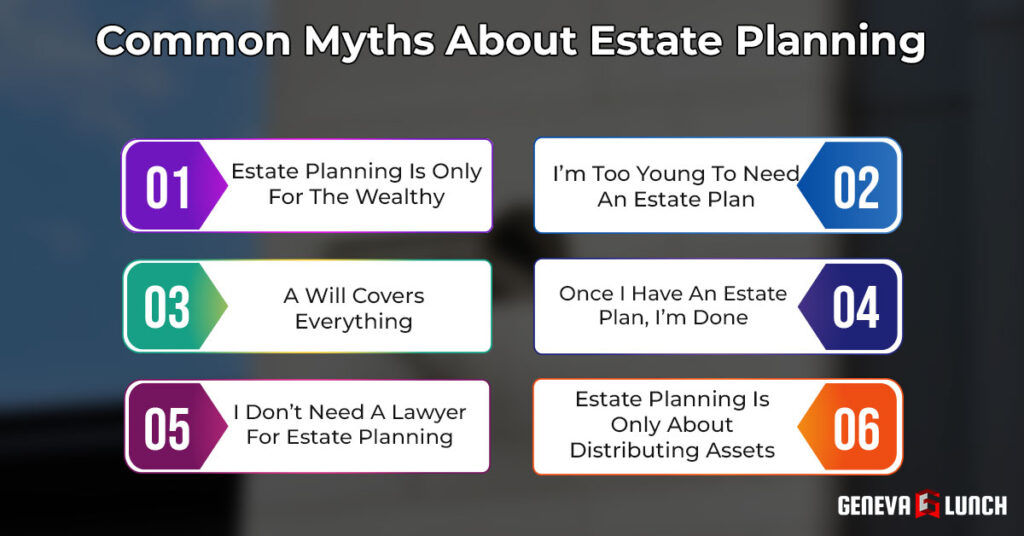
There are many myths about estate planning. These myths can cause people to avoid or delay planning. Understanding the truth can help you see the importance of estate planning. Here are some common myths about estate planning and the facts that dispel them.
Estate Planning Is Only For The Wealthy
Many people think estate planning is only for the wealthy. This is not true. Everyone can benefit from estate planning. It helps protect your money and property, no matter how much you have. For example, you might have a house and a car.
Estate planning makes sure these go to the right people. It also helps reduce taxes and avoid legal problems. Estate planning is important for all income levels.
I’m Too Young To Need An Estate Plan
Some people think they are too young to need an estate plan. This is a myth. Estate planning is important at any age. Young adults need to plan for unexpected events. For example, an accident could leave you unable to make decisions.
A power of attorney allows someone you trust to make decisions for you. Having an estate plan ensures your wishes are followed. It also helps your family know what to do.
A Will Covers Everything
Many people believe a will covers everything. This is not true. A will is just one part of an estate plan. You also need other documents, like a power of attorney and healthcare directive.
These documents cover different aspects of your life and assets. For example, a healthcare directive states your medical wishes if you cannot speak for yourself. Trusts can also be part of an estate plan. They help manage and protect your assets.
Once I Have An Estate Plan, I’m Done
Some people think once they have an estate plan, they are done. This is not true. Estate plans need to be reviewed and updated regularly. Life changes, like marriage or having children, can affect your plan. Laws can also change. For example, tax laws might change, impacting your plan. Regular reviews ensure your estate plan stays current and effective. It is important to keep your plan up to date.
I Don’t Need A Lawyer For Estate Planning
Many people think they do not need a lawyer for estate planning. This is a myth. Estate planning can be complex. A lawyer helps ensure everything is done correctly.
They know the laws and can provide expert advice. For example, a lawyer can help set up a trust to protect your assets. They make sure all documents are legal and valid. Working with a lawyer can prevent mistakes and legal issues.
Estate Planning Is Only About Distributing Assets
Some people think estate planning is only about distributing assets. This is not true. Estate planning also involves other important aspects. It includes planning for healthcare and decision-making if you are unable to.
For example, a power of attorney allows someone to make financial decisions for you. A healthcare directive states your medical wishes. Estate planning helps protect your interests in many areas. It ensures all your wishes are followed.
FAQs
How Do Estate Planners Handle Digital Assets?
Estate planners help manage digital assets like online accounts, social media, and digital currencies. They make a list of all your digital assets. They create a plan for what happens to these assets after you die. This includes passwords and access information. They can also set up a digital executor.
Can Estate Planners Help With International Assets?
Yes, estate planners can help with international assets. They understand the laws in different countries. They help you manage property, bank accounts, and investments in other countries. Estate planners work with international lawyers and tax experts. They help you comply with foreign laws.
What Should I Discuss With My Estate Planner?
You should discuss all your assets and wishes with your estate planner. Talk about your property, bank accounts, investments, and personal items. Discuss who should get these assets. Talk about your healthcare wishes and who should make decisions if you cannot. Mention any charitable goals you have.
Can An Estate Planner Help With Special Needs Planning?
Yes, an estate planner can help with special needs planning. They create trusts to provide for a family member with special needs. This ensures they have money without losing government benefits. They help choose a trustee to manage the trust. Estate planners also make plans for future care and housing.
How Can Estate Planners Assist With Philanthropic Goals?
Estate planners help with philanthropic goals by creating plans for charitable giving. They set up trusts and foundations to donate money to causes you care about. They help you choose the best way to give, like setting up a charitable remainder trust. They ensure your donations provide tax benefits.
Can Estate Planners Assist With Debt Management?
Yes, estate planners help with debt management. They create plans to pay off debts, advise on strategies like loan consolidation, and set up trusts to protect assets from creditors. They also plan for debt repayment after you die. This ensures your heirs are not negatively impacted.
Final Words
Estate planners play a crucial role in managing your assets and ensuring your wishes are followed. They help create wills and trusts, minimize taxes, and protect your assets from creditors. Estate planners ensure your finances are organized and distributed according to your wishes. Planning with an estate planner provides peace of mind for the future.