Financial Goals: Types, Definition And Examples

Do you ever dream of traveling the world, owning a cozy home, or retiring comfortably? With a powerful tool, financial goals, these dreams can become reality.
Financial goals are specific targets to manage finances effectively, such as saving for retirement or paying off debt. These goals vary by time frame: short-term (within a year), medium-term (1-5 years), and long-term (over five years). Setting clear goals helps prioritize financial actions.
Let’s explore the different types of financial goals, discover their importance, and discover examples that can jumpstart your journey to financial freedom.
Key Takeaways
- Clear Definition: A financial goal is a specific, measurable, and time-bound target guiding financial decisions and growth.
- Varied Time Frames: Goals range from short-term (under a year) to long-term (over five years), each requiring different strategies.
- Clear Measurements: Each financial goal must be measurable and clearly defined to track progress and make adjustments effectively.
- Short-Term Examples: Save for a vacation or eliminate small debts within a year, focusing on immediate financial achievements.
- Example Goals: Save for retirement, eliminate debt, invest in education, and buy property tailored to personal financial situations.
What Is A Financial Goal?
A financial goal is a target you set to help manage your money well. They are key to financial planning. They are benchmarks for measuring progress toward a stable financial future.
Financial goals can vary widely. They are based on personal circumstances, life stages, and future aspirations. They are usually set with a clear view of one’s finances, including exact amounts of money and deadlines. This clarity helps create focused strategies for saving, investing, and spending.
Why Are Financial Goals Important?
Financial goals are much more than just wishful thinking. They act as powerful tools that can transform your relationship with money and empower you to take control of your financial future. Here’s how setting financial goals is crucial:
- Provide Direction: Without clear goals, finances can easily drift without a purpose. Financial goals are like a compass. They guide your decisions to achieve your desired outcomes. Every dollar you earn, save, or spend becomes a deliberate step toward a specific target.
- Boost Motivation: Financial goals can be a powerful motivator. Knowing exactly what you’re working towards keeps you engaged and focused. Imagine the joy of reaching a savings milestone or finally paying off a debt. These achievements fuel your drive to stay on track and push you toward bigger goals.
- Reduce Stress and Anxiety: Financial uncertainty is a major source of stress. Setting clear financial goals and tracking your progress can alleviate this anxiety. As you see yourself getting closer to your targets, you gain control and confidence in your financial future.
- Measure Progress: Financial goals allow you to quantify your achievements. By tracking your progress, you can see where you’re excelling. You can also see the aspects that need changes. This ongoing evaluation helps you improve your strategies. It keeps you focused on the path to success.
- Prioritize What Matters: Setting financial goals requires identifying what’s truly important. Is it that dream vacation, a comfortable retirement, or financial independence? By prioritizing your goals, you can use your resources well and make informed decisions about your spending.
Financial goals are the building blocks of financial wellness. They provide a roadmap for your financial journey, keeping you motivated and focused. They will propel you towards a secure and prosperous future.
Different Types Of Financial Goals

Financial goals are plans we make to help use our money well. There are many financial goals: short-term, medium-term, and long-term. Each type helps us in different ways. Let’s talk about them in detail here –
Short-Term Financial Goals
Short-term financial goals focus on immediate needs and small wins that yield quick results. Here are 3 key short-term goals:
1. Emergency Fund
An emergency fund is money you save to use only in urgent situations. For example, if you get sick and can’t work or your car breaks down. It’s smart to save money in your emergency fund. Do it bit by bit until you have enough to cover three to six months of expenses.
2. Short-Term Savings (Vacations, Gadgets)
These savings are for fun or useful things you plan to buy soon, like a family trip or a new computer. By saving a small amount of money each month, you can buy these things without going into debt.
3. Paying Off Small Debts
Paying off small debts is also a short-term financial goal. This could be paying back the money you owe on credit cards or a small loan. When you pay off these debts, you no longer have to worry about them and save money on interest. This helps you have more money for other things you may need or want.
Medium-Term Financial Goals
Medium-term financial goals are plans that take longer to achieve, usually between one and five years. These important goals help us achieve big things that aren’t too far in the future.
1. Buying A Car
Buying a car is a common medium-term financial goal. First, decide what kind of car you need and how much it costs. Then, start putting money aside each month until you have enough for the car. This goal helps you get a car without taking on too much debt.
2. Saving For Education
Saving for education means putting money aside for school or college fees. Start by figuring out how much the education will cost. Next, make a plan to save a certain amount each month. This way, you or your kids can go to school without worrying about the money.
Long-Term Financial Goals
Long-term financial goals are big plans you work towards over many years. They are very important because they help you ensure you have enough money for the future. Let’s talk about some key long-term financial goals.
1. Retirement Planning
Planning for retirement means setting aside money to enjoy a comfortable life when you’re older and no longer working. It’s crucial because it determines your future lifestyle and financial security. By figuring out how much money you’ll need to support yourself, you can save a little each month to meet your goal. This retirement planning process ensures you have enough funds to care for yourself throughout your later years.
2. Building Wealth
Building wealth is more than saving money; it’s about growing your money. This could mean investing in stocks, buying property, or starting a business. The idea is to use your money to make more money over time. This helps you feel secure and lets you do more with your life.
3. Estate Planning
Estate planning is planning what will happen to your money and belongings after you leave. It’s about ensuring the people you care about are cared for. This includes writing a will, setting up trusts, or making other legal plans. It’s a way to care for your family even when you are not around.
Setting SMART Financial Goals

Setting SMART financial goals is a great way to ensure your money does what you want. SMART stands for Specific, Measurable, Achievable, Relevant, Time-Bound, and Realistic. Let’s break down each part:
Specific
You must be clear about what you want to achieve to set a specific goal. A vague goal like “save more money” is less effective than “save $500 for an emergency fund.” Being specific means knowing exactly what you are working towards, which helps you plan and execute the steps needed to reach your goal.
Measurable
A goal must be measurable so that you can track your progress. This involves quantifying your goals in terms of numbers or clear milestones.
For example, if your goal is to pay off debt, you should specify the total amount and then track how much you pay each month. This measurement helps maintain motivation as you see the numbers change.
Achievable
Your goal should be realistically achievable, given your current resources and constraints. For instance, aiming to save $1 million in a year on a $50,000 salary is not feasible.
Instead, setting a goal to save $5,000 or pay off $10,000 in debt within a year can be more achievable. It’s important to assess what you can accomplish to avoid setting yourself up for disappointment.
Relevant
A relevant goal aligns with your broader financial plans and current needs. For example, if you’re a college student, your goal could be to save for tuition or pay off student loans rather than for retirement, which is still far off.
Ensuring your relevant goals align your financial strategy with your life stage and priorities.
Time-Bound
Every goal needs a deadline. Without a timeframe, there’s little urgency to act. When you decide to save for a vacation, determine when you plan to travel and set a date to have the money saved.
For example, if you plan a trip in six months, you know you need to save a specific amount each month until then.
Realistic
Lastly, a realistic goal considers your financial situation and other life factors. Given your current income, expenses, and lifestyle, this means setting goals you can work towards.
When you have multiple financial obligations, it may not be realistic to allocate a large portion of your income toward a single goal. It’s about balancing ambition with practicality.
How To Prioritize Your Financial Dreams?

Setting financial goals gives you clear targets for your money journey. But knowing which goals to tackle first can be tricky. Here’s how to sort them out to ensure you are on the right path.
Assessing Your Current Financial Situation
The first step to prioritizing your goals is understanding where you stand financially. Gather your recent bank statements, pay stubs, and any investment records. Calculate your monthly income and expenses.
Identify areas where you can cut back and potential sources of additional income. This clear picture will help you determine how much you can save. You can then allocate it towards your goals.
Determining Urgency And Importance
Not all goals are created equal. Some require immediate attention, while others can wait a few years. Here’s how to differentiate between urgency and importance:
- Urgency: These are time-sensitive goals with a pressing deadline. For example, if your car needs repairs to avoid a breakdown, fixing it becomes an urgent goal.
- Importance: These are goals that align with your long-term vision and values. Owning a home is an important goal, but it may not be urgent if you’re happy with your current home.
By analyzing urgency and importance, you can sort your goals. You can sort them as high, medium, or low priority.
Balancing Short-Term And Long-Term Goals
It’s easy to get caught up in the excitement of a dream vacation. But, you may neglect your retirement savings. The key is to strike a balance. Here’s how:
- Start with small wins: Focus on achieving short-term goals like building a small emergency fund. This initial success boosts your confidence and motivates you to tackle bigger goals.
- Automate savings: Set up automatic transfers to fund your long-term goals, like retirement and a house down payment, while you save for short-term goals. This ensures steady progress on both fronts.
Creating A Financial Goals Timeline
Now that you prioritize your goals, let’s map out a timeline for achieving them. Consider the following factors:
- Goal complexity: Saving for a new phone can take a few months. But saving for a down payment takes longer.
- Financial situation: Your income and savings capacity will influence how quickly you can reach your goals.
- Required amount: Determine the specific amount needed for each goal and factor that into your timeline.
Creating A Financial Plan To Achieve Goals
Setting and reaching your financial goals starts with a solid financial plan. A plan acts like a guidebook, showing you how to get from where you are now to where you want to be with your money.
Budgeting
Budgeting is the first big step in making your financial plan. It’s all about knowing how much money you get and where it needs to go. Here’s how you do it:
- List Your Income: Write down how much money comes in every month. This could be from your job, gifts, or money from chores.
- Track Your Spending: Track your spending. This can include food, games, or books.
- Set Spending Limits: Decide how much money you can spend on different things. If you know you have $10, it’s smart not to spend all $10 on candy.
- Save for Big Things: Pick something big you want to buy or do, and put some money aside each time you get some. This way, you’ll have enough when it’s time to buy it.
- Check and Adjust: Sometimes, you spend too much, or your plans may change. It’s okay. Just look at your budget again and change it to work better for you.
By using a budget, you ensure that you have enough money for the things you need and the fun things you want. It’s a great tool for helping you reach your financial goals without running out of money.
How To Budget Money
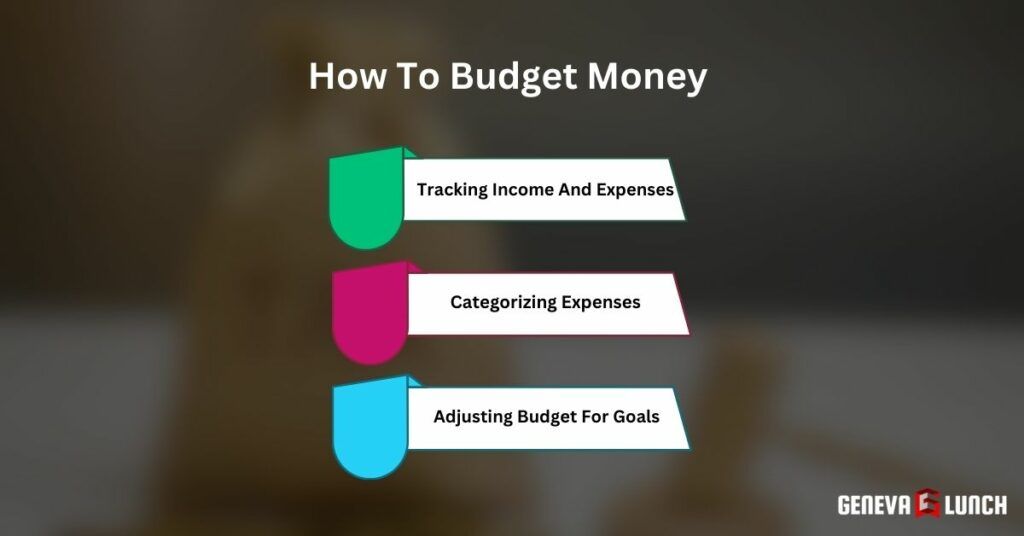
Budgeting seems big and complex, but you can break it down into simple steps:
1. Tracking Income And Expenses
Start by writing down all the money you earn each month. Next, track your spending, like food, rent, or toys. This shows you what you have left after paying for your needs.
2. Categorizing Expenses
Group your expenses into ‘house,’ ‘food,’ and ‘fun.’ This will help you see where you can spend too much and where you can save.
3. Adjusting Budget For Goals
Look at the money you have left after expenses. Decide how much you want to save for a new bike or college. You should spend less on fun things now to save for big things later.
Saving Strategies
To save money effectively, start by setting clear goals. Decide what you’re saving for and how much you need. Next, make a budget to track your spending. Put money into your savings account regularly, like every time you get paid. Also, look for ways to cut costs so you can save more.
Investment Strategies
Investing is a way to grow your savings over time. Start by learning about different types of investments and how they work. It’s smart to spread your money across different kinds of investments.
This way, if one type doesn’t do well, you still have others that can. Always check how much risk you’re okay with before investing.
What Are The 3 Most Common Investments?
Investments are a big part of making your money grow. The three most popular types are stocks and bonds, mutual funds and ETFs, and real estate investments. Each type has its way of helping you build wealth over time.
1. Stocks And Bonds
Stocks and bonds are common ways to invest. When you buy stocks, you own a part of a company. When the company does well, you can make money. Bonds are like loans you give to companies or the government, and they pay you back with interest.
2. Mutual Funds And ETFs
Mutual funds and ETFs let you invest in many stocks or bonds simultaneously, spreading risk. Mutual funds are managed by experts who choose where to invest your money. ETFs are similar, but you buy and sell them like stocks.
3. Real Estate Investments
Investing in real estate means buying property. You can make money from selling it later at a higher price or renting it out. Real estate can be a good investment if you choose the right property and manage it well.
Debt Management
Managing your debts is a big part of your financial plan. Effective debt management helps you reduce your current debts and prevents future financial troubles by teaching you better spending habits.
1. Debt Repayment Plans
A debt repayment plan is a strategy to pay off what you owe step by step. You list all your debts and then decide how much you can pay each month. Pay off the smallest debts first or the ones with the highest interest. This plan helps you see progress as you go, making it easier to stick to your goals.
2. Debt Consolidation
Debt consolidation means taking all your different debts and combining them into one. This way, you only have one payment to make each month. This new single debt often has a lower interest rate, saving you money. This method makes it easier to manage your monthly budget. It can also help you clear your debts faster.
Tools And Resources For Achieving Financial Goals
Using the right tools can make a big difference in reaching your financial goals. These tools help you plan, track, and manage your money more effectively. Let’s explore some top software options to help you with financial planning.
What Is The Best Software For Financial Planning?

The top financial planning software has powerful features. It handles budgeting, investment tracking, and forecasting. These tools give you a clear picture of your financial health. They will help you make smarter choices.
1. eMoney Advisor
eMoney Advisor is a popular choice for detailed financial planning. It offers tools for budgeting, retirement planning, and wealth management. You can see all your accounts in one place, making tracking your progress toward your financial goals easier.
2. Planful
Planful is great for those who need help with longer-term financial planning. It’s often used by businesses but can be very useful for personal finance, too. Planful helps with budgeting, forecasting, and financial reporting. It gives you a clear view of your financial future.
3. Moneytree
Moneytree is well-known for its precision in financial analysis. It allows you to create detailed, personalized financial plans. You can assess many scenarios and their impact on your finances. This helps you make informed decisions.
4. Anaplan
Anaplan is more advanced and suited for those with complex financial planning needs. It integrates with existing data to provide comprehensive forecasting and modeling capabilities. This can be very useful. It helps in planning big financial moves like buying a house or retirement.
Which App Is Used To Create A Budget?
Many apps can help you create a budget. These apps track your spending and show you ways to save money. They can link to your bank accounts to keep everything updated.
1. Goodbudget
Goodbudget is a great app for families or friends who share a budget. It uses envelopes to split your money for different needs. You can see how much you have left to spend or save. This app does not need your bank details, which keeps your money safe.
2. EveryDollar
EveryDollar helps you make a budget in just a few minutes. You put in your monthly income, plan your spending, and track every dollar you spend. This app is about giving every dollar a job, whether for bills, savings, or fun.
3. YNAB
YNAB stands for “You Need A Budget.” This app teaches you how to manage your money better. It helps you stop living paycheck to paycheck, pay off debts, and save more money faster. YNAB also connects to your bank, pulls in your spending, and keeps your budget current.
Monitoring And Adjusting Financial Goals
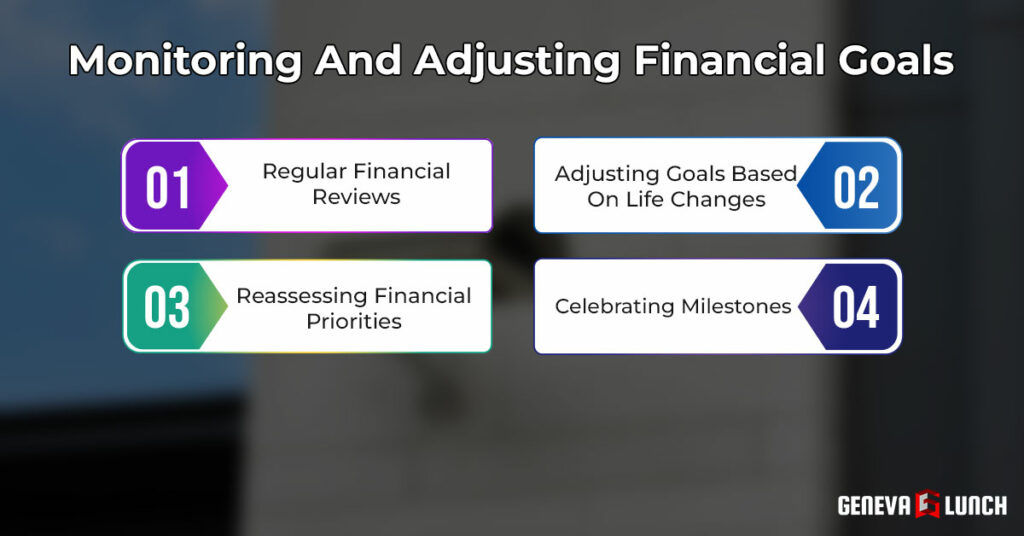
Setting financial goals is just the first step. It’s important to watch them and make changes to stay on track. This can help you meet your targets faster and more efficiently. Let’s dive into how you can keep your financial goals on track.
Regular Financial Reviews
It is crucial to review your finances regularly. Aim to examine your budget, expenses, and savings every three to six months. This review lets you track your progress toward short-term and long-term financial goals.
It finds areas where you may be overspending. It’s like giving your finances a health check to ensure everything is on track for future success.
Adjusting Goals Based On Life Changes
Life is full of surprises—some pleasant and some challenging. Major life events, such as marriage or the birth of a child, can greatly impact your finances. So can a career change or unexpected health issues.
When such changes occur, adjust your financial goals to match your new reality. This means saving more, changing investments, or delaying some goals to prioritize immediate needs.
Reassessing Financial Priorities
As you journey through life, your priorities will naturally evolve. What seemed important five years ago may not hold the same weight today. Reassess your finances often.
Make sure they match your life and values. This reassessment will help you stay motivated and committed to your financial plan. Your goals will always be most important to you at any given time.
Celebrating Milestones
Recognizing and celebrating milestones is an important aspect of the financial planning process. When you reach a goal, like paying off debt or buying a long-desired asset, celebrate.
These celebrations can be simple acknowledgments or small rewards. They reinforce positive behavior and motivate tackling the next set of goals. Celebrating milestones boosts morale and encourages continued commitment to smart finances.
Common Challenges In Achieving Financial Goals
When setting financial goals, people often face several challenges. These hurdles can make it hard to reach your money targets. Let’s dive into some common issues and how they can affect your financial plans.
Lack Of Discipline
A big hurdle to reaching financial goals is maintaining strict spending discipline. It’s easy to stray from your budget when unexpected temptations arise, such as dining out, shopping, or impulse buys.
Consistent discipline requires setting clear limits and sticking to them. This can be tough, requiring a strong commitment and regular expense monitoring. To overcome this, automate savings and make budget reviews a routine.
Unexpected Expenses
No matter how well you plan, unexpected expenses can disrupt your financial goals. These include emergency medical bills, sudden car repairs, or home maintenance issues. Such costs can use up funds set aside for other priorities.
These include saving for a vacation or retirement. Building an emergency fund is crucial to buffer against these shocks. Experts usually recommend saving three to six months’ worth of living expenses. Keep them in an easy-to-access account.
Economic Downturns
Economic downturns can profoundly impact personal finances. Losing a job or having fewer work hours can quickly derail financial plans, as can falling business revenues. When the economy suffers, investments can lose value.
This complicates long-term savings plans, like those for retirement. To mitigate these risks, diversify your income sources and investments. This can provide a safety net and help stabilize your finances in uncertainty.
Poor Financial Decisions
Occasionally, poor financial decisions can derail progress towards financial goals. These include risky investments, borrowing too much, or not insuring enough against risks. Each decision can have big downsides.
It can consume resources that could fund your goals. Financial literacy education, seeking advice from financial advisors, and thorough planning can also help. They can all help avoid such pitfalls.
Overambitious Goals
Ambition can be good. But, setting very high money goals without a realistic plan can lead to frustration. It can also cause demotivation. Goals that stretch too far may seem impossible. They cause people to give up. You must set realistic goals.
They must be achievable and match your money and life. Break big goals into smaller steps. They should be easy to handle and track. Do this to keep up your drive on your financial journey.
Overcoming Challenges And Staying Motivated

Setting financial goals is a big step towards managing your money well. But sometimes, sticking to your goals can be tough. You can face challenges like unexpected expenses or changing life situations. It’s important to stay motivated and keep your eye on the prize.
Developing Good Financial Habits
Good financial habits are the cornerstone of successful financial planning. Begin by tracking your income and expenses to understand where your money goes. Prioritize saving by setting aside a portion of your income regularly, even if it’s small.
Always pay your bills promptly to avoid penalties and maintain a good credit score. Review and adjust your budget often as your money changes. This can help maintain your financial health.
Setting Realistic Expectations
You must set doable financial goals that match your income and life. Unrealistic expectations can lead to frustration and may derail your financial plans.
Start with manageable objectives, such as saving for a modest vacation or paying off a small credit card balance. Meeting these small goals can bring a sense of accomplishment and motivate us to tackle larger challenges.
Building An Emergency Fund
An emergency fund is vital. It provides financial security. It covers unexpected expenses, like medical emergencies or job loss. Aim to save enough to cover at least three to six months of living expenses.
This fund should be easy to access and kept separate from other savings. This will ensure it’s available when you need it most.
Seeking Professional Advice (If Necessary)
There are times when managing your finances requires expert advice. Talking to a financial advisor can help if you are overwhelmed by debt. They can also help you plan for retirement or make complex financial decisions.
A pro can offer personalized advice based on your goals and financial situation. This advice helps you make informed choices.
Staying Educated And Informed
Continuous education is crucial in personal finance. Read financial news. Read books and reputable online resources. They will help you stay updated on trends, new saving tools, and investment strategies.
Consider attending workshops or seminars that focus on financial literacy. Being informed helps you make better financial choices and empowers you to control your economic future.
FAQ
Can Financial Goals Change Over Time?
Yes, financial goals can change over time due to shifts in personal circumstances, economic conditions, or life stages. It’s important to regularly review and adjust your goals to reflect current needs and future aspirations. This flexibility ensures financial plans remain relevant and effective.
How Do I Track My Progress Towards Financial Goals?
To track your progress towards financial goals, utilize budgeting apps to monitor expenses and savings. Establish specific, measurable objectives and assess them periodically. Keep a detailed financial journal and compare monthly progress to ensure you’re on track to meet your goals efficiently.
How Can I Set Realistic Financial Goals?
To set realistic financial goals, you can assess your current financial situation and identify your short-term and long-term needs. Establish achievable targets based on your income and expenses. Consulting with financial advisors can provide tailored advice to align with your aspirations.
How Can Financial Goals Improve My Budgeting?
Setting financial goals can significantly enhance your budgeting by providing clear targets to aim for and encouraging disciplined spending. It helps prioritize expenses and ensures you allocate funds efficiently to achieve your objectives, which can lead to better financial management and savings.
What Are Some Common Obstacles To Achieving Financial Goals?
Common obstacles to achieving financial goals include insufficient budgeting, high debt levels, inadequate savings, lack of financial literacy, and unexpected expenses. Overcoming these challenges involves careful planning, education, and professional advice to realign financial strategies.
Final Word
Financial goals are the cornerstones of financial security and peace of mind, whether short-term or long-term.
By setting clear goals (like building an emergency fund or saving for retirement) and utilizing different strategies (like budgeting or investing), you can take control of your finances and achieve your dreams.
Financial goals are personal, so prioritize what matters most to you. Start setting your financial goals today and empower yourself to build a brighter future.