Financial Statements Explained: Key Insights For Investors

Understanding financial statements helps investors make smart decisions. These documents show how a company earns money, spends it, and what it owns.
Financial statements are key reports that summarize a company’s financial performance. They include the balance sheet, income statement, and cash flow statement. These documents help assess profitability, liquidity, and overall financial health, guiding decision-making for businesses and investors.
These reports can help you decide if investing in a company is worth the risk. In this article, we will explain how to read and understand financial statements, helping you become a more informed investor.
Key Takeaways
- Essential Disclosure: Financial statements provide a transparent overview of a company’s financial health and performance.
- Regulatory Compliance: They ensure businesses meet legal and regulatory requirements by following accounting standards.
- Investor Insights: Critical for investors, offering detailed financial data that aids in making informed decisions.
- Operational Analysis: Help management track revenue, expenses, and profitability to guide strategic planning.
- Credit Assessments: Used by lenders and creditors to evaluate a company’s creditworthiness and financial stability.
What Are Financial Statements?
Financial statements are records that explain a company’s finances. They show how much money a company makes, spends, and keeps. These reports help people understand if a business is doing well or not. There are three main types of financial statements:
- Balance Sheet: This report shows what the company owns (assets) and what it owes (liabilities). It helps people see if the company’s finances are balanced.
- Income Statement: This shows how much money a company earns and spends over some time. It helps track profits and losses.
- Cash Flow Statement: This shows how cash moves in and out of the business. It helps people know if the company has enough money to cover its expenses.
Together, these statements give a clear picture of a company’s finances. Investors and business owners use them to make smart decisions.
How Financial Statements Work?
Financial statements clearly show a company’s financial health and help investors see how well it manages money. The three key financial statements are the balance sheet, income statement, and cash flow statement. Each serves a different purpose but works together to give a full financial view.
Understanding The Balance Sheet

The balance sheet is a snapshot of a company’s financial position at a specific moment. It shows what a company owns (assets), what it owes (liabilities), and the value left for shareholders (equity). The balance sheet follows a simple formula:
Assets = Liabilities + Equity
This equation helps investors know if a company can pay its bills and how much it owns outright.
Assets
Assets are what a company owns. They provide future benefits, like generating cash or saving money. Assets are grouped into two types: current and non-current.
Current Assets
Current assets can be converted to cash within one year and used to run the company’s daily operations. Examples include cash, accounts receivable, and inventory.
Non-Current Assets
Non-current assets are long-term investments. These take more than a year to turn into cash. They help the company operate over time. Examples include property, equipment, and patents.
Examples
- Cash: Money the company has on hand or in the bank.
- Inventory: Goods the company plans to sell.
- Property: The company uses land, buildings, or equipment to run its business.
Liabilities
Liabilities are money a company owes. They can be debts, bills, or other financial obligations. Liabilities are divided into two groups: current liabilities and non-current liabilities.
Current Liabilities
Current liabilities are debts a company must pay soon, usually within one year. These include bills, short-term loans, or salaries owed to employees. Companies need to manage current liabilities well to avoid running out of cash.
Non-Current Liabilities
Non-current liabilities are debts that take longer to pay, often more than a year. Examples include long-term loans or bonds. These liabilities don’t need immediate payment, giving the company time to plan.
Examples
Accounts payable and long-term debt are common examples of liabilities. Accounts payable is money a company owes to suppliers for products or services. Long-term debt includes loans or bonds that the company will repay over time. Both are essential parts of a company’s financial health.
Equity
Equity shows the owners’ stake in the company. It’s the difference between what the company owns and owes. Equity comes from different sources, such as common stock, retained earnings, and additional paid-in capital.
Common Stock
Common stock represents ownership in a company. When investors buy stock, they get shares in the company. These shares give them the right to vote and earn dividends. Common stock is an important part of a company’s equity.
Retained Earnings
Retained earnings are the profits the company keeps. Instead of paying all profits to shareholders, companies keep some to grow the business. These earnings can fund new projects or help in tough times.
Additional Paid-In Capital
Additional paid-in capital is the money shareholders pay above the stock’s value. For example, if someone buys stock for more than its worth, the extra amount goes to additional paid-in capital. This increases the company’s equity.
Understanding The Income Statement
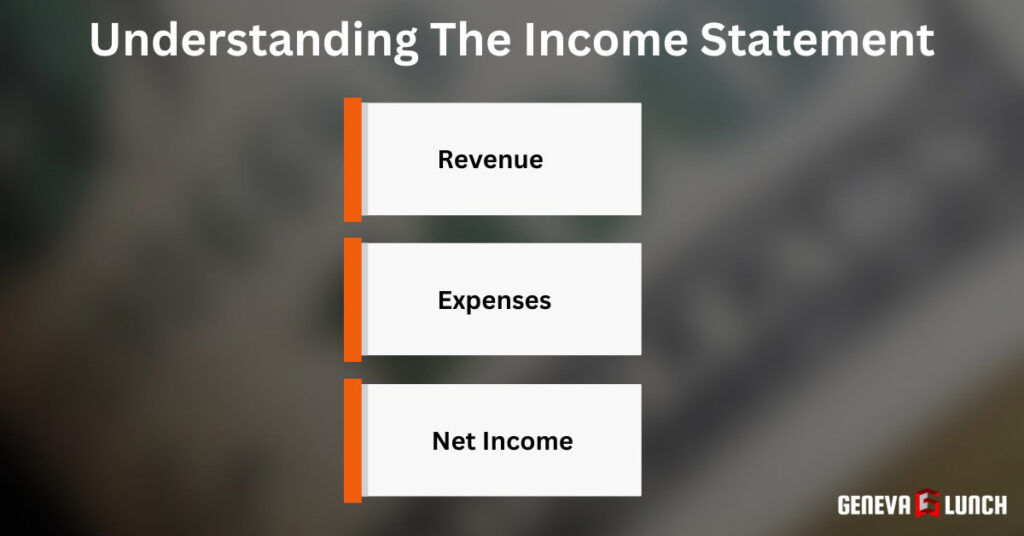
The income statement tells you how much a company makes and spends. It shows the profit or loss by subtracting expenses from revenues. Investors use this statement to understand if a company is growing or struggling. One of the main parts of the income statement is revenue, which comes in several forms.
Revenue
Revenue refers to the total income a company earns from selling its products or services. It helps investors see how well a company is generating money. Revenue is divided into two main categories: gross revenue and net revenue.
Gross Revenue
Gross revenue is a company’s total amount before any costs or expenses are deducted. It reflects all sales and services but doesn’t account for business costs, like returns or discounts.
Net Revenue
Net revenue is after subtracting discounts, returns, and other allowances from gross revenue. It provides a more accurate picture of the money a company earns from its operations.
Revenue Recognition Principles
Revenue recognition principles dictate when a company can record revenue in its financial statements. This ensures that revenue is reported correctly and matches when products or services are delivered.
Expenses
Expenses are the costs the company faces in running its business. These can range from producing goods to paying taxes. Expenses are grouped into categories to show where the money is spent.
Cost Of Goods Sold (COGS)
COGS includes the direct costs of making products, including the materials and labor needed to produce them. The more a company sells, the higher its COGS. Investors look at this number to see how much the company costs to create its products.
Operating Expenses (SG&A)
Operating expenses, also called SG&A (Selling, General, and Administrative), cover the business’s costs. This includes paying employees, marketing, and office rent. Unlike COGS, operating expenses are not tied directly to production but to running the overall business.
Depreciation And Amortization
Depreciation and amortization show how assets lose value over time. Depreciation applies to physical items like buildings or machinery, while amortization applies to intangible items like patents. These costs spread out the value of assets over time.
Taxes
Taxes are the money the company pays to the government. This depends on the profit it makes. The income statement shows how much the company owes in taxes based on its earnings. Investors can see how taxes affect the company’s bottom line.
Net Income
Net income is the final profit after all costs are paid. This is the money left over after expenses like taxes, rent, and salaries are subtracted from the company’s total earnings.
Gross Profit
Gross profit is the money a company makes after paying for the costs of producing its goods or services. It is the first step in understanding how well a company is performing.
Operating Profit
Operating profit is the money left after paying to run the business. This includes costs like salaries, rent, and utilities. It shows how much profit a company makes from its core business operations.
Net Profit
Net profit is the company’s final amount after all expenses, including taxes and interest. It tells investors how much money the business is making overall.
Understanding The Cash Flow Statement
The cash flow statement tracks how much cash comes into and goes out of the business. It shows whether the company is earning or losing money. Investors use this statement to see if a company can pay its bills and grow.
Operating Activities
Operating activities show the cash flow from a company’s main business, telling investors how well the core business is performing.
Cash Inflows And Outflows From Core Business Operations
Cash inflows are the money a business receives from selling goods or services. Cash outflows are the money spent on expenses like rent, salaries, and supplies. Tracking these helps investors see if the business makes more money than it spends.
Working Capital Changes
Working capital is the money a company uses for daily operations. Changes in working capital show if the company is using its cash wisely. It includes inventory, accounts receivable (money owed to the company), and accounts payable (money the company owes).
Investing Activities
Investing activities on the cash flow statement focus on where the company spends its money for long-term growth. This includes buying or selling assets, such as equipment or buildings. It helps investors see if the company is making smart investments.
Capital Expenditures
Capital expenditures refer to the money a company spends to buy or upgrade physical assets. These purchases are essential because they help the company grow. Examples include buying new equipment or improving existing facilities.
Purchases And Sales Of Assets
Purchases and sales of assets cover activities like buying land equipment or selling old assets. When a company buys assets, it spends cash. Selling these assets brings in cash. Investors watch these activities to know how the company manages its resources.
Financing Activities
Financing activities show how a company raises money to run its business. It includes getting loans, repaying debt, selling shares, or paying dividends. This section is key for investors because it shows how a company funds its growth.
Debt Issuance And Repayment
Debt issuance means the company borrows money, usually through loans or bonds. Repayment happens when the company pays back that debt. Investors watch these actions to see if the company manages its debt wisely.
Equity Financing And Dividends
Equity financing involves raising money by selling shares of the company. When a company sells shares, it gives up part of its ownership. Dividends are payments made to shareholders from the company’s profits. Investors like to see how often a company pays dividends and how much it gives.
Understanding The Statement Of Changes In Equity
The statement of changes in equity explains the changes in a company’s equity during a specific period. It highlights the company’s share capital adjustments, retained earnings, and other equity components. Investors use this to understand how profits are managed and distributed.
Share Capital
Share capital refers to the money investors give the company in exchange for shares. This money helps the company grow and operate. The statement shows any increase or decrease in share capital during the year. If the company issues new shares, the share capital grows.
Retained Earnings
Retained earnings are the profits a company keeps after paying dividends to shareholders. These earnings help the company reinvest in its growth or save for future needs. The statement of changes in equity shows how much of the profit stays in the company versus what gets paid to shareholders.
Impact Of Dividends
Dividends are payments made to shareholders from the company’s profits. When a company pays dividends, its retained earnings decrease. The statement of changes in equity shows how much of the company’s profits go to shareholders in the form of dividends.
Earnings Retention Vs. Distribution
Companies must decide whether to keep earnings or distribute them as dividends. Retaining earnings helps fund future projects or expansions while distributing them rewards shareholders. The balance between these two is critical for a company’s long-term success.
Other Comprehensive Income
Other comprehensive income includes gains or losses that do not show up in the income statement. These changes still affect the company’s financial position but are not part of regular operations.
Unrealized Gains/Losses
Realized gains or losses come from investments that have changed in value but have yet to be sold. These changes appear in the financial statement even though the company has not gained or lost actual money yet.
Foreign Currency Translation Adjustments
Foreign currency translation adjustments happen when a company does business in other countries. Currency values change, affecting the company’s total value when converted into its home currency. This adjustment is recorded to show the impact of currency differences.
Key Financial Ratios Derived From Financial Statements
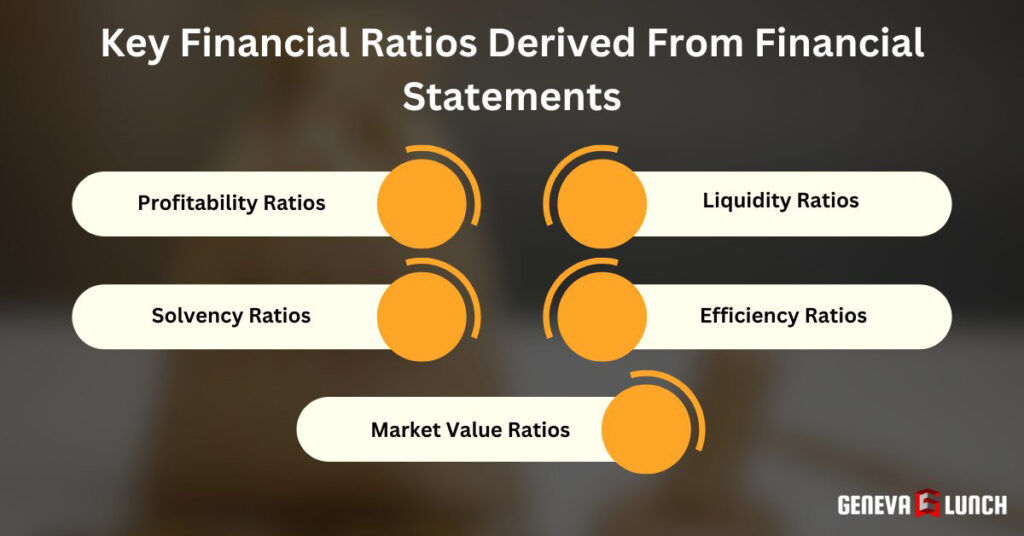
Financial ratios help investors understand a company’s performance. They use data from financial statements to measure profitability, efficiency, and financial health. Investors gain insight into a company’s strengths and weaknesses by examining key financial ratios.
Profitability Ratios
Profitability ratios show how well a company uses its resources to generate profit. These ratios are important because they help investors see if a company can make money over time.
Gross Margin Ratio
The gross margin ratio compares a company’s revenue to its cost of goods sold (COGS). It tells investors how much money the company keeps after paying for the products it sells. A higher ratio means the company is making more money from its sales.
Operating Margin Ratio
The operating margin ratio measures a company’s profit from its core business activities before interest and taxes. This ratio helps investors understand how efficiently the company manages its operations. A higher operating margin shows solid operational control.
Net Profit Margin Ratio
The net profit margin ratio shows the percentage of revenue that remains as profit after all expenses, including taxes and interest, have been paid. It gives investors a clear view of the company’s overall profitability. A high net profit margin means the company keeps more money from every sale.
Liquidity Ratios
Liquidity ratios tell how well a company can cover its current debts with its available assets. Investors use these ratios to assess a company’s short-term financial stability.
Current Ratio
The current ratio compares a company’s current assets to its current liabilities. It shows if the company has enough assets to pay its debts within a year. A higher ratio means better liquidity, as the company has more assets to cover its liabilities.
Quick Ratio
The quick ratio, also known as the acid-test ratio, is a stricter measure of liquidity. It excludes inventory from current assets and compares the remaining assets to liabilities. It shows whether a company can quickly pay its short-term debts without selling inventory. A higher quick ratio means the company can better handle immediate financial challenges.
Solvency Ratios
Solvency ratios show if a company can pay its long-term debts. These ratios look at how much debt the company has compared to its assets. If a company’s solvency ratios are strong, it can stay in business and cover its debts over time.
Efficiency Ratios
Efficiency ratios show how well a company uses its resources. They tell how fast a company sells its products or uses its assets to make money. High efficiency means a company is making the most of what it has.
1. Asset Turnover Ratio
The asset turnover ratio measures how well a company uses its assets to generate sales. It shows how much revenue is made from each dollar of assets. A higher ratio means the company uses its assets well to grow sales.
2. Inventory Turnover Ratio
The inventory turnover ratio tells how quickly a company sells its inventory. It shows how many times inventory is sold and replaced over a period. A high ratio means the company sells goods quickly and manages inventory well.
Market Value Ratios
Market value ratios compare a company’s stock price to its financial data. Investors use these ratios to see if a stock is overvalued or undervalued. Two common market value ratios are the Price-to-Earnings Ratio and the Price-to-Book Ratio.
1. Price-To-Earnings Ratio
The Price-to-Earnings (P/E) ratio compares a company’s current stock price to its earnings per share (EPS). Investors use this ratio to see how much they pay for each dollar of earnings. A high P/E ratio could mean the stock is expensive, while a low P/E ratio may show the stock is undervalued.
2. Price-To-Book Ratio
The Price-to-Book (P/B) ratio compares a company’s stock price to its book value. Book value is the value of the company’s assets minus its liabilities. A P/B ratio less than 1 might show the stock is undervalued, while a ratio higher than 1 could mean it is overvalued. Investors use this ratio to see how the market values the company’s actual worth.
Practical Applications Of Financial Statements

Financial statements help investors make smart decisions. They show how a company earns, spends, and manages its resources. Investors use these reports to understand if a company is strong and worth investing in.
Investment Analysis
Financial statements give investors key information. They examine these numbers to determine whether a company’s stock is a good buy or if there are risks to consider.
Stock Valuation
Investors check the value of a company’s stock using financial statements. They study earnings, revenue, and cash flow to determine whether the stock price is fair. If a company makes more money than it spends, it can raise the stock’s value.
Risk Assessment
Risk assessment helps investors determine whether a company might face trouble. Investors examine debt, liabilities, and expenses. High debt can signal risk, while low debt and steady profits show the company is more stable.
Credit Analysis
Credit analysis evaluates a company’s ability to repay its debts. Financial statements are key in this process because they provide the necessary data to make informed decisions.
Evaluating Creditworthiness
Lenders and investors review financial statements to determine if a company can meet its financial obligations. They look at cash flow, profitability, and balance sheets to see if the company has enough resources to cover its debts. Strong financials indicate that the company is creditworthy.
Debt Covenant Compliance
Debt covenants are rules set by lenders that a company must follow to maintain its loans. Financial statements help verify whether a company complies with these covenants. Companies use their financials to show they meet conditions like maintaining certain profit margins or keeping debt manageable.
Business Management
Financial statements play a key role in managing a business. They help owners and managers understand the company’s position and guide decision-making.
Performance Monitoring
Income statements show whether the company is making a profit or loss. Balance sheets show assets and liabilities, helping to track the business’s performance and allowing managers to adjust quickly to changes.
Strategic Planning
Financial statements help in planning for the future. Cash flow statements show how much money comes in and goes out. Managers use this information to plan for growth, cut costs, or make other improvements.
Regulatory Compliance
Financial statements play a big role in meeting regulatory rules. They keep businesses honest and ensure they share accurate information.
SEC Reporting Requirements
Public companies in the U.S. must submit financial statements to the Securities and Exchange Commission (SEC). These reports follow strict rules, and the SEC reviews them to ensure companies provide the correct numbers and details. Investors rely on this data to decide where to put their money.
Tax Filing And Compliance
Businesses use financial statements to file their taxes. The numbers in these reports show how much tax a company owes. Companies need to follow tax laws and use accurate data to avoid penalties, and financial statements help them comply with tax rules.
Common Pitfalls In Interpreting Financial Statements

Financial statements help investors make decisions, but mistakes happen. People sometimes focus on one statement and miss essential details from others. This can lead to poor choices. Below, we explain two common mistakes when looking at financial statements.
Overemphasis On One Statement
Investors often need more than one financial statement. Focusing on just the income statement or balance sheet can give an incomplete picture of a company’s health.
Neglecting Cash Flow In Favor Of Income
Many investors look only at the income statement. They may think a company is doing well because it shows a profit. However, they ignore the cash flow statement, which shows how much actual cash the company has. A company can be profitable on paper but still need help with cash. Ignoring cash flow can lead to risky investments.
Misinterpreting The Balance Sheet
Another common mistake is not fully understanding the balance sheet. Some investors focus too much on total assets without considering liabilities. A company may have a lot of assets but may be in trouble if it also has a lot of debt. It’s essential to look at both sides of the balance sheet to understand the company’s financial health.
Misleading Financial Ratios
Financial ratios help compare a company’s performance to others. However, these ratios can be misleading if not used properly. Investors need to pay attention to their calculations and the data used.
Using Inconsistent Data
When calculating financial ratios, using data from different periods or reports can lead to inaccurate results. For example, comparing revenue from one year with costs from another year can give a false picture of the company’s performance. It is essential to use data from the same period.
Ignoring Industry Benchmarks
Different industries have unique standards for financial performance. Comparing a retail company’s financial ratios to a tech company’s ratios will not provide useful insights. Measuring a company against others in the same industry is essential to get an accurate view of its financial health.
Failure To Consider Non-Financial Factors
When reviewing financial statements, it’s easy to overlook non-financial factors that affect a business. Ignoring these can lead to a skewed view of the company’s true health.
Market Conditions
Market conditions play a huge role in shaping a company’s performance. Even strong financials may only tell part of the story if the industry or economy is struggling. For example, economic downturns or changes in demand can reduce a company’s profitability, even if its financial statements look solid.
Management Quality
The strength of a company’s leadership can impact its success. Good management can steer a company through tough times, while poor leadership can lead to failure, even if the financial statements show growth. Investors must evaluate the quality of management to get a clearer picture of the company’s future potential.
FAQ
Can Financial Statements Be Audited?
Financial statements can be audited to verify their accuracy and compliance with accounting standards. An independent auditor reviews the statements, ensuring that they fairly represent the company’s financial position. This process provides assurance to stakeholders and helps maintain trust.
How Do Financial Statements Affect Business Decisions?
Financial statements are crucial for guiding business decisions as they provide a clear snapshot of a company’s financial health. Businesses can make informed choices about investments, cost-cutting, and strategic planning by analyzing income statements, balance sheets, and cash flow statements.
What Role Do Financial Statements Play In Securing Financing?
Financial statements are crucial in securing financing as they provide lenders with a transparent view of a business’s financial health, including profitability, assets, and liabilities. Accurate statements can significantly enhance a company’s credibility and trust with potential financiers.
How Do Small Businesses Use Financial Statements?
Small businesses use financial statements to assess their financial health, track revenue and expenses, and guide decision-making. These key documents—balance sheets, income statements, and cash flow statements—provide insights into profitability, liquidity, and operational efficiency.
How Do Financial Statements Comply With Regulatory Requirements?
Financial statements comply with regulatory requirements by adhering to standardized accounting principles like GAAP or IFRS. These frameworks ensure transparency, accuracy, and consistency, allowing businesses to meet legal obligations and provide stakeholders with reliable financial information.
Final Word
Financial statements give investors a clear view of a company’s financial health. By understanding these reports, investors can make smarter decisions, spot risks, and find growth opportunities.
Balance sheets show what the company owns and owes. Income statements reveal profit and loss. Cash flow statements show how money moves in and out. These tools allow you to see beyond the surface and gain confidence in your investments.
Understanding financial statements helps you protect your investments and maximize potential growth. Keep learning and using these insights to strengthen your financial future.