How To Apply For A Non Qualified Mortgage?

Are you wondering how to apply for a non qualified mortgage? Read this in-depth article to get the details.
Applying for a non-qualified mortgage seems tricky. Imagine you want to buy a house; this guide is your treasure map.
We’ll show you step-by-step how to share your money and credit details to prove you can pay for your dream home.
It’s similar to telling a story about yourself to the bank so they can help you make your wish come true.
No need for complicated words – just follow along, and soon you’ll know how to unlock the door to your new house adventure!
Preparing For The Application
Financial Assessment

Start by gathering information about your income and expenses. Your income is like the money you make, and expenses are what you spend. List them out.
Consider alternative income sources, like investment income, or rental income, if you want a mortgage without a job. Next, check your credit report.
Make sure it’s accurate. Banks use this to see if you’re good at paying back money.
Finally, save some money. This helps prove you’re responsible. Doing this assessment helps you understand your money and makes the mortgage process smoother.
Credit Check
The bank looks at your credit report to see if you’ve paid bills on time. It’s similar to having a gold star if it’s good. Don’t worry if it’s not. There are still options.
You can improve it by paying bills on time and reducing debts. A good credit score helps you get a mortgage. It can even lower your interest rate.
So, check your credit report. Understand it. Then, work on making it shine before applying for a non-qualified mortgage.
Documentation Gathering
Getting ready for a non-qualified mortgage means gathering important documents. First, you’ll need proof of income. Documents like pay stubs or tax returns help.
Next is proof of assets, like savings or investments. It’s showing you’re financially stable. Then, there’s proof of employment. This is a note from your boss saying you have a job.
Lastly, be ready with your credit report. Gathering these pieces makes your mortgage application stronger.
Budgeting
Start by listing your monthly income. That’s the money you earn. Then, jot down your expenses. These are the things you spend money on, like bills and groceries.
Subtract your expenses from your income. What’s left is your savings or money for other goals. This helps banks see you manage money responsibly. Adjust your budget if needed. It can strengthen your mortgage application.
It’s not just about numbers. It’s about showing you’re in control of your financial story.
Finding The Right Lender
Research Options
First, explore local banks and credit unions. Check online lenders too. Look at their interest rates, fees, and customer reviews.
Don’t forget mortgage brokers. Compare options to find the lender that fits your needs. Your goal is to make a well-informed choice. It ensures a smooth path to homeownership.
Compare Rates

Lenders have different interest rates. This is the price you pay for borrowing money. Lower rates mean paying less over time. Check if the rate is fixed or adjustable.
The fixed rate is a steady price. While adjustable can change, understand the Annual Percentage Rate (APR) too. It includes extra costs. Compare rates from different lenders.
It helps you pick a lender that fits your needs and saves you money in the long run.
Check Lender Requirements
Each lender has specific requirements. Check what they need. For example, proof of income, employment history, and credit score.
Some have stricter rules than others. Understanding these requirements is crucial. It ensures you’re a good match with the lender.
This way, you’ll smoothly navigate the process. It increases your chances of securing the non-qualified mortgage that suits you best.
Read Reviews
Reviews are thoughts and experiences shared by people who’ve worked with the lender. Pay attention to feedback on communication, fees, and overall satisfaction.
It’s not just about the number of stars. It’s about understanding how well the lender performs in real-life situations.
Considering these reviews. You can gain valuable insights to make an informed decision. It ensures a smoother journey toward your non-qualified mortgage.
Navigating The Application Process
Fill Out Application
Be ready to share details about your income, employment, and debts. Double-check for accuracy. Mistakes can slow things down.
Attach the necessary documents. For example, pay stubs and bank statements. They’re the evidence supporting your story.
Complete the application thoroughly and honestly. It establishes trust between you and the lender. These steps ensure a smoother journey through the non-qualified mortgage application process.
Submit Supporting Docs
Submitting supporting documents is providing evidence to support your case. For example, pay stubs, tax returns, and bank statements.
These documents help validate your financial story. These showcase your ability to handle a mortgage responsibly. Ensure the information is up-to-date and accurate.
Timely and complete submission of these supporting documents is crucial for a smooth application process. It helps the lender understand your financial situation. It increases the chances of a successful non-qualified mortgage application.
Attend Interviews

Attending interviews is having a conversation about your financial journey. Treat it as an opportunity to discuss your income, expenses, and plans.
Be honest and transparent. The interview helps the lender understand your unique situation. It clarifies any questions and builds a stronger connection.
It’s not a test. It’s a chance to ensure everyone is on the same page. Actively participate in these interviews. Thus, you can contribute to a smoother and more personalized non-qualified mortgage application process.
Review Terms
Reviewing terms is understanding the rules of the game before you play. Terms include details about your loan. For example, interest rates, monthly payments, and any additional fees.
It’s similar to knowing the score and how long the game will last. Scrutinize the terms. It ensures you grasp all the details. Pay attention to whether the interest rate is fixed or adjustable.
Don’t hesitate to ask questions if something isn’t clear. Reviewing and understanding the terms is crucial. It helps you make informed decisions. It ensures a successful non-qualified mortgage experience.
Meeting Non-QM Mortgage Criteria
Proving Income
Meeting non-qualified mortgage criteria involves proving your income. Include documents like pay stubs, tax returns, or bank statements. This evidence helps the lender understand how much money you make. It ensures you can handle mortgage payments.
Be thorough and honest in presenting this information. When you’re self-employed, additional documentation like profit and loss statements is required.
Showing a stable and reliable income is a key factor in meeting the criteria for a non-qualified mortgage. It paves the way for a smoother and more successful application process.
Demonstrating Creditworthiness
It is proving you’re responsible with money. Your credit score is a key player here. It shows how well you’ve managed debts in the past.
A good score, typically above 620, indicates reliability. You can still qualify if your score is lower. Still, interest rates could be higher.
Review your credit report for accuracy. Check for any errors. Paying bills on time and reducing existing debts can boost your creditworthiness.
This step is crucial in showing the lender that you’re a trustworthy borrower. It enhances your chances of meeting non-qualified mortgage criteria.
Explaining Special Circumstances
It is sharing your unique story with the lender. Be upfront about it if you face challenges like job loss or medical expenses.
Provide documentation to support your explanation. For example, a letter of employment or medical bills. Lenders understand that life can bring unexpected twists. Explaining these circumstances helps them see the bigger picture.
It’s not about perfection. It’s about transparency. Be honest, and work with the lender to find solutions. Addressing special circumstances openly increases your chances of meeting non-qualified mortgage criteria successfully.
Understanding Risks
It is similar to being aware of challenges in a game. Non-QM loans often have higher interest rates as they’re for borrowers with unique situations.
Know that your interest rate can fluctuate with adjustable-rate mortgages. It affects monthly payments. It’s crucial to grasp these risks.
Read and ask questions about the loan terms and potential changes. Assess your financial stability and plans. Consider how changes impact your ability to pay.
Be well-informed about the risks associated with non-QM mortgages. It empowers you to make wise decisions. It increases your chances of successfully fulfilling the criteria.
Approval And Closing
Wait For Approval
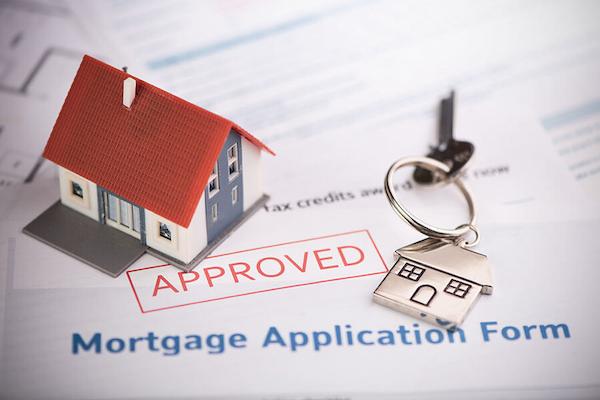
The lender reviews your application. They check if you meet all the criteria. This process takes time. Usually, a few weeks. During this period, be patient and responsive to any requests from the lender.
Once approved, you move to the closing phase. Here final paperwork is signed. Closing involves fees. So understand and ask about them.
Communicate and understand this waiting period. It helps ensure a smooth approval and closing process for your non-qualified mortgage.
Signing The Agreement
The agreement is also known as the closing document. It includes the final terms of your loan. Read through each page. Don’t hesitate to ask questions.
It’s not just about putting your signature. It’s about understanding and agreeing to the terms. Be aware of any fees. Ensure everything aligns with what you expect.
Communicate and thoroughly review during this signing phase. It ensures a successful and confident closing of your non-qualified mortgage.
Closing Costs
You’ll encounter closing costs. Closing costs include various fees. For example, appraisal, title search, and insurance. It’s important to understand these costs upfront to avoid surprises.
The lender provides a Closing Disclosure document. It outlines all the expenses. Take time to review and ask questions about each cost.
Some costs are standard. Others can be negotiated or reduced. Be aware of closing costs. It ensures you’re financially prepared. It also contributes to a smoother closing process for your non-qualified mortgage.
Final Checks
Conduct some essential final checks. Review the Closing Disclosure document provided by the lender. It details all the costs and terms.
Double-check that the interest rate, loan amount, and other specifics align with what you expect. Confirm that you understand and are comfortable with the closing costs. Ensure your finances are ready to cover these costs.
Perform these final checks. It ensures transparency. It also helps avoid any last-minute surprises. It contributes to a successful and stress-free closing process for your non-qualified mortgage as a whole.
FAQs
1. What Is A Non Qualified Mortgage?
A non-qualified mortgage is a home loan for people with unique financial situations. It doesn’t follow the standard rules set by the government. Lenders consider more factors to help those who cannot qualify otherwise.
2. What Credit Score Do You Need For A Non-Qm Mortgage?
Your credit score is similar to a report card for loans. Some lenders are okay with “fair” grades around 600. While others prefer “good” grades near 700. So talk to them about the score your dream home needs!
3. What Is Not Allowed On A Qualified Mortgage?
Certain risky features are not allowed. It makes it safer for borrowers. Things like interest-only payments and balloon payments. Here, you pay a large amount in the end. You are not allowed to ensure fair and manageable home loans.
Conclusion
Now you must have become confident about how to apply for a non qualified mortgage. Applying for a non-qualified mortgage is showing the bank your full financial story. You gather documents. Prove your income. Then share special circumstances.
Remember, honesty is key. After submitting your application, patiently wait for approval. Review the terms carefully. Ask questions, and understand any closing costs.
With these steps, you’re on your way to making your dream of owning a home a reality. Keep being responsible with your money. Thus, you’ll score that home goal!