Personal Financial Specialist (PFS): Exams & Career Paths

Are you thinking about managing money better? Or are you planning to pursue a career in financial planning? Personal Financial Specialists (PFS) can be the answer in both scenarios!
A Personal Financial Specialist (PFS) is a certification for CPAs specializing in personal financial planning. This designation, granted by the AICPA, requires expertise in tax planning, estate planning, retirement, and investments. It’s ideal for those seeking comprehensive financial advice.
When you want to make smart money moves, a PFS is the one you need to talk to. Ready to learn more about what they do? Let’s dive in!
Key Takeaways
- Specialized Credential: The Personal Financial Specialist (PFS) designation is an elite certification for CPAs specializing in financial planning.
- Eligibility Criteria: Requires CPA status, 75 hours of specific financial education, and 3,000 hours of planning experience.
- Career Advancement: Earning a PFS designation enhances credibility and can lead to better career opportunities and higher income.
- Continuing Education: PFS designees must engage in ongoing professional education to maintain their certification and stay updated.
- Extensive Experience: A prerequisite of 3,000 hours of financial planning experience ensures PFS professionals are well-versed in their field.
What Is A Personal Financial Specialist(PFS)?
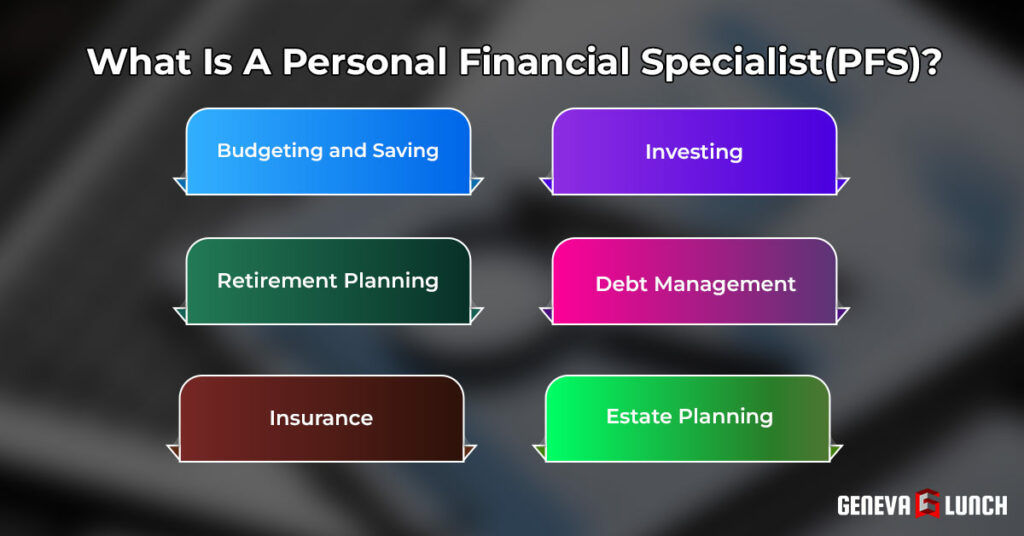
A PFS is a CPA with extra expertise in personal finance. The AICPA grants the PFS designation to CPAs. They must complete a challenging education, take an exam, and gain experience in personal financial planning.
Here’s what a PFS can typically help you with:
- Budgeting and Saving
- Investing
- Retirement Planning
- Debt Management
- Insurance
- Estate Planning
They can also assist you in developing financial goals and creating a plan to achieve them. A PFS can provide ongoing support and guidance as your financial situation evolves.
It’s important to note that a PFS is distinct from a Certified Financial Planner (CFP). While there is some overlap in the areas they cover, CFPs are not required to be CPAs. CFPs must follow a fiduciary standard and are legally bound to act in their client’s best interests.
What Does A PFS Charterholder Typically Do?
A PFS charterholder typically works as a financial advisor. They specialize in helping people and families manage their money. They create and use personalized financial plans. Their tasks vary. Here’s a breakdown of their typical duties:
- Budgeting and Saving: They can help you create a budget that fits your income and expenses. They can also make plans to save for short- and long-term goals.
- Investing: PFS charterholders can help you develop an investment strategy. It will be based on your risk tolerance and financial goals. They can also guide you in selecting appropriate investment vehicles.
- Retirement Planning: They can help you assess your retirement needs. And they can help you make a plan to save enough for retirement.
- Debt Management: PFS charterholders can assist you in creating a plan to manage and pay down debt.
- Insurance: They can help you assess your insurance needs and recommend appropriate coverage for life, health, disability, and property.
- Estate Planning: PFS charterholders can work with you. They can help you develop an estate plan to ensure your assets go to your wishes after death.
PFS charterholders play a crucial role. They help people navigate the complexities of personal finance and reach their financial goals.
Requirements For Personal Financial Specialist (PFS) Certification
Becoming a Personal Financial Specialist (PFS) involves several essential steps. These steps ensure that every PFS can provide expert financial advice to their clients. Let’s look at what it takes to earn this prestigious certification.
Educational Requirements
The journey to becoming a PFS starts with a solid education in finance. Candidates must have a valid CPA (Certified Public Accountant) license. This shows they know complex financial and accounting rules.
Additionally, they need to complete 75 hours of personal financial planning education. This education covers vital areas, including estate planning, insurance, investing, and tax planning. These courses prepare candidates to handle a wide range of personal financial matters.
Experience Requirements
Practical experience is crucial for a PFS. Candidates must get at least 3,000 hours of verified experience in financial planning, which often involves working with clients.
You craft plans to meet their long-term goals. Candidates learn to apply their theory in real scenarios through this hands-on practice. You tailor advice to each client’s needs.
Examination Requirements
Candidates must pass a challenging test that covers all aspects of personal financial planning. This exam tests a candidate’s expertise in financial planning processes, tools, and techniques.
It ensures that the candidate can competently advise clients on various financial matters. In some cases, a candidate may get a waiver if they have already shown extensive knowledge through their CPA credential and work history.
Continuing Education
PFS certification is about more than passing a test and gaining initial experience. It requires ongoing education. A PFS must complete at least 60 hours of continuing education every two years.
These courses keep professionals current by covering the latest financial laws, technologies, and best practices. Continuous learning is essential to providing the most accurate and effective financial advice.
Code Of Ethics
Ethical conduct is the cornerstone of the PFS designation. All candidates must follow a strict code of ethics emphasizing professionalism, confidentiality, integrity, and honesty. This code ensures that PFS professionals commit to high behavior standards. They must put their clients first and maintain trust in financial advising.
Personal Financial Specialist (PFS) Exam Structure
The PFS exam is vital for accountants. It helps them specialize in personal financial planning. Understanding the structure, content, and preparation methods can significantly improve the chance of passing the exam.
Exam Format
The PFS exam is typically administered in a multiple-choice format. It includes a set number of questions that must be answered within a specified time frame, usually around four hours. The exam assesses a candidate’s knowledge and ability to apply financial planning principles in real-world scenarios.
Exam Content Outline
The PFS exam covers a lot. It includes all major areas of personal financial planning. This includes:
- Estate Planning: Understanding how to manage and transfer assets effectively to beneficiaries.
- Retirement Planning: Strategies for saving and distributing funds for retirement.
- Investment Management: Knowledge of different investment vehicles and strategies to maximize returns while managing risk.
- Risk Management and Insurance: Assessing insurance needs and selecting appropriate policies.
- Tax Planning: Strategies to minimize tax liability and maximize compliance.
Each exam section requires candidates to show theory and its use.
Study Materials And Resources
To prepare for the PFS exam, candidates can utilize various resources:
- AICPA PFS Study Guide: The American Institute of CPAs (AICPA) provides a comprehensive study guide for the PFS exam.
- Online Courses: Several online platforms offer courses that focus on the specific content areas of the PFS exam.
- Practice Exams: These can help candidates learn the format and types of questions. They will encounter them.
- Books and Publications: Numerous books cover the detailed aspects of personal financial planning.
Exam Registration Process
Registration for the PFS exam involves several steps:
- Verify Eligibility: Ensure you meet the education and experience requirements.
- Register with AICPA: You can register online through the AICPA website.
- Schedule the Exam: After registration, you will receive information on scheduling your exam at a testing center near you.
Tips For Passing The Exam
Passing the PFS exam requires thorough preparation. Here are some tips to help ensure success:
- Plan Your Study Time: Set a schedule that covers all topics thoroughly.
- Focus on Weak Areas: Concentrate more on areas where you feel less confident.
- Practice Regularly: Regular practice with sample questions and exams will help you understand the exam pattern. It will also help you manage your time well.
- Join study groups. You will engage with peers who are also preparing for the exam. They can provide support and extra insights.
- Stay Updated: Ensure you are updated with the latest laws and regulations, which are frequently tested.
Core Competencies Of A Personal Financial Specialist (PFS)
A Personal Financial Specialist (PFS) has many skills to help you manage your money. They know a lot about financial planning. This includes planning for retirement, handling estates, and figuring out taxes.
Financial Planning
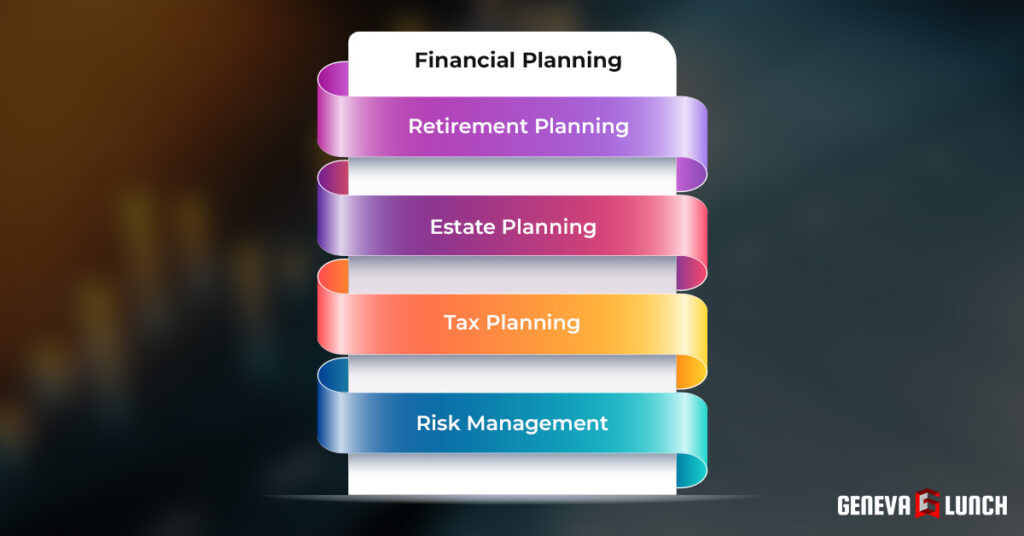
Financial planning means making plans for your money to meet your life goals. A PFS helps you see where your money goes and how to save more. They allow you to plan for significant expenses and ensure you can pay for your needs as you age.
1. Retirement Planning
Retirement planning is a big part of what a PFS does. They help you figure out how much money you need to retire comfortably. This includes looking at your savings, planning how much to save each year, and choosing the right places to keep your savings.
2. Estate Planning
Estate planning is all about deciding what happens to your money and property when you are no longer here. A PFS helps you write a will, set up trusts, and ensure your wishes are clear. This helps your family avoid problems and ensures your wishes are followed.
3. Tax Planning
Tax planning involves understanding the tax rules and using them in the best way. A PFS helps you lower your taxes legally. They look at your income and expenses to find the best ways to reduce what you owe in taxes each year. This can help you save a lot of money over time.
4. Risk Management
Risk management is about protecting yourself from things that could hurt your finances. A PFS looks at risks like losing your job or getting sick. They suggest ways to protect yourself, like insurance or an emergency fund. When something bad happens, you and your family will be okay.
Investment Strategies
Investment strategies are plans to help you grow your money over time. A PFS can guide you in picking suitable investments based on your needs and the risks you are comfortable with.
1. Asset Allocation
Asset allocation is about spreading your investments across different types of assets like stocks, bonds, and cash. This mix helps you reduce risk and aim for good returns. A PFS helps you find the right balance based on how much risk you want to take and when you need the money.
2. Portfolio Management
Portfolio management involves carefully picking and managing investments. A PFS monitors your portfolio to ensure it meets your goals and adjusts your investments when needed to keep things balanced and aligned with your plan.
Insurance Planning
Insurance planning ensures you have the right insurance to protect you and your family. A PFS looks at what you need, like life or health insurance, and helps you choose the best options.
This planning helps you feel safe, knowing you and your loved ones are covered in tough times.
Roles And Responsibilities Of A Personal Financial Specialist (PFS)
PFS charterholders wear many hats. They act as financial coaches, advisors, and strategists for their clients. Their core responsibilities encompass a wide range of financial planning services, including personal finance, tax planning, estate planning, retirement planning, and so on.
Personal Financial Planning
A PFS expert focuses heavily on personal financial planning. This process begins with a comprehensive assessment of the client’s current financial status, including income, debts, investments, and other financial commitments.
The PFS then helps the client set realistic financial goals, whether it’s saving for retirement, buying a home, funding education, or managing investments.
Tax Planning And Management
Tax planning and management are crucial for optimizing a client’s financial profile. A PFS provides expert advice on minimizing tax liabilities through strategic planning, including understanding the impact of investment choices on taxes.
It means making the most of deductions and credits and planning for future taxes based on today’s financial decisions. Tax professionals ensure clients follow tax laws and use strategies to cut taxes. This is especially important for those with complex finances.
Estate Planning
Estate planning involves preparing to transfer a client’s assets when they die or become incapacitated. A PFS helps clients draft wills, set up trusts, and make estate and end-of-life decisions that fit their wishes.
This process includes advising on how to save assets for heirs. It also covers cutting estate taxes and ensuring the estate is administered as the client wants. This role is crucial in preventing legal issues and family disputes over inheritance.
Retirement Planning
Retirement planning is another important service provided by a PFS. This includes assessing the client’s income needs in retirement and devising strategies to meet those needs.
A PFS helps clients understand retirement accounts. It explains each account’s benefits and limits and how to get the most from these investments. The PFS also adjusts the retirement planning as things change to ensure clients can retire comfortably with the needed resources.
Risk Management And Insurance Planning
Risk management is vital for protecting against unexpected life events. A PFS assesses the risks you may face, such as illness or accidents, and suggests ways to protect against these risks.
They help you choose the right insurance policies. These include life, health, and property insurance. This planning ensures that you and your family’s finances will be safe if adverse events happen.
Investment Planning
Investment planning is another critical service provided by a PFS. They analyze your financial goals, time horizon, and risk tolerance to suggest the best investment strategies. It’s stocks, bonds, and mutual funds.
A PFS guides you on where to invest to maximize returns while cutting risks. They keep track of market trends and adjust your investment plan to align it with your financial goals.
Client Relationship Management
A PFS doesn’t just manage money; it manages relationships. Effective client relationship management involves understanding clients’ needs, communicating regularly, and maintaining trust.
A PFS ensures they can answer questions and adjust financial plans as their clients’ lives change. This ongoing engagement helps build a solid client-advisor relationship, which is crucial for successful financial planning. The ties must last a long time.
Personal Financial Specialist (PFS) In Different Financial Sectors

A Personal Financial Specialist (PFS) plays a crucial role in various financial sectors. They are experts in personal financial planning, knowledgeable about many areas, and provide tailored advice and strategies for each industry.
Public Accounting
In public accounting, PFS professionals help individuals and businesses manage their finances more effectively. They offer tax planning, risk management, and financial statement analysis services.
They have a deep knowledge of tax and accounting rules, which makes them invaluable to clients who want to optimize their financial performance and compliance.
Corporate Finance
PFS professionals work in corporate finance. They focus on managing a company’s finances to maximize shareholder value. They are involved in budgeting, financial forecasting, and strategic planning.
They advise on investments, manage risks, and ensure that the company’s financial practices match its long-term goals.
Financial Advisory Firms
In financial advisory firms, PFS experts provide personalized financial planning services to clients. They help people understand their finances and make plans to reach their goals, which include saving for retirement, buying a home, and paying for education.
Clients need expert guidance on portfolio management, estate planning, and other matters. Their advice is crucial.
Wealth Management
Wealth management is a specialized area. PFS professionals offer advice to high-net-worth individuals and families tailored to preserving and growing wealth. They handle complex financial portfolios and focus on investment, tax, and estate planning, ensuring the best management of significant assets.
Non-Profit Organizations
In non-profit organizations, PFS professionals help manage finances. They focus on sustainability and the group’s mission and goals. They provide expertise in fund allocation, budget management, and financial reporting. Their financial strategies aim to maximize the impact of donations and grants. They also ensure the organization’s long-term viability.
Benefits Of Earning The Personal Financial Specialist (PFS) Designation
Earning the Personal Financial Specialist (PFS) designation brings many benefits. It boosts your skills and knowledge in personal finance. It also enhances your professional standing. Here’s how gaining this certification can positively impact your career:
Career Advancement Opportunities
The PFS credential opens doors to a broader range of career opportunities in the financial services industry. Here’s how:
- Specialization: The PFS designation allows you to specialize in personal financial planning, a high-demand field with a growing client base.
- Leadership Roles: Your expertise can qualify you for leadership positions. These are in financial planning firms or wealth management teams.
- Independent Practice: The PFS designation empowers you. It lets you establish your financial planning practice. You can cater directly to your clients.
Enhanced Credibility And Trust
The PFS designation has strict requirements and deep knowledge. It raises your credibility and inspires trust among potential clients. Here’s why:
- Demonstrated Expertise: The PFS credential shows your commitment to ongoing education and ability to stay current on the latest financial trends.
- Ethical Standards: As a PFS charterholder, you must follow a strict code of ethics. It assures clients that you put their best interests first.
- Confidence and Authority: The designation empowers you to give financial advice with more confidence. It helps you project authority in the field.
Higher Earning Potential
PFS professionals often command higher salaries compared to non-credentialed financial advisors. Here’s how the designation can translate to financial gain:
- Increased Value Proposition: Your expertise is better, so you can charge higher fees. The fees reflect the value you bring to clients.
- Attracting High-Net-Worth Clients: The PFS designation positions you to attract clients with more complex financial needs. This often leads to higher fees.
- Greater Demand: More people want financial planners. Being a planner could be more lucrative.
Networking Opportunities
The PFS community provides valuable networking opportunities that can benefit your career:
- Industry Connections: The PFS designation grants you access to a network of other financial professionals. They foster collaboration and potential referrals.
- Professional Development Events: The AICPA and others offer PFS-specific conferences and events. These events allow you to connect with peers and industry leaders.
- Mentorship Opportunities: The PFS network can connect you with experienced professionals. They can guide your career growth.
Access To Exclusive Resources
The AICPA offers PFS charterholders a range of exclusive resources to enhance their practice:
- Continuing Education Programs: The AICPA provides access to special education programs. These programs are designed to keep your knowledge current and cover evolving rules and best practices.
- Practice Management Tools: The PFS designation grants access to tools and resources. They can streamline adding clients, managing portfolios, and other tasks.
- Research and Guidance: The AICPA offers ongoing research reports, white papers, and guidance documents on relevant financial planning topics.
Challenges And Drawbacks Of Being A Personal Financial Specialist (PFS)

Being a Personal Financial Specialist (PFS) has many benefits, but there are also challenges and drawbacks. Let’s examine what makes this career path demanding.
Rigorous Requirements
To become a PFS, you must first be a Certified Public Accountant (CPA). This means passing a tough exam and meeting strict professional standards. After that, you must fulfill specific financial planning education and experience requirements.
These rigorous requirements ensure that only highly qualified professionals earn the PFS title, but they also create a high barrier to entry.
Time Commitment
The journey to becoming a PFS requires a significant time investment. In addition to getting your CPA, you must do 75 hours of personal financial planning education.
You also need to get 3,000 hours of financial planning experience. This process can take several years, during which you need to balance work, study, and personal life.
Financial Cost
Becoming a PFS involves various expenses. These include fees for the CPA and PFS exams, educational courses, and licensing. Maintaining your designation also requires ongoing membership dues and fees for continuing education. These financial costs can add up, making it a considerable investment.
Keeping Up With Continuing Education
Regularly complete continuing education (CE) requirements to maintain the PFS designation. This means staying updated with the latest changes in financial planning, tax laws, and other relevant areas. Keeping up with CE demands ongoing time and money. It requires a commitment to lifelong learning.
Building A Career As A Personal Financial Specialist (PFS)
Choosing a career as a Personal Financial Specialist (PFS) opens doors. It leads to a rewarding job in financial planning. This role involves assisting clients in managing and growing their financial assets effectively. It’s a path for those good at finance. They want to improve others’ financial health.
Career Pathways
The path to becoming a PFS can vary. But, it typically follows a structured journey from education to certification and beyond.
1. Early Career Steps
- Education and Licensing: The first step is to get a good education in finance, accounting, or a related field. Aspiring PFS professionals must also hold a CPA (Certified Public Accountant) license. This requires passing the CPA exam and meeting state rules.
- Gain Experience: Initial experience in accounting or financial planning is crucial. These roles involve tax planning, estate planning, and financial management. They can provide practical skills and a deep understanding of advising.
- Certification: After meeting the education and experience requirements, candidates must pass the PFS exam. Or, they can meet specific criteria set by the AICPA. AICPA stands for American Institute of Certified Public Accountants. This certification is critical to advancing in this career path.
2. Mid-Career Transitions
- Specialization: They can choose to specialize in areas such as retirement planning. They do this to cater to niche markets and improve their expertise and marketability.
- Building a Client Base: Developing a solid client base is crucial. This often involves networking. It means delivering great client service and using marketing to get new clients.
- Continuing Education: PFS holders must stay current on the latest financial laws, regulations, and strategies. This is key for keeping the PFS designation and giving the best advice. Engaging in ongoing professional education and attending industry conferences can help.
- Leadership Roles: With experience, PFS professionals can move into senior roles at financial firms or start their own consulting businesses. These businesses focus on strategic client management and business growth.
Job Opportunities
As a PFS, you’ll find various job opportunities across different sectors. The demand for personalized financial advice makes this a robust career choice.
Potential Employers And Job Markets
Personal Financial Specialists are needed in many places:
- Financial advisory firms: These are the most common workplaces for PFS professionals. They give tailored financial advice to clients.
- Banks and financial institutions: Many banks offer personal and wealth management services requiring a PFS’s expertise.
- Corporate finance departments: Large companies often hire financial specialists. They manage wealth and plan for the future.
- Self-employment: Many PFS professionals open their practices, offering services directly to clients.
Professional Growth
Building a career as a PFS requires continuous professional growth. This is crucial for staying relevant and advancing in this dynamic field.
Networking Opportunities
Networking plays a vital role in the growth of a PFS career. Attending industry conferences, seminars, and local events can help you meet peers. You can learn about the industry’s latest trends and connect with potential mentors.
Professional Organizations
Joining professional organizations is another critical component of career development for a PFS:
- American Institute of CPAs (AICPA): This organization offers resources for PFS credential holders. It has professional development courses and networking events.
- Financial Planning Association (FPA): It gives members access to educational resources, professional development events, and networking opportunities, which help them grow in their careers.
Resources For Aspiring Personal Financial Specialist (PFS) Professionals
Are you thinking about becoming a Personal Financial Specialist (PFS)? Many resources can help you succeed. You have many options to prepare for and advance in your career, ranging from studying materials to networking.
AICPA (American Institute Of CPAs) Resources
The AICPA offers many resources for those aiming to earn the PFS designation. These include detailed guides on who is eligible, the application process, and what to expect from the PFS exam. The AICPA also offers education programs and webinars. These are crucial for exam prep and professional growth.
Online Courses And Study Materials
Many educational platforms offer online courses specifically designed for PFS candidates. These courses cover all critical parts of personal financial planning.
They include investments, insurance, retirement, and estate planning. You get study materials. They include video lectures, practice questions, and case studies. They help you understand and use financial planning principles.
PFS Exam Prep Books
Various exam prep books are available to help candidates prepare for the PFS exam. These books include study tips, practice questions, and detailed reviews of exam content areas. They are crucial to understanding the required depth of knowledge and for practicing using concepts in exam-like scenarios.
Professional Networking Groups
Joining professional networking groups can provide significant benefits. These groups connect PFS candidates and professionals. They help the exchange of knowledge and experiences.
Networking events are valuable. This is true whether they are online or in person. You can learn from seasoned PFS holders and stay updated on industry trends and changes.
Mentorship Programs
Mentorship programs are highly beneficial for aspiring PFS professionals. These programs pair you with experienced PFS holders. They can guide you through preparing for the exam and advancing your career. Mentors provide insights. They also give advice and encouragement. These things are crucial for professional growth and success.
Future Of The Personal Financial Specialist (PFS) Designation
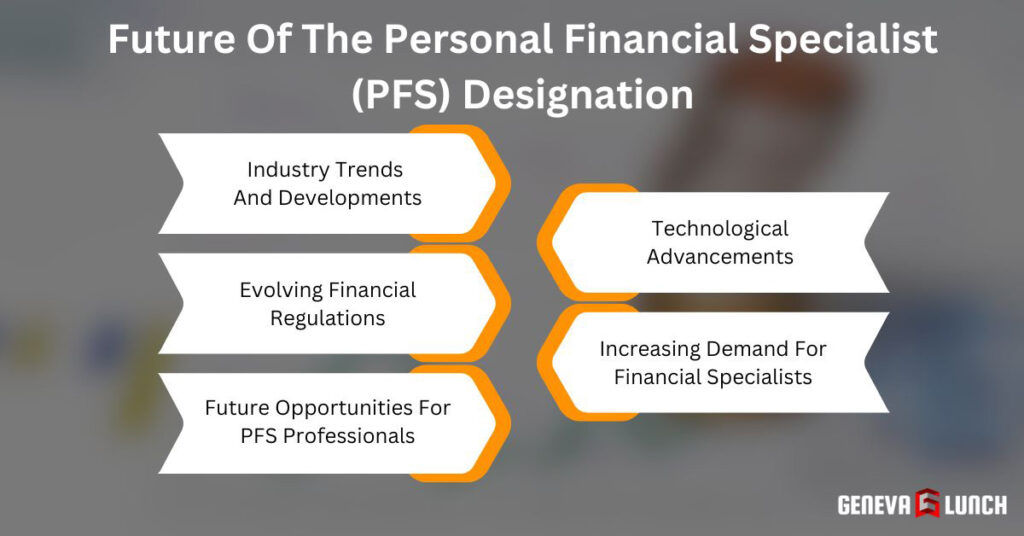
The PFS designation is evolving in the finance industry. It reflects changes in tech, rules, and market demands. This forward-looking perspective ensures that PFS professionals remain relevant and highly valued.
Industry Trends And Developments
The financial industry is rapidly changing. More clients now expect personalized financial advice that covers all aspects of their finances.
This shift demands that PFS professionals be well-versed in finance and understand client needs more deeply. The trend is toward holistic financial planning, which is pushing PFS holders to keep adapting and growing their expertise.
Technological Advancements
Technology plays a huge role in shaping the future of PFS professionals. The advent of financial software and tools means PFS professionals can offer better services. They will be more accurate and efficient.
AI and machine learning are starting to automate data analysis. This lets financial specialists focus more on strategy and less on crunching numbers. Staying abreast of these advancements is crucial for any PFS seeking a competitive edge.
Evolving Financial Regulations
Financial regulations constantly evolve, and staying updated is critical for PFS professionals. Changes in tax, retirement, and estate laws can significantly affect financial planning. PFS professionals must keep up with these changes to provide clients with the most current and compliant advice.
Increasing Demand For Financial Specialists
The population is aging, and the financial world is becoming more complex. Therefore, the demand for skilled financial specialists is rising.
More than ever, people need help managing retirement funds, investments, and taxes. The PFS designation certifies expertise and integrity. It is becoming more valuable and recognized in the industry.
Future Opportunities For PFS Professionals
The future holds promising opportunities for PFS professionals. Personal finance is becoming more complex, and global populations are getting richer. Thus, the need for specialized financial advice is growing. PFS professionals are well-positioned to lead in niches.
This includes retirement planning for older adults, tax advice for freelancers and entrepreneurs, and wealth management for rich people.
Embracing lifelong learning is key to adapting to new technology and rules and capitalizing on these opportunities.
FAQ
What Is The Cost Of Obtaining The PFS Designation?
The cost of obtaining the PFS (Personal Financial Specialist) designation varies based on required courses and exam fees. Typically, expenses range from $1,000 to $3,000, including study materials and AICPA membership dues. This investment ensures expertise in personal financial planning.
What Are The Key Differences Between PFS And CFP?
The key differences between a PFS and a Certified Financial Planner (CFP) lie in their prerequisites and focus areas. A PFS requires a CPA license and emphasizes accounting and tax strategies. A Certified Financial Planner (CFP) covers broader financial planning without needing a CPA license.
Is The PFS Designation Recognized Internationally?
The PFS (Personal Financial Specialist) designation is recognized mainly in the United States, with varying international recognition. Globally, some financial institutions may acknowledge its standards, making it beneficial for advisors providing expertise in personal financial planning.
How Does PFS Certification Impact Client Trust?
The PFS certification significantly boosts client trust by demonstrating an advisor’s advanced expertise in personal financial planning. Clients are likely to trust and choose certified professionals who adhere to high ethical standards, ensuring reliable and expert financial guidance.
How Can I Find A Mentor In The PFS Field?
To find a mentor in the PFS field, engage with professional finance networks, attend industry conferences, or join specific financial planning associations. Also, leveraging online forums and LinkedIn groups can connect you with experienced PFS professionals willing to mentor emerging advisors.
How Long Does It Take To Become A PFS?
Becoming a PFS (Personal Financial Specialist) typically requires a CPA license, plus 75 hours of personal financial planning education and 3,000 hours of experience. Depending on one’s pace in meeting the educational and experiential requirements, the entire process can take several years.
Final Word
A Personal Financial Specialist, or PFS, is a type of financial advisor with expert money management skills. They help people plan for their future, manage taxes, and save for retirement.
They are like guides who ensure you make the best choices with your money. There are many types of financial advisors, and a PFS knows about taxes and planning. A PFS would be the right choice if you need financial help.