What is A Mortgage Buyback?

Consider a mortgage as borrowing money to buy a house; the place is a guarantee you give the bank until you pay it back. Let’s learn what is a mortgage buyback in this in-depth article.
Imagine you bought a video game from your friend with money borrowed from your sibling. Later, you sell the game to someone else, but your sibling can take the game back if that person can’t keep up with the payments.
That’s like a mortgage buyback, where the bank can take the house back if the new owner can’t handle the payments.
The current holder is generally an institutional investor with mortgage-backed securities (MBS).
It occurs primarily when origination documents are discovered to be fraudulent or faulty. This involves misrepresentations of the mortgagor’s creditworthiness or the property’s appraised value. Explore the reasons and implications behind mortgage putbacks. Do this in the context of MBS.
How Mortgage Buybacks Work

Let’s learn in detail how mortgage buybacks work.
Lender’s Perspective
From the lender’s perspective, mortgage buybacks occur when they repurchase loans from investors. This happens due to issues like breaches, defects, or misrepresentations. This process helps address concerns raised by investors and fulfills contractual obligations.
The lender can undergo evaluations, negotiations, and settlements during this complex process. This minimizes risks and maintains market credibility.
Borrower’s Perspective
From a borrower’s perspective, mortgage buybacks are mainly indirect. They don’t have a direct impact. Borrowers generally keep making payments to their lenders. The terms of their mortgage stay the same.
Mortgage buybacks can indirectly affect borrowers. They do this through potential changes in the lending landscape or loan servicing. This can happen if the buybacks are linked to broader issues. For example, loan defaults or misrepresentations.
Typical Scenarios
Some typical scenarios of mortgage buyback are as follows:
- A loan default occurs when the borrower fails to make payments. This leads to investor demands for buyback.
- Misrepresentations: Issues like fraudulent documentation or misrepresented borrower information.
- Regulatory Compliance: Violations of regulatory requirements trigger investor requests for buybacks.
- The lender breaches the representations and warranties made during loan origination. That breach is a contractual breach.
- Underwriting Issues: Loans need help to meet agreed-upon underwriting standards.
These scenarios prompt investors to seek mortgage buybacks. They do this to address potential financial risks. They also maintain the integrity of mortgage-backed securities.
Reasons for Mortgage Buybacks

There are 3 reasons for mortgage buybacks. They are as follows:
Loan Default
When people don’t repay their home loans, it can cause trouble in mortgage-backed securities investments.
Like the person holding these investments, the investor can think there’s something wrong with the original loan. If there’s a problem, they can ask the first lender to take back the loan.
This helps protect the investor from losing money because of loan issues.
Contractual Violations
Let’s imagine you and your friend making promises to each other, like saying you’ll trade your cool toys. There can be a problem if one of you doesn’t keep their promise. In lending money for homes, it’s like this:
Misinterpretations in Loan Documentation: The person who lends money for homes can ask for the loan back if they find out the information is wrong.
Not Following the Rules: Imagine you and your friend have rules for trading toys, such as they need to be in good condition. The lender can request them back if the toys (loans) don’t meet those rules.
False Claims: Your friend brags about their toy being super powerful, but it’s not. They can want their toy (loan) back if the person lending money discovers the false claims.
Breaking the Rules (Regulatory Requirements): Just like you and your friend have rules for trading, there are rules for lending money for homes. The lender can ask for the promises (loans) back if these rules are broken.
So, a mortgage buyback is like ensuring everyone sticks to their promises and follows the rules, so no one loses if things don’t go as planned.
Regulatory Compliance
Imagine you and your friends have some trading rules. In lending money for homes, concerned groups also set rules. It can lead to a mortgage buyback if the people giving out the loans don’t follow these rules.
Following Guidelines for Borrower’s Safety: Just like you need to play safely, grown-ups have rules to ensure people borrowing money for homes stay financially safe. The lenders can have to take them back if the loans don’t meet these rules.
Being Honest about Loans (Truth in Lending Act – TILA): Imagine you promised to trade toys but didn’t tell your friends about hidden rules. In the lending world, there’s a rule, TILA, i.e. lenders must be honest about loan terms.
They must take back the loans if they don’t follow this rule.
Treating Everyone Fairly: Like in your group, everyone must be treated fairly. They can be asked to repay the loans if the people lending money break this rule.
Following Special Rules for the Loan Process: There are specific rules about how loans are turned into investments. The ones who invested money can request the loans back if these rules aren’t followed.
So, a mortgage buyback is like ensuring everyone plays fair, follows the rules, and keeps the lending system safe and honest.
Read this article to know how to stop mortgage calls.
Process of Mortgage Buybacks
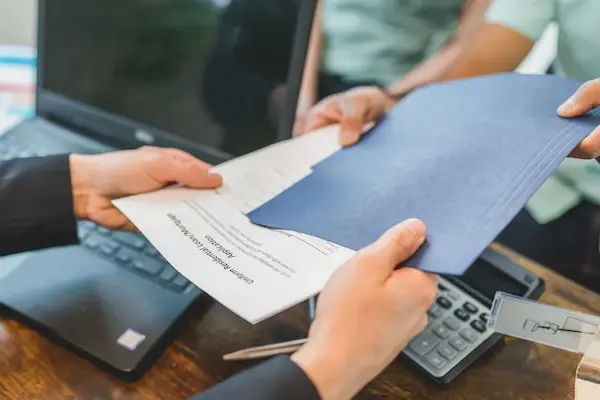
A vital step in the mortgage buyback process is identifying defective loans. Lenders and investors review their portfolios to pinpoint significant defects or violations.
These can include fraudulent documents, misrepresenting borrower info, or not meeting underwriting guidelines. Identifying these issues enables lenders to take prompt corrective measures. This minimizes possible risks related to flawed loans.
Notification
The people who gave them out need to be told about it in the mortgage buyback process if there’s something wrong with the loans. Then, the lender requests a buyback.
A formal letter generally conveys this. It can include a detailed report outlining the loan defects.
The report explains the reasons for the buyback request. It also allows the seller to review and respond to the allegations.
Key considerations during the notification and buyback request:
- Articulate reasons for the buyback, providing supporting evidence.
- Specify a deadline for the seller to respond to the request.
- Keep a respectful and professional tone in all communications.
- Adhering to a proper notification and request process is crucial. It ensures a seamless and efficient mortgage buyback process.
Repurchase Agreement
Imagine you and your friend make a deal. Your friend agrees to take it back and give you a good one instead if s/he gives you a toy that turns out to be broken or not as described.
This deal is like a promise to fix things if there’s a problem. In lending money for homes, there’s a similar deal called a repurchase agreement or “putback.”
Here’s how it works:
Making a Deal Between Friends (Lender and Investor): Imagine the person who first lends you money (lender) and your friend who invests money (investor) make a special agreement.
They agree that the lender promises to take it back if there’s something wrong with the loan, like lies or mistakes.
Fixing the Broken Toy (Troublesome Loan): They can ask the lender to take it back, just like you’d ask your friend to exchange a broken toy if the investor discovers a problem with the loan.
Protecting the Investor: This agreement is like a safety net for the investor. It ensures they don’t lose money if there are issues with the loan.
The lender has to fix the problems by taking back the loan, just as your friend promised to replace the broken toy.
So, a repurchase agreement is like having a deal with your friend to swap toys if there’s something wrong. It’s a way to ensure everyone keeps their promises and things are fair.
Resolution Options
When there are issues, the lender and investor talk to find solutions in a mortgage buyback, standard resolution options include:
- Repurchase: The lender returns the problematic loan from the investor to fix the issues.
- Price Adjustment: They talk about paying less money for the problematic loan to make up for the risks the investor took.
- Loss Sharing means sharing financial losses related to the defective loan between the lender and the investor.
- Alternative Remedies: They look for other ways, like changing the loan or how it works, to fix the problems they found.
What happens next depends on how bad the problems are, how much money is involved, and what the lenders and investors agreed upon initially. The goal is to reach a fair and beneficial resolution for both parties.
Implications of Mortgage Buybacks

The implications of mortgage buybacks are as follows:
Financial Impact
Imagine friends swapping toys, but some are broken. In mortgages, loans can have issues.
The lender pays back money like fixing a broken toy, avoiding investor losses. It costs money and affects reputation, like dealing with toy troubles.
It’s a tricky market with rules to follow.
Credit Score Effects
Let’s imagine borrowing money is like getting grades for how well you handle your toys (loans). It affects the credit scores of those who borrowed the money if there are loan problems. Here’s how:
Broken Toy Consequences (Borrower Credit Impact): It’s like saying the borrower didn’t play fair if the person who lent the money finds problems with the loan. It can impact the credit scores of the people who borrowed the money.
Report Card for Borrowing (Loan Default and Credit Reporting): It’s like getting a bad grade on their report card if the borrowers can’t repay the money (loan default). This bad grade stays on their report for a long time.
Losing Your Favorite Toy (Foreclosure Consequences): It’s like losing a favorite toy if the person who borrowed the money can’t pay it back, and the lender takes back the house. This can hurt their credit score.
Bad Marks on Your Report (Credit History Implications): Problems with the loan, like late payments, are like getting bad marks on your credit report. It can make your borrowing history look not so good.
Stricter Rules for Toy Borrowing (Challenges in Future Borrowing): Teachers (lenders) think they cannot play well with toys if people have trouble paying back the borrowed money.
In the future, lenders can ask for stricter rules because they think the person is riskier.
So, it’s essential for people who borrow money for homes to know that not paying back loans on time can affect their credit scores, like a report card for borrowing money.
Being responsible with payments is like getting good grades for playing with toys!
Legal Consequences
When people have problems with their toy (loan), they must follow rules to fix it. Here are some possible rule consequences:
Agreement Break-Up: They can go to court to solve the problem if the original lender and the investor can’t agree on the toy’s condition, which can be time-consuming and costly.
Rule Trouble: Sometimes, breaking the rules about toys can lead to punishment from the toy police (government), with investigations, fines, or other penalties for lenders and investors.
Toy Fairness Issues: The toy owners can get mad and sue for being mistreated, especially if they weren’t given suitable toy information or if rules about toys are broken.
Toy Rating Problems: Companies that rate how good they are can say they’re not as good anymore if toys have problems. This can lead to more problems for everyone.
Dishonesty Claims: They can face legal problems if the company that gave the toy lied or did something wrong, and people can sue them for dishonesty.
Toy Manager Trouble: The company caring for the toy can get in trouble if they don’t do a good job or break the rules.
Everyone involved in toy problems needs to read and understand the rules they made. They need to talk to a toy lawyer to avoid rule issues if they have questions or concerns.
The consequences will depend on each case and the toy (loan) rules.
Preventing Mortgage Buybacks
The best practices for preventing mortgage buybacks are as follows:
Best Practices for Borrowers
To avoid toy problems (mortgage issues), borrowers need to:
- Tell the truth when applying for the toy (loan).
- Pay on time like a responsible toy owner.
- Understand the toy rules (loan terms).
- Talk to the toy manager (loan servicer) if there are problems.
- Read and ask questions about toy papers (loan documents).
Borrowers also need to:
- Check their money report (credit report).
- Be careful about unfair toy practices (lending practices).
- Get help from toy experts (legal professionals) if needed.
- Pay attention during home check-ups (appraisals).
- Learn about toys (mortgages) and their rights.
Asking for advice from money or legal experts is a good idea if there are worries.
Lender Risk Mitigation
Lenders need to make sure each loan they give out is high-quality to avoid having to take the loans back. This means making sure all the information is correct and on time.
They must also follow all the rules from those who invest in the loans and the government.
Regulatory Compliance
Lenders must prioritize regulatory compliance to avert mortgage buybacks. It ensures that every step in getting a loan follows the rules set by the government and those who invest in it. It mitigates the risk of issues that prompt buyback requests.
FAQs
1. How does a Mortgage Buyback Work?
In a mortgage buyback, lenders take back loans from investors due to issues like providing incorrect information. This involves discussions and agreements to solve problems, reduce risks, and maintain a good market reputation.
2. Who can Benefit from Mortgage Buybacks?
Mortgage buybacks help investors and lenders. When there are loan problems, investors are protected by making the original lender fix them. This allows lenders to maintain a good market reputation and follow the agreed-upon rules.
3. Are Mortgage Buybacks Common in Real Estate?
Yes. In real estate, mortgage buybacks are common with mortgage-backed securities. Lenders take back loans from investors if there are problems or rule violations, helping to fix issues and ensure safety.
Conclusion
Now, from the whole discussion, it’s clear what is a mortgage buyback and all other relevant details associated with it. Still, let’s recap.
A mortgage buyback, or putback, occurs when a lender repurchases an investor’s mortgage. This generally happens due to misrepresentations, defects, or breaches of contractual agreements.
This complex financial operation is initiated to address concerns raised by investors. It will mitigate risks and maintain market credibility.
Mortgage buybacks play a crucial role in upholding the integrity of mortgage-backed securities. They ensure transparency and accountability within the real estate finance landscape.