Capital Budgeting: Process, Methods, Challenges And Examples

Businesses face choices. They can invest in a new marketing campaign, upgrade equipment, or expand into a new market. But with limited resources, how do they decide which projects deserve the green light?
Capital Budgeting is a critical financial process that involves evaluating and selecting long-term investments that are worth more than their cost. This method prioritizes projects based on their potential to increase a company’s value, focusing on cash flows, timing, and risk analysis.
Let’s dive into the world of capital budgeting. We’ll see how it can turn your business dreams into reality.
Key Takeaways
- Investment Decisions: Helps companies assess potential projects, weighing expected returns against costs for long-term profitability and strategic alignment.
- Risk Assessment: Evaluate the uncertainty of future cash flows, providing insights to mitigate risks through sensitivity and scenario analyses.
- Resource Allocation: Optimizes allocation of limited capital resources to projects that offer the highest potential returns and strategic benefits.
- Decision-Making Tools: Techniques like NPV, IRR, and payback period provide frameworks for comparing and selecting the most profitable projects.
- Cash Flow Forecasting: Estimating future cash flows is crucial for determining project viability and ensuring investments generate sufficient returns.
What Is Capital Budgeting?
Businesses use capital budgeting to plan and manage large investments or projects. It helps them pick which investments will yield good returns and improve profits. Companies usually consider projects.
These include buying new equipment, expanding operations, or launching new products. To do this, they carefully estimate future costs and benefits. This way, they can choose projects that will bring more value than they spend.
Why Is Capital Budgeting Important For Businesses?
Capital budgeting is crucial for a business. It affects the business’s long-term financial health and success. Here’s why it’s so important:
- Maximizes Profits: Capital budgeting helps businesses pick projects that will bring in more money than they cost. It ensures they invest in projects that increase profits.
- Strategic Growth: This process lets companies invest in projects that fit their long-term goals. It helps them grow and build a stronger market presence.
- Manages Risk: Businesses can avoid risky investments by analyzing risks and returns and focusing on projects that are more likely to succeed.
- Efficient Resource Allocation: Limited funds need to be used wisely. Capital budgeting ensures resources go to projects with the best returns. It prevents wasted investments.
- Clear Decision-Making: It provides a framework for comparing projects. It helps businesses make better investment choices.
The Capital Budgeting Process
Capital budgeting helps companies decide where to invest their money, seek the best returns, ensure that projects align with business goals, and generate strong profits. The process has steps to evaluate investment ideas and choose the best ones.
Overview Of The Steps Involved

Capital budgeting includes initial screening, a feasibility study, and final approval. These steps help companies analyze investments. They do so before spending much money.
1. Initial Screening
This step quickly checks if a project fits the company’s goals. Does it offer strong profits? Will it take a reasonable amount of time to complete? The company looks at early cost estimates and how much the project can earn. This quick assessment helps eliminate ideas that could be more practical.
2. Feasibility Study
After passing the initial screening, a feasibility study digs deeper into the project. It examines costs, revenue forecasts, technical needs, and possible risks. The study compares scenarios. It sees how the project performs under different conditions. This detailed analysis helps the company see if the project is worth doing.
3. Final Approval
When the project passes the feasibility study, it needs approval. Senior managers review all the data and decide whether to proceed. They consider the project’s value, fit with business goals, and potential challenges. Once they approve, the project receives funding, and planning begins.
Key Stakeholders In The Process
Successful capital budgeting requires input and participation from various stakeholders across different departments. Here are some of the key players involved:
- Project Initiators: They are the people or departments who find investment opportunities. They propose opportunities for consideration. This could include department heads, engineers, or product development teams.
- Project Sponsors: These individuals champion specific projects and advocate for their approval. They often provide resources and support. These help move the project through the capital budgeting process. Sponsors could be senior managers, executives, or department heads.
- Financial Analysts: Financial analysts play a key role. They evaluate if projects are financially viable. They use many capital budgeting techniques. They use them to assess things. These include project costs, expected cash flows, and risks.
- Project Teams: The project’s complexity determines whether a dedicated team is formed. This team will conduct feasibility studies, gather data, and plan projects. It could involve people from various departments, including engineering, marketing, and operations.
- Senior Management: Senior management, including the CEO and CFO, has the final say. They approve projects, review project proposals, examine the financial analysis and risk assessments, and then make a decision.
Timeframe For Capital Budgeting Projects
The timeframe for capital budgeting projects can vary a lot. It depends on their size, scope, and complexity. Here’s a breakdown of some factors that influence the timeline:
- Project Complexity: Such projects require a longer budgeting process. They are bigger and cost more to start. The process includes many studies. They will cover detailed finances and need many approvals. This will extend the timeline.
- Data Availability: Data availability affects speed. The analysis is faster with data on project costs and market demand. However, getting new data or doing market research can slow it down.
- Internal Approval Process: External factors Companies with streamlined processes decide faster. They will be faster than those with multiple layers of approvals.
- External Factors: External factors can cause delays. They include things like regulatory approvals or getting permits.
Methods Of Capital Budgeting
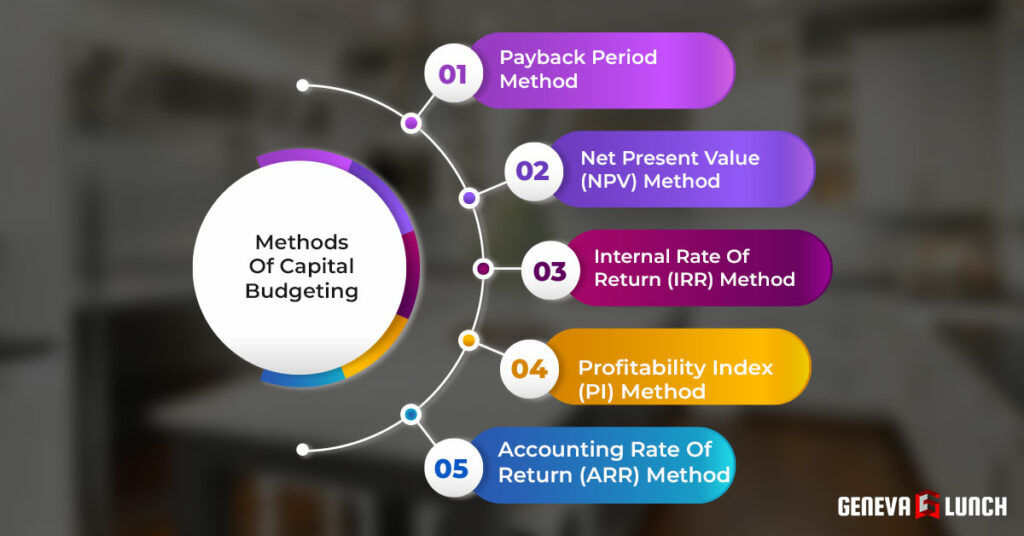
Capital budgeting is a process that helps companies plan long-term investments. It’s crucial to select the right projects to drive business growth effectively. Financial advisors are important in this process, offering insights that guide better investment decisions. Here are five key methods that companies use to assess potential investments:
1. Payback Period Method
The payback period method shows how long it takes for an investment to pay back its initial cost. The goal is to find the time it takes for the cash inflows to match the initial expense. This method is simple to use and understand.
Shorter payback periods make projects more attractive. They let the company recover its investment quickly. However, this method doesn’t consider cash flows after the payback period. It also doesn’t account for the time value of money.
2. Net Present Value (NPV) Method
The NPV method measures an investment’s profitability. It does this by comparing the present value of future cash inflows to the initial cost. When the NPV is positive, the project will likely be profitable and worth pursuing.
This method accounts for the time value of money. It makes it a more accurate tool for evaluating investments. However, detailed cash flow forecasts and an appropriate discount rate are needed. This complexity can make it hard to calculate.
3. Internal Rate Of Return (IRR) Method
The IRR method identifies the discount rate that invests NPV zero. In other words, it’s a project’s expected rate of return.
When the IRR exceeds the company’s required rate of return, the project is deemed profitable. This method helps compare different projects, but it can be misleading if cash flows fluctuate greatly or multiple IRRs exist.
4. Profitability Index (PI) Method
The PI method measures the value created per dollar of investment. It’s calculated by dividing the present value of future cash inflows by the initial cost. A PI greater than 1 means the project is profitable.
It helps prioritize projects when funds are limited. However, it uses assumptions similar to those in the NPV method, requiring accurate cash flow estimates.
5. Accounting Rate Of Return (ARR) Method
The ARR method calculates a project’s return by dividing the average annual profit by the initial investment. It’s expressed as a percentage, making it simple for managers to understand.
This method is simple, but it ignores the time value of money. It relies on accounting profits, not cash flows, which can lead to bad evaluations.
Factors Influencing Capital Budgeting Decisions
Companies use capital budgeting when they decide to invest in a new project, such as building a new factory or updating their technology. This process helps them determine which projects are worth the money and effort.
Risk Analysis
Corporate governance ensures fair capital investments and stresses risk analysis. This key part of capital budgeting involves identifying pitfalls.
It means assessing their likelihood of success in any project. The governance team assesses financial risk. They check whether a project threatens the company’s resources or is a secure investment.
What Are The Types Of Risks Involved In Capital Budgeting?
There are several risks to consider in capital budgeting:
- Market Risk: This happens when demand for the product changes. This change is due to economic factors or competition. Once fewer people want the product, the project could lose money.
- Financial Risk: This is about money. It involves rate changes. Or problems getting the funding for the project.
- Operational Risk: This involves issues in the project’s day-to-day running. It could involve supplier problems, equipment breakdowns, or the need for more skilled workers.
- Political and Legal Risk: These risks come from changes in laws. They could affect the project. For example, new taxes or regulations could increase costs or delay the project.
Techniques For Risk Analysis
To manage these risks, companies use several techniques:
- Sensitivity Analysis: This examines how changes in key factors like costs and sales affect the project. It helps identify which factors most impact the project’s success.
- Scenario Analysis: This involves thinking about possible situations and planning what to do for each. For example, what if the cost of materials increases or a new competitor enters the market?
- Simulation Models: These use computers to create detailed models of what can happen with a project. They can show different outcomes based on different risks.
- Break-even Analysis: This determines how much a company needs to sell to cover the project’s costs. It helps understand the risk of needing to make more money.
Cost Of Capital
The cost of capital is what it costs a business to fund an investment project. It’s important because it acts as the minimum return a project must generate to be worthwhile.
When a project’s return is higher than the cost of capital, it adds value to the business. The cost of capital reflects an investment’s risk level, and it’s essential for comparing projects.
Weighted Average Cost Of Capital (WACC)
The Weighted Average Cost of Capital (WACC) is a company’s overall cost of funding. It blends the cost of debt (loans, bonds) and equity (stock) based on their relative sizes.
When a business has more debt than equity, debt’s lower cost reduces the WACC. However, too much debt increases risk. Companies use WACC to determine whether a project meets or exceeds their cost of capital.
Determinants Of Cost Of Capital
Several factors affect the cost of capital. Key determinants include:
- Interest Rates: Higher interest rates increase borrowing costs, raising the cost of debt.
- Market Conditions: Investors demand higher returns because of uncertainty. So, the cost of equity rises.
- Business Risk: High-risk businesses pay more to attract investors and secure loans.
- Debt-Equity Mix: More debt reduces costs if managed well. But, it can lead to higher rates if not. Understanding these factors helps businesses strategize their financing and manage project costs.
Project Size And Scale
Project size and scale play a huge role in capital budgeting. Big projects mean high investments and risks but can also offer big rewards. Companies must consider the resources and time required.
For instance, a new factory will need significant funding, equipment, and a workforce. Businesses must ensure they can meet these demands. Any mistake can cause big losses.
Economic Conditions
Economic conditions affect every investment. When the economy is growing, consumers spend more. Businesses can expect higher returns from their projects. But in a recession, people cut back on spending, and returns shrink.
This makes capital budgeting crucial. Companies test current trends, looking at inflation and unemployment rates to understand how the economy can impact their investments.
Regulatory Environment
The regulatory environment also influences capital budgeting. Governments create rules that companies must follow, covering the environment, safety, and taxes. These rules can affect project costs and timelines.
For example, a new factory may need more permits. More equipment is needed to meet emission standards. Understanding these regulations is crucial to predicting costs and avoiding legal issues.
Risk Analysis In Capital Budgeting
When discussing capital budgeting, we need to look at the risks involved. This means thinking about what could go wrong with an investment. It’s also about how that affects the company.
Risk analysis helps a company see these problems before they happen. This helps the company make better decisions and avoid losing money.
Types Of Risks
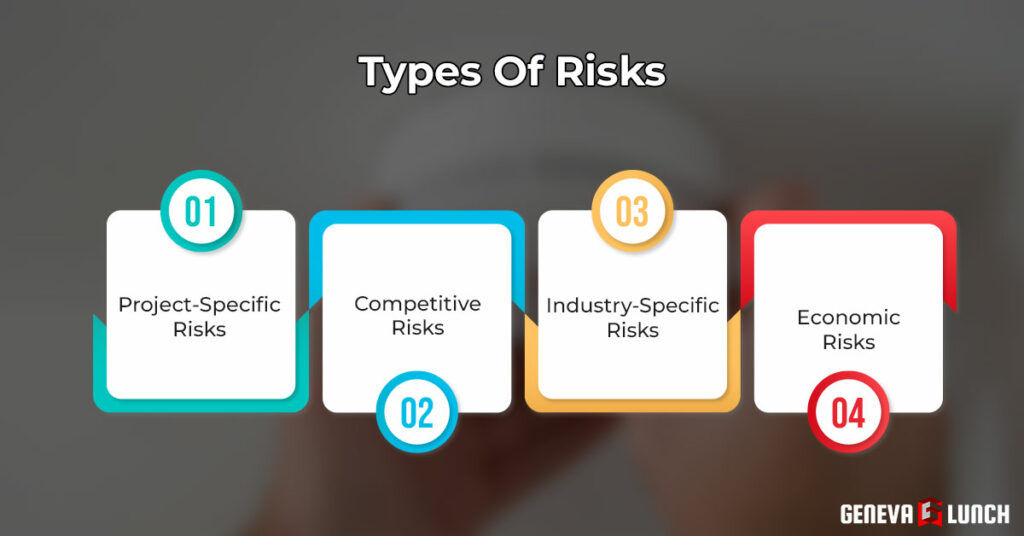
In capital budgeting, risks are classified into different types. Knowing these types helps managers make smarter choices and prepare for problems that may arise.
Project-Specific Risks
Project-specific risks are risks that affect only one particular project. They can include delays in the project schedule and going over budget.
Technical issues can also prevent the project from working as planned. For example, if a company builds a new factory, there may be delays. These could be due to bad weather or materials arriving late.
Competitive Risks
Competitive risks occur when other companies threaten the success of a project. For example, when one company launches a new product, another may release a better or cheaper one. This can reduce the expected sales and profits from the project.
Industry-Specific Risks
Industry-specific risks affect the whole industry in which a company operates. These could be changes in laws, new regulations, or tech changes. They affect all companies in that industry. For example, a new law limiting emissions could increase manufacturing companies’ costs.
Economic Risks
Economic risks are big-picture risks that affect the entire economy. These can include inflation, interest rate increases, or a recession. An unstable economy can make it hard for a company to predict costs and profits.
What Are the Techniques Used In Quality Risk Assessment?
Quality risk assessment is crucial in capital budgeting. It helps spot and measure the different risks a project can face. Some common techniques include sensitivity analysis, scenario analysis, and Monte Carlo simulation. Let’s examine each method to see how it helps manage risks.
Sensitivity Analysis
Sensitivity analysis tests how changes in one factor affect the project. The factor could be project costs or revenue.
For example, if material costs increase, this analysis shows how much profit the project could lose. Managers can plan for these changes and adjust the project to minimize losses.
Scenario Analysis
Scenario analysis looks at how a mix of factors can affects a project. The factors include the economy and competitor activity. It focuses on one variable.
It creates different scenarios, like best-case, worst-case, and most likely cases. Imagining these futures helps companies make flexible plans. They can adjust if the future changes.
Monte Carlo Simulation
Monte Carlo simulation uses computers. It simulates thousands of possible outcomes for a project. The computer mixes different inputs, including costs and revenues, based on their likelihood.
It uses them to predict many possible results, giving a realistic picture of the project’s challenges. This helps managers understand the risk and make better choices.
Capital Budgeting In Different Sectors
Capital budgeting is important in many sectors of the economy. It helps businesses decide how to spend their money on big projects that can help them grow. Each sector uses capital budgeting in a way that fits its specific needs and challenges.
Manufacturing Sector
In manufacturing, companies often buy new machines and expand their factories to produce more goods. This helps them choose which machines or expansions will add the most value.
They need to consider the costs of new equipment, the savings from using newer, more efficient tech, and how these investments will meet customer demand.
Technology Sector
Capital budgeting focuses on developing new products and upgrading existing ones. This is for technology companies. These businesses must decide how much to invest in research and development.
They must also consider the profits from new technologies and software. The key is to keep innovating and stay ahead of competitors.
Healthcare Sector
Healthcare organizations use capital budgeting. They do this to improve their facilities and buy better equipment. This sector must balance high costs.
The costs are for cutting-edge medical tech but benefit patient care. Budgeting decisions can directly affect the quality of treatment and services patients receive.
Energy Sector
In energy, capital budgeting involves big projects. These include building new power plants or upgrading old ones to be greener. Changes influence these decisions in environmental policies.
They are also influenced by global energy demand. Companies must plan carefully to ensure the profitability of their investments. The market is changing rapidly.
Retail Sector
Retail companies use capital budgeting. They use it to open new stores or renovate old ones. They do this to attract more customers.
They also invest in technology to improve online shopping experiences. The challenge is to choose investments that will increase sales. They must also meet the changing preferences of consumers.
Challenges And Pitfalls In Capital Budgeting
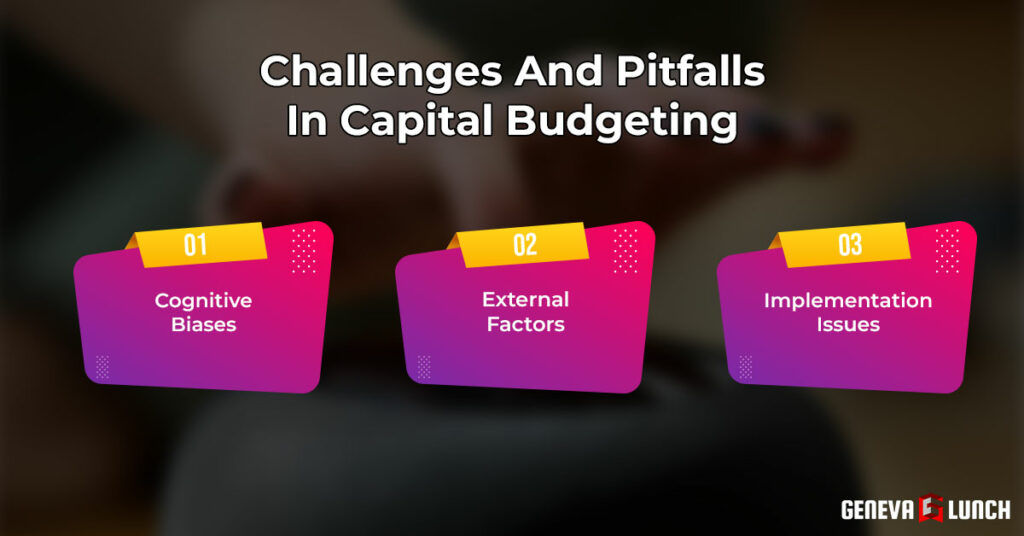
Capital budgeting aids companies in choosing which major projects to fund. This decision-making process involves challenges and requires careful analysis. A financial advisor for budgeting can help spot these biases, providing an objective viewpoint that ensures investment decisions align with company goals.
Cognitive Biases
Cognitive biases affect the way we think and decide. Even smart managers can fall into these traps. Here are three common biases in capital budgeting:
1. Confirmation Bias
Confirmation bias happens when people look for information that supports their beliefs and ignore what doesn’t.
In capital budgeting, a manager can focus only on data showing a project will succeed and overlook signs it may fail. This can lead to bad decisions because the manager needs to see the full picture.
2. Overconfidence Bias
Overconfidence bias is when people are too sure about their knowledge and skills. Capital budgeting can make a manager too certain that a project will work well. They can underestimate the risks and overestimate the benefits, leading to investment in projects that could be better.
3. Anchoring Bias
Anchoring bias occurs when people rely too much on the first piece of information they get. In capital budgeting, this can be the initial cost estimate or a past project’s success.
This first piece of info has too much influence on their decision, which can prevent them from adjusting their plans when new, more accurate information comes along.
External Factors
External factors are things outside the business that impact how capital budgeting works. They aren’t easy to predict, and businesses must always be aware of them to make smart investment decisions. Here are a few examples.
1. Economic Uncertainty
When the economy is unstable, it’s tough to predict profits. A downturn can reduce demand for your product or service, shrinking expected returns. Even rising inflation can erode profit margins by increasing costs. This uncertainty makes it hard to forecast if an investment will pay off.
2. Regulatory Changes
New laws or rules can impact business investments. For example, new environmental rules may force businesses to upgrade equipment. This would raise costs. This can impact the profitability of projects. Companies must be aware of these changes to avoid financial setbacks.
3. Technological Disruptions
Tech disruptions can quickly change entire markets. New technology could make your current equipment obsolete, requiring new investments. This makes it essential to keep up with tech trends. It is key when planning long-term investments. Failing to consider this can lead to losses and wasted resources.
Implementation Issues
Implementing a capital budgeting project involves many steps. Miscommunication, complete data, and clear goals can create clarity and delays. Teams may miss deadlines or waste resources due to bad planning, leading to financial losses and frustration.
1. Resource Constraints
Capital budgeting projects require a lot of resources, including money, time, and skilled workers. When a company doesn’t have enough resources, projects can be delayed or abandoned. Poor budgeting may also cause underfunding to hit key areas, hurting quality and profitability.
2. Resistance To Change
When companies invest in new projects, employees often worry about changes to their work. They can resist new technology, processes, or methods. This resistance can cause delays and extra costs, making it tough to finish projects on time and within budget.
3. Monitoring And Evaluation
Once a project starts, tracking progress and measuring results is key to staying on course. Without good monitoring, it’s hard to see if a project meets its goals. Evaluation helps find problems early. It lets teams fix them before they grow. But bad tracking can waste money and resources.
What Is The Process Of Capital Decision-Making?
Capital budgeting is about figuring out where to spend your company’s money. The following are the processes of capital budgeting in decision-making.
Behavioral Finance Aspects
Behavioral finance helps us understand why people make, at first, illogical decisions. It examines psychology and economics to explain how emotions and mental mistakes influence investors. This is vital in capital budgeting. Big money decisions are at stake.
Cognitive Biases In Decision-Making
Cognitive biases are like mental shortcuts or habits. They can influence your thinking and lead to bad capital budgeting choices. Here are a few common ones:
- Anchoring: This happens when you rely too heavily on the first piece of information you hear. For example, if a project’s cost starts high, any lower cost will seem good.
- Overconfidence: This is when someone is too confident about their knowledge or control over a situation. It can make a manager ignore risks or not plan for unexpected changes.
- Confirmation Bias: This is when people look for information that confirms their existing beliefs and ignore what doesn’t. This means focusing on data that supports a project. It means ignoring risks.
Overcoming Biases
Knowing about these biases is important to make better capital budgeting decisions. You should work to avoid them. Here’s how:
- Seek Diverse Opinions: Talking to different people can provide new perspectives and challenge your initial thoughts.
- Review Past Decisions: Review previous decisions and their outcomes. This can help you see where your biases can have affected outcomes.
- Use A Systematic Approach: Stick to a defined process when evaluating projects. This helps reduce the influence of emotions and gut reactions on important financial decisions.
Role Of Corporate Governance
Corporate governance plays a vital role in capital decision-making. It ensures that when a company spends large amounts of money, it does so fairly and wisely. Good corporate governance involves a team of directors. They are not part of the company’s daily operations.
This team helps make unbiased decisions about where to invest the company’s money. They also ensure that the company follows all laws and acts in the best interests of its shareholders. This helps maintain trust and support from investors. They keep the business thriving.
Ethical Considerations
Ethical considerations are also key in capital decision-making. Companies must consider more than just profits. They should consider the impact of their investments on the environment, including the employees and the community.
For example, a company can decide against building a factory in a location. It would do so if the factory could harm the local wildlife or cause too much pollution. Ethical decision-making helps companies avoid harmful projects.
These projects can make money, but they would cause harm. This approach avoids legal issues. It also builds a good reputation for the company with consumers and the wider community.
FAQs
How Does Capital Budgeting Differ From Regular Budgeting Processes?
Budgeting Processes?
Capital budgeting differs from regular budgeting, focusing on evaluating long-term investments like new projects or equipment. It involves forecasting future cash flows and analyzing profitability, while regular budgeting typically manages routine expenses and revenues within shorter fiscal periods.
What Are The Main Goals Of Capital Budgeting?
The main goals of capital budgeting are to evaluate potential investment projects, prioritize them based on expected returns, and allocate resources efficiently. This process aims to maximize a company’s profitability, minimize risks, and align investments with long-term strategic objectives.
How Does The Cost Of Capital Impact Capital Budgeting Decisions?
The cost of capital influences capital budgeting decisions by setting the minimum return that projects must achieve to be profitable. When a project’s expected return exceeds the cost of capital, it’s accepted; otherwise, it’s rejected, ensuring optimal allocation of financial resources.
What Are Some Factors To Consider When Choosing The Right Capital Budgeting Method?
When choosing the right capital budgeting method, consider factors like cash flow timing, risk assessment, cost of capital, and project profitability. Evaluate each method’s ability to provide accurate ROI insights, align with strategic goals, and reflect the project’s economic impact accurately.
How Does Capital Rationing Affect Capital Budgeting Decisions?
Capital rationing affects budgeting decisions by limiting the amount of capital available for investments. This constraint forces firms to prioritize projects based on profitability, risk, and strategic fit, ensuring that the most beneficial and value-adding projects receive funding first.
How Does Sensitivity Analysis Help In Evaluating Capital Budgeting Projects?
Sensitivity analysis helps evaluate capital budgeting projects by revealing how changes in key variables, like cost or revenue, impact profitability. This insight helps identify potential risks and allows decision-makers to prepare more robust strategies for uncertain financial outcomes.
Final Words
In conclusion, capital budgeting is crucial for businesses that plan to invest in new projects. This process uses finance methods, such as Net Present Value (NPV) and Internal Rate of Return (IRR), to pick the best projects. But making decisions is hard because of risks and uncertain future cash flows.
Successful examples show that companies can make smart investments. They do so with careful planning and thorough financial analysis, leading to growth and profit. Capital budgeting is vital for any business aiming to thrive and expand in a tough market.