What Is Finance? Types, History, Careers & Management Strategies

Every day, we deal with money, whether it’s deciding on a small purchase or planning for our future savings. These personal decisions connect to a broader economic picture that shapes our world. That’s where finance comes into play. So, what exactly is finance?
Finance is all about how we manage our money, including saving money, investing it to grow, getting loans, and planning for the future. It plays a crucial role in both personal lives and the global market, influencing everything from daily purchases to large-scale economic policies.
In this article, we’ll dive into the question of what is finance. Well cover different types of finance, its history, the various career paths it offers, and strategies for managing money effectively.
Key Takeaways
- Definition of Finance: Finance is the management of money, including activities such as investing, borrowing, lending, budgeting, saving, and forecasting.
- Types of Finance: Finance is categorized into three main areas: public finance, corporate finance, and personal finance.
- Historical Development: The history of finance spans thousands of years, from ancient civilizations using barter systems to modern complex financial markets.
- Career Opportunities: Finance offers a variety of careers, from investment banking and portfolio management to financial planning and analysis.
- Management Strategies: Effective management strategies in finance include understanding and applying various portfolio management tactics and adhering to sound financial planning principles.
What Is Finance?
Finance involves managing money and using it to meet both personal and business goals. It covers saving, lending, and investing funds. In this section, we will look at the importance of finance in modern life and provide an overview of the finance category.
Importance Of Finance In Modern Life
Finance plays a crucial role in our daily lives. It guides how individuals save for the future, businesses expand, and governments provide for their citizens. Through finance, people can plan for education, retirement, and emergencies.
For example, if you invest $5,000 in a mutual fund with an average annual return of 8%, in 20 years, your investment would grow to about $23,304 without any additional contributions. This demonstrates the power of compound interest and the importance of long-term investment strategies.
Overview Of The Finance Category
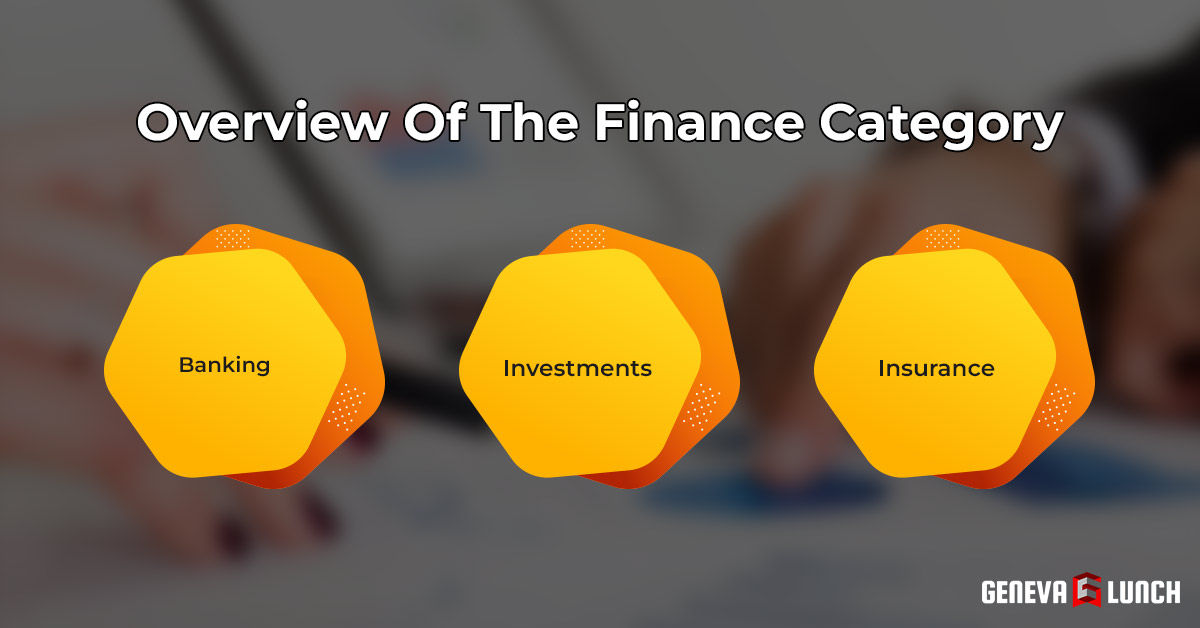
The finance category encompasses various areas, including banking, investments, insurance, and more.
- Banking: Manages money through deposits and loans.
- Investments: Involves buying assets like stocks and bonds to build wealth.
- Insurance: Protects against unforeseen financial losses.
Understanding these areas allows individuals and organizations to manage their money better and achieve their financial objectives.
History Of Finance
The history of finance traces the evolution of financial systems and practices from ancient times to the present day. It reflects changes in economic activities, trade practices, and technological advancements that have influenced how societies manage and exchange resources. Here’s a timeline highlighting key milestones in the history of finance:
- 3000-2000 BC: In ancient Mesopotamia, temples stored grain and other goods, functioning like banks.
- 600 BC: The kingdom of Lydia, now part of Turkey, began using metal coins, making trade easier.
- 4th Century BC: Greeks established banks that exchanged money and offered loans.
- 14th Century: The Medici Bank in Italy innovated many banking practices, like branch banking and double-entry bookkeeping.
- 17th Century: Sweden’s Riksbank was established in 1668, followed by the Bank of England in 1694, setting the foundations for modern central banking.
- 18th Century: The Amsterdam Stock Exchange opened in 1602, with others in London and New York opening later.
- 19th Century: The Industrial Revolution spurred the growth of banking and finance, adapting to new business needs.
- 1930s: The economic crash led to significant financial regulations in the U.S., including the creation of the FDIC and SEC.
- 1971: The U.S. stopped linking the dollar to gold, leading to floating exchange rates.
- Late 20th Century: Technological advances and deregulation helped integrate global financial markets.
- 21st Century: The 2008 financial crisis brought new regulations, and innovations like cryptocurrencies began emerging.
This timeline shows the evolution of finance from ancient times to the modern day, highlighting how financial practices and institutions have developed to meet changing economic needs.
Fundamentals Of Financial Management
Financial management is critical for both individuals and businesses. Good financial management ensures that there is always enough money for necessary expenses, investments for growth, and savings for future goals.
What Is Financial Management?
Financial management is about making smart choices with money. It involves creating plans for how to spend, save, and invest funds to achieve financial goals. This process helps in preparing for expenses, making investments wisely, and saving for the future.
Effective financial management means having a clear understanding of one’s financial position and making informed decisions to maintain or improve it.
Financial Statements Analysis
Financial statements are reports that show how money is moving within a business or between businesses. They are crucial for understanding financial health.
Balance Sheet
The balance sheet is a snapshot of a company’s financial condition at a specific point in time. It lists all assets (what the company owns), liabilities (what it owes), and equity (the owner’s share).
This helps in understanding the company’s stability, operational efficiency, and financial flexibility at that moment.
Income Statement
The income statement, also known as the profit and loss statement, outlines the company’s revenues and expenses over a period. It shows how the business performed financially during that time, highlighting whether it made a profit or incurred a loss.
This information is essential for assessing the company’s profitability and operational success.
Cash Flow Statement
The cash flow statement details the cash inflows and outflows from operations, investing, and financing activities. It’s a crucial statement because it shows how well a company manages its cash.
It indicates the company’s ability to pay debts, return money to shareholders, and fund its operations without needing additional external financing.
Budgeting And Forecasting
Budgeting and forecasting are about planning future financial activities based on past and present data. For example, a small business forecasts a 20% sales increase after a marketing boost. They plan to increase their advertising budget by $2,000 to drive this growth.
Budgeting involves creating a detailed plan for spending money over a specific period, ensuring that there is enough money for necessary expenses. Forecasting uses historical data to predict future financial conditions and performance, helping in strategic planning and decision-making.
Risk & Risk Management In Finance
Risk management in finance is identifying, assessing, and prioritizing risks followed by coordinated application of resources. It is to minimize or control the impact of unexpected events.
What Are The Types Of Risks In Finance?
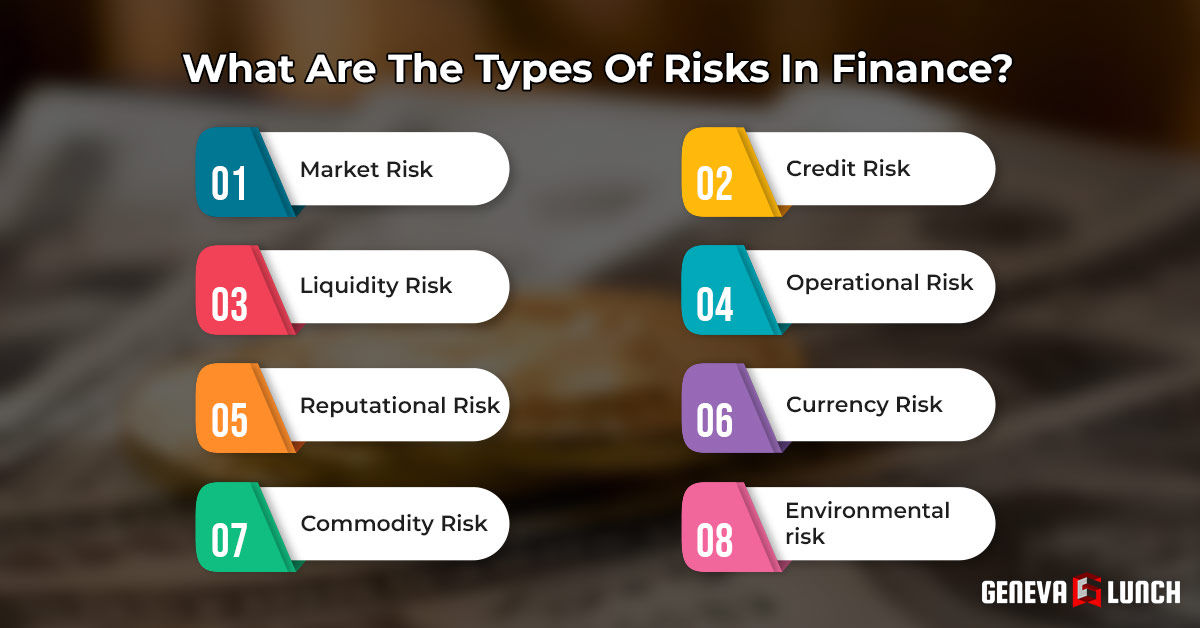
There are various types of risks in Finance including market risk, credit risk, liquidity risk, operational risk, reputational risk, currency risk, commodity risk, and other risk. Here’s a list of them:
Market Risk
Market risk is the chance of losing money because the prices in financial markets go up or down. This includes changes in stock prices, interest rates, and commodity prices. When you own stocks and their prices fall, you could lose money.
Credit Risk
Credit risk is when the person or company that borrowed money does not pay it back. This can happen with loans, mortgages, or any other type of borrowing. The banks and lenders often face this risk when they lend money.
Liquidity Risk
Liquidity risk arises when an asset cannot be sold quickly enough in the market to prevent a loss. It affects the ability to meet short-term obligations.
This type of risk can disrupt daily operations and financial stability if not managed properly. It often leads investors to prefer more liquid assets, which may limit opportunities for higher returns.
Operational Risk
This includes risks from failed internal processes, people, and systems or from external events. It encompasses a range of risks such as fraud, legal risks, and disasters.
These risks can cause significant disruptions and financial losses for companies. Effective management and internal controls are crucial to mitigate operational risks.
Reputational Risk
Reputational risk involves the risk of damage to a firm’s reputation. This can result in financial losses. The firm can also face withdrawals of customers and clients, further impacting the firm’s profitability and market position.
Maintaining a strong reputation is essential for long-term success, as it influences customer loyalty and investor confidence.
Currency Risk (Exchange Rate Risk)
Currency risk, or exchange rate risk, happens when the value of one currency changes against another. When you have money in one currency and it gets weaker compared to another currency, you lose value.
This risk is particularly relevant for companies operating in multiple countries or those that rely on foreign suppliers. Hedging strategies such as currency forwards and options can be used to manage exchange rate risk.
Commodity Risk
This risk is related to changes in the price of commodities such as oil, metal, or agricultural products. It can affect the cost of raw materials and therefore, the profitability of companies.
Volatility in commodity prices can be influenced by a variety of factors including geopolitical events, changes in supply and demand, and regulatory changes.
Other Risks
Other risks include things like legal risks, where a company may lose money because of lawsuits or fines. There’s also strategic risk, which is when a company’s plans do not work out, like launching a new product that fails.
Environmental risks, like natural disasters, can also cause big losses.
Risk Assessment And Mitigation
Risk assessment involves identifying potential risks and assessing their impact. Mitigation strategies are then developed to manage or eliminate the risks. This includes diversifying investments, developing contingency plans, and purchasing insurance.
For example, a company could diversify its investment portfolio by allocating 40% to stocks, 40% to bonds, and 20% to real estate. This reduces its vulnerability to a downturn in any single market.
What Is Personal Finance?
Personal finance is about managing your money carefully and wisely. It involves saving for the future, spending money in a smart way today, and making plans to achieve your financial goals. Let’s take a look at different aspects of personal finance.
Personal Budgeting Techniques
Budgeting is a plan for how to spend your money each month. It helps you make sure you have enough money for the things you need and the things that are important to you.
Zero-Based Budgeting
Zero-based budgeting is when you plan to use all your income each month. You assign every dollar a job, such as paying for living expenses, saving, or paying off debt.
For example, if your monthly income is $3,000, you might allocate $1,000 to rent, $600 to groceries and utilities, $400 to savings, $300 to car payments, and $700 to other expenses like insurance and leisure.
This ensures every dollar is accounted for and serves a specific purpose.
Envelope System
The envelope system involves dividing your cash into envelopes for different spending categories like groceries, entertainment, or gas. Once the cash in an envelope is gone, you stop spending in that category until next time.
Suppose you earn $2,500 a month. You may put $500 in the groceries envelope, $200 in the entertainment envelope, $150 for gas, and $300 for dining out. Once an envelope is empty, you can’t spend any more from that category until the next refill.
This method physically limits your spending and helps prevent overspending.
50/30/20 Rule
The 50/30/20 rule is a simple way to budget. You spend 50% of your income on necessities like housing and food, 30% on wants like dining out and hobbies, and save or invest the remaining 20%.
For example, with a monthly income of $4,000, you would use $2,000 (50%) for necessities like rent and utilities, $1,200 (30%) for wants like gym memberships and dining out, and $800 (20%) would go into savings or investments. This structure helps balance between immediate expenses and future financial security.
Personal Debt Management Strategies
Good debt management means you have a plan for paying back what you owe. It’s important for keeping debt from taking over your life. Here are some strategies for effective debt management.
Snowball Method
The snowball method involves paying off your smallest debt first while making minimum payments on the rest. Once the smallest debt is paid off, you move on to the next smallest.
For example, suppose you have three debts: $500, $1,000, and $2,000. You pay off the $500 first, then the $1,000, increasing payments as debts are cleared. This method creates momentum and small victories, making it easier to stick with your debt repayment plan.
Avalanche Method
With the avalanche method, you pay off debts with the highest interest rates first while making minimum payments on the others.
You have debts of $500 at 20% interest, $1,000 at 15%, and $2,000 at 5%. Start by paying off the $500 to reduce higher interest costs first. This approach can save you money in the long run because you reduce the amount of interest you pay over time.
Personal Saving And Investing
Saving and investing are how you build wealth over time. They’re key to reaching financial goals and ensuring financial security.
Importance Of Emergency Funds

An emergency fund is money saved for unexpected expenses, such as medical bills or car repairs. Having this fund is crucial because:
- Prevents Debt: It means you won’t have to go into debt for emergencies.
- Provides Financial Security: Helps you stay financially stable during unexpected financial crises.
- Ensures Stability: Allows you to handle life’s surprises without disrupting your budget or long-term financial plans.
Experts recommend saving enough to cover three to six months of expenses.
Types Of Investments
Investing helps grow your money over time, with each type offering different levels of risk and potential return:
- Stocks: Own a piece of a company and potentially earn high returns, though with greater risk.
- Bonds: Provide loans to entities like governments or corporations, generally offering lower risk and steady income.
- Mutual Funds: Combine money from many investors to purchase a diversified mix of stocks and bonds.
- Real Estate: Invest in properties for potential rental income and value appreciation.
Choosing the right type depends on matching your risk tolerance and financial goals with the characteristics of these investments.
Retirement Planning
Retirement planning is about setting aside money now so you can enjoy your later years without financial worry. Starting early gives your investments more time to grow. There are 4 major ways to do retirement planning. They are 401(k), IRA, Roth IRA, and pension plans.
401(k)
A 401(k) is a workplace retirement savings plan. You contribute a portion of your paycheck before taxes are taken out. Many employers will match a part of your contribution, which helps your savings grow faster.
The money in your 401(k) grows tax-deferred until you withdraw it in retirement.
IRA
An Individual Retirement Account (IRA) is a savings plan with tax advantages. You can contribute a certain amount each year, and the money can be invested in various ways.
Taxes on IRAs depend on the type, but they all offer tax benefits that help your retirement savings grow.
Roth IRA
A Roth IRA is special because you pay taxes on the money you put in upfront, but you can withdraw your savings tax-free in retirement.
This can be a good choice if you expect to be in a higher tax bracket when you retire, as you avoid paying higher taxes on your withdrawals.
Pension Plans
Pension plans are retirement benefits provided by some employers. They promise to pay you a certain amount each month after you retire, based on your salary and how long you worked for the company.
Pensions provide a reliable source of income in retirement, but they’re becoming less common as more companies shift to 401(k) plans instead.
Corporate Finance
Corporate finance focuses on how companies manage their financial activities. This area of finance deals with sources of funding, and capital structuring. Corporate finance also deals with investment decisions.
Capital Structure
Capital structure refers to the way a company finances its operations and growth through different types of debt and equity.
Debt Vs. Equity Financing
Debt financing means a company borrows money that it will pay back with interest over time. This can be through loans or by issuing bonds.
Equity financing is when a company sells shares of itself to investors, giving them ownership.
For example, if a company needs $1 million to expand, it could issue 100,000 shares at $5 each to raise half of the money (equity financing) and borrow the remaining $500,000 from a bank at a 6% annual interest rate (debt financing).
Debt has to be repaid, equity doesn’t need to be repaid.
Cost Of Capital (WACC)
The cost of capital represents the average rate of return a company must pay to finance its assets, blending the cost of equity and debt. The Weighted Average Cost of Capital (WACC) is especially important because it gives companies an idea of how much interest they owe for every dollar they finance.
A lower WACC means it’s cheaper for the company to fund its operations and projects.
What Is The Financial Market?
The financial market is where buyers and sellers exchange financial securities, commodities, and other fungible items of value at low transaction costs and at prices that reflect supply and demand.
Types Of Markets
The financial markets can be broadly divided into two main types: primary and secondary markets. Each plays a unique role in finance.
Primary Market
The primary market is where new securities are issued and sold for the first time. This is the market for initial public offerings (IPOs), where companies sell new stocks or bonds directly to investors. It’s a crucial way for businesses to raise capital for growth.
For example, a technology startup looking to raise capital for the first time might issue 50,000 shares priced at $20 each in an IPO, aiming to collect $1 million to fund new developments.
Secondary Market
After securities are sold in the primary market, they are traded among investors in the secondary market. This is where most stock market trading occurs. It provides liquidity, allowing investors to easily buy and sell securities.
For example, after the IPO, investors may trade these shares on the stock exchange, where the price could increase to $30 based on the company’s performance. It reflects how market dynamics affect stock prices.
Trading Venues
Trading venues are places where securities are bought and sold. These include stock exchanges and bond markets.
Stock Exchanges
Stock exchanges are formal organizations that provide a platform for buying and selling stocks. Examples include the New York Stock Exchange (NYSE) and Nasdaq.
They play a key role in the financial market by listing stocks, facilitating trading, and providing a transparent pricing mechanism.
Bond Markets
Bond markets, also known as debt or fixed income markets, are where debt securities are issued and traded. This market allows the governments, municipalities, and corporations to raise funds for various projects. They can also raise funds for operational needs through these markets.
Mergers And Acquisitions (M&A)
Mergers and acquisitions involve companies combining or one company purchasing another. These activities can lead to growth, diversification, and increased market share. These financial transactions involve one company purchasing or combining with another.
What Are The Types Of Mergers?
There are various types of mergers, each with its own strategy and objectives such as horizontal merger, vertical merger, conglomerate merger. Understanding these can help realize the purpose behind the merger or acquisition.
Horizontal Merger
In a horizontal merger, companies that are direct competitors in the same industry merge. This can lead to increased market share and cost efficiencies but may also face regulatory scrutiny for reducing competition.
Such mergers allow for the consolidation of resources and elimination of duplicate facilities, which can result in significant savings and increased profitability.
Vertical Merger
A vertical merger occurs between companies in the same industry but at different stages of production. For example, a manufacturer may merge with a supplier. This can improve supply chain efficiency and reduce costs by eliminating the need for intermediaries and lowering transaction costs.
Vertical mergers allow companies to gain more control over their supply chains, which can lead to faster production times and improved product availability.
Conglomerate Merger
A conglomerate merger is a type of merger where two companies in completely different industries combine. This diversification can reduce risk by spreading out exposure to different markets.
This type of merger also allows companies to enter new markets and attract new customers without having to start from scratch in an unfamiliar industry.
Valuation Methods
Valuing a company correctly is essential in corporate finance, especially in mergers and acquisitions. Different methods can be used for this purpose.
Discounted Cash Flow (DCF) Method
The discounted cash flow method calculates a company’s value by estimating its future cash flows and then discounting them back to their present value using a predetermined discount rate.
This method focuses on the intrinsic value of the company based on its ability to generate cash.
Valuation By Multiples
This method estimates a company’s value by applying valuation multiples, such as the price-to-earnings (P/E) ratio, derived from comparable companies.
It’s a quick and comparative approach to valuation, useful for getting a rough valuation figure based on market conditions and peer performance.
Investment Strategies
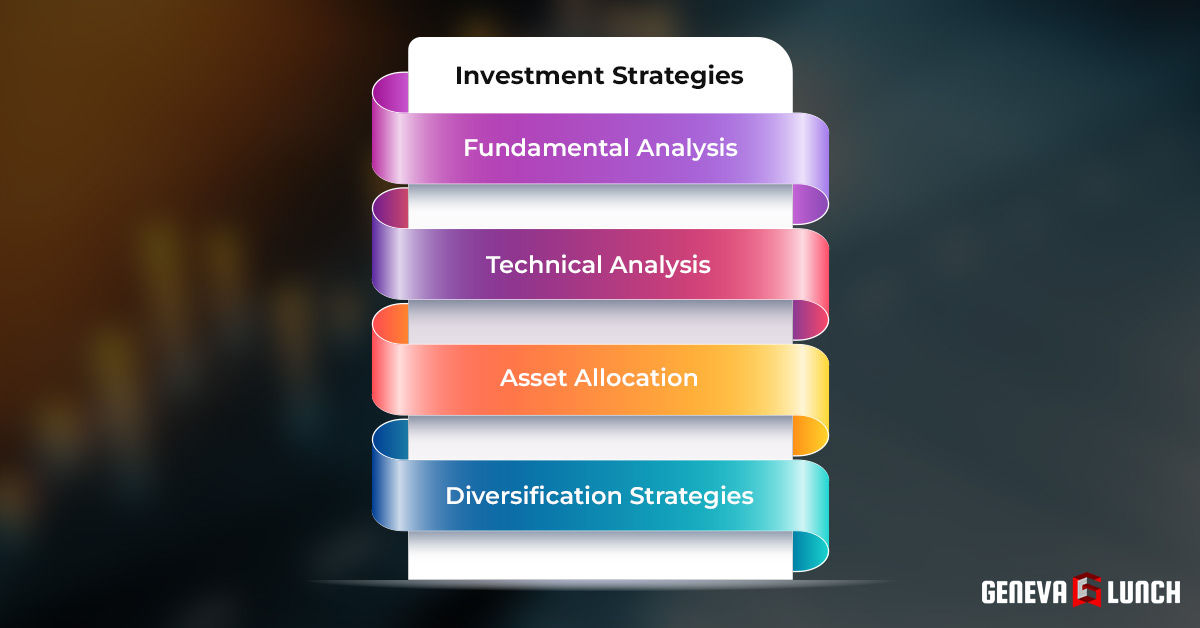
Investment strategies are plans or approaches to growing wealth through the market. They range from analyzing a company’s fundamentals to looking at market trends and allocating assets wisely.
Fundamental Analysis
Fundamental analysis looks deeply into a company’s financial health, management, and market position to judge its stock’s value. It’s a way to find out if a company’s share price reflects its real worth.
Company Valuation Techniques
Company valuation techniques determine a company’s value. This can involve looking at earnings, assets, cash flow, and industry growth to make an informed guess about the company’s future earnings and what its shares should be worth.
Investors use these techniques to decide if a stock is undervalued or overvalued compared to the market.
Financial Ratios
Financial ratios are tools that help analyze a company’s financial statements. They can show how well a company uses its assets, manages debt, and generates profits.
Ratios like the price-to-earnings (P/E) ratio, debt-to-equity ratio, and return on equity (ROE) provide quick insights into a company’s financial health compared to peers.
Qualitative Analysis
Qualitative analysis looks at the non-numeric aspects of a company, such as the strength of its brand, the quality of its products, or the experience of its management team.
These factors can influence a company’s ability to grow and compete, impacting its long-term value.
Industry Analysis
Industry analysis evaluates the economic and market conditions affecting a company’s sector. It considers factors like competition, regulatory environment, and technological changes.
Understanding these can help investors predict which industries will grow and which might face challenges.
Technical Analysis
Technical analysis uses past market data to forecast future price movements. It assumes that market psychology influences trading in a way that enables predicting when a stock will rise or fall.
Chart Patterns
Chart patterns are visual representations of stock price movements. Recognizing patterns like “head and shoulders” or “cup and handle” can signal future price changes. These patterns can help traders predict whether a stock’s price will likely go up or down.
Technical Indicators
Technical indicators are statistical calculations based on a stock’s price and volume over time. Indicators like moving averages or the MACD (Moving Average Convergence Divergence) help traders identify potential buy or sell signals by indicating the momentum or trend direction of a stock.
Japanese Candlestick Patterns
Japanese candlestick patterns are a form of charting that shows the high, low, opening, and closing prices of a stock for a specific period. Patterns like “doji” or “hammer” can indicate reversals or continuations in price trends, providing insights into market sentiment.
Trend Analysis
Trend analysis looks at the direction in which a stock price is moving. Identifying uptrends, downtrends, and sideways trends helps investors and traders make decisions based on the likely future direction of stock prices.
This analysis is crucial for developing strategies for when to buy or sell securities, as it can indicate the potential continuation or reversal of a current price movement.
Asset Allocation
Asset allocation involves dividing an investment portfolio among different asset categories, such as stocks, bonds, and cash. The strategy balances risk and reward by adjusting the percentage of each asset.
Strategic Asset Allocation
Strategic asset allocation sets a base asset mix based on an investor’s objectives, risk tolerance, and investment horizon. It sticks to a fixed strategy, only rebalancing periodically to maintain the original asset allocation.
This method provides a disciplined approach that helps investors stay on target with their long-term financial goals, regardless of short-term market fluctuations.
Tactical Asset Allocation
Tactical asset allocation allows for short-term adjustments to the asset mix in response to market conditions or opportunities. It’s more flexible than strategic allocation, aiming to capitalize on short-term profits.
This approach involves actively taking advantage of market inefficiencies and timing opportunities to potentially enhance portfolio returns.
Dynamic Asset Allocation
Dynamic asset allocation adjusts the portfolio in response to market risks and opportunities. Unlike tactical allocation, it focuses on long-term shifts in market conditions, regularly changing asset weights to manage risk and exploit growth opportunities.
This strategy is proactive in its approach to rebalancing, often using financial derivatives and other sophisticated tools to hedge against potential market downturns or to enhance returns.
Risk Parity Strategies
Risk parity strategies aim to allocate risk evenly across various assets. Instead of allocating capital, risk parity focuses on distributing risk so that no single investment or type of investment overwhelms the portfolio’s risk profile.
This approach often leads to investing more in lower-risk assets and less in higher-risk assets. This can provide a more stable and balanced portfolio performance, especially in volatile markets.
Diversification Strategies
Diversification strategies spread investments across various assets to reduce risk. By not putting all eggs in one basket, investors can protect their portfolio from significant losses if one investment performs poorly.
Traditional Diversification
Traditional diversification involves spreading investments across different asset classes, such as stocks, bonds, and real estate. This approach aims to:
- Reduce Risk: Different asset classes usually don’t move up and down at the same time, mitigating potential losses.
- Stabilize Returns: By diversifying, investors can achieve more stable returns over time, as the performance of one asset can offset the poor performance of another.
- Increase Portfolio Resilience: Helps the portfolio withstand market fluctuations and economic changes more effectively.
Modern Diversification Techniques
Modern diversification techniques may include investing in alternative assets, like hedge funds or commodities, or using advanced financial instruments, like derivatives, to hedge against market volatility. This approach aims to:
- Manage Advanced Risks: Allows investors to hedge against more complex market dynamics and economic uncertainties.
- Enhance Growth Potential: By including assets like hedge funds or commodities, investors can access higher growth opportunities that traditional assets may not provide.
- Innovate Portfolio Management: Utilizes sophisticated financial instruments to protect against downside risk while capturing potential upside.
Risk-Based Diversification
Risk-based diversification focuses on how much risk each investment adds to the portfolio. It tries to balance high-risk and low-risk investments to manage the overall risk.
This strategy assesses the potential downside of each asset and allocates capital in a way that minimizes exposure to any single source of risk.
Non-Correlated Asset Diversification
Non-correlated asset diversification involves investing in assets that don’t move in the same direction at the same time. This way, if one investment goes down, another might go up, helping to protect the overall investment.
This strategy is crucial for reducing the portfolio’s vulnerability to market swings, as the performance of non-correlated assets can offset losses in other areas.
What Are The Types Of Careers In Finance?
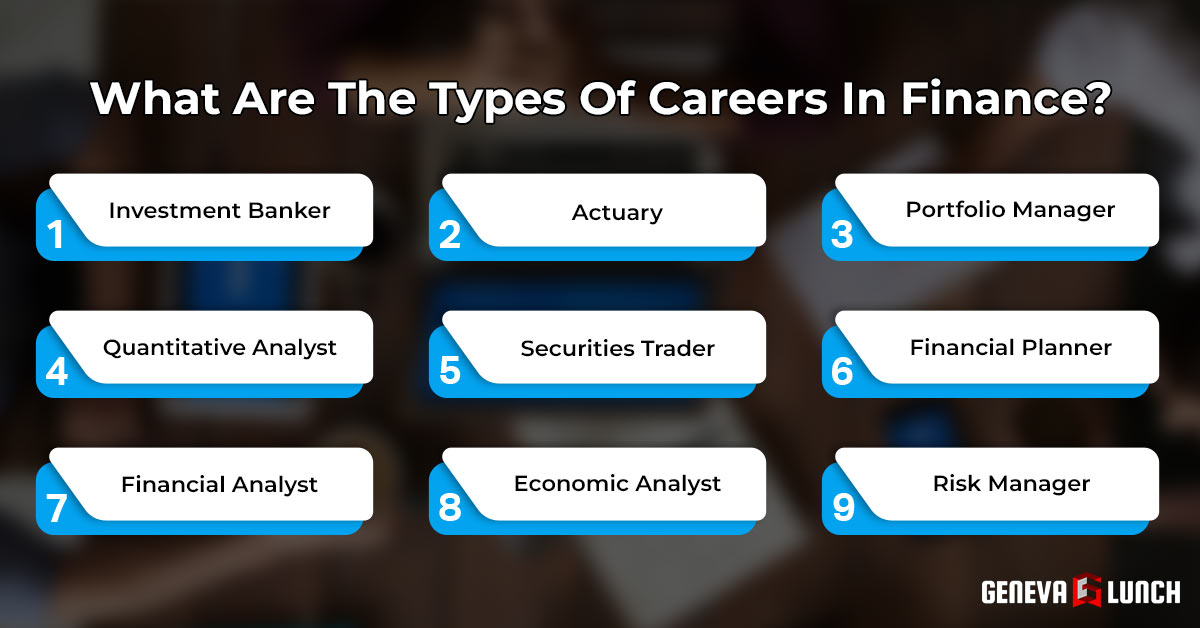
There are many different jobs in finance. People in these jobs help companies and individuals make decisions about money. Here are some of the careers people can have in finance.
Investment Banker
Investment bankers help companies and governments raise money. They do this by selling stocks and bonds. Investment bankers also help with big financial deals, like when one company buys another.
Investment bankers often lead negotiations, structure deals to be attractive to both parties, and perform due diligence to ensure all financial details are correct.
They need to have strong analytical skills and a deep understanding of market conditions.
Actuary
Actuaries use math and statistics to figure out risks and costs. They work a lot with insurance companies to set prices for insurance policies.
Actuaries also help design insurance products and pension plans by predicting how money will grow over time. They must stay updated on legislation that could affect insurance practices. Actuaries need strong problem-solving skills and must be proficient in using sophisticated modeling software.
Portfolio Manager
Portfolio managers make decisions about what investments to buy or sell. They manage investment portfolios for clients, aiming to grow the client’s money while managing risks.
Portfolio managers monitor market trends and adjust investment strategies based on performance and economic changes. They often work with analysts to gather insights and with clients to discuss their investment goals. This role requires a deep understanding of risk management and asset allocation.
Quantitative Analyst
Quantitative analysts, or “quants,” use math and computer programs to analyze financial data. They help make decisions about risk and investment strategies.
Quants develop predictive models that help financial institutions maximize returns or minimize risks. They work closely with traders to provide strategies based on data analysis. This career is ideal for those who excel in mathematics and are interested in technology’s application in finance.
Securities Trader
Securities traders buy and sell stocks, bonds, and other investments. They might work for a bank, a fund, or themselves.
Traders must react quickly to market changes to capitalize on trading opportunities. They require a thorough understanding of financial markets and the ability to perform under pressure. Continuous professional development is essential to keep pace with financial regulations and market instruments.
Financial Planner
Financial planners help individuals manage their money better. They give advice on saving, investing, retirement planning, and tax planning.
Financial planners develop personalized plans that align with their client’s financial goals and risk tolerance. They must be empathetic and effective communicators to help clients understand complex financial concepts. Certification, such as a Certified Financial Planner (CFP), is often necessary for career advancement.
Financial Analyst
Financial analysts look at a company’s financial data and industry trends to recommend whether to buy, hold, or sell the company’s stock.
They may work for banks, mutual funds, or other financial institutions. Financial analysts prepare reports that forecast economic conditions, industry trends, and company performance. They also help companies make financial decisions by analyzing their financial statements and market conditions.
Economic Analyst
Economic analysts study the economy and market trends. They look at how different factors like policies, market trends, and economic indicators can affect businesses and investments.
They often work for governments, think tanks, or large corporations. Economic analysts use their findings to write reports and make recommendations for economic strategies. Their work is crucial for policy making and investment decisions.
Risk Manager
Risk managers identify and assess financial risks. They work to minimize risks and losses for companies. They plan how to avoid, reduce, or manage risks.
Risk managers develop risk management policies and procedures to help companies mitigate financial threats. They also educate staff about risk and collaborate with other departments to integrate risk management with company strategy.
What Are Portfolio Management Strategies?
Portfolio management strategies are plans for how to choose and manage investments. These strategies help investors decide what to buy, how long to hold it, and when to sell. Understanding these approaches is crucial for maintaining a healthy financial portfolio. Here are some common portfolio management strategies.
Modern Portfolio Theory
Modern Portfolio Theory (MPT) is a way to choose investments to lower risk and increase returns. It says that it’s better to have different types of investments because they don’t all go up or down at the same time.
This mix can help protect your money better than just one type of investment.
Passive Vs. Active Investing
Passive investing means buying and holding investments for a long time. The idea is that, over time, the market will go up, so your investments will grow.
Active investing is when you buy and sell investments often, trying to make money from short-term changes in prices. Passive investing is usually cheaper and less work.
Index Funds
Index funds are a type of passive investment that tries to match the performance of a market index, like the S&P 500. They buy all or most of the investments in the index.
Index funds are popular because they have low fees and can give good returns over time.
Hedge Funds
Hedge funds are a type of active investment. They use different methods to try to make a lot of money, like investing in many places, using borrowed money to make bigger bets, or protecting against losses.
Hedge funds are usually only open to investors who can afford to take more risk.
Financial Planning For Life Events
Financial planning for life events involves preparing for big moments in life that affect your money. It helps you make smart choices with your money to reach your goals. Let’s look at effective financial planning in terms of buying a home, getting married, starting a family, and opening a business.
Buying A Home
Buying a home is a big step. You need to think about how you’ll pay for it and what the housing market is like.
Mortgage Options
A mortgage is a loan to buy a house. There are many types of mortgages. Some have fixed interest rates that don’t change. Others have rates that can go up or down.
Choosing the right mortgage depends on how much you can pay each month and for how long.
Real Estate Market Trends
The real estate market goes up and down. Sometimes homes tend to be quite expensive. Other times, they are cheaper. Understanding these trends can help you decide when to buy a house.
Buying when prices are low can save you money.
Marriage And Family Planning
Getting married and planning for children involves big financial decisions. You need to plan for your future together.
Financial Planning For Children’s Education
Saving for your children’s education is important. College can be expensive. That is why starting to save early can make it easier for you in the future. There are special savings accounts like 529 plans that can help you save for college.
Starting A Business
Starting your own business is exciting. But, you need money to start and a plan to make it successful.
Financing Options
To start a business, you might need money for things like supplies or a place to work. You can use your savings, get a loan, or find investors. Each option has its pros and cons. It’s important to choose the best one for your situation.
Business Planning
A business plan is a guide for your business. It outlines what your business will do, how it will make money, and your plans for growth. A good business plan can help you get financing and guide your business to success.
Financial Markets And Investments
Financial markets and investments are about putting money into something hoping it will grow over time. This can include buying stocks, bonds, or real estate. Each type of investment has its own risk and potential for growth.
Overview Of Financial Markets
Financial markets are places where people buy and sell investments like stocks and bonds. These markets help companies get money to grow and offer investors a chance to make money.
The stock market is one example, where you can buy parts of companies.
What Are The Types Of Investments?

Different types of investments such as stocks, bonds, mutual funds, real estate, and commodities can suit different goals and levels of risk. Here is a list of each type.
Stocks
Stocks are shares in a company. When you buy a stock, you own a small part of that company. When the company does well, the value of your stock can go up. However, if the company does poorly, the value can go down.
Bonds
Bonds are similar to loans you give to a company or government. In return, they agree to pay you back with interest after a certain time. Bonds usually tend to be less risky than stocks. However, they may offer lower returns.
Mutual Funds
Mutual funds are collections of stocks, bonds, or other investments. When you invest in a mutual fund, your money is combined with other investors’ money to buy a wide range of investments.
This can reduce risk compared to buying individual stocks or bonds.
Real Estate
Real estate involves buying property like houses or land. The value of real estate can go up over time, and it can also provide rental income. However, real estate requires more money to start and can be harder to sell quickly.
Commodities
Commodities are basic goods like gold, oil, or agricultural products. Their prices can go up or down based on supply and demand. Investing in commodities can be risky but may offer a way to make money when other investments are doing poorly.
Risk Management In Investments
Risk management in investments means figuring out how much risk you’re comfortable with and finding ways to reduce that risk. This can involve choosing safer investments or spreading your money across different types of investments.
Portfolio Diversification Strategies
Diversification means not putting all your money in one type of investment. By spreading your investments across different types, like stocks, bonds, and real estate, you can reduce risk. When one investment does poorly, others may do well and balance it out.
Investment Strategies For Different Goals
Different goals require different investment strategies including short-term goals, long-term goals, and retirement goals. Whether saving for a vacation, a new home, or retirement, each goal may need a different approach.
Short-Term Goals
For short-term goals, like saving for a vacation or an emergency fund, safer investments like savings accounts or short-term bonds may be best. These are less risky but offer lower returns.
Such investments are ideal because they provide liquidity and stability, meaning you can access your money quickly without facing significant risks.
Long-Term Goals
For long-term goals, like saving for a home or college, you may choose riskier investments like stocks or mutual funds. These offer the potential for higher returns over time.
Investing in stocks and mutual funds can take advantage of market growth, compounding returns over many years.
Retirement Goals
Saving for retirement usually means a mix of investments. Early on, you may choose riskier investments for growth. As you get closer to retirement, you may shift to safer investments to protect what you’ve saved.
Initially, focusing on growth helps build the wealth necessary for a comfortable retirement, while shifting towards bonds, fixed-income funds, and other less volatile assets can preserve the accumulated savings as retirement approaches.
Tax Planning And Management
Tax planning and management is about knowing how taxes work and making choices to lower how much tax you have to pay. This includes understanding different types of taxes, using deductions and credits, and planning for what happens to your money after you’re gone.
Understanding Taxation Basic
Knowing the basics of taxation helps you understand how much you owe and why. It’s essential to familiarize yourself with the various taxes that impact your finances. In this section, we’ll delve into the fundamentals of taxation to help you better manage your tax obligations and make informed financial decisions.
Types Of Taxes
There are many types of taxes. For example income taxes, sales taxes, and property taxes etc.
Income taxes are paid on the money you earn. Sales taxes are added to the price of things you buy. Property taxes are paid on land and houses. Each type of tax has different rules.
Tax Brackets
Tax brackets are ranges of income taxed at different rates. The more money you make, the higher your tax bracket and the more tax you pay on that income.
Understanding your tax bracket helps you plan your finances better.
Tax Deductions And Credits
Using tax deductions and credits can significantly lower your tax bill. By understanding what deductions and credits are available, you can make informed decisions to reduce your taxable income. This section will detail how you can leverage these financial tools to your advantage
Itemized Deductions
Itemized deductions are specific expenses you can subtract from your taxable income. They can include things like charity donations, mortgage interest, and medical expenses. You add them up and use the total to lower your taxable income.
Tax Credits For Individuals And Businesses
Tax credits directly reduce how much tax you owe, dollar for dollar. There are credits for things like education costs, caring for children, and making your home energy efficient. Both individuals and businesses can use tax credits to pay less tax.
Estate Planning
Estate planning is essential for managing your finances and property after your passing. This planning ensures your wishes are respected and can also help minimize the tax burden on your beneficiaries. In this section, we discuss how to effectively plan for the distribution of your assets.
Wills And Trusts
Wills and trusts are ways to leave instructions about what should happen to your things after you die. A will says who gets what. A trust lets you set rules about how and when your things will be given out.
Inheritance Tax
Inheritance tax is paid on the money and property you get from someone who has died. Not everyone has to pay it, and the rules depend on how much you inherit and your relationship to the person who died. Planning ahead can help reduce the amount of tax paid.
Financial Regulations And Compliance
Financial regulations and compliance are rules that financial organizations must follow. These rules help keep the financial system safe and fair for everyone. They include laws to protect consumers, make sure companies report their finances correctly, and prevent financial crises.
Overview Of Financial Regulations
Financial regulations are important for keeping the financial markets stable and protecting investors.
Dodd-Frank Act
The Dodd-Frank Act was made in 2010 to prevent another financial crisis. The act made new rules for banks and other financial companies. The main goal was to make the financial system safer and protect people from risky financial products.
Sarbanes-Oxley Act
The Sarbanes-Oxley Act was created in 2002. It was a response to big companies misleading investors and the public about their finances. This act made companies follow stricter rules for financial reporting.
It helps investors trust the financial statements of companies.
Compliance In Financial Reporting
Compliance in financial reporting means following rules about how to report financial information. Understanding these rules is crucial for maintaining transparency and fairness in financial markets. In this section, we’ll explore the standards that guide how companies must prepare and present their financial statements.
GAAP (Generally Accepted Accounting Principles)
GAAP is a set of rules for how U.S. companies must prepare their financial reports. These rules make sure that financial statements are clear and consistent. This helps investors compare different companies easily.
For example, GAAP covers regulations on revenue recognition, balance sheet item classification, and materiality. This consistency aids in maintaining transparency, enhancing trust among investors, and supporting the overall stability of the financial markets.
IFRS (International Financial Reporting Standards)
IFRS are rules for financial reporting used in many countries around the world. They are similar to GAAP but have some differences. IFRS aims to make international investing and comparing companies across countries easier.
For example, IFRS is known for being more principles-based than the more rules-based GAAP, offering companies some flexibility in reporting that reflects their specific financial situations. This flexibility helps multinational corporations consolidate their financial statements across different countries.
Consumer Protection Laws
Consumer protection laws are designed to safeguard consumers from unfair or deceptive financial practices. Knowing these laws can help you make safer financial decisions. This section explains these laws and how they protect you from financial harm.
Truth In Lending Act
The Truth in Lending Act requires lenders to tell you the true cost of a loan before you agree to it. This includes the interest rate, fees, and any other charges. It helps consumers understand the real cost of borrowing money.
Consumer Financial Protection Bureau (CFPB)
The CFPB is an agency that helps protect consumers in the financial sector. It makes sure banks, lenders, and other financial companies treat consumers fairly.
The CFPB also helps consumers with financial information and handles complaints about financial products and services.
Emerging Trends And Technologies In Finance

The finance world is always changing, with new technologies and trends appearing all the time. These changes can make managing and investing money easier and more accessible to everyone. Let’s look at some of the most exciting new ideas.
Fintech Innovations
Fintech, or financial technology, uses technology to improve financial services.
Blockchain And Cryptocurrencies
Blockchain is a system that keeps records of transactions across many computers. This technology makes cryptocurrencies like Bitcoin possible.
Cryptocurrencies are digital money that can be sent over the internet without needing a bank.
Peer-to-Peer Lending
Peer-to-peer lending lets people lend money to others directly without going through a bank. Websites connect people who want to borrow money with those who have money to lend.
This can make getting a loan faster and sometimes cheaper.
Artificial Intelligence In Finance
Artificial intelligence (AI) is revolutionizing the finance industry by automating decision-making and streamlining processes. By integrating AI, financial services can operate more efficiently and respond more swiftly to market changes. This section explores how AI is applied in finance, particularly through robo-advisors and algorithmic trading.
Robo-Advisors
Robo-advisors are computer programs that provide financial advice or investment management online with minimal human intervention. They use information about your financial situation and goals to suggest where to invest your money.
Algorithmic Trading
Algorithmic trading uses computer programs to buy and sell stocks very quickly based on set rules. This can include analyzing market data to make decisions in fractions of a second.
It’s used by large investment firms to make money based on small price changes in the market.
Financial Resources
Learning about finance is important for managing money well. There are many resources to help, including books. Here are some recommended books that cover different aspects of finance, from saving money to investing.
Recommended Books
Books can be a great resource for learning about personal finance. They offer advice and strategies from experts in the field. Here are some books that cover different aspects of managing your money, from getting out of debt to investing wisely.
1. The Total Money Makeover By Dave Ramsey
“The Total Money Makeover” by Dave Ramsey provides a powerful and practical approach to personal finance. Ramsey outlines clear, easy-to-follow steps to get out of debt, save money, and build wealth.
With personal stories and practical advice, he emphasizes living below your means, aggressively paying off debt, and saving for the future.
2. Rich Dad Poor Dad By Robert Kiyosaki
“Rich Dad Poor Dad” is about the lessons the author learned from his own dad (the “poor dad”) and his best friend’s dad (the “rich dad”). The book challenges the belief that you need to earn a high income to be rich and emphasizes investing in assets, such as real estate and small businesses, to build wealth.
3. The Intelligent Investor By Benjamin Graham
Considered the bible of investing, this book introduces the concept of “value investing” — buying stocks undervalued by the market. Benjamin Graham’s principles help investors focus on long-term fundamentals rather than market trends, offering strategies for minimizing risk while achieving success.
4. The Psychology Of Money By Morgan Housel
Morgan Housel uses short stories to explore how people think about money and how their behavior is often driven by psychology rather than logic. The book discusses the importance of making good financial decisions and how understanding your own behavior can lead to better financial outcomes.
5. I Will Teach You To Be Rich By Ramit Sethi
Ramit Sethi’s book is a six-week program focused on personal finance for the modern age. It covers banking, saving, budgeting, and investing, all with an eye towards automation and an understanding of psychological barriers.
Sethi combines humor with practical advice to make finance accessible and engaging.
Financial Planning Tools And Software
Financial planning tools and software help you manage your money better. They can track your spending, help you budget, and plan for the future. Here are some popular ones:
1. Mint
Mint is a free app that helps you track your spending, budget, and bills all in one place. It connects to your bank accounts and credit cards, automatically categorizing your transactions. Mint also offers tips for reducing fees and saving money. It’s great for getting an overview of your finances.
2. You Need A Budget (YNAB)
YNAB focuses on giving every dollar a job. It’s based on zero-based budgeting, meaning you plan how to spend every dollar you earn. YNAB helps you break the paycheck-to-paycheck cycle, get out of debt, and save more money. It’s a paid service, but many find it worth the cost for its detailed budgeting approach.
3. Personal Capital
Personal Capital is a free tool for investment and wealth management. Besides tracking spending and budgeting, it focuses on your investments and retirement planning. It gives you a clear view of your net worth, analyzes your investment fees, and provides advice on how to optimize your investment strategy.
4. Quicken
Quicken is a comprehensive financial management software. It offers detailed budgeting, investment tracking, and personal finance planning. You can also manage property and rental information, loans, and debt within Quicken. It’s a paid program, available in several versions tailored to different financial needs.
5. PocketGuard
PocketGuard is an app that helps you keep track of your spending and understand where your money goes. It links to your accounts to track your bills, subscriptions, and everyday expenses. PocketGuard identifies opportunities to save money and helps create a budget that works for you, focusing on lowering your bills and increasing your savings.
Finding A Financial Advisor
Finding a financial advisor means looking for someone who can help you with your money. This person can give advice on saving, investing, and planning for the future. It’s important to choose someone who understands your goals and whom you trust.
You can find advisors through banks, financial planning firms, or personal recommendations. Always check their credentials and experience.
Online Platforms And Educational Resources
Online platforms and educational resources can help you learn more about managing your money and making smart financial decisions.
1. Coursera
Coursera offers courses from universities and colleges around the world. You can find many classes on finance, from basic budgeting to advanced investing.
These courses often include video lectures, readings, and quizzes. Some are free, while others offer more for a fee, like certificates.
2. Khan Academy
Khan Academy provides free online courses on a wide range of subjects, including finance and economics. The lessons are in video form and cover topics like saving and investing, interest and debt, and making a budget.
It’s great for beginners who want to start learning about personal finance.
3. Udemy
Udemy is an online platform with courses on many topics, including personal finance, investment, and financial planning. Instructors from around the world teach these courses, and prices vary.
You can learn at your own pace with video lessons, readings, and exercises. Udemy often has sales, making courses more affordable.
FAQs
How Can I Create A Realistic Financial Budget?
To create a realistic financial budget, start by listing all your income sources. Then, track your spending for a month to see where your money goes. Categorize your expenses into needs and wants. Make sure your spending does not exceed your income. Set goals for savings and debt repayment.
What Are Some Good Strategies For Managing Financial Debt?
Good strategies for managing financial debt include making a list of all your debts, starting with the highest interest rate. Pay more than the minimum payment if you can. Consider consolidating debts into a single lower-interest loan if possible. Stop using credit cards while paying off debt.
Is It Better To Rent Or Buy A Home, Considering My Financial Situation?
Whether it’s better to rent or buy a home depends on your financial situation, lifestyle, and how long you plan to stay in one place. Buying may be better if you’re seeking long-term stability and have enough for a down payment. Renting offers flexibility and less responsibility for maintenance.
How Much Should I Be Saving For Retirement Each Month To Meet My Financial Goals?
The amount you should save for retirement each month depends on your retirement goals, current age, and when you plan to retire. It is advised to save at least 15% of your pre-tax income for retirement. However, starting earlier allows you to save less each month, thanks to compound interest.
What Are Some Beginner-Friendly Financial Investment Options?
Beginner-friendly financial investment options include mutual funds, especially index funds, which offer diversification and lower risk. Exchange-Traded Funds (ETFs) are similar and can be traded like stocks. High-yield savings accounts and Certificates of Deposit (CDs) offer low risk.
What Are The Different Types Of Financial Aid Available For College?
The different types of financial aid available for college include scholarships, which don’t need to be repaid and are based on merit or need. Grants are typically need-based and also don’t require repayment. Student loans must be repaid, but offer low-interest rates and flexible repayment terms.
Should I Consider Financing A Car Purchase, Or Pay In Full?
Whether you should finance a car purchase or pay in full depends on your financial situation. When you have enough savings and paying in full won’t strain your finances, it can save you from paying interest. Financing can help preserve your savings but consider the interest rates and payments.
How Can I Protect Myself From Financial Fraud?
To protect yourself from financial fraud, keep your personal and financial information secure. Don’t share sensitive information like Social Security numbers or bank details unless you’re sure of the recipient’s identity. Regularly check your bank statements for unauthorized transactions.
Final Words
In conclusion, finance is a vital part of how we manage money personally, within businesses, and across governments. It’s about making smart choices with our resources, planning for the future, and ensuring stability and growth. Understanding the basics of finance can help us make better decisions, achieve our goals, and navigate the economic world more effectively.