Commodity Market: Types, How It Works, Market Analysis & Risks
Commodities like gold, oil, and wheat are essential raw materials used in various industries. These materials are traded in special markets, affecting global economies. These are called commodity markets. So, what is a commodity market?
A commodity market is where raw materials or primary products are bought and sold. Examples include gold, oil, and wheat. Traders aim to make a profit from price changes based on supply and demand. People use these markets to secure essential raw materials. It is a key part of the financial market.
In this guide, we’ll explore all the essentials of the commodity markets. We’ll cover the government policies in commodity markets, the impact of global economic trends, ethical considerations, how commodity markets affect inflation, the benefits of investing in commodities, and how leverage works in commodity trading.
Key Takeaways
- Definition: Commodity markets are where raw materials like gold, oil, and wheat are traded.
- Price Influences: Prices in commodity markets are driven by supply, demand, and global events.
- Government Policies: Government regulations and policies impact commodity production, sales, and market stability.
- Investment Benefits: Investing in commodities offers diversification, inflation protection, and the potential for high returns.
- Trading Strategies: Common strategies include fundamental analysis, technical analysis, trend following, and arbitrage.
What Is Commodity Market?
A commodity market is where raw materials or primary products are bought and sold. Examples of commodities include gold, oil and wheat. Traders buy and sell these items to make a profit. Prices change based on supply and demand. People use these markets to secure raw materials within the financial market.
Importance Of Commodities In The Global Economy
Commodities are crucial for the global economy. They provide the basic raw materials needed for production in many industries. These raw materials are used to create energy, food, and various products. Commodities also play a key role in international trade. This trade supports global economic growth and stability. Here are some specific ways commodities impact the global economy:
- Provide Raw Materials: Oil for energy, wheat for food, metals for electronics.
- Affect Prices: High oil prices increase transportation costs, making goods more expensive.
- International Trade: Countries buy and sell commodities they need.
- Support Industries: Without raw materials, many industries would stop.
- Economic Indicators: Commodity prices often indicate the health of the economy.
Types Of Commodities
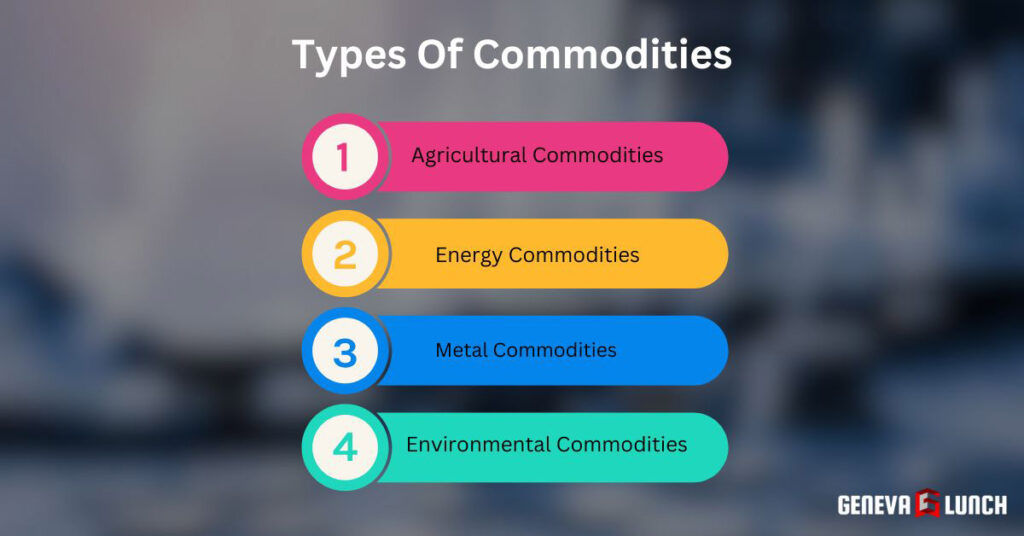
Commodities are divided into different types. Each type has unique characteristics and uses. Understanding these types helps in knowing how they impact the economy. Here are the main types of commodities:
Agricultural Commodities
Agricultural commodities come from farming. Examples include wheat, corn, and coffee. Farmers grow these products and sell them in the market. These commodities are essential for food production. Wheat is used to make bread.
Corn is used to feed animals and make products like corn syrup. Coffee is a popular drink worldwide. Agricultural commodities are sensitive to weather. A drought can reduce supply and increase prices. For example, if there is a drought, the wheat supply decreases, and bread prices go up.
Energy Commodities
Energy commodities include oil, natural gas, and coal. These are used to produce energy. Oil is used to make gasoline for cars. Natural gas is used to heat homes and generate electricity. Coal is used in power plants to produce electricity.
Energy commodities are vital for transportation and industry. The price of oil can affect the cost of many goods. When oil prices go up, transportation becomes more expensive. For example, higher oil prices make gasoline more costly, increasing the cost of shipping goods.
Metal Commodities
Metal commodities include gold, silver, and copper. These metals are mined from the earth. They are used in various industries. Copper is used in electrical wiring and plumbing. Gold and silver are used in jewelry and electronics. Metals like gold are also used for investment.
People buy gold to protect their wealth. The price of metals can be affected by supply and demand. For example, if there is high demand for electronics, the price of copper may increase because it is needed for wiring.
Environmental Commodities
Environmental commodities include things like carbon credits. These help reduce pollution. Companies buy carbon credits to offset their emissions. For example, a company that produces a lot of carbon dioxide can buy credits to balance out its impact. This encourages companies to reduce their pollution.
Environmental commodities are important for fighting climate change. They help promote cleaner production practices. By buying carbon credits, companies support projects that reduce greenhouse gasses, such as planting trees or developing renewable energy sources.
Commodity Market Participants
Commodity markets have different participants. Each plays a key role. They buy, sell, and trade commodities. These participants help the market function smoothly. Understanding who these participants are and what they do is important. Here are the main types of participants:
Producers
Producers are the ones who create or extract commodities. They grow crops, mine metals, or pump oil. Farmers, miners, and oil companies are examples of producers. They sell their products in the commodity market.
For example, a farmer grows wheat and sells it. When a farmer produces 1,000 tons of wheat, they sell it to make money. Producers depend on good market prices to stay in business.
Consumers
Consumers buy commodities to use them. These can be companies or individuals. A bakery buys wheat to make bread. An electricity company buys coal to produce power. Consumers need commodities to make their products.
For example, a bakery may buy 500 tons of wheat each year. When the price of wheat goes up, the cost of bread may also rise. Consumers look for the best prices to keep their costs low.
Investors
Investors buy commodities to make money. They hope the price will go up so they can sell at a profit. Investors can be individuals or large funds. For example, an investor buys gold hoping its price will increase.
When they buy gold at $1,500 per ounce and sell at $1,600, they make a profit. Investors watch market trends to decide when to buy or sell.
Speculators
Speculators buy and sell commodities quickly to profit from price changes. They do not use the commodities themselves. For example, a speculator might buy oil today and sell it next week.
They hope to buy low and sell high. When they buy oil at $70 per barrel and sell at $75, they make a profit. Speculators add liquidity to the market, making it easier to buy and sell commodities.
Hedgers
Hedgers use commodities to protect against price changes. They lock in prices to avoid losses. For example, an airline company buys fuel in advance to avoid rising prices.
When fuel costs $2 per gallon today, the airline buys now to use later. This helps them manage costs. Farmers also hedge by locking in prices for their crops. Hedging helps companies plan their budgets and reduce risks from price changes.
How Commodity Markets Work
Commodity markets are places where commodities are bought and sold. These markets help set prices based on supply and demand. Different types of markets exist within the commodity market. Knowing how these markets work can help you understand commodity prices better. Here are some key types of markets:
Spot Markets
Spot markets are where commodities are bought and sold for immediate delivery. The price is called the spot price. For example, if you buy gold in a spot market, you get it right away. When the spot price of gold is $1,800 per ounce, you pay that amount.
Spot markets deal with physical goods. Transactions happen quickly. Buyers and sellers agree on the price and complete the trade immediately. This market is important for those who need the commodity right away.
Futures Markets
Futures markets involve contracts to buy or sell commodities at a future date. The price is set now, but delivery happens later. For example, a farmer can sell wheat at a fixed price before harvest. When wheat futures are priced at $500 per ton, the farmer locks in that price. Futures help manage risk.
Both buyers and sellers know the price they will get or pay. These markets are useful for planning and budgeting. Futures markets can also be used by speculators who do not intend to take delivery of the commodity.
Commodity Derivatives
Commodity derivatives are financial products based on the price of commodities. They include options and swaps. These are not physical goods. Instead, they are contracts that derive their value from commodities.
For example, an option gives you the right to buy oil at a certain price. When oil prices go up, you can buy at the lower, agreed-upon price. Derivatives help investors and companies manage risk. They provide a way to hedge against price changes. Derivatives can be complex, but they offer flexibility in managing financial exposure.
Over-The-Counter (OTC) Markets
OTC markets are private markets. Trades are made directly between two parties. These markets are not regulated like public exchanges. For example, a company might buy a large amount of oil directly from a producer. The price and terms are negotiated privately. OTC markets offer flexibility.
However, they can also carry more risk due to lack of regulation. Participants in OTC markets can customize contracts to meet their specific needs. This makes OTC markets useful for large, tailored transactions.
Breakout Trading
Breakout trading involves buying or selling commodities when prices move out of a certain range. Traders look for price patterns. When a price “breaks out” of its range, they trade. For example, if oil prices stay between $60 and $70 per barrel, a breakout occurs if it goes above $70.
Traders then buy, expecting prices to go higher. Breakout trading aims to profit from strong price movements. It requires careful analysis of price charts. Traders use this method to catch trends early and maximize profits.
Commodity Exchanges
Commodity exchanges are places where people trade commodities. These exchanges set rules for trading. They also help set prices for commodities. Knowing about major exchanges can help understand where trading happens. Here are some major global commodity exchanges:
Major Global Commodity Exchanges
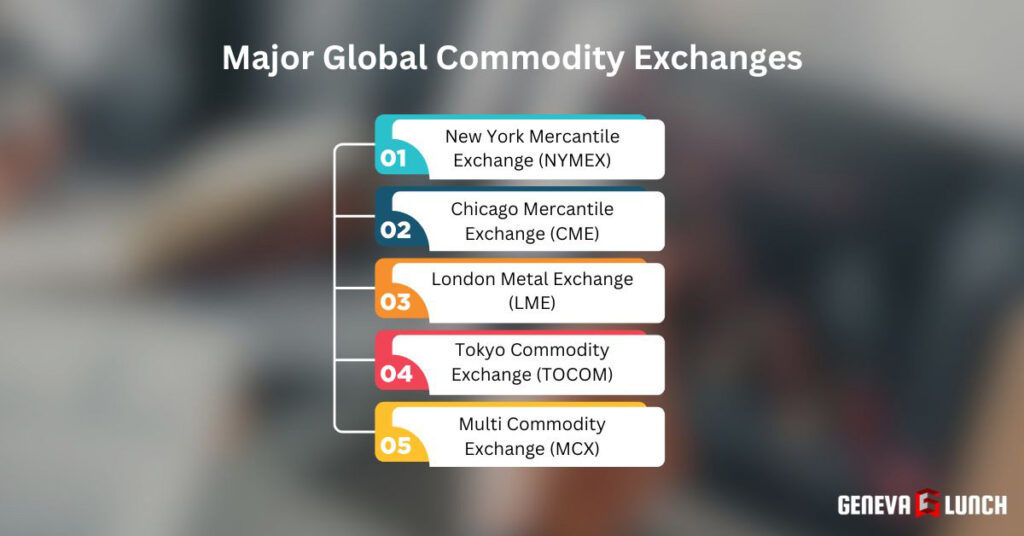
There are several major commodity exchanges around the world. Each one specializes in different types of commodities. These exchanges are crucial for the global economy. They help set prices that affect everyone. Here are some of the most important commodity exchanges:
New York Mercantile Exchange (NYMEX)
The New York Mercantile Exchange (NYMEX) is one of the largest commodity exchanges in the world. It is located in New York City. NYMEX deals with energy products like oil and natural gas. For example, crude oil futures are traded here.
The price of crude oil is often set by trades on NYMEX. When the price of crude oil is $70 per barrel on NYMEX, it affects prices worldwide. NYMEX helps in setting global energy prices.
Chicago Mercantile Exchange (CME)
The Chicago Mercantile Exchange (CME) is another large commodity exchange. It is located in Chicago. CME deals with a variety of commodities. These include agricultural products like wheat, corn, and soybeans.
For example, if the price of wheat is $500 per ton on CME, it influences global wheat prices. CME also trades in financial products like interest rates. This exchange helps in managing price risks for farmers and businesses.
London Metal Exchange (LME)
The London Metal Exchange (LME) is the main market for trading metals. It is located in London. LME deals with metals like aluminum, copper, and zinc. For example, if the price of copper is $8,000 per ton on LME, it affects prices for manufacturers.
LME sets global prices for many metals. It also offers futures contracts to help businesses manage price changes. This exchange is crucial for the metals industry.
Tokyo Commodity Exchange (TOCOM)
The Tokyo Commodity Exchange (TOCOM) is a major commodity exchange in Japan. It is located in Tokyo. TOCOM deals with energy products, metals, and rubber. For example, if the price of rubber is $2 per kilogram on TOCOM, it impacts tire manufacturers.
TOCOM helps set prices for commodities in Asia. This exchange also offers futures contracts. TOCOM plays a key role in the Asian commodity market.
Multi Commodity Exchange (MCX)
The Multi Commodity Exchange (MCX) is a large commodity exchange in India. It is located in Mumbai. MCX deals with a variety of commodities. These include gold, silver, and crude oil.
For example, if the price of gold is $1,800 per ounce on MCX, it affects Indian gold prices. MCX helps in setting prices for commodities in India. This exchange also offers futures and options contracts. MCX supports the Indian economy by providing a platform for trading commodities.
Factors Influencing Commodity Prices
Commodity prices can change for many reasons. These changes can affect both the buyers and sellers. Understanding what influences these prices is important. Here are some key factors that affect commodity prices:
Supply And Demand Dynamics
Supply and demand play a big role in setting prices. When supply is high and demand is low, prices drop. When supply is low and demand is high, prices rise. For example, if farmers produce a lot of wheat but fewer people want to buy it, the price of wheat will go down.
Conversely, if there is a shortage of oil and many people need it, the price of oil will go up. This basic rule of economics affects all commodities.
Geopolitical Events
Geopolitical events can also impact commodity prices. Wars, political instability, and trade agreements are examples. For instance, if there is a war in a major oil-producing country, the supply of oil may decrease. This can cause oil prices to rise.
Trade agreements between countries can also affect prices. When two countries agree to trade more wheat, the price of wheat may change. Geopolitical events can cause quick changes in prices.
Economic Indicators
Economic indicators like inflation, interest rates, and employment rates affect commodity prices. High inflation can make commodity prices go up. When interest rates are high, borrowing money costs more, which can reduce demand for commodities.
For example, if interest rates rise, companies may buy less metal for manufacturing. Employment rates also play a role. When more people have jobs, they have more money to spend on goods, increasing demand for commodities.
Weather And Natural Disasters
Weather and natural disasters can greatly affect commodity prices. Bad weather can damage crops, reducing supply and increasing prices. For example, a drought can reduce the wheat harvest, causing wheat prices to go up.
Hurricanes can disrupt oil production, leading to higher oil prices. Natural disasters like earthquakes can also impact mining operations. These events can cause sudden changes in commodity prices.
Technological Advancements
Technological advancements can influence commodity prices. New technology can make production more efficient, increasing supply and lowering prices. For example, better farming equipment can increase crop yields. In mining, advanced machinery can extract metals more quickly.
On the other hand, new technology can also increase demand for certain commodities. For example, the rise of electric cars has increased the demand for lithium, used in batteries.
Currency Fluctuations
Currency fluctuations impact commodity prices. Most commodities are traded globally in US dollars. When the US dollar strengthens, commodities become more expensive for buyers using other currencies. For example, if the dollar is strong, it costs more euros to buy oil.
This can reduce demand and lower prices. Conversely, if the dollar weakens, commodities become cheaper for foreign buyers, increasing demand and raising prices. Currency fluctuations are a key factor in global trade.
Commodity Market Analysis
Commodity market analysis helps traders make decisions. There are different methods to analyze markets, and each method looks at different factors. Understanding these methods can help you predict market trends. Using financial analysis within these methods provides deeper insights and aids in making informed decisions. Here are the main types of commodity market analysis:
Fundamental Analysis
Fundamental analysis looks at basic factors that affect prices. It includes supply and demand, geopolitical events, and economic indicators. This analysis helps predict long-term price movements. Here are some key parts of fundamental analysis:
Supply And Demand Analysis
Supply and demand analysis looks at how much of a commodity is available and how much people want it. When supply is high and demand is low, prices go down. When supply is low and demand is high, prices go up. For example, if farmers produce a lot of corn but fewer people want to buy it, the price of corn will drop.
This method helps predict price changes based on availability and consumption. Traders use this analysis to make informed decisions.
Geopolitical Events
Geopolitical events can affect commodity prices. Wars, political instability, and trade agreements are examples. For instance, if a major oil-producing country is at war, the supply of oil may decrease. This can cause oil prices to rise.
Trade agreements between countries can also impact prices. When two countries agree to trade more wheat, the price of wheat might change. Geopolitical events can cause quick changes in prices. Traders watch these events closely to anticipate market movements.
Technical Analysis
Technical analysis looks at past price movements. It uses charts and patterns to predict future prices. This method is useful for short-term trading. Technical analysis focuses on market data rather than external factors. Here are some important parts of technical analysis:
Chart Patterns
Chart patterns are visual representations of price movements. They help traders see trends. Common patterns include head and shoulders, triangles, and flags. For example, if a chart shows a “head and shoulders” pattern, it may indicate a price drop.
Traders use these patterns to decide when to buy or sell. Chart patterns provide a way to predict price movements based on historical data. They are essential tools for technical analysts.
Technical Indicators
Technical indicators are mathematical calculations based on price, volume, or open interest. They help traders make decisions. Common indicators include moving averages and relative strength index (RSI). For example, a moving average shows the average price over a specific period.
When the current price is above the moving average, it might be a good time to buy. These indicators help traders understand market trends and make informed decisions. Technical indicators are crucial for analyzing market behavior.
Sentiment Analysis
Sentiment analysis looks at the overall mood of the market. It helps predict price movements based on how traders feel. This method uses news, social media, and other sources to gauge market sentiment. For example, if many news articles are positive about gold, the price of gold might go up.
Sentiment analysis helps traders understand the emotional factors affecting the market. This method can provide insights into market trends and potential price changes. By analyzing sentiment, traders can make better decisions and anticipate market moves. Sentiment analysis is a valuable tool for understanding market dynamics.
Trading In Commodity Markets
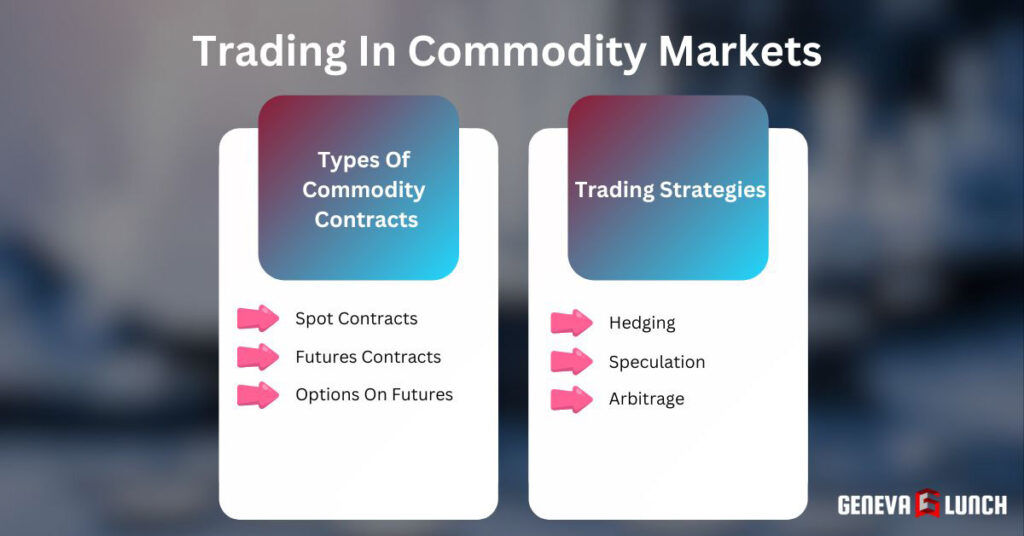
Trading in commodity markets involves buying and selling commodities. People trade to make profits or to protect against price changes. There are different types of contracts and strategies in commodity trading. Knowing these can help you understand how the market works. Here are some key aspects of trading in commodity markets:
Types Of Commodity Contracts
Commodity contracts are agreements to buy or sell a commodity at a specific price. These contracts help traders manage risks and plan for the future. There are several types of commodity contracts. Here are the main ones:
Spot Contracts
Spot contracts involve buying or selling a commodity for immediate delivery. The price agreed upon is called the spot price. For example, if you buy gold with a spot contract, you get the gold right away.
When the spot price of gold is $1,800 per ounce, you pay that amount. Spot contracts are simple and straightforward. They are used when immediate exchange of the commodity is needed.
Futures Contracts
Futures contracts involve agreeing to buy or sell a commodity at a future date. The price is set now, but delivery happens later. For example, a farmer can agree to sell wheat at $500 per ton before the harvest.
Futures contracts help protect against price changes. They are useful for planning and budgeting. Both buyers and sellers know the price they will get or pay in the future.
Options On Futures
Options on futures give the buyer the right, but not the obligation, to buy or sell a futures contract at a specific price. For example, if you buy an option on wheat futures, you can choose to buy wheat at a certain price before the option expires.
When the market price is higher, you can buy at the lower option price. Options on futures provide flexibility. They help manage risk without committing to a futures contract.
Trading Strategies
Trading strategies are methods traders use to make profits or protect against losses. Different strategies suit different goals and market conditions. Here are some common trading strategies:
Hedging
Hedging involves protecting against price changes. For example, an airline might buy futures contracts for fuel to lock in a price. When fuel prices go up, the airline is protected because it has already agreed on a lower price. Hedging helps companies plan their costs. It reduces the risk of price fluctuations.
Speculation
Speculation involves trading to make a profit from price changes. Speculators buy commodities hoping the price will go up, or sell hoping the price will go down.
For example, if a trader buys oil at $70 per barrel and sells it at $75, they make a profit. Speculation is risky but can be very profitable. It adds liquidity to the market, making it easier to buy and sell commodities.
Arbitrage
Arbitrage involves buying and selling the same commodity in different markets to profit from price differences. For example, if gold is cheaper in one market and more expensive in another, a trader can buy gold in the cheaper market and sell it in the more expensive one.
Arbitrage helps balance prices between markets. It requires quick action and careful analysis. Arbitrage opportunities are usually short-lived.
Commodity Market Regulations
Commodity markets need rules to work well. Regulations help keep markets fair and safe. They protect traders and prevent fraud. Knowing about regulations can help you understand how markets are controlled. Here are some important aspects of commodity market regulations:
Regulatory Bodies
Regulatory bodies are organizations that create and enforce rules. They make sure that markets operate correctly. Different countries have different regulatory bodies. Here are some key regulatory bodies:
Commodity Futures Trading Commission (CFTC)
The Commodity Futures Trading Commission (CFTC) regulates commodity markets in the United States. It makes sure trading is fair and transparent. The CFTC monitors trading activities to prevent fraud.
The CFTC enforces rules to protect traders. For example, the CFTC requires traders to report their positions regularly. This helps keep the market honest and safe for everyone.
Financial Conduct Authority (FCA)
The Financial Conduct Authority (FCA) regulates commodity markets in the United Kingdom. It ensures that markets are fair and that traders are protected. The FCA sets rules for trading practices.
The FCA monitors the market to detect and prevent fraud. For example, the FCA checks that firms follow rules about reporting trades. This helps keep the UK commodity market safe and transparent.
Securities and Exchange Board of India (SEBI)
The Securities and Exchange Board of India (SEBI) regulates commodity markets in India. SEBI makes rules to protect investors and ensure fair trading. It oversees market activities and enforces compliance.
For example, SEBI requires traders to follow specific guidelines for trading. SEBI also monitors the market to prevent fraud and manipulation. This helps keep the Indian commodity market stable and secure.
Key Regulations And Policies
Regulations and policies set the rules for how markets operate. They help keep markets fair and transparent. Knowing these regulations is important for traders. Here are some key regulations and policies:
Dodd-Frank Act
The Dodd-Frank Act is a US law that regulates financial markets, including commodities. It was created to prevent another financial crisis. The act sets rules for trading and reporting.
For example, it requires higher transparency in derivative markets. The Dodd-Frank Act helps protect traders and the economy by reducing risks in financial markets.
MiFID II
MiFID II is a regulation in the European Union. It stands for Markets in Financial Instruments Directive II. This regulation sets rules for trading in financial markets, including commodities.
MiFID II aims to increase transparency and protect investors. For example, it requires detailed reporting of trades. MiFID II helps ensure that markets are fair and efficient across Europe.
Compliance And Reporting Requirements
Compliance and reporting requirements are rules that traders must follow. They include regular reporting of trades and positions. These rules help regulatory bodies monitor the market.
For example, traders may need to report their holdings every month. Compliance ensures that traders follow the law. Reporting helps detect and prevent fraud. These requirements keep markets transparent and trustworthy.
Investment In Commodity Markets
Investing in commodity markets can be a smart move. It offers various benefits and can fit into many investment strategies. Understanding why and how to invest is important. Commodities can provide unique opportunities that other investments do not offer. Here are some key reasons and methods for investing in commodities:
Why Invest In Commodities?
Investing in commodities can offer several advantages. These advantages make commodities an attractive option for many investors. Commodities can help balance your investment portfolio. Financial investment in commodities can diversify your assets, reducing the impact of market volatility. Here’s why you need to consider investing in commodities:
Diversification
Diversification means spreading your investments across different types of assets. This reduces risk. Commodities can be a good way to diversify. For example, if you already own stocks and bonds, adding commodities can balance your portfolio.
When stock prices drop, commodity prices might not. This helps protect your investment. Diversification makes your overall investment safer.
Inflation Hedge
Inflation reduces the value of money over time. Commodities often rise in price when inflation goes up. This makes them a good hedge against inflation. For example, if inflation causes the price of goods to rise, the price of commodities like gold and oil also goes up.
Investing in commodities can protect your money from losing value. This is why many investors use commodities as a hedge against inflation.
Potential For High Returns
Commodities can offer high returns. Prices can change quickly, creating opportunities for profit. For example, if the demand for oil suddenly increases, its price can rise sharply. An investor who bought oil at a lower price can sell it at the higher price and make a profit.
The potential for high returns attracts many investors to commodities. However, it’s important to remember that high returns come with higher risks.
Ways To Invest In Commodities
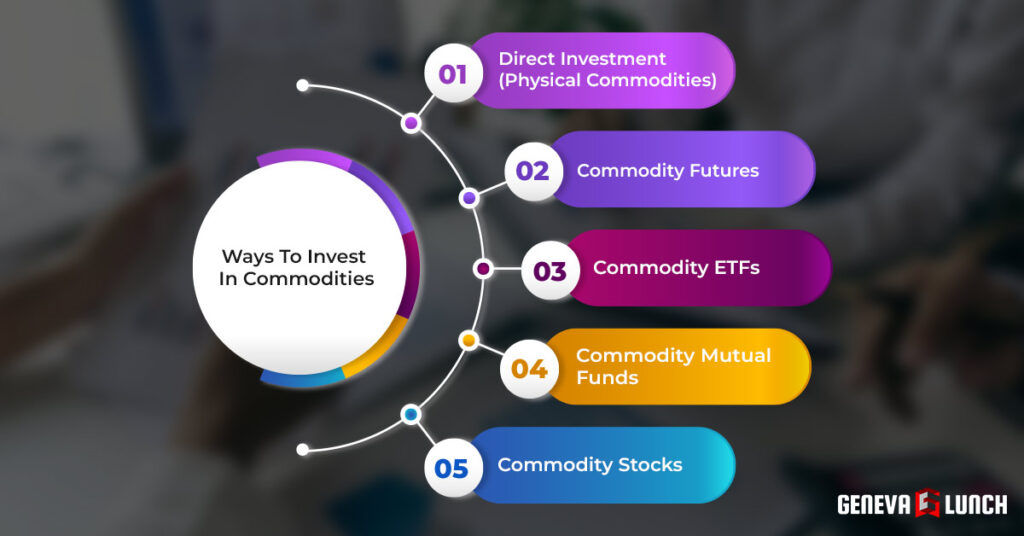
There are different ways to invest in commodities. Each method has its own advantages and risks. Knowing the options can help you choose the best way to invest. Some methods involve owning the physical commodity, while others involve financial instruments. Here are some common methods:
Direct Investment (Physical Commodities)
Direct investment in physical commodities involves buying the actual commodity. For example, you can purchase gold bars, silver coins, or barrels of oil. This method gives you physical ownership of the commodity. While it is a straightforward way to invest, storing and protecting physical commodities can be challenging.
Direct investment is best suited for those who want to hold and possess the commodity itself, providing a tangible asset that can serve as a hedge against inflation and economic instability. However, the risks include storage costs, security concerns, and price volatility.
Commodity Futures
Commodity futures are contracts to buy or sell a commodity at a future date. The price is set now, but the exchange happens later. For example, you can agree to buy oil at $70 per barrel three months from now.
Futures can be risky but offer high potential returns. They are suitable for experienced investors who understand the market well.
Commodity ETFs
Commodity ETFs (Exchange-Traded Funds) are funds that track the price of a commodity or a group of commodities. They trade like stocks.
For example, a gold ETF tracks the price of gold. ETFs are easy to buy and sell. They offer a simple way to invest in commodities without owning the physical commodity. ETFs are a popular choice for many investors.
Commodity Mutual Funds
Commodity mutual funds invest in a variety of commodity-related assets. These can include physical commodities, futures, and commodity stocks.
For example, a mutual fund might invest in gold, oil, and mining companies. Mutual funds offer diversification and professional management. They are a good option for those who want a diversified commodity investment.
Commodity Stocks
Commodity stocks are shares of companies that produce or use commodities. For example, you can buy stock in an oil company or a gold mining company.
These stocks can provide exposure to commodity prices. When the price of the commodity goes up, the company’s stock price might also go up. Investing in commodity stocks combines commodity investment with stock market investment.
Risks Of Investing In Commodities
Investing in commodities comes with risks. It’s important to understand these risks before investing. Being aware of potential downsides can help you make better decisions. Here are some key risks to consider:
Market Volatility
Commodity prices can be very volatile. This means they can change quickly and unpredictably. For example, the price of oil can drop sharply due to geopolitical events. Volatility can lead to big losses.
Investors need to be prepared for sudden price changes. Market volatility is a significant risk in commodity investment.
Leverage Risk In Futures
Futures contracts often use leverage. This means you can control a large amount of a commodity with a small investment. For example, you might control $100,000 worth of oil with only $10,000.
While leverage can increase profits, it can also increase losses. When the price moves against you, you can lose more than your initial investment. Leverage risk makes futures contracts risky.
Commodity-Specific Risks
Different commodities have different risks. For example, agricultural commodities are affected by weather conditions. A drought can reduce the supply of wheat, causing prices to rise.
On the other hand, energy commodities like oil are affected by geopolitical events. Understanding the specific risks of each commodity is important. Commodity-specific risks can impact your investment significantly.
Commodity Trading Strategies
Commodity trading strategies help traders decide when to buy and sell commodities. Different strategies can suit different market conditions and trader goals. Understanding these strategies can improve your trading success. Here are some common commodity trading strategies:
Fundamental Analysis
Fundamental analysis looks at the basic factors that affect commodity prices. This includes supply and demand, weather, and geopolitical events. For example, if a major oil producer announces a cut in production, the price of oil might go up.
Traders use fundamental analysis to predict long-term price movements. This strategy helps traders make informed decisions based on real-world events and data.
Technical Analysis
Technical analysis focuses on past price movements and trading volumes. Traders use charts and patterns to predict future prices. For example, a trader might look at a chart and see a “head and shoulders” pattern, which could indicate a price drop.
Technical analysis is useful for short-term trading. It helps traders identify trends and make quick decisions. This strategy relies on market data rather than external factors.
Trend Following
Trend following involves identifying and following the direction of market trends. When prices are going up, traders buy. When prices are going down, traders sell. For example, if the price of gold has been steadily increasing, a trend follower will buy gold.
This strategy is simple but effective. It helps traders profit from ongoing market movements. Trend following requires regular monitoring of the market to catch trends early.
Arbitrage
Arbitrage involves buying and selling the same commodity in different markets to profit from price differences. For example, if gold is cheaper in one market and more expensive in another, a trader can buy gold in the cheaper market and sell it in the more expensive one.
Arbitrage helps balance prices between markets. It requires quick action and careful analysis. This strategy can provide low-risk profits, but opportunities are usually short-lived.
Swing Trading
Swing trading involves holding commodities for a few days or weeks to profit from short-term price movements. Traders look for price swings and try to buy low and sell high. For example, if the price of silver drops significantly, a swing trader might buy, expecting the price to rebound soon.
Swing trading requires a good understanding of market trends and timing. It is suitable for traders who can closely monitor their investments. This strategy combines elements of both day trading and long-term investing.
Risks In Commodity Markets
Commodity markets offer opportunities but also come with risks. Understanding these risks is important for any trader or investor. Knowing the potential dangers can help you make better decisions and protect your investments. Here are some of the main risks in commodity markets:
Price Volatility
Price volatility means that commodity prices can change quickly and unpredictably. For example, the price of oil can drop sharply due to a sudden increase in supply.
This makes it hard to predict future prices. Volatility can lead to big gains, but it can also cause significant losses. Traders must be prepared for rapid price changes. Monitoring market trends can help manage this risk.
Market Speculation
Market speculation involves trading based on expected price movements. Speculators try to profit from short-term changes in prices. For example, a speculator might buy gold expecting its price to rise quickly.
While speculation can lead to high profits, it also increases market risk. Speculators can create price swings that are not based on actual supply and demand. This can make the market more unstable.
Geopolitical Risks
Geopolitical risks involve political events that affect commodity prices. Wars, trade disputes, and political instability can disrupt supply chains. For example, a conflict in a major oil-producing country can reduce the supply of oil, causing prices to rise.
Traders need to watch global news closely. Understanding geopolitical risks can help in making informed trading decisions.
Environmental Risks
Environmental risks include natural disasters and climate changes that impact commodity supply. For example, a drought can reduce the production of agricultural commodities like wheat and corn. This can lead to higher prices.
Hurricanes can disrupt oil production in coastal areas. Environmental risks can cause sudden and significant changes in commodity prices. Being aware of environmental factors is crucial for managing these risks.
Credit And Counterparty Risk
Credit and counterparty risk involve the possibility that the other party in a trade will not fulfill their obligations. For example, if you enter into a futures contract, there is a risk that the seller might not deliver the commodity. This can lead to financial losses.
Traders need to assess the reliability of their trading partners. Using exchanges and clearinghouses can reduce this risk. They provide a safer environment for trading by ensuring both parties meet their obligations.
Impact Of Commodities On The Economy
Commodities play a big role in the economy. They are essential raw materials used in many industries. Changes in commodity prices can have significant effects. Understanding how commodities impact the economy helps us see their importance. Here are some key ways commodities influence the economy:
Inflation And Deflation
Commodities can affect inflation and deflation. Inflation happens when prices of goods and services rise. Deflation is the opposite when prices fall. For example, if oil prices go up, transportation and manufacturing costs increase.
This can lead to higher prices for many goods. On the other hand, if oil prices drop, costs go down, and prices for goods might fall. Changes in commodity prices can directly impact the cost of living.
Trade Balance
The trade balance is the difference between a country’s exports and imports. Commodities are a big part of this balance. For example, countries that produce a lot of oil or gold export these commodities.
This helps improve their trade balance. Conversely, countries that need to import commodities might have a trade deficit. A positive trade balance strengthens a country’s economy. A negative trade balance can weaken it.
Currency Strength
Commodities can influence the strength of a country’s currency. For example, if a country exports a lot of oil, its currency might become stronger. This is because other countries need to buy that country’s currency to pay for the oil. A strong currency can make imports cheaper and improve the economy.
Conversely, if a country imports a lot of commodities, its currency might weaken. This can make imports more expensive.
Employment And Industrial Growth
Commodities affect employment and industrial growth. Industries that produce or use commodities create many jobs. For example, mining for metals or drilling for oil requires many workers. These jobs support local economies.
Additionally, cheap and abundant commodities can lower production costs for industries. This can lead to more industrial growth. More jobs and growth in industries help the overall economy. They provide income and stability for many people.
Future Trends In Commodity Markets

The commodity markets are always changing. Future trends can impact these markets in various ways. Understanding these trends helps traders and investors make better decisions. These trends can influence prices, supply, and demand. Consulting with different types of financial advisors can also provide valuable insights into these trends. Here are some key trends to watch:
Impact Of Renewable Energy On Commodity Markets
Renewable energy is becoming more popular. This shift can change the demand for certain commodities. For example, as more people use solar power, the demand for coal might decrease. Renewable energy sources like wind and solar require different materials.
This can increase the demand for metals like lithium and cobalt. These metals are used in batteries and solar panels. The rise of renewable energy can lead to big changes in commodity markets.
Technological Innovations
Technological innovations can change how commodities are produced and used. New technology can make mining and farming more efficient. For example, advanced machinery can extract minerals more quickly and with less waste. This can increase supply and lower costs.
Technology can also create new uses for existing commodities. For example, improvements in battery technology increase the demand for metals like lithium. Keeping up with technological changes is important for understanding commodity markets.
Shifts In Global Demand
Global demand for commodities can shift due to economic growth or decline. For example, if a large country like China grows its economy, it will need more oil, metals, and food. This increases global demand and can raise prices.
On the other hand, if a country’s economy slows down, demand for commodities might decrease. Changes in population and consumption patterns can also affect demand. Understanding global demand trends is crucial for predicting market movements.
Environmental Concerns And Sustainable Practices
Environmental concerns are influencing commodity markets. People are becoming more aware of the impact of mining, drilling, and farming on the environment. This leads to stricter regulations and a shift towards sustainable practices.
For example, there is more demand for organic food and sustainably sourced metals. Companies are also investing in cleaner technologies. These changes can impact supply and demand, as well as production costs. Sustainable practices are becoming a key factor in commodity markets.
FAQs
What Is The Role Of Government Policies In Commodity Markets?
Government policies set rules and regulations in commodity markets to ensure fair trading. They control production and sales, such as setting limits on oil drilling and tariffs on imports. These policies affect prices and availability. They can also prevent fraud and protect investors.
How Do Global Economic Trends Impact Commodity Markets?
Global economic trends impact commodity markets by influencing demand. When economies grow, demand for commodities like oil and metals increases, raising prices. For example, new infrastructure projects require more steel. Conversely, if the global economy slows down, demand and prices drop.
What Are The Ethical Considerations In Commodity Trading Market?
Ethical considerations in commodity trading include avoiding harm to people and the environment. Traders should not exploit child labor or damage habitats. Transparency and honesty in trading are crucial. Traders must avoid market manipulation and fraud. Ethical trading maintains market trust.
How Do Commodity Markets Impact Inflation?
Commodity markets impact inflation by affecting the cost of goods and services. When commodity prices rise, like oil, transportation and production costs increase, leading to higher product prices. Conversely, when commodity prices drop, overall prices can decrease, reducing inflation.
What Are The Benefits Of Investing In Commodity Market?
Investing in the commodity market offers benefits like diversification, reducing risk. Commodities often perform well when stocks do not and act as a hedge against inflation. Commodities like gold and oil can provide high returns. They are tangible assets that enhance investment portfolios.
How Does Leverage Work In Commodity Trading Market?
Leverage in commodity trading involves using borrowed money to increase trade size. For example, with $1,000, a trader might control $10,000 worth of oil. Leverage can magnify profits if prices move favorably but also increases the risk of large losses if prices go against the trader.
Final Words
Commodity markets are vital for trading essential raw materials like gold, oil, and wheat. Understanding how these markets work, including the role of supply and demand, government policies, and global economic trends, is important for making informed investment decisions. By exploring various trading strategies and recognizing the benefits and risks, you can effectively navigate the commodity markets.