How To Become A Financial Advisor (Complete Guideline)

Becoming a financial advisor is a great career. It’s for those who love helping people with money and planning for the future. But the question is how to become a financial advisor?
To become a financial advisor, earn a bachelor’s degree in finance, business, or economics. Obtain necessary certifications, like the CFP or Series 7, and gain experience through internships or junior advisor roles. Regularly update your skills and knowledge in financial markets and products.
This job needs strong people skills. You’ll work closely with clients to help them reach their financial goals. Let’s explore what it takes to enter this rewarding profession.
Key Takeaways
- Education and Certification: Earn a finance-related degree and obtain certifications like CFP or CFA to establish credibility and expertise.
- Gain Experience: Start in related fields such as banking or accounting to build foundational skills and industry knowledge.
- Networking and Continual Learning: Engage with finance professionals and stay updated with industry trends to grow your network and expertise.
- Continuously Learn: Stay updated on financial trends and changes to provide the best advice and maintain expertise.
- Secure Licensing: Get the needed securities licenses, such as Series 7 and Series 63. You need them to sell financial products legally.
What Is A Financial Advisor?
A financial advisor is a pro who gives financial guidance and services to clients. They do this based on the client’s unique situation. They act as financial partners.

They work with you to understand your goals and assess your risk tolerance. Then, they make a plan to achieve their financial dreams. Financial advisors offer a wide range of services, including:
- Investment management: Building and managing investment portfolios to grow your wealth.
- Retirement planning: Developing strategies to ensure a comfortable and secure retirement.
- Education planning: Saving and investing for your children’s future education.
- Debt management: Creating plans to pay off debt and improve your financial health.
- Risk management: Protecting your assets and income with insurance products.
- Tax planning: Developing strategies to minimize your tax burden.
Why Become A Financial Advisor?
There are many reasons why someone chooses to become a financial advisor. Here are a few of the most common:
- Help people: Financial advisors can make a real difference in people’s lives. They can provide peace of mind and security. Advisors also help clients pursue their dreams by helping them reach their financial goals.
- Meaningful career: The work of a financial advisor can be very fulfilling. You get to build relationships with clients. You will understand their needs and make a roadmap for their financial success.
- Intellectual challenge: The financial services industry is constantly evolving. Financial advisors need to stay up-to-date on new investment trends. They also need to keep up with tax laws and economic conditions. They need this to give the best advice to their clients.
- Entrepreneurial opportunity: Many financial advisors work independently or in small firms. This allows them to build their practices. They can set their hours and create a work environment that suits their style.
- Compensation and benefits: Advisors can earn high salaries and commissions based on the assets they manage and the products they sell. They may also qualify for benefits, including health insurance, retirement plans, and paid time off.
Educational Requirements To Become A Financial Advisor
A strong education is crucial for a successful career as a financial advisor. This section will cover the educational requirements.
It will cover the needed background and the specific degrees and courses that can prepare you to do well in this field.
Required Educational Background
A bachelor’s degree is generally the minimum requirement to become a financial advisor. No specific major is mandated. However, some fields offer a strong foundation in financial principles. They also cover the analytical tools you’ll use in your career.
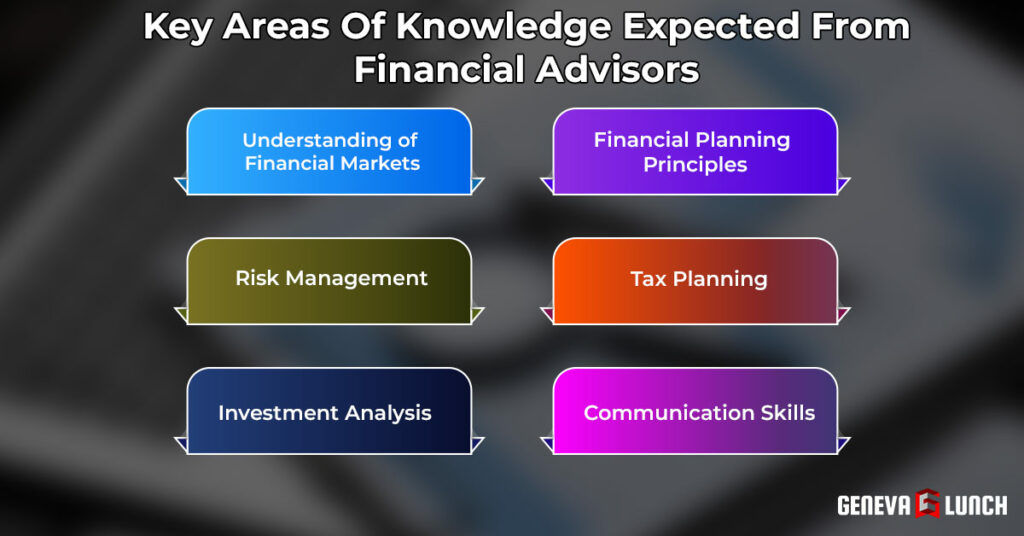
Here are some of the key areas of knowledge expected from financial advisors:
- Understanding of Financial Markets: It explains how different investments work. It also covers how to evaluate risk and return. It also covers how to build a diversified portfolio.
- Financial Planning Principles: You must assess a client’s money situation. Then, set goals and make plans to achieve them.
- Risk Management: Strategies to protect clients from financial setbacks and unforeseen circumstances.
- Tax Planning: Basic tax laws and strategies to minimize a client’s tax burden.
- Investment Analysis: You need to research and analyze investments. Then, you use this to make good recommendations for clients.
- Communication Skills: The ability to explain complex financial concepts clearly and understandably.
Relevant Degrees And Courses
A bachelor’s degree in any field can qualify you for entry-level positions. However, some degrees give a more targeted advantage.
Finance
You learn about financial markets in a finance degree. This includes finance related subjects such as investment analysis, risk management, and financial planning. Courses on corporate finance cover investments, portfolio theory, and financial modeling. They also cover derivatives and are valuable.
Economics
A degree in economics provides a strong base in economic theory. It shapes financial markets and investment choices. Courses in macroeconomics, microeconomics, econometrics, and financial markets will be relevant.
Business Administration
It provides a broad understanding of business, including accounting, marketing, and management. It’s not as finance-specific, but it can be a good foundation. You need to add finance and investment coursework.
Accounting
An accounting degree gives you a strong grasp of financial statements. They are crucial for analyzing a client’s financial health. Financial accounting, managerial accounting, auditing, and taxation courses will be beneficial.
Professional Certifications Requirements To Become Financial Advisor
To become a financial advisor, several professional certifications can enhance your credibility and expertise. Here’s a detailed look at some of the key certifications:
Certified Financial Planner (CFP)
Becoming a financial advisor is a great career choice for those who like helping others manage their money and plan for the future. This job requires a solid education, usually a bachelor’s degree in finance, economics, or a related field.
Earning the Certified Financial Planner (CFP) designation is a key step in this career. Candidates must complete a CFP Board-approved education program. Then, they must pass a tough exam.
The exam covers retirement planning, estate planning, tax strategies, and insurance. They also need 6,000 hours of professional financial planning experience. Or, they need 4,000 hours of apprenticeship that meets stricter criteria.
This role also requires strong social skills. Financial advisors work closely with clients to help them meet their financial goals. Continuous learning is vital for success, as it’s needed to stay up to date on new financial trends and regulations.
Chartered Financial Analyst (CFA)
The Chartered Financial Analyst (CFA) credential is very prestigious. It marks a top certification for investment pros. The CFA program has three tough levels, each requiring a hard exam.
Candidates must master many subjects. These include math, economics, financial reporting, portfolio management, and ethics. To earn the CFA designation, candidates also need at least four years of work experience.
They also need experience making investment decisions. The mix of study and experience goes deep, ensuring that a Chartered Financial Analyst can handle complex investments.
Personal Financial Specialist (PFS)
The American Institute of Certified Public Accountants (AICPA) offers the Certification of Personal Financial Specialist (PFS) for CPAs specializing in personal financial planning. Candidates must already be licensed CPAs to qualify for the PFS.
They must also finish a PFS or CFP education requirement. They need to pass a tough PFS exam. They also need at least two years of full-time business or teaching experience in personal financial planning.
Chartered Financial Consultant (ChFC)
The American College of Financial Services offers the Chartered Financial Consultant designation. It covers many financial planning areas, including insurance, taxes, retirement, investments, and estate planning.
ChFC candidates must finish nine college-level courses and have three years of experience in finance. Unlike the CFP, there is no board exam, but candidates must pass end-of-course exams covering the full curriculum.
Securities Licenses
Financial advisors need various securities licenses such as series 7, series 65 and series 66. The licenses they need depend on the products and services they wish to offer.
Series 7:
This license lets advisors sell many types of securities, including stocks, bonds, options, and mutual funds. Most states require the Series 63 license, which covers state securities regulations.
Series 65 or Series 66:
These licenses are necessary for those who intend to act as investment advisers. Advisors need Series 65 unless they have Series 7. When they have the Series 7, they also need the Series 66. Series 66 covers extra topics for investment advising and financial planning.
What Does A Financial Advisor Need To Know?
A financial advisor needs strong skills to help clients manage their money wisely. They must know much about how money works and how to plan for the future. Below are some important technical skills they need.
Technical Skills
To be successful, a financial advisor must have strong technical skills. These skills help them create plans for their client’s needs and goals. Now, let’s dive into some key technical skills every financial advisor should have:
Financial Planning And Analysis
Financial advisors need to create plans that help people meet their financial goals. This involves looking at a person’s income, expenses, and savings. Then, make a plan to save more money or invest wisely.
Understanding Of Financial Markets
Advisors must understand how the stock market and other financial markets work. This helps them give good advice on where to invest money. They must stay current with market trends to protect their clients’ investments.
Tax Planning
Financial advisors must know about taxes. They can use this knowledge to help clients pay less tax legally. They must also understand how different investments affect a person’s tax bill.
Estate Planning
Advisors help clients plan what will happen to their money after they die. This includes making plans to pass on assets to loved ones or charities. They need to know the laws about wills and trusts.
Risk Management
Risk management is key in financial planning. Advisors assess how much risk a client can take with their investments. They also help clients plan for unexpected events. These include losing a job or getting sick. The goal is to ensure they are prepared for anything.
Interpersonal And Soft Skills

Being a financial advisor is about more than understanding money. It’s also about how well you work with others. Advisors must have strong soft skills, including talking, listening, solving problems, and making decisions. Let’s discuss these skills in more detail.
Communication Skills
Communication is key for a financial advisor. They need to explain complex financial ideas simply. People need to understand them. This helps clients make good decisions about their money. Advisors must listen well so they can truly understand what each client needs.
Client Relationship Management
Building and keeping strong relationships with clients is very important. Advisors need to earn their clients’ trust by being reliable and respectful. They should make clients feel valued and understood, which keeps them happy and loyal.
Sales And Marketing Skills
Advisors need to be good at selling their services. They have to know how to market themselves to attract new clients. This includes being able to talk about their skills. They can explain how their skills help people reach their financial goals.
Problem-Solving Skills
Clients often come with unique challenges and goals. A financial advisor must find solutions that fit each person’s situation. They must be good at this. They need to think quickly and creatively to solve problems.
Ethical Decision-Making
Advisors always need to make decisions that are right and fair. They must follow strict rules and ethics. This is to ensure they work in their client’s best interest. This builds trust and keeps their reputation strong.
Getting Started In The Field
To start a career in financial advising, you need the right education and certifications. Once you have these, you can gain real-world experience.
Internships And Entry-Level Positions
Internships and entry-level positions are great ways to learn and demonstrate your knowledge. You work closely with experienced advisors, learn how the industry operates, and start applying what you learned in school.
How Do Financial Advisors Find Prospects?
Financial advisors find new clients in many ways. They often talk to friends and family. They also meet new people at events or through social media. Advisors always try to make a good impression so people want to work with them.
What To Expect
When you start as a financial advisor, expect to work hard and meet many people. You’ll need to understand each client’s needs and help them plan for their future. It’s important to be patient, as building trust and a client list takes time.
Building A Professional Network
Creating a strong network is key for a financial advisor. Join groups and attend events that connect you with other finance professionals. This helps you learn from others and find new clients. Always be ready to meet new people and share ideas.
Role Of Mentorship In Career Development
Mentorship is key in financial advising. A good mentor teaches you the industry’s ins and outs, provides advice, and helps you grow. They share their experience and guide you in handling clients and complex financial situations. This support is crucial as you learn and start your career.
Building Your Client Base
To build your client base, start by networking. Meet people, share what you do, and explain how you can help them. Always provide excellent service; happy clients will likely refer others to you.
Use social media and local events to reach potential clients and show your expertise in financial planning.
Marketing Strategies For New Advisors
New financial advisors need good marketing to find clients. Start by telling people what makes you different from others. Use simple messages and clear offers. Make sure people know how you can help them save money and make more.
Using Social Media Effectively
Social media helps you reach many people at once. Use it to share helpful tips and discuss how you can solve problems. This shows you know your stuff and builds trust. Always answer questions people ask in your posts.
Networking Events And Opportunities
Go to events where you can meet other financial professionals and potential clients. Talk to people, exchange business cards, and follow up with them later. Being friendly and professional helps you make connections. They could lead to new clients.
Building A Specialization And Niche
Specializing and finding a niche are key for professionals. They want to stand out and attract specific clients. Focusing on a specific area makes you an expert.
Importance Of Specialization
Specializing lets you focus on a certain area and learn everything about it. This makes you an expert. Clients who need help in this area will prefer you over someone who knows a little about many things.
When you know a lot about a topic, you can offer better solutions and advice, leading to more clients and higher income.
Identifying Niche Markets
To find your niche, consider what you love and where you can meet unmet needs. Look at the market and see where big demand exists but insufficient supply.
Talking to potential clients about their needs can help you identify a niche. Once you find your niche, you can focus your learning and marketing to attract clients who need your expertise. This will make your business stronger and more successful.
Specializations To Consider

When picking a specialization, consider what interests you most. Also, consider where you can have the biggest impact. Here are some key areas:
Retirement Planning
Retirement planning helps people determine how much to save when they stop working. You will help clients choose the right savings plans and investments. They need enough money to enjoy their retirement.
Tax Planning
Tax planning involves understanding the tax laws to help clients pay less. This could mean finding deductions and credits or deciding when to spend or invest to cut taxes.
Estate Planning
Estate planning ensures a person’s assets go to the right people. It prevents big legal problems or taxes when they die. You will help clients write wills, set up trusts, and make other plans to protect their money and property.
Risk Management
Risk management is about finding ways to protect clients from unexpected financial losses. This includes picking the right insurance and making strategies to reduce financial risks.
Business Succession Planning
Clients who own businesses need a plan for who will take over. This is for when they retire or die. You will help them decide how to pass on their business without losing their value.
Growing Your Practice
Growing your practice involves more than just finding new clients. You must also build a strong brand and define what makes your services unique. This helps you stand out and attract the right kind of attention.
Building A Strong Brand
A strong brand shows people what your business stands for. It includes your logo, the colors you use, and how you talk about your services. A good brand makes you memorable and builds trust with your clients.
Creating A Professional Online Presence
Having a professional online presence is crucial. This means you need a good website that’s easy to use. Your website should clearly explain what you do and how you help your clients. Also, use social media to reach more people and show what your practice offers.
Defining Your Unique Selling Proposition (USP)
Your Unique Selling Proposition (USP) tells everyone what makes you different from others. Think about what you offer that no one else does.
This could be your special approach, your personal story, or a unique service you provide. Your USP helps you attract the clients who will most benefit from what you offer.
Marketing And Lead Generation
Marketing helps you reach new clients and tell them about your services. Lead generation is about finding people who want your help and getting them interested in what you offer. There are many ways to do this. Two good strategies are inbound marketing and referral programs.
Inbound Marketing Strategies (Blogs, Webinars, Podcasts)
Inbound marketing draws clients to you instead of you going to them. You can write blogs to share your financial expertise. Hosting webinars and creating podcasts are also great ways to reach people. People who find your content helpful are more likely to trust and consider your services.
Referral Programs And Client Loyalty Incentives
Referral programs encourage your current clients to tell others about your services. You can offer rewards for every new client they bring to you. Also, create loyalty incentives. They keep clients happy and make them more likely to stay with you.
Scaling Your Operations
Focus on building a strong team and using the right tools to scale your operations. This helps you handle more work without losing quality. You can take on more clients and expand your services.
Hiring And Training Junior Advisors
Hiring junior advisors is a great step. You find talented people who can help you more as they learn. Training these advisors well is key. Teach them about your methods and values. They learn fast and start helping clients.
Utilizing Financial Technology (FinTech) Tools
Using FinTech tools makes your work easier and more effective. These tools help analyze data, manage risk, and communicate with clients. With these technologies, you can offer better advice and streamline your tasks.
Tools And Technologies In Financial Advising

Tools and technologies play a big role in financial advising. They help advisors manage information, plan finances, and keep in touch with clients, making the work faster and more accurate.
Software Tools For Financial Planning
Software tools are crucial for financial planning. They help advisors analyze data, make plans, and track progress. These tools can manage budgets, investments, and retirement plans all in one place.
Customer Relationship Management (CRM) Systems
CRM systems are key for managing client information. They help advisors keep track of client details, meetings, and communications. This makes it easy to offer personalized service and keep clients happy.
What Is A widely Used Financial Planning Tool?
A popular tool for financial planning is Mint. It helps people track their spending, make budgets, and monitor their financial goals. Both advisors and clients use it to keep an eye on finances easily.
Portfolio Management Tools
Portfolio management tools are important for advisors. They help track and manage investments, provide updates on investment performance, and suggest changes to improve it. This helps advisors give better advice to their clients.
Emerging Technologies
New technologies are changing financial advising. They make it easier for advisors to plan and manage money. These include artificial intelligence, blockchain, and advice robots.
They help make decisions. They keep data safe and offer personal advice. They do this without costing much.
Artificial Intelligence In Financial Advising
Artificial intelligence (AI) lets financial advisors quickly review large amounts of data. It can spot trends, predict market changes, and suggest investments. AI is also good at giving advice that fits each person. It does this by analyzing their past choices and their future desires.
Blockchain Technology And Its Implications
Blockchain is not just for digital money like Bitcoin. It also helps keep track of all sorts of financial transactions safely and clearly.
This means every transaction is recorded and cannot be changed without everyone’s knowledge. This is crucial for keeping investments safe and ensuring everything is honest and clear.
Robo-Advisors
Robo-advisors are computer programs that give financial advice or manage investments with little human help. They learn what you like and dislike about investing by asking questions about risks and goals.
Then, they use this information to suggest where to put your money. Robo-advisors are cheaper and easier to use, making financial advice available to more people.
Legal And Regulatory Compliance
In financial advising, legal and regulatory compliance is crucial. Advisors must follow many rules and laws. They do this to protect their clients and ensure fair practices. Let’s look at how these regulations shape their work.
Overview Of Financial Advisory Regulations
Financial advisory regulations help to keep the finance industry safe and fair. These rules ensure that financial advisors act in the best interest of their clients. They also prevent fraud and promote transparency in financial services.
FINRA, SEC, And State Regulatory Bodies
- FINRA (Financial Industry Regulatory Authority): This is a private organization. It acts under SEC supervision. It helps oversee brokerage firms and exchanges.
- SEC (Securities and Exchange Commission): This federal agency regulates the securities industry. It enforces laws against market manipulation and corporate fraud.
- State Regulatory Bodies: Each state has its own rules. Agencies oversee advising within them. They ensure that advisors in their state meet requirements and follow state laws.
Key Compliance Requirements
Financial advisors face several compliance requirements to ensure they operate legally and ethically. These rules help keep trust between advisors and clients. They also stop financial fraud and errors.
Maintaining Records And Reporting
Financial advisors must keep detailed records of all client interactions and transactions. This includes meeting notes, investment actions taken, and advice. They must also report some activities to regulators to ensure transparency and accountability.
Avoiding Conflicts Of Interest
Advisors must always act in the best interest of their clients. This means avoiding situations where their interests can conflict with their clients’. Financial advising requires transparency. You must fully disclose any conflicts to maintain integrity.
Continuing Education And License Renewals
Advisers must stay updated with the latest financial practices and regulations. Continuing education and license renewals are key to this. They ensure advisors stay smart and skilled.
What Is The Difference Between A CFA And A CFP?
A CFA, or Chartered Financial Analyst, focuses on investment management. It requires passing three exams about investment. A CFP, or Certified Financial Planner, covers broader financial planning topics. These topics include retirement, estate planning, and taxes. Becoming a CFP also requires passing a thorough exam.
Renewing State Licenses
Financial advisors must renew their state licenses to keep their legal right to practice. They do this by completing a set of continuing education hours and paying a renewal fee. Each state has its own rules, so advisors must know the rules in the states where they operate.
FAQs
Is A Financial Advisor Career Good Fit For Me?
A career as a financial advisor may be a good fit if you have strong analytical skills, enjoy helping others manage their money, and possess excellent communication skills. This role requires a deep understanding of financial markets and the ability to build trusting client relationships.
Can I Become A Financial Advisor Without A Degree?
Yes, you can become a financial advisor without a degree. Many firms value practical experience and professional certifications, such as the Certified Financial Planner (CFP) designation, over formal education. However, a degree can enhance credibility and employment opportunities in the field.
What Exams Do I Need To Pass To Be A Financial Advisor?
To become a financial advisor, you must pass several exams, including Series 7 and Series 66, which cover investment strategies and regulations. Some may also require the CFP® exam for certification in financial planning. State-specific licenses may be needed based on the services offered.
Where Can I Find Entry-Level Financial Advisor Positions?
Entry-level financial advisor positions are often listed on Indeed, LinkedIn, and Glassdoor job boards. Additionally, visiting the career pages of financial institutions or joining professional finance networks can provide valuable leads and networking opportunities for those starting in the field.
What Certifications Can Help Me Advance As A Financial Advisor?
To advance as a financial advisor, consider earning certifications like the Certified Financial Planner (CFP), Chartered Financial Analyst (CFA), or Certified Public Accountant (CPA). These credentials enhance your expertise credibility, and can open up more career opportunities in the finance sector.
How Much Can I Expect To Earn As A Financial Advisor?
As a financial advisor, earnings can vary widely based on experience, location, and clientele. Typically, financial advisors earn between $50,000 to over $200,000 annually. Factors such as commission, the complexity of client needs, and market conditions significantly influence income.
What Are The Day-To-Day Tasks Of A Financial Advisor?
The day-to-day tasks of a financial advisor include analyzing clients’ financial situations, developing tailored financial plans, and monitoring investments. They also stay updated on market trends and regulatory changes and frequently communicate with clients to adjust strategies as needed.
What Are The Different Specializations Within Financial Advising?
Financial advising encompasses various specializations, including wealth management, retirement planning, tax advice, estate planning, and investment strategy. Each area caters to specific financial needs, helping individuals and businesses achieve their financial objectives and secure their future.
Final Words
Becoming a financial advisor takes hard work and dedication. Start by obtaining a solid education in finance or a related field. Then, get key certifications such as the CFP or CFA. They show your expertise and commitment.
Next, gain practical experience by working in finance-related jobs. This will help you build your skills and understanding of the industry. As a financial advisor, you will guide people in managing their money and helping them reach their financial goals.
Keep learning and growing in your career. Do it by talking to other finance professionals. Also, stay current on financial trends. These steps are crucial in forging a successful career in financial advising.