Futures Contract: Definition, Key Players, Risks & Benefits
In today’s financial markets, traders and businesses use different tools to manage risks and predict prices. One of these tools is a futures contract. It is widely used in industries like agriculture, energy, and finance to handle price changes. This helps companies and investors plan ahead with more certainty. So, what is a futures contract?
A futures contract is a legal agreement to buy or sell an asset at a specific price on a future date. It helps businesses and traders protect against price changes or make profit. Common assets include commodities, for example, oil or gold. Futures contracts are traded on exchanges, following set rules.
In this guide, we’ll explore how futures contracts work, their different types, the advantages they offer, and the risks involved. We’ll also discuss common strategies used in futures trading.
Key Takeaways
- Definition: A futures contract is a legal agreement to buy or sell an asset at a future date.
- Profit Opportunities: Traders use futures to profit from changes in commodity, currency, or stock prices.
- Risk Management: Futures contracts help businesses manage price risks and protect against market fluctuations.
- Assets Included: Common assets include oil, gold, agricultural products, currencies, and stock indexes.
- Exchange Trading: Futures contracts are traded on regulated exchanges with set rules and guidelines for both parties.
What Is A Futures Contract?
A futures contract is a legal agreement between two parties. In this contract, they agree to buy or sell an asset at a specific price on a future date. The asset can be things like oil, gold, or wheat. The buyer agrees to pay a certain price, and the seller agrees to deliver the asset at that price.
This contract helps both parties avoid changes in prices. For example, if oil costs $80 per barrel today, a buyer may agree to buy it at this price three months from now, no matter if the price goes up or down. Futures contracts are often used in markets like commodities and finance. They help businesses plan for the future by locking in prices. They are traded on exchanges, and both buyers and sellers must follow the rules of the contract.
Types Of Futures Contracts
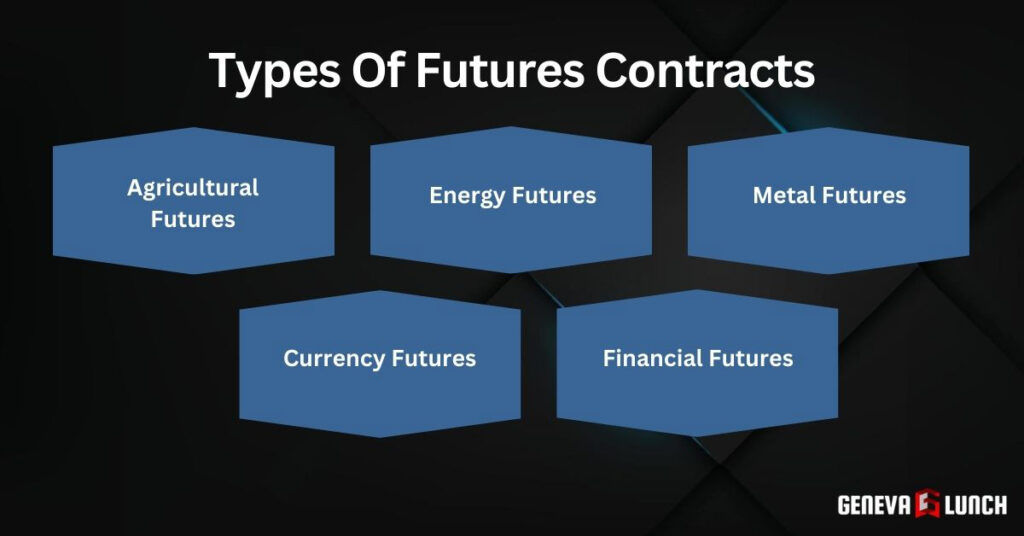
There are many types of futures contracts. Each type is based on the asset being traded. Traders use these contracts to manage risk or make profit. Some contracts deal with physical goods like crops or metals. Others deal with things like money or financial products. Here are some common types of futures contracts:
Agricultural Futures
Agricultural futures contracts involve crops like corn, wheat, soybeans, and coffee. Farmers use these contracts to lock in prices for their harvests. For example, a farmer may sell a futures contract for 1,000 bushels of wheat at $5 per bushel.
This means they agree to sell the wheat at that price, even if the market price changes later. Buyers, such as food companies, use these contracts to secure supply at a known price. This helps both sides avoid large price changes that can affect their business.
Energy Futures
Energy futures deal with products like oil, natural gas, and electricity. Companies use these contracts to manage their costs. For example, if oil is priced at $80 per barrel, a company may agree to buy 500 barrels at that price in six months.
Even if the price changes by then, they will still pay $80 per barrel.
This helps companies avoid sudden cost increases. Energy futures are popular because energy prices can change a lot due to global events. These contracts are traded on exchanges like the New York Mercantile Exchange (NYMEX).
Metal Futures
Metal futures cover metals like gold, silver, copper, and aluminum. Traders use metal futures to manage price risks in industries like jewelry, electronics, and construction. For example, a jeweler may agree to buy 10 ounces of gold for $1,900 per ounce in three months.
Even if gold prices go up, the jeweler will still get the gold at the agreed price. Metal futures are important because metal prices can be very volatile. They are traded on exchanges such as the Chicago Mercantile Exchange (CME).
Currency Futures
Currency futures allow traders to agree on buying or selling a certain amount of money from one country at a set price in another currency. For example, a trader might agree to buy €10,000 at an exchange rate of $1.20 per euro in three months.
Regardless of how the exchange rate changes, the trader must complete the deal at the agreed rate. Currency futures are often used by companies doing international business. They help protect against sudden changes in exchange rates.
Financial Futures
Financial futures involve things like interest rates, bonds, and stock indexes. For example, a trader may agree to buy a futures contract based on the S&P 500 stock index at a set price. These contracts help investors manage risk in financial markets.
Companies and governments also use them to manage interest rates on loans and debt. Financial futures are important because they help people and organizations handle the ups and downs in the financial world.
How Futures Contracts Work?
Futures contracts have specific steps. First, two parties agree to buy or sell an asset at a set price in the future. The contract clearly states the price, amount, and delivery date. Both sides need to follow the rules of the contract. Futures contracts also involve special features like margin and leverage. Let’s look at the basic parts of how futures contracts work:
Basic Mechanics
In a futures contract, two parties agree on a deal. One agrees to buy the asset, and the other agrees to sell it. The contract has important details like the price and delivery date. For example, a trader might agree to buy 100 barrels of oil for $80 each in three months.
Once the contract is signed, both parties need to follow the rules. Even if the price of oil changes, they still trade at the agreed price. This helps reduce risk and uncertainty for both buyers and sellers. Futures contracts are traded on exchanges that set the rules for the trades.
Margin And Leverage
Futures contracts use something called margin and leverage. This allows traders to control large amounts of assets with a smaller amount of money. For example, if a trader wants to buy $10,000 worth of oil, they might only need to put down $1,000 as a margin. The rest is borrowed using leverage.
This can lead to bigger profits, but it also means higher risks. When the price moves in the wrong direction, the trader could lose more than their original investment. Exchanges set rules for how much margin is required to enter a trade.
Marking-to-Market Process
Marking-to-market is a daily process in futures trading. At the end of each day, the contract’s value is adjusted to match the market price. When the market price changes, both buyers and sellers must add or subtract money from their margin account.
For example, if oil prices go up and you are buying oil, you will get money added to your account. When the price goes down, you will lose money. This process helps prevent big losses by adjusting the contract’s value to reflect the real market. It ensures both parties can meet their financial obligations.
Settlement Of Futures Contracts
When the contract reaches its end date, it needs to be settled. There are two ways this can happen. The first is physical delivery. This means the actual asset, like oil or gold, is delivered to the buyer. The second way is cash settlement. In this case, no physical goods are exchanged.
Instead, the difference between the contract price and the market price is paid in cash. Most traders prefer cash settlement because it is easier and faster. Settlement rules are set by the exchange where the contract is traded.
Key Players In The Futures Market
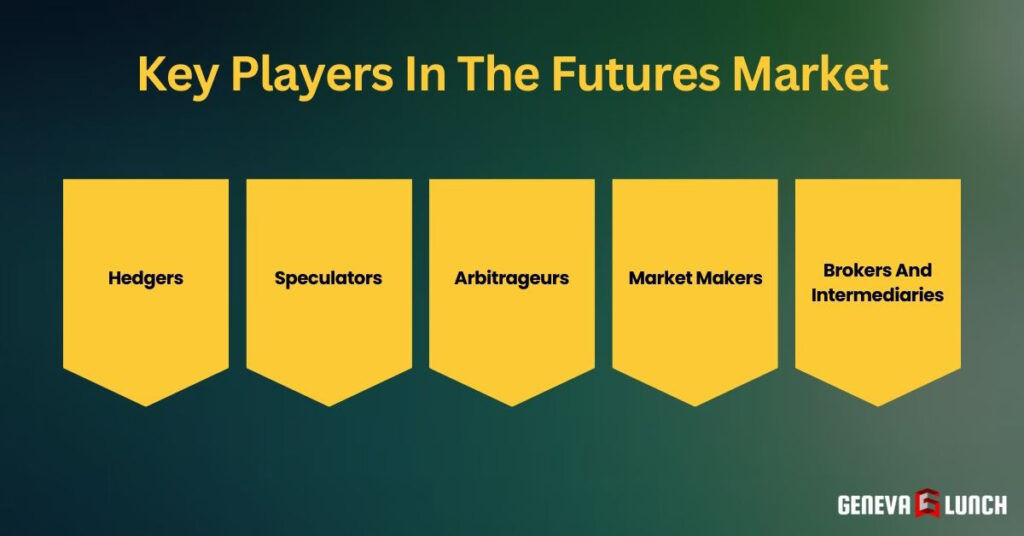
The futures market has different types of participants. Each group has a specific role. Some players use futures contracts to reduce risk, while others use them to make a profit. These players are important because they provide liquidity and help keep the market working smoothly. Without them, it would be harder for businesses and traders to manage price risks. Let’s look at the key players in the futures market:
Hedgers
Hedgers are people or companies that use futures contracts to protect themselves from price changes. For example, a farmer might use a futures contract to lock in the price of wheat before harvest. This way, even if the market price drops later, the farmer is safe because they already agreed on a higher price.
Hedgers use futures to manage risk. They are not trying to make a profit from price changes. Instead, they want to avoid losing money if prices go against them.
Speculators
Speculators are traders who aim to make a profit by guessing how prices will move in the future. They do not use futures contracts to protect against risk. Instead, they take risks, hoping to earn money if the price changes in their favor.
For example, a speculator might buy an oil futures contract if they believe oil prices will rise. When they are right, they can sell the contract later at a higher price and make a profit. Speculators add liquidity to the market, making it easier for others to buy and sell.
Arbitrageurs
Arbitrageurs take advantage of price differences in different markets. They look for situations where they can buy a futures contract in one market and sell it in another for a profit. For example, if the price of gold is different in two exchanges, an arbitrageur may buy on the cheaper exchange and sell on the more expensive one.
This helps balance prices between different markets. Arbitrage is a low-risk strategy but requires quick action. These players help keep prices in line across markets.
Market Makers
Market makers are firms or individuals that provide liquidity to the market. They do this by always being ready to buy or sell futures contracts. Their goal is not to make a big profit on price changes but to earn small profits on many trades.
By always being available to trade, market makers ensure that there are enough buyers and sellers in the market. This makes it easier for everyone to trade quickly. Market makers play a key role in keeping the market running smoothly.
Brokers And Intermediaries
Brokers and intermediaries act as the middlemen in the futures market. They help buyers and sellers connect with each other. Brokers execute trades on behalf of their clients, usually for a fee. They do not take ownership of the contracts themselves.
Instead, they work to get the best possible price for their clients. Intermediaries also provide important services like market analysis and advice. By helping traders navigate the market, brokers and intermediaries play an important role in making sure trades are completed smoothly.
Benefits Of Futures Contracts
Futures contracts offer several benefits to businesses and traders. They help manage risk, provide opportunities for profit, and make it easier to understand market prices. Futures contracts also help markets run more smoothly by offering clear rules and a lot of trading activity. These contracts are widely used in different industries, from farming to finance. Here are some key benefits of using futures contracts:
Risk Management And Hedging
One of the main benefits of futures contracts is risk management. Companies and farmers use futures to protect themselves from price changes. For example, a coffee producer can lock in a price for their product before harvest. This helps them avoid losing money if coffee prices drop.
By using futures contracts, businesses can plan for the future with more certainty. Hedging with futures reduces the risk of large losses and helps companies control their costs. This is especially useful in industries with unpredictable prices.
Speculation Opportunities
Futures contracts offer opportunities for traders to make a profit by speculating on price movements. Speculators use futures contracts to bet on whether the price of an asset will rise or fall. For example, a trader might buy a futures contract if they think the price of oil will go up.
When they are correct, they can sell the contract later for a profit. Speculation adds excitement to the market and attracts more traders. However, it also comes with higher risks, as prices can move in unexpected ways.
Price Discovery
Futures contracts help with price discovery. This means they provide information about what prices people expect in the future. For example, if many people are buying oil futures at $80 per barrel for delivery in six months, it shows that traders believe oil will be worth that price in the future.
This helps businesses and governments plan for the future. Price discovery is an important part of how futures markets work. It gives everyone a better understanding of where prices might be headed.
Liquidity
Liquidity refers to how easily assets can be bought and sold in the market. Futures markets are known for being very liquid. This means that there are always buyers and sellers ready to trade. High liquidity makes it easier for traders to enter and exit positions quickly.
For example, a trader can buy or sell a futures contract without waiting too long for the other side of the trade. Liquidity also helps keep prices fair because there is always someone willing to trade at the current market price.
Standardized Contracts
Futures contracts are standardized, meaning they have clear rules and terms. Each contract specifies the amount, quality, and delivery time of the asset being traded. This makes it easier for traders to understand what they are buying or selling.
For example, a gold futures contract might specify that 100 ounces of gold will be delivered in three months. Standardized contracts reduce confusion and help make the market more efficient. Traders do not have to worry about negotiating the details of each deal. Instead, they follow the same rules for every contract.
Disadvantages Of Futures Contracts

While futures contracts have many benefits, they also have some disadvantages. These contracts can be complicated and risky, especially for new traders. Understanding the disadvantages helps traders be more careful when using futures contracts. Here are some key downsides:
Complexity And Difficulty In Understanding
Futures contracts can be hard to understand, especially for beginners. They have many rules and terms that must be followed. Traders need to know about things like margin, leverage, and settlement. For example, understanding how margin works is important because it affects how much money is needed to trade.
The complexity of futures contracts makes it easy to make mistakes. Without proper knowledge, traders might not fully understand the risks they are taking. This can lead to losses if they are not careful.
Market Volatility
Futures markets can be very volatile. Prices can change quickly in response to news or events. For example, the price of oil might jump if there is a conflict in a major oil-producing region. This volatility can be dangerous for traders.
While big price swings can create opportunities for profit, they also increase the chance of large losses. Traders who do not have a good plan might find it hard to handle these sudden changes. Volatility is one of the main risks in futures trading.
Short-Term Trading Pressure
Futures contracts often come with short deadlines, which can put pressure on traders. Contracts usually have a set expiration date. This means traders need to act quickly before the contract expires. The pressure to make fast decisions can lead to mistakes.
For example, a trader might feel rushed to sell a contract before the price drops further, even if it’s not the best time to sell. Short-term trading pressure can cause traders to make decisions based on emotion instead of strategy.
Potential For Overtrading
Overtrading happens when traders make too many trades in a short time. This can lead to big losses. In the futures market, the possibility of making quick profits can tempt traders to keep buying and selling.
However, each trade comes with costs, like fees and commissions. Over time, these costs add up, and traders might lose money even if some trades are successful. Overtrading also increases the risk of making bad decisions. It’s important for traders to have a clear plan and avoid trading too often.
Risks Of Trading Futures Contracts
Trading futures contracts comes with several risks. These risks can lead to big losses if traders are not careful. Futures trading is different from other forms of trading because it involves special risks like leverage and market changes. Traders need to understand these risks to protect their money. Some risks come from using borrowed money, while others happen because the market changes quickly. Being aware of these risks helps traders make better decisions. Here are some common risks in futures trading:
Leverage Risk
Leverage allows traders to control large amounts of assets with a small investment. While this can lead to big profits, it also increases the risk of big losses. For example, if a trader uses $1,000 to control $10,000 worth of oil, a small change in price can lead to a large loss.
When the market moves against the trader, they could lose more than their initial investment. This is called leverage risk. Traders need to be careful when using leverage and must understand how it can affect their trades.
Market Risk
Market risk is the chance that the price of the asset will move in a way that causes a loss. Prices in the futures market can change quickly due to news, supply and demand, or global events. For example, a sudden drop in the price of wheat could hurt a trader who holds a futures contract to buy wheat.
Market risk is a part of all trading, but it is especially important in futures because of the fast price changes. Traders must be prepared for these sudden market moves.
Liquidity Risk
Liquidity risk happens when there are not enough buyers or sellers in the market. When a trader wants to sell a futures contract, but there are no buyers, they may not be able to exit the trade easily. This can lead to losses, especially if the market price is falling quickly.
Liquidity risk is higher in smaller markets where fewer people are trading. Traders need to be aware of this risk and make sure they are trading in markets with enough activity.
Counterparty Risk
Counterparty risk happens when the other party in the trade does not meet their obligations. In futures contracts, both buyers and sellers have to follow the rules of the contract. When one side cannot deliver what they promised, the other side could lose money.
However, most futures contracts are traded on exchanges that help reduce counterparty risk by using clearinghouses. These clearinghouses make sure both sides of the trade are able to meet their obligations.
Regulatory Risk
Regulatory risk is the chance that new laws or rules will affect futures trading. Governments and regulators create rules to keep markets safe, but sometimes these rules can change. For example, a new regulation might limit how much leverage traders can use.
This can affect how futures traders operate and make trades. Traders need to stay informed about regulatory changes to avoid problems. Regulatory risk is something traders must consider, especially in global markets where rules can vary from one country to another.
Common Futures Trading Strategies
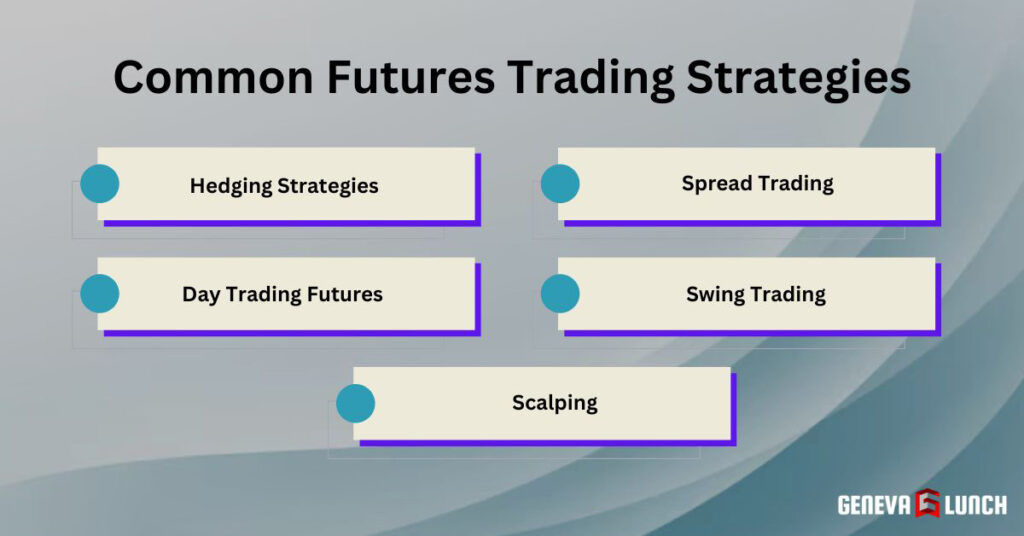
There are different strategies that traders use in the futures market. These strategies help traders manage risks or try to make profits. Some strategies focus on protecting against price changes, while others focus on quick trades. Traders choose a strategy based on their goals and risk tolerance. Some strategies are for long-term goals, and others are for short-term gains. Understanding these strategies is important for anyone who wants to trade futures successfully.
Hedging Strategies
Hedging is a strategy used to protect against price changes. Businesses and farmers use futures contracts to lock in prices and avoid losing money if the market moves against them. For example, an airline might use futures to lock in fuel prices so they are not affected by rising oil costs.
Hedging helps reduce risk by ensuring that a company can plan for future expenses without worrying about price changes. This strategy is focused on stability, not making big profits.
Spread Trading
Spread trading involves buying one futures contract and selling another at the same time. The goal is to make a profit from the difference in prices between the two contracts. For example, a trader might buy a contract for wheat in one month and sell a contract for wheat in a later month.
When the price difference changes in their favor, they can make a profit. Spread trading is less risky than other strategies because the trader is not fully exposed to market changes in one direction.
Day Trading Futures
Day trading involves buying and selling futures contracts within the same day. Day traders try to make quick profits from small price movements. For example, a day trader might buy an oil futures contract in the morning and sell it a few hours later for a small profit.
This strategy requires constant attention to the market and quick decision-making. Day traders usually close all their positions by the end of the day to avoid overnight risks. This is a short-term strategy with high activity.
Swing Trading
Swing trading is a strategy that involves holding futures contracts for several days or weeks. Traders try to profit from short-term price trends in the market. For example, if a trader thinks the price of gold will rise over the next two weeks, they might buy a gold futures contract and hold it until the price goes up.
Swing traders look for patterns in price movements and try to catch these “swings” in the market. This strategy is less intense than day trading but still focuses on short-term gains.
Scalping
Scalping is a very fast trading strategy. Scalpers make many small trades in a short time to earn tiny profits. For example, a scalper might buy and sell a futures contract in just a few minutes. They repeat this process many times during the day to make a profit.
This strategy requires speed and precision. Scalpers look for small price movements and try to take advantage of them quickly. Scalping is a high-risk strategy because it requires making many trades in a short amount of time.
FAQs
1. Can Futures Contracts Be Traded By Individual Investors?
Yes, individual investors can trade futures contracts. They need to open an account with a broker that offers futures trading. Futures contracts are not just for big companies or professional traders. However, it is important for them to understand how futures work and the risks involved before trading.
2. How Do Futures Contracts Impact Commodity Prices?
Futures contracts can impact commodity prices by providing price information to the market. For example, if many people buy futures contracts for oil at a higher price, it shows that traders expect oil prices to rise in future. This can push the current price up. Futures trading also influences market prices.
3. What Are The Tax Implications Of Trading Futures Contracts?
The tax rules for futures contracts are different from other investments. In many countries, futures contracts are taxed at a special rate. For example, in the U.S., 60% of the gains may be taxed as long-term capital gains, and 40% as short-term gains. Always check local tax rules when trading futures.
4. What Happens When A Futures Contract Expires?
When a futures contract expires, it must be settled. This can happen in physical delivery or cash settlement. In physical delivery, the buyer receives the actual asset, like oil or wheat. In cash settlement, the difference between the contract price and the current market price is paid in cash.
5. What Role Do Futures Contracts Play In The Global Economy?
Futures contracts play a key role in the global economy by helping manage price risks. Businesses use futures to lock in prices for things like oil, metals or crops. This helps them plan for the future without worrying about big price changes. Futures contracts can also help with the price discovery.
Final Words
Futures contracts are valuable tools for managing price risks and making profits in different markets. They are used by businesses and traders to lock in prices or take advantage of market changes. With clear rules and a wide range of assets, futures contracts play an important role in finances. Understanding how they work is key to using them effectively.