Personal Finance: Manage Your Money (Save More, Stress Less)

Managing money wisely is important for everyone. Whether you’re saving for a big purchase, planning for retirement, or simply trying to make ends meet, understanding personal finance is key. But what is personal finance?
Personal finance is managing your money, including saving, investing, and spending. It involves financial planning for both the present and the future, helping individuals achieve their financial goals and ensure financial security. Effective personal finance can lead to a more secure life.
In this article, we will explore the essential aspects of personal finance. We’ll discuss how to manage debts, save for the future, and invest wisely to protect and grow your wealth.
Key Takeaways
- Understanding Personal Finance: Personal finance is the management of individual financial activities such as saving, investing, budgeting, and spending.
- Components of Personal Finance: Key elements include income management, expense tracking, savings, investments, and debt management.
- Building Financial Security: Effective personal finance management leads to greater financial security by reducing stress and ensuring preparedness for the future.
- Strategic Investing: Choosing the right investments according to personal risk tolerance and financial goals is critical for securing financial well-being.
- Financial Planning Importance: Regular financial planning is vital for adapting to life’s changes and achieving long-term financial objectives.
What Is Personal Finance?
Personal finance involves managing your money, including saving and investing. It covers budgeting, banking, insurance, mortgages, investments, retirement and tax planning. Understanding personal finance helps you make smart money choices, achieve financial goals, and secure financial futures.
Everyone needs to know how to manage their income and expenses. This helps you avoid debt and save for future needs like education or retirement. Good personal finance leads to a better life by reducing stress and increasing security.
What Are The Key Components Of Personal Finance?
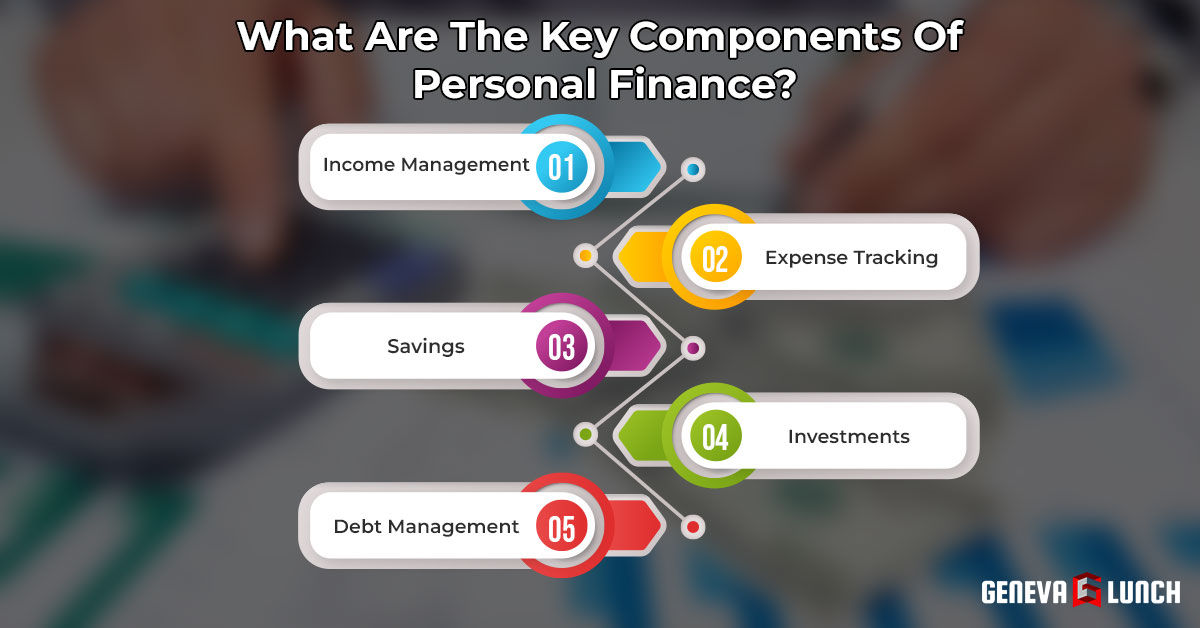
Managing your money wisely involves several key areas. The five main components include income management, expense tracking, savings, investments, and debt management. Each part helps you handle different aspects of your finances effectively. Understanding these can lead you to achieve financial security.
Income Management
Income management is crucial for understanding your total financial potential. It’s about keeping track of all sources of money, including your main job, part-time work, or passive income like rent from properties.
For example, if your main job pays $3,000 per month and you earn $500 from freelancing, your total monthly income would be $3,500.
This allows you to plan how much you can spend, save, and invest each month.
Expense Tracking
Expense tracking is essential to manage your daily financial health. It helps you see where your money is going, from small purchases like coffee to larger expenses like rent or car payments.
For instance, if you spend $300 on groceries and $200 on utilities each month, tracking these expenses can help you identify potential savings. By monitoring these, you can also identify areas to cut back on and better align your spending with your financial goals.
Savings
Savings involve setting aside money on a regular basis for future expenses, emergencies, or major life events, such as a wedding or college tuition. Consider saving at least 10% of your income each month. It is good practice.
So, for example, if you commit to saving 10% of your monthly income, from a $3,000 salary, you would save $300 per month. Over one year, this adds up to $3,600 saved, not accounting for any interest earned if placed in a savings account.
Investments
Investments are ways to use your money to generate additional income or profit. This can include buying stocks, bonds, mutual funds, or investing in real estate.
For example, suppose you invest $200 a month in a mutual fund with an average annual return of 7%. In 20 years, assuming the returns compound annually, your investment could grow to approximately $96,725.
The goal of investing is to build wealth over time, taking into consideration the risks and returns associated with different types of investments.
Debt Management
Debt management involves understanding and organizing your debts. Effective debt management includes making timely payments, considering debt consolidation options, and avoiding taking on more debt.
For example, if you have a credit card balance of $2,000 with an interest rate of 18% and you only make the minimum payment of $60, it takes over 4 years to pay off and costs about $1,115 in interest.
However, if you double the payment to $120, you could pay off the balance in less than 2 years and reduce your interest cost to approximately $419.
Managing Your Money
Managing your money is a key skill that helps you achieve stability and meet your financial goals. Effective money management includes creating budgets, understanding budgeting methods, and setting up an emergency fund. Let’s explore how you can handle these aspects effectively.
Budgeting Basics
Creating a personal budget is the first and most crucial step in managing your finances. A well-planned budget allows you to track your income and manage your expenditures more efficiently. Here, we’ll explore the basic steps involved in setting up your personal budget.
How Can You Create A Personal Budget?

Creating a personal budget starts with knowing your total income and listing all your expenses. It helps you see how much money you have and where it needs to go each month. Here’s how to get started:
Tracking Expenses
Tracking expenses means writing down everything you spend money on, from groceries to monthly bills. This helps you see what you are spending the most on and where you can cut back. Keeping a daily or weekly log can make this easier.
Record daily spending to pinpoint where to cut back. For instance, if you notice you’re spending $100 a month on coffee, you might consider reducing this expense.
Differentiating Between Needs And Wants
Understanding what you need versus what you want is crucial for budgeting. Needs are essential and wants are extra things.
For example, needs may include rent ($1,000/month) and utilities ($200/month), whereas wants might include dining out ($250/month). Focusing more on needs and less on wants helps you save money.
Setting Financial Goals Within Budget
Setting financial goals helps you focus on what you want to achieve with your money, like buying a home or going on vacation. Your goals should fit within your budget so you can reach them without overspending.
Set achievable financial targets, like saving for a down payment on a house in three years. For instance , if the goal is to save $20,000, you’d need to save about $556 per month.
What Are The Main Types Of Budgeting Methods?
Different budgeting methods can help you manage your finances effectively. There are three main types of budgeting methods: zero-based budgeting, the 50/30/20 rule, and the envelope system. Choose one that fits your lifestyle and financial goals.
Zero-based Budgeting
Zero-based budgeting means planning to use every dollar you earn for a specific purpose. This includes all income matching exactly with expenses, savings, and debt payments. It ensures you account for every dollar.
For example, if your income is $3,500, allocate every dollar of that income to specific expenses, savings, and debt repayments.
The 50/30/20 Rule
This rule helps you divide your income into three parts: 50% for needs, 30% for wants, and 20% for savings or debt repayment. It’s a simple way to ensure you balance spending and saving.
For example, of a $3,500 income, $1,750 (50%) goes to needs, $1,050 (30%) to wants, and $700 (20%) to savings or debt repayment.
Envelope System
The envelope system involves dividing your cash into envelopes for different spending categories.
For example, divide cash into envelopes for categories like groceries ($300), entertainment ($150), etc.
Once an envelope is empty, you stop spending in that category. This helps prevent overspending.
Emergency Fund
An emergency fund is crucial for maintaining financial security. It acts as a financial safety net, providing a buffer that can help you manage unexpected expenses without stress. It allows you to cover urgent costs without needing to borrow money.
Importance Of An Emergency Fund
An emergency fund is money saved to cover unexpected expenses like medical bills or car repairs. Having this fund prevents you from going into debt when surprises happen. It’s a key part of financial security. Here are some key points about why an emergency fund is crucial:
- Unexpected Expenses: It covers costs such as emergency medical treatments or sudden major home repairs, eliminating the need to borrow money.
- Avoiding Debt: By having funds readily available, you can handle sudden financial needs without falling into debt.
- Financial Security: This fund acts as a financial cushion, ensuring you’re prepared for life’s unforeseen challenges without stress.
How Much To Save
A good goal for an emergency fund is to save enough to cover three to six months of living expenses. This amount gives you a cushion if you lose your job or have large, unexpected bills.
For example, if your monthly living expenses are $3,000, aim to save between $9,000 and $18,000 in your emergency fund. This ensures you have enough to cover three to six months of expenses, in case of any unexpected bills.
Best Practices For Building An Emergency Fund
Start by setting a monthly savings goal and treat it like a regular expense in your budget. Keep your emergency fund in a separate savings account to avoid spending it. Add to it consistently, even if it’s a small amount each time.
Aim to save $500 monthly to reach a $9,000 fund in 18 months. Treat this like a regular expense and keep it in a separate savings account to avoid using it. Start small if needed, even with $100, and consistently add to it.
Financial Planning
Financial planning is key to achieving personal and family financial success. It helps you set and reach goals, plan for emergencies, and prepare for retirement. Effective financial planning ensures that you have a clear strategy for your finances.
Importance Of Financial Planning
Financial planning is important because it helps you organize your financial future. It makes sure you have enough money for your needs today and saves for big expenses tomorrow.
What Are The Steps Of Financial Goals?
To set financial goals, start by identifying what you want to achieve. Break these goals down into steps, and decide what actions will help you reach each step.
Track your progress and adjust your plans as needed to stay on target. This systematic approach will help you effectively reach your financial targets.
Setting Financial Goals

Setting clear financial goals is crucial in financial planning. These goals can be short-term or long-term, each serving different purposes in your financial strategy. Setting these goals helps you organize your finances and focus on what you want to achieve.
Short-Term Goals
Short-term goals are objectives you plan to achieve within a year or so. These could include saving for a vacation, paying off a small debt, or building an emergency fund. Achieving these goals requires setting aside a specific amount of money regularly.
Long-Term Goals
Long-term goals are the financial aims you strive to achieve in several years or decades. These might include buying a house, funding college education for your children, or ensuring a comfortable retirement. Long-term goals often require more complex planning and investing.
Emergency Fund Planning
Planning for an emergency fund is an essential part of financial planning. It involves setting aside money in a separate savings account to cover unexpected expenses like medical emergencies or job loss.
The goal is to build a fund that covers at least three to six months of living expenses.
Retirement Planning
Retirement planning is about setting up your finances for the time when you stop working. It includes saving money in retirement accounts like 401(k)s and IRAs. The aim is to ensure you have enough funds to maintain your lifestyle in retirement without financial strain.
For example, if you start saving $500 per month at age 30 in a retirement account with an annual return of 6%, by age 65, you would have approximately $596,000 saved up.
Saving And Investing
Saving and investing are crucial for building wealth and securing financial stability. Proper saving and financial investment can help you prepare for the future and allow you to handle unforeseen expenses or achieve significant financial goals.
Importance Of Saving And Investing
Saving money provides a safety net for emergencies and short-term goals. Investing, on the other hand, helps your money grow over time. Here’s why both are important:
- Emergency Preparedness: Saving ensures you have funds available for unexpected costs.
- Growth Potential: Investing increases your money’s value over the years, helping you achieve bigger financial goals.
- Long-Term Security: Combining saving and investing provides stability and security for your future, supporting you through retirement.
Difference Between Saving And Investing
Saving typically involves putting money into safe places, like a savings account, where it can be accessed easily and has low risk. Investing means using your money to buy assets like stocks or real estate that have the potential to increase in value over time.
For example, saving might involve putting $500 a month into a high-yield savings account with a 1% interest rate, while investing could involve purchasing stocks with potential for higher returns but more risk.
Investing carries more risk but also offers higher returns compared to saving.
How Many Types Of Savings Accounts Are There?
There are several types of savings accounts that cater to different needs and preferences. Understanding these can help you choose the best one for your saving goals.
Regular Savings Account
A regular savings account is a basic type of bank account where you can deposit money, earn a small amount of interest, and withdraw funds when needed.
These accounts are usually best for everyday savings and easy access to your money.
High-Yield Savings Account
High-yield savings accounts offer higher interest rates compared to regular savings accounts, allowing your money to grow faster.
These accounts are ideal for longer-term savings where you don’t need immediate access to your funds.
Introduction To Investments
Investing is the process of buying assets like stocks or bonds with the expectation that your money will potentially grow over time.
Unlike savings, which are usually safe, investments can increase or decrease in value based on the market conditions.
What Are The Best Types Of Investments?
Choosing the right type of investments depends on your financial goals, risk tolerance, and time horizon. Some common investment types are stocks, bonds, mutual funds, real estate, and retirement accounts such as 401(k) & IRA).
Stocks
Stocks represent ownership in a company. When you buy stocks, you hope the company will grow and perform well, increasing the value of your shares. Stocks can provide high returns but also come with higher risk.
Stocks are suitable for long-term investment as they can fluctuate widely in the short term. They are a good choice if you’re looking to build wealth and can tolerate market volatility.
Bonds
Bonds are loans you give to governments or corporations in exchange for periodic interest payments plus the return of the bond’s face value at maturity. They are generally safer than stocks but offer lower returns.
Bonds can provide a steady stream of income through interest payments, making them attractive for conservative investors. They are less volatile than stocks, making them a safer choice during economic downturns.
Mutual Funds
Mutual funds gather money from many investors to buy a diversified portfolio of stocks, bonds, or other securities. This diversification reduces risk, making mutual funds a good choice for those who prefer a more balanced investment approach.
Mutual funds are managed by professionals, which can be advantageous for investors who do not have the time or expertise to manage their own portfolios. They offer an easy way to invest in a broad segment of the market with a single transaction.
Real Estate
Investing in real estate involves purchasing properties to generate rental income or to sell at a higher price in the future. It can provide steady income and increase in value, but it requires more capital and management.
Real estate can be a good hedge against inflation as property values and rents typically increase with inflation.
Retirement Accounts (401(k), IRA)
Retirement accounts like 401(k)s and IRAs offer tax advantages for saving for retirement. Contributions to these accounts may be tax-deductible, and the investments within these accounts grow tax-deferred, enhancing their potential to build wealth over time.
These accounts encourage long-term savings and provide financial security for retirement. They have annual contribution limits, which should be maximized to benefit fully from the tax advantages and potential employer matches.
What Is Debt Management?
Debt management involves handling and repaying money you owe to others. It helps you control your finances by organizing how you pay off various debts. Proper debt management can improve your financial health and relieve stress.
Types Of Debt
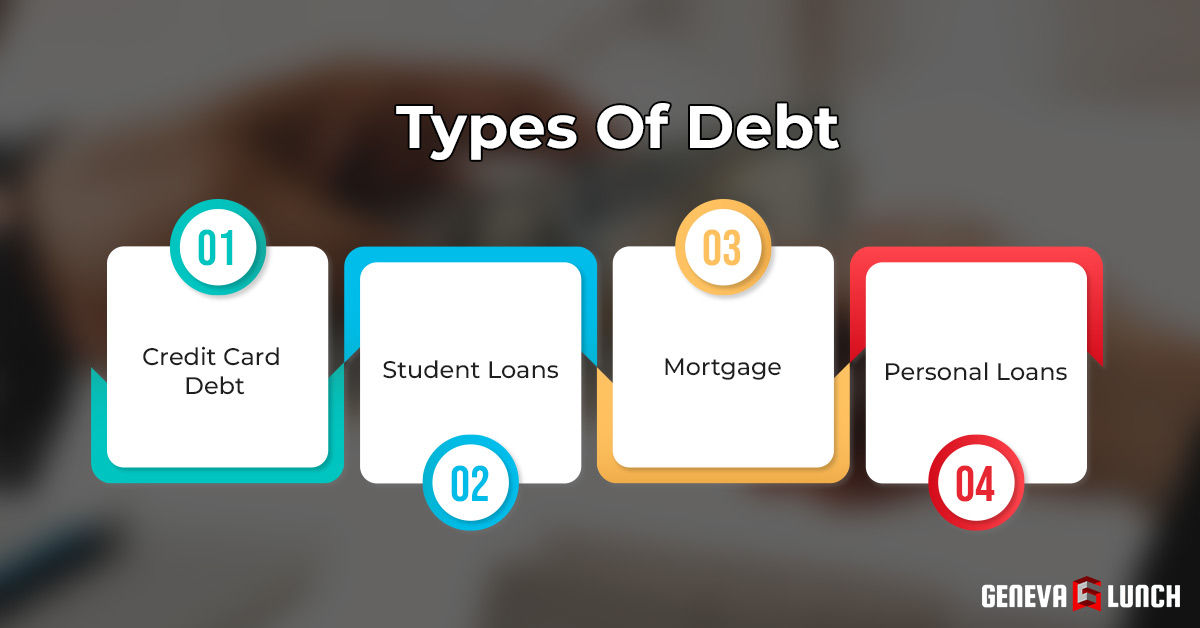
Different types of debt can significantly impact your financial health, so it’s crucial to understand each type to manage them effectively. Each form of debt carries its characteristics, terms, and conditions, which can influence your financial planning and decisions.
Credit Card Debt
Credit card debt comes from not paying off your credit card balance in full each month. This debt can grow fast because of the high interest rates. Paying more than the minimum payment each month can help reduce this debt quicker.
Student Loans
Student loans are borrowed money used to pay for education expenses. These loans often have lower interest rates compared to other types of debt. There are different repayment plans available, including options based on your income, which can make managing this debt easier.
Mortgage
A mortgage is a loan used to buy property or land. It is typically paid back over 15 to 30 years with interest. Since a mortgage is secured by your home, keeping up with payments is crucial to avoid the risk of foreclosure.
Personal Loans
Personal loans are borrowed for personal use, such as consolidating debt or financing big purchases. They can have fixed or variable interest rates and different terms for repayment.
Personal loans are unsecured, meaning they’re not backed by collateral like a home or car.
Which Debt Repayment Strategy Would Be Best?
Choosing the right debt repayment strategy can help you pay off debts more efficiently. It can also save on interest costs. Here are some of the debt repayment strategies you can consider.
Debt Snowball Method
The Debt Snowball Method involves paying off your smallest debts first while making minimum payments on larger debts. As each small debt is paid off, you move on to the next smallest, building momentum as you go.
For example, start by clearing a $500 credit card debt while making minimum payments on larger debts, moving to the next smallest debt once each is paid.
Debt Avalanche Method
The Debt Avalanche Method focuses on paying off debts with the highest interest rates first, while continuing to make minimum payments on others. This method can save you money on interest over time and speed up debt repayment.
So, prioritize a $500 credit card with the highest 20% interest rate, while maintaining minimum payments on lower-rate debts, to save more on interest and pay off debt faster.
How To Avoid A Debt Trap?
Avoiding a debt trap is crucial for maintaining financial stability. To avoid getting trapped by debt, budget wisely and spend less than you earn. Avoid taking on unnecessary debts, especially those with high interest rates.
Build an emergency fund so you don’t have to rely on credit during unforeseen situations. Regularly review and adjust your budget to improve your financial health.
Protecting Your Wealth
Protecting your wealth involves careful planning, a comprehensive strategy, and taking specific steps to safeguard your money and assets over time. This includes utilizing insurance, saving consistently, making smart investments, and managing risks to ensure long-term financial security.
Here are some key steps to protect your wealth:
- Insurance Coverage: Secure health, home, and auto insurance to cover significant unexpected costs that could otherwise deplete your savings.
- Regular Savings: Consistently save a portion of your income to build a financial cushion and support future needs.
- Wise Investments: Diversify your investment portfolio across different asset classes to minimize risk and improve returns over time.
- Risk Management: Regularly assess and manage financial risks related to your investments and personal circumstances.
- Review Financial Strategies: Continuously evaluate and adjust your financial plan to adapt to life changes, economic shifts, or new financial goals.
Implementing these practices ensures that your wealth is not only preserved but also has the potential to grow.
Tax Planning And Strategy
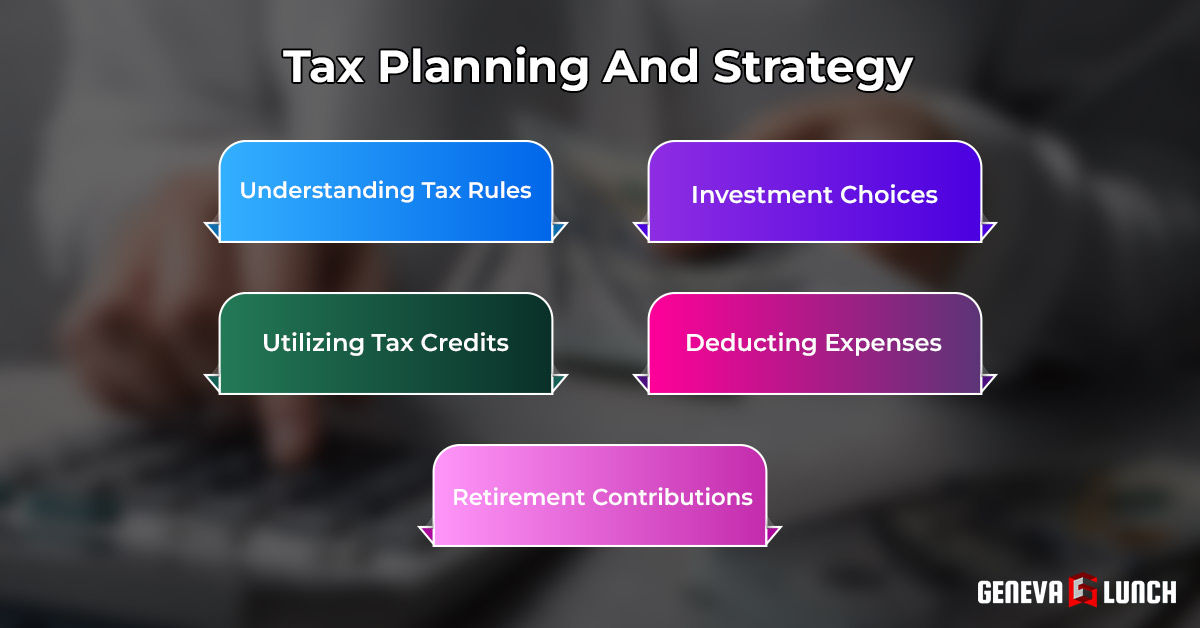
Tax planning and strategy involve organizing your finances to legally minimize taxes. This includes making the right investments, choosing beneficial tax credits, and deducting eligible expenses. It’s important to understand tax rules to take advantage of deductions, credits, and investments.
Key Components of Effective Tax Planning:
- Understanding Tax Rules: Familiarize yourself with tax laws relevant to your income and employment type to fully leverage deductions and credits.
- Investment Choices: Choose investments that offer tax advantages, such as tax-free bonds or tax-deferred growth opportunities.
- Utilizing Tax Credits: Take advantage of tax credits that apply to your situation, which directly reduce your tax bill, dollar for dollar.
- Deducting Expenses: Maximize deductions for expenses like mortgage interest, which can significantly reduce your taxable income.
- Retirement Contributions: Contribute to retirement accounts like 401(k)s or IRAs, where contributions may be tax-deductible, lowering your overall tax liability.
By strategically planning your taxes, you can save money and secure a better financial future.
Personal Finance For Different Life Stages
Personal finance needs change as you move through different stages of life. Each stage presents unique financial challenges and opportunities. Let’s explore the essential financial strategies suited for each life stage.
Students And Young Adults (Ages 18-25)
For students and young adults, learning to manage money is crucial. This stage is about understanding how to budget, manage student loans, and start saving, even in small amounts.
It’s also a good time to start building credit responsibly and learning about financial tools that can help manage and grow money.
Starting A Family (Ages 26-35)
When starting a family, financial planning includes saving for a home, considering life insurance, and planning for children’s education. It’s important to establish an emergency fund and look into health insurance options.
Budgeting becomes more crucial as expenses typically increase during this stage.
Mid-Career (Ages 36-50)
During the mid-career stage, it’s important to focus on advancing your career, increasing income, and maximizing savings. This is a prime time to invest in retirement accounts and review investment portfolios.
Also, consider upgrading your skills to boost your earning potential and evaluating your insurance coverage to protect your growing assets.
Pre-Retirement (Ages 51-65)
In the pre-retirement years, financial focus shifts to preparing for retirement. This includes maximizing contributions to retirement plans, paying down debt, and considering downsizing living arrangements to save costs.
Health care planning also becomes increasingly important to cover needs in retirement.
Retirement (Ages 66 and Up)
Retirement is about managing your finances to maintain a comfortable lifestyle without regular employment income.
This includes drawing income from retirement accounts, managing medical expenses, and possibly planning for estate distribution. Financial planning in retirement should ensure that savings last and adapt to changing health needs.
FAQs
Why Is Personal Finance Essential For Securing Financial Stability?
Personal finance is essential because it helps you manage money effectively. Knowing how to budget, save, and invest ensures that you can cover your daily expenses, prepare for emergencies, and plan for the future. Managing money wisely provides a safety net, contributing to financial stability.
How Do I Start Personal Finance?
To start managing your personal finances, first assess your current financial situation. This includes listing your income, debts, and expenses. Then, create a budget that fits your lifestyle and goals. Start an emergency fund, even if you save only a small amount at a time.
What’s The Best Way To Create A Budget For My Needs?
The best way to create a budget is to first track your income and expenses to understand where the money goes. Categorize your expenses into needs and wants. Prioritize spending on essentials and set aside money for savings. Adjust your budget as your financial situation changes to meet your needs.
How Can I Improve My Credit Score?
To improve your credit score, pay your bills on time, as payment history is a significant factor. Reduce the amount of debt you owe by keeping your credit utilization low and paying off outstanding balances. Avoid opening many new credit accounts. Regularly check your credit report for errors.
What Are Some Good Strategies For Saving For Retirement?
Good strategies for saving for retirement include starting early to take advantage of compound interest and contributing to retirement accounts, such as a 401(k) or IRA. Aim to increase your contributions as your income grows. Diversify your investments to manage risk and maximize returns.
Should I Rent Or Buy A Home?
Deciding whether to rent or buy a home depends on your financial situation and long-term goals. Renting offers flexibility and less responsibility for maintenance, which can be beneficial if you move frequently. Buying a home can be a good investment, but it requires a long-term financial commitment.
How Can Education Improve Personal Finance Literacy And Decision-Making?
Education plays a crucial role in improving personal finance literacy and decision-making. Learning about financial concepts helps you to make informed choices about budgeting, saving, and investing. Financial education can help you understand the risks and benefits of different financial options.
Final Words
Personal finance is fundamental to achieving and maintaining financial security. By understanding how to effectively manage your finances including how to budget, save, and invest, you can lay a strong foundation for your financial future. Embracing these practices allows you to meet your financial goals and prepare for life’s challenges, ensuring a stable and prosperous life.